English
 Español
 Português
 Français
 Deutsch
 русский
 한국어
한국어 にほんご
にほんご हिन्दी, हिंदी
 বাংলা
বাংলা Bahasa Indonesia
 Türkçe
 Việt
Việt dansk
dansk čeština
 עִבְרִית Ivrit
 Filipino/Pilipino
 български език (Bǎlgarski jazik)
 suomi
suomi norsk
norsk język polski
 ไทย
ไทย ກະຣຸນາ
 Bahasa Melayu
 ភាសាខ្មែរ
 ဗာရမ်
ဗာရမ် اردو
اردو فارسی
فارسی Italiano
 Nederlands
 svenska
 Монгол хэл
 नेपाली
 සිංහල
සිංහල Ўзбек тили
 پښتوتۆرکجه
 Ελληνικά
 српски / srpski
 magyar
 українська
 Kiswahili
 Қазақ тілі
 Română
 Hrvatski
 Bosanski
 Kreyòl ayisyen
 አማርኛ
አማርኛ Hausa
Hausa Yorùbá
 Igbo
IgboAre Single-Source Tool Cabinets Better for Global EPC Projects?
For multinational EPC contractors, procurement efficiency and field reliability can directly affect project timelines and safety outcomes. So, are heavy duty tool cabinets from single-source manufacturers better for global EPC projects? In the electrical equipment sector, the answer often depends on consistency, compliance, customization, and after-sales support. Understanding these factors helps project teams reduce sourcing complexity, improve tool management, and ensure dependable protection across diverse sites worldwide.
When a single-source tool cabinet supplier makes sense
In global EPC projects, the value of a single-source manufacturer is not just convenience. It is the ability to keep specifications consistent across multiple countries, contractors, and job sites. That matters when tool cabinets are part of a broader safety and maintenance system, not just storage furniture.
A single-source model is usually stronger when the project needs:
- Uniform cabinet dimensions, load capacity, and locking systems across sites
- Stable quality control for repeated bulk orders
- Fewer handoffs between design, production, and after-sales support
- Faster replacement of damaged or missing parts
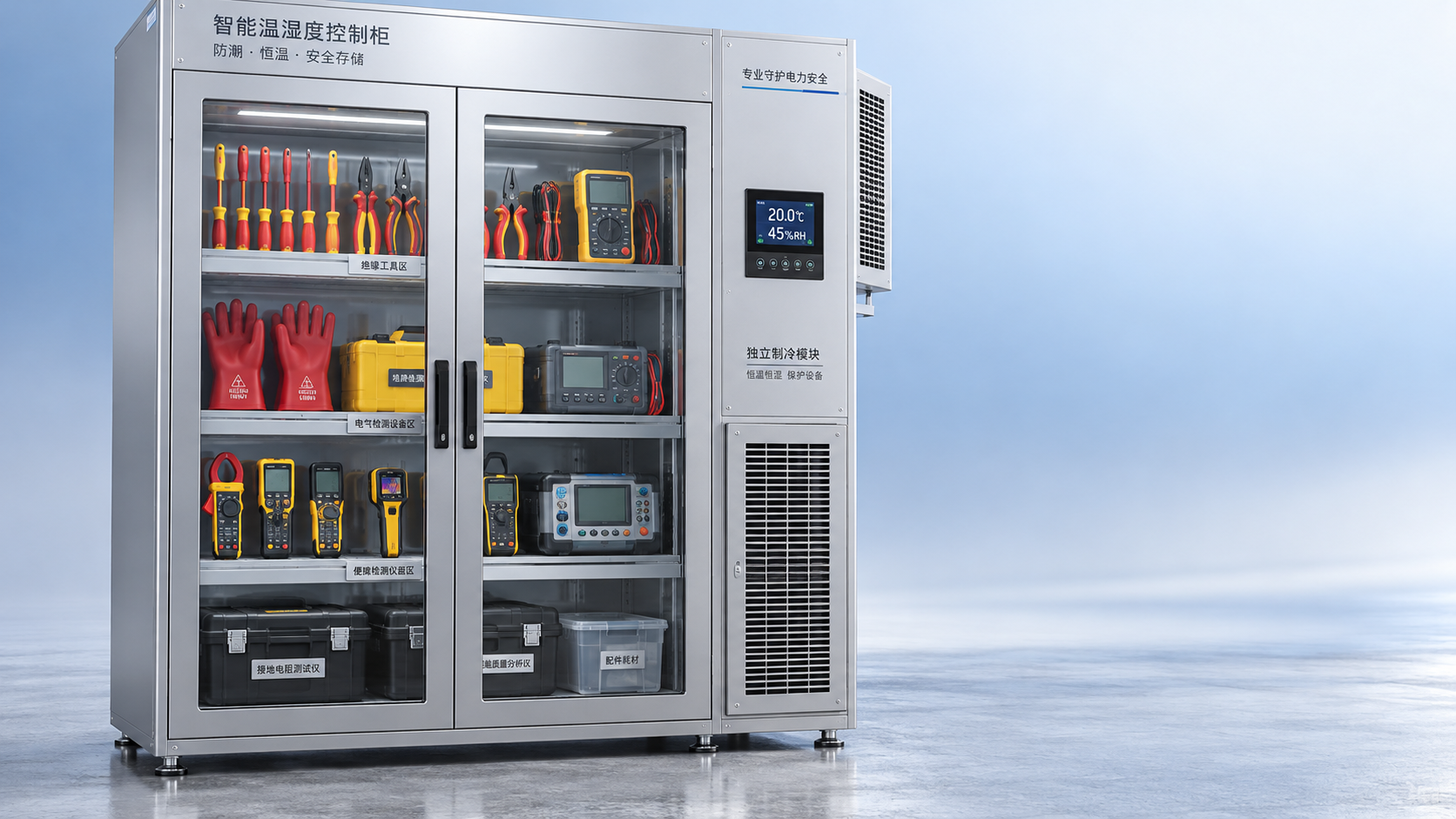
- Customized internal layout for electrical tools, PPE, or insulated equipment
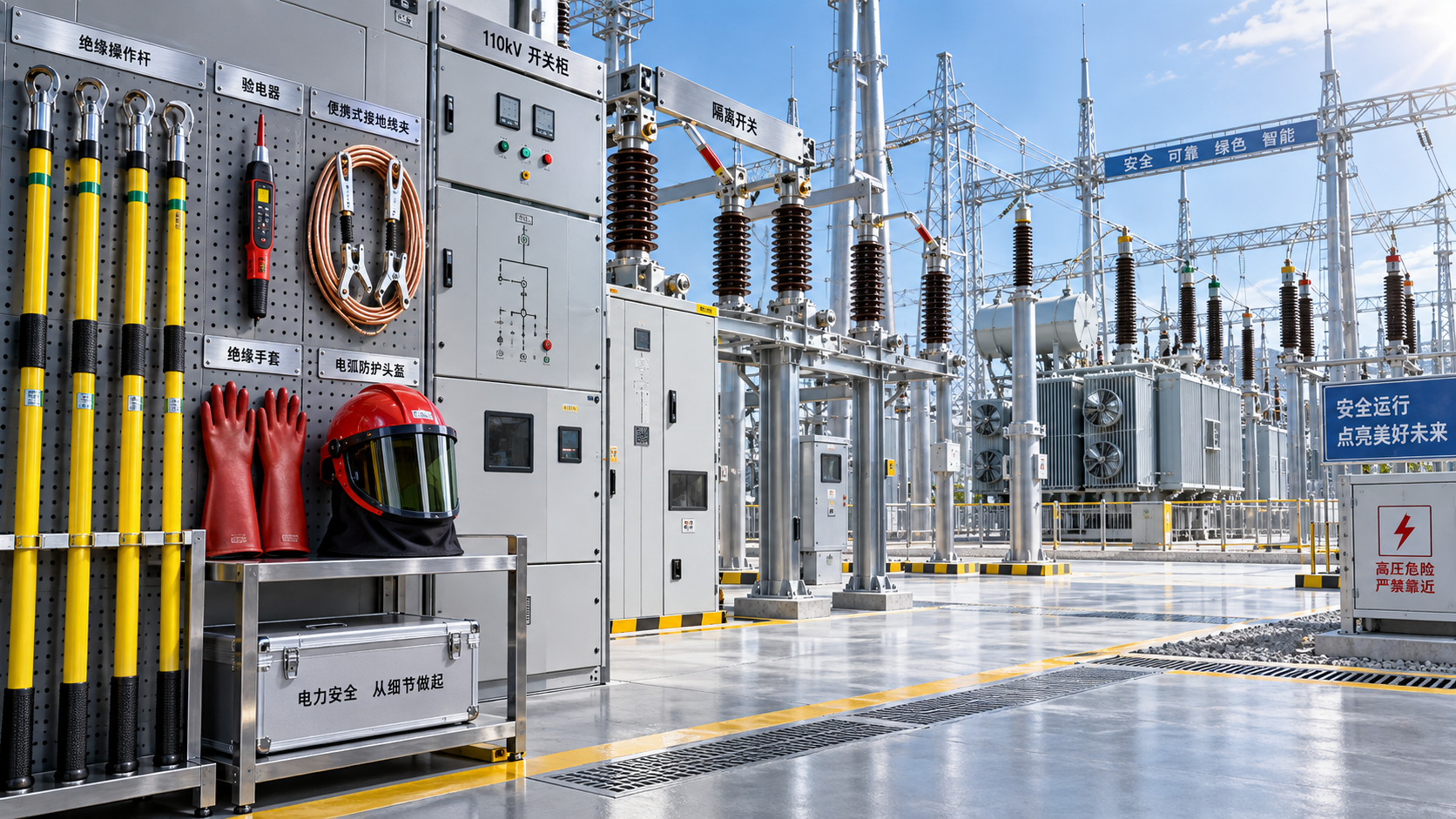
For EPC teams managing substations, utility expansions, renewable energy plants, or industrial maintenance programs, this consistency reduces variation in tool handling. It also helps site managers standardize storage practices, which is often overlooked until tools start getting lost, damaged, or mixed across teams.
Why global EPC buyers care about consistency more than unit price
On paper, buying from multiple local suppliers may look cheaper. In practice, the hidden cost usually appears later: different steel thicknesses, inconsistent welding quality, poor surface treatment, mismatched spare parts, and uneven delivery performance. For projects spread across regions, these differences create administrative burden and field risk.
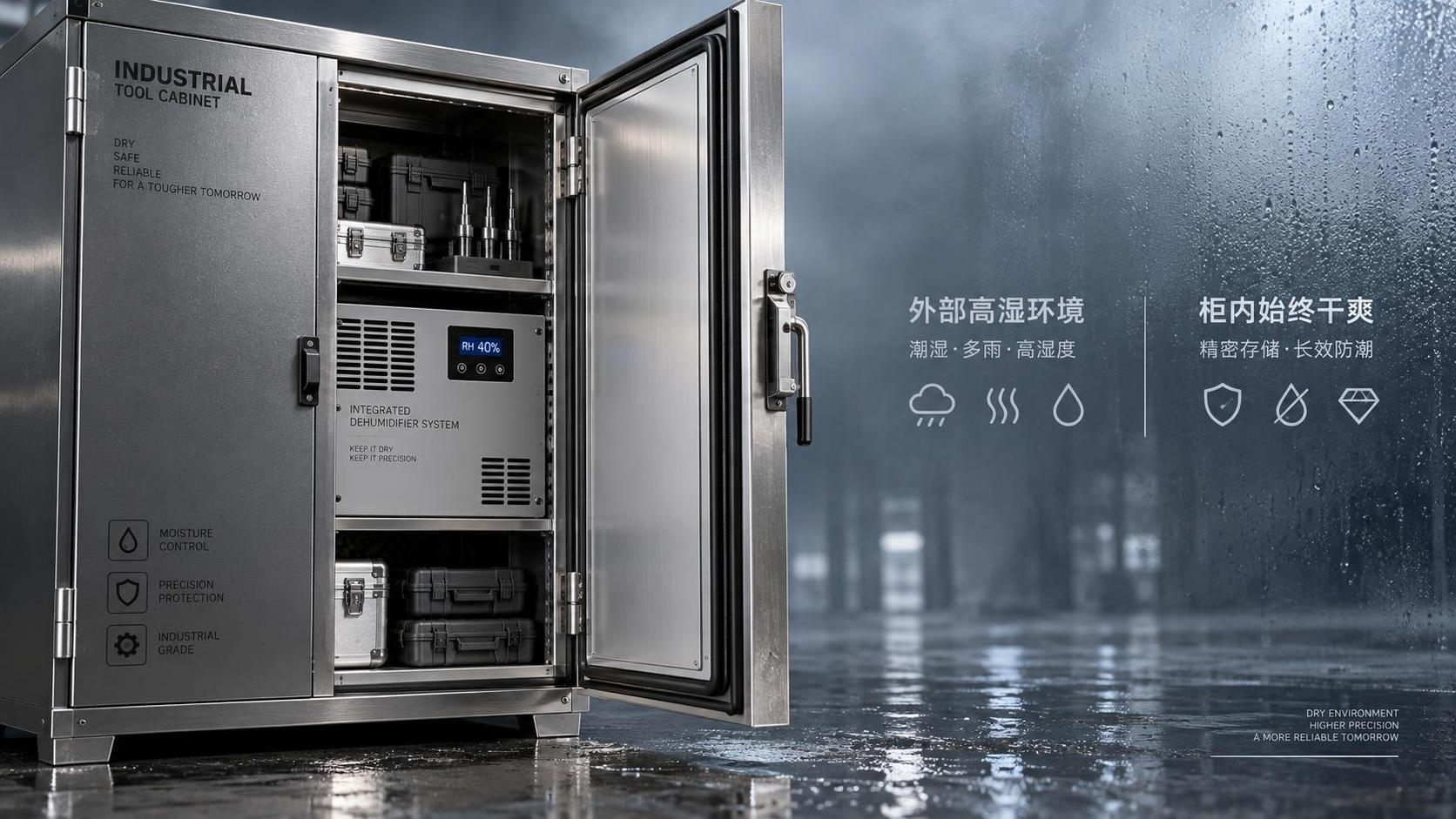
Heavy duty tool cabinets from single-source manufacturers better for global EPC projects when the buyer values lifecycle cost over initial purchase price. A cabinet that survives transport, humidity, vibration, and heavy daily use can easily outperform a lower-cost alternative that fails early. This is especially relevant in electrical maintenance environments, where damaged storage can mean lost tools, delayed inspections, or safety incidents.
Procurement teams also gain stronger leverage in specification control. Instead of comparing many local variations, they can define one technical standard and apply it across regions. That reduces confusion for site teams and simplifies audits.
The compliance issue is often bigger than the cabinet itself
Tool cabinets are not usually the most regulated item in an EPC package, but they still need to fit site safety rules, fire requirements, corrosion conditions, and electrical maintenance workflows. In international projects, buyers often discover that compliance is not only about the product certificate. It also includes material traceability, coating performance, packaging for export, and documentation quality.
A reliable single-source manufacturer is more likely to provide a complete documentation set for international shipping and project records. That may include product specifications, inspection reports, load test details, and export packing records. If the project operates in harsh coastal zones, desert areas, or high-humidity substations, surface protection and rust resistance become important decision points.
Still, buyers should be careful not to assume that “single source” automatically means “fully compliant.” The procurement team should verify whether the cabinet design matches the site environment and any local project requirements. If a supplier cannot clearly explain material grade, coating process, load ratings, or lock options, the sourcing model matters less than the supplier’s actual control over production.
Customization is useful, but only when it supports real field use
Many EPC buyers ask for customized cabinets because every site claims to be different. Some customization is justified. Electrical safety tools, insulated accessories, handheld test instruments, and PPE often need specific compartments, labels, or access control. Cabinets may also need to support mobile field teams rather than fixed workshops.
But over-customization can create new problems. A cabinet designed too specifically for one site may be harder to replicate, slower to replace, and more expensive to standardize across a global project portfolio. The best single-source manufacturers usually offer modular customization rather than one-off designs. That means the buyer can adjust shelving, drawer depth, locking type, color coding, or internal partitions without changing the entire structure.
This approach fits the reality of EPC work: projects are temporary, but operating standards must remain stable. The goal is not to design the most complicated cabinet. It is to create a storage system that helps workers find the right tool quickly and return it safely.
Where single-source supply can become a risk
A single-source setup is not automatically the best choice. The main risk is dependency. If one manufacturer cannot meet delivery schedules, maintain quality, or support overseas service, the buyer has limited fallback options.
This risk becomes more visible in large EPC programs with compressed timelines. Delays in one batch of cabinets can affect tool distribution, commissioning readiness, or maintenance handover. It is also a concern when the project spans several countries with different import rules and transport constraints.
There are a few warning signs:
- The supplier cannot prove stable output capacity
- Samples differ noticeably from bulk production
- Packaging is not suitable for long-distance export
- Spare parts or accessories are hard to confirm in advance
- After-sales communication depends on a single salesperson rather than a support process
For global EPC projects, these issues can matter more than the product category itself. A cabinet is only useful if it arrives intact, performs as specified, and can be maintained when damage occurs.
How procurement teams should evaluate a single-source manufacturer
The right question is not whether single-source is always better. It is whether the manufacturer can reduce total project risk. A practical evaluation should go beyond catalog photos and price lists.
Procurement teams should check:
- Whether the manufacturer controls design, fabrication, coating, and final inspection in-house
- Whether repeated orders will match the approved sample
- Whether the cabinet structure suits the actual load and usage pattern
- Whether export packaging is designed for ocean freight and warehouse handling
- Whether the supplier can support spare parts, labeling, and accessory replacement
- Whether the supplier has experience serving international EPC or utility clients
For safety-related storage products, traceability is often underrated. A supplier with disciplined quality control is easier to work with when the project needs documentation, re-orders, or urgent corrections. This is one reason large contractors often prefer manufacturers with integrated production systems rather than trading-only channels.
Why after-sales support matters more in cross-border projects
When tool cabinets are used in one domestic location, support can often be handled locally. In a global EPC project, the situation is different. Cabinets may be installed across multiple sites, managed by different subcontractors, and exposed to different climates. If something goes wrong, the buyer needs a clear response path.
After-sales support is not only about warranty claims. It includes technical clarification, replacement components, packaging improvements, and communication speed. A manufacturer that understands international project workflows usually offers better continuity than a supplier focused only on one-time shipments.
This is especially relevant for heavy duty tool cabinets from single-source manufacturers better suited to repeat deployment. Once a cabinet type proves workable on one site, EPC teams often want the same standard copied to other sites. That only works smoothly if the manufacturer can maintain consistency over time.
What global EPC teams often underestimate
Many procurement decisions focus on visible features like thickness, size, or appearance. In real project environments, the less visible factors often decide success:
- How well the cabinet holds up during international transport
- Whether the finish resists corrosion in the actual site climate
- Whether locks and hinges remain stable after repeated use
- Whether the internal structure supports organized tool return
- Whether the supplier can keep reorders consistent months later
These are not glamorous details, but they directly affect tool availability and safety discipline. In electrical work, a poorly managed cabinet can become part of the problem rather than part of the solution.
So, are they better?
For global EPC projects, single-source heavy duty tool cabinets are often better when the project requires standardization, repeat orders, export reliability, and accountable after-sales support. They are less suitable when the buyer only wants the lowest upfront price or when the supply risk is already concentrated in one vendor without backup planning.
The best decision depends on whether the supplier can deliver consistency across design, production, documentation, and service. If those capabilities are in place, single-source procurement can reduce complexity and improve field control. If not, it simply shifts risk into a narrower supply channel.
In that sense, the real advantage is not “single-source” by itself. The advantage is having one manufacturer responsible for a product that must work the same way in every project location, every time.
Recommend
 Oct 25, 2026
Homemade Bird Repellent Spray: Recipe Limits and Outdoor Surface Risks
Searching for how to make homemade bird repellent spray? Discover recipe limits, outdoor surface risks, electrical safety tips, and safer deterrents before you spray.
- Oct 25, 2026
Natural Bird Deterrents for Rooftops: Choosing Nonchemical Options
Learn how to repel birds naturally with humane rooftop barriers and smarter maintenance. Compare nonchemical options to protect electrical equipment and keep roof access clear.
- Oct 24, 2026
Home Remedies for Repelling Birds: What to Try on Patios and Railings
Learn how to repel birds with home remedies for cleaner patios and railings. Discover humane DIY options, avoid harmful sprays, and keep deterrents clear of electrical equipment.