English
 Español
 Português
 Français
 Deutsch
 русский
 한국어
한국어 にほんご
にほんご हिन्दी, हिंदी
 বাংলা
বাংলা Bahasa Indonesia
 Türkçe
 Việt
Việt dansk
dansk čeština
 עִבְרִית Ivrit
 Filipino/Pilipino
 български език (Bǎlgarski jazik)
 suomi
suomi norsk
norsk język polski
 ไทย
ไทย ກະຣຸນາ
 Bahasa Melayu
 ភាសាខ្មែរ
 ဗာရမ်
ဗာရမ် اردو
اردو فارسی
فارسی Italiano
 Nederlands
 svenska
 Монгол хэл
 नेपाली
 සිංහල
සිංහල Ўзбек тили
 پښتوتۆرکجه
 Ελληνικά
 српски / srpski
 magyar
 українська
 Kiswahili
 Қазақ тілі
 Română
 Hrvatski
 Bosanski
 Kreyòl ayisyen
 አማርኛ
አማርኛ Hausa
Hausa Yorùbá
 Igbo
IgboCan Non-Standard Field Conditions Void Equipment Warranty?
Can Non-Standard Field Conditions Void Equipment Warranty?
Can non-standard field conditions void the warranty on utility safety equipment? In many cases, yes—but not simply because a site is difficult, remote, or exposed. The real issue is whether the equipment was used, stored, installed, and maintained within the conditions defined by the manufacturer and any applicable standards.
That distinction matters in the power industry. Utility crews, EPC contractors, and maintenance teams rarely work in perfectly controlled environments. They deal with coastal corrosion, desert heat, high UV exposure, contaminated substations, wind farms with heavy moisture cycling, and industrial sites where dust, chemicals, and rough handling are part of daily operations. When a product fails, the warranty question often comes down to something more specific than “harsh field use.” It comes down to whether the field conditions were expected, declared, and technically compatible with the equipment.
A warranty is not the same as a performance promise under all conditions
Many buyers assume that if a product is sold into the utility sector, it should automatically be covered in all field situations. That is usually too broad. A warranty typically covers defects in materials or manufacturing under normal or specified service conditions. It does not automatically cover misuse, unauthorized modification, improper storage, installation outside stated limits, or exposure to environments the product was not designed to withstand.
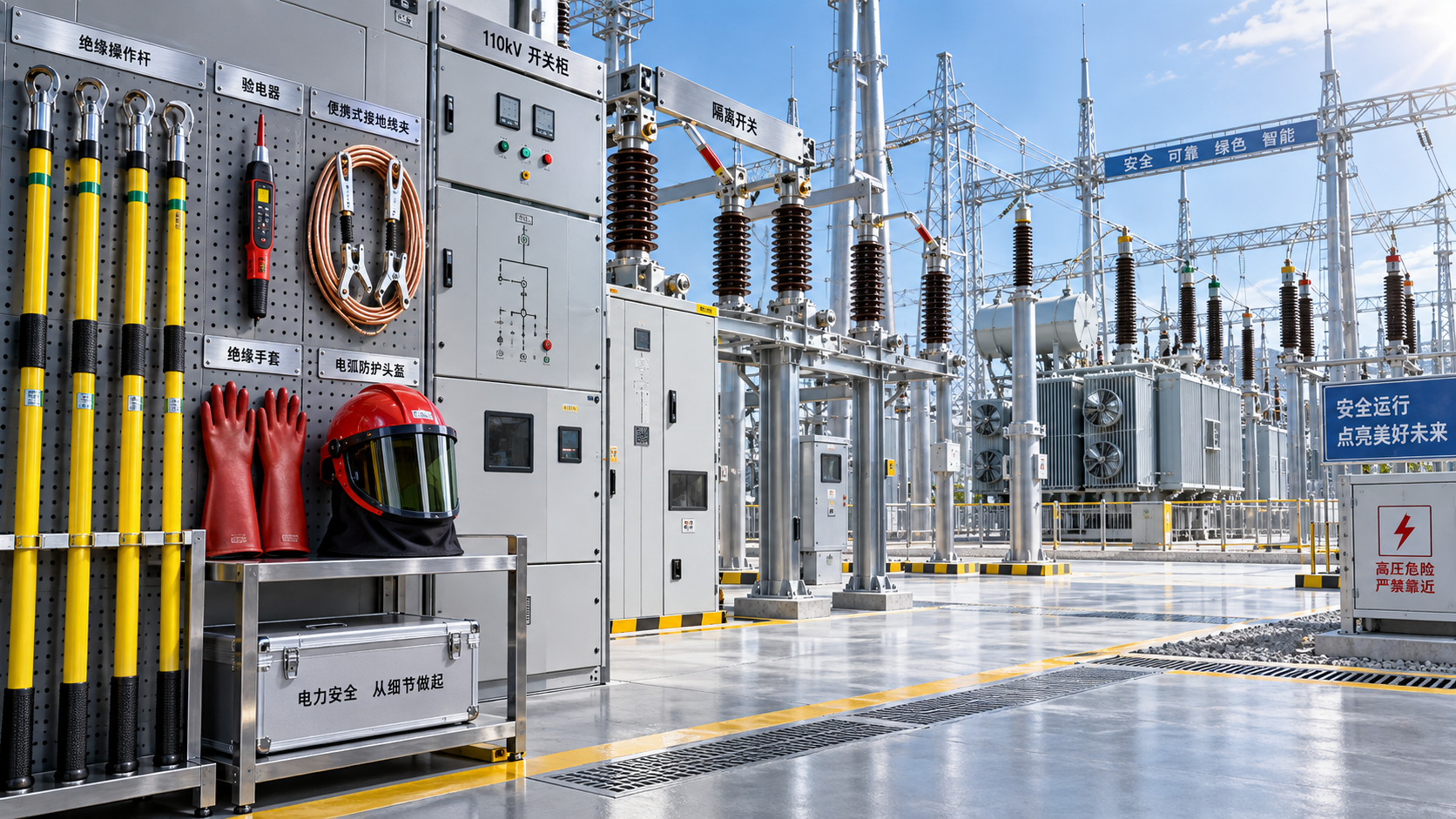
For utility safety equipment, this can include insulating tools, grounding equipment, hot line accessories, protective barriers, ladders, fiberglass products, or related electrical protective devices. These products may be robust, but they are still engineered around defined assumptions: voltage class, mechanical load, temperature range, humidity, contamination level, storage method, inspection interval, and handling practice.
So when people ask, “can non-standard field conditions void the warranty on utility safety equipment,” the most useful answer is: they can if those conditions push the product outside its intended service envelope, or if they prevent proper inspection and maintenance from being carried out.
What counts as a non-standard field condition?
This is where confusion starts. “Non-standard” does not always mean extreme. It usually means conditions not covered in the datasheet, operating manual, procurement specification, or relevant test standard. In practice, that may include:
- Continuous exposure to temperatures beyond the stated range
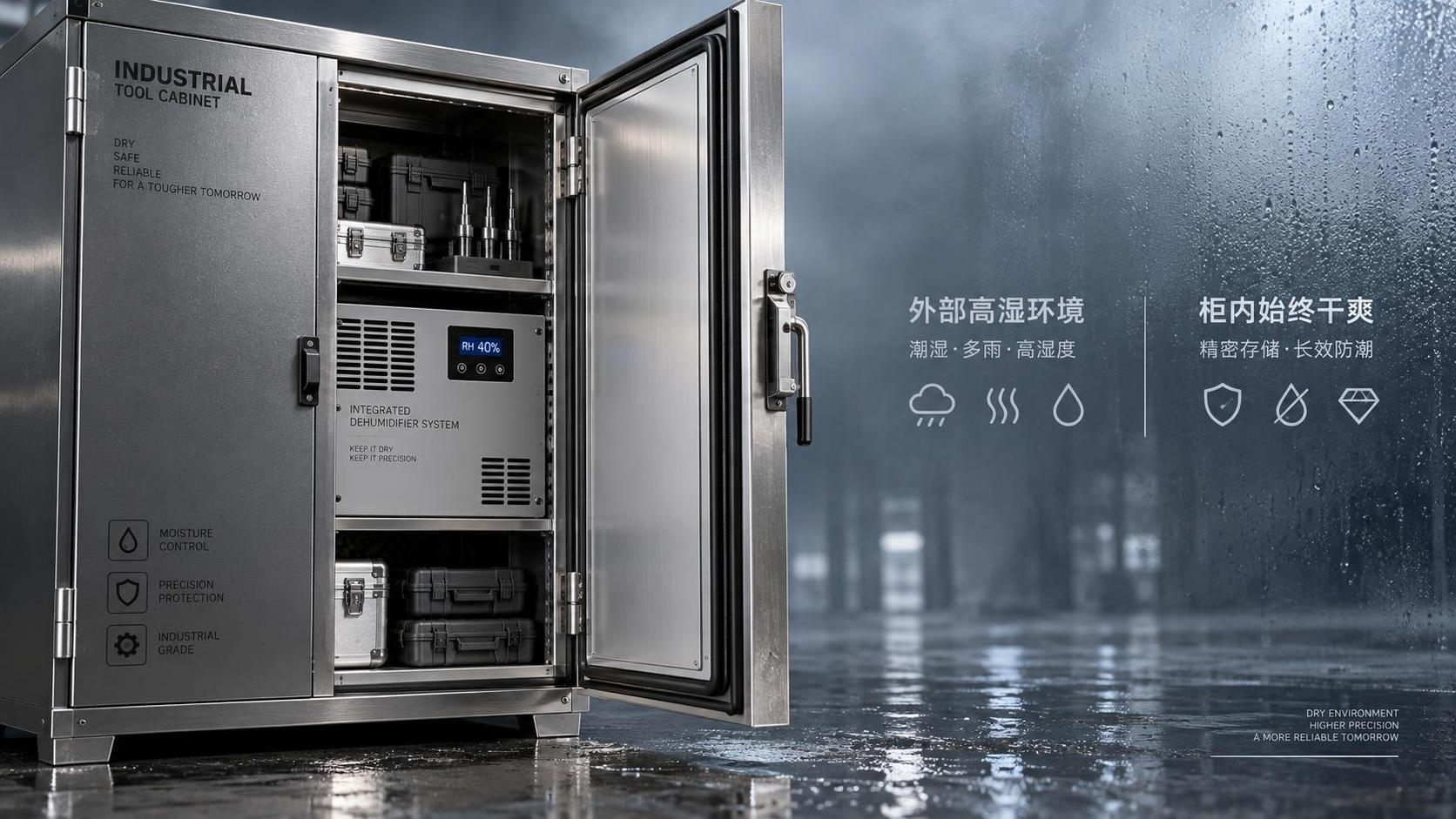
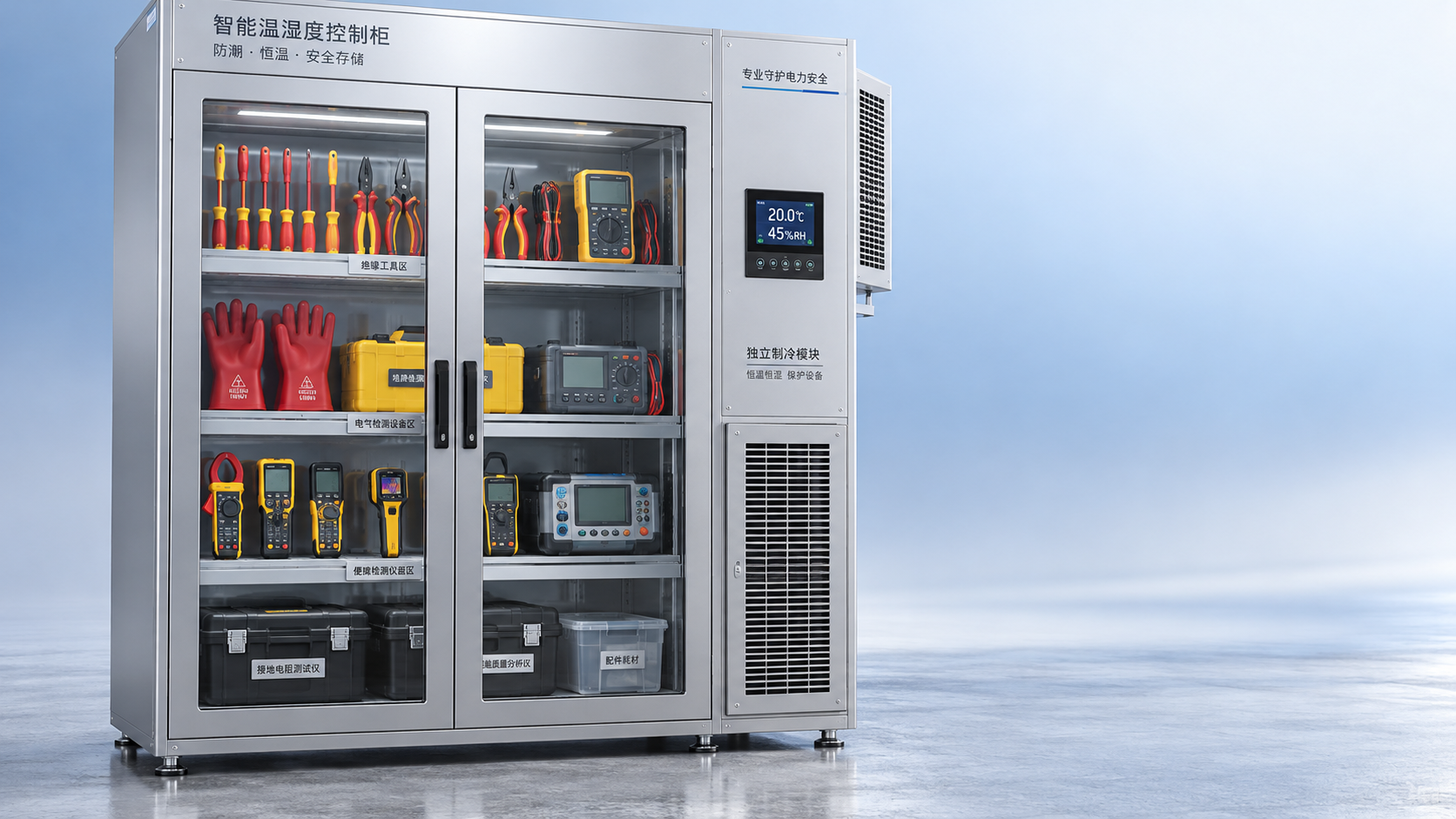
- Storage in damp containers, direct sunlight, or chemical-prone areas
- Use in salt spray or heavily polluted zones without suitable material selection
- Mechanical impacts during transport that exceed normal handling assumptions
- Contact with oils, solvents, acids, or industrial contaminants
- Modifications made in the field, including drilling, cutting, repainting, or replacing components with non-approved parts
- Application at voltage, load, or duty cycles beyond rated values
Not all of these automatically void warranty coverage. Some may still be acceptable if the manufacturer has confirmed suitability in writing or if the equipment was specifically selected for that environment. The problem is usually not the environment alone; it is the mismatch between the environment and the original specification.
Why utility safety equipment is especially sensitive to this issue
Electrical protective equipment sits in a stricter category than general industrial hardware. If a hand tool rusts early, it is a cost issue. If an insulating platform, discharge rod, grounding set, or protective barrier degrades unexpectedly, it may become a safety issue before it becomes a warranty issue.
That is why manufacturers often define service limitations carefully. Materials such as fiberglass, insulating foams, elastomers, polymers, and conductive assemblies can all react differently to UV, moisture ingress, surface contamination, or repeated thermal cycling. Even when a product passes factory testing, its field life depends on how closely real conditions match the intended design basis.
Experienced suppliers in this segment usually spend more time on application review than buyers expect. Hebei Jinneng Power Technology Co., Ltd., founded in 2009, has focused for years on electrical protective tools for substations, utilities, renewable energy projects, and industrial maintenance. In this kind of manufacturing environment, warranty questions are rarely handled as a sales afterthought. They are tied back to design assumptions, quality control records, field conditions, and whether the original selection was technically appropriate.
The field situations that trigger disputes most often
Some of the most common disputes do not come from obvious abuse. They come from grey zones.
A contractor may install safety equipment outdoors because the project schedule leaves no indoor storage option. A distributor may keep stock in a warehouse that is technically covered but poorly ventilated. A utility crew may clean equipment with a chemical agent that is routine on site but incompatible with the product’s surface. None of these decisions may look dramatic in isolation. Over time, however, they can alter insulating performance, surface integrity, or mechanical stability.
The other common trigger is incomplete project disclosure at the purchasing stage. If the equipment will be used offshore, in desert solar sites, in high-altitude substations, or in corrosive industrial corridors, that information needs to be part of the specification process. If the supplier is only told the voltage level and quantity, but not the exposure conditions, there is a real risk that the delivered product meets the formal order while falling short of field reality.
How manufacturers usually assess whether warranty still applies
When a claim is reviewed, responsible manufacturers generally look at several layers of evidence rather than relying on one sentence in a warranty card. They may check:
- Original product specification and order documents
- Operating and storage records, if available
- Inspection and maintenance history
- Visible signs of contamination, impact, alteration, or improper repair
- Whether the product was used within rated electrical and mechanical limits
- Whether site conditions were disclosed or approved in advance
This is one reason integrated manufacturers tend to handle claims more consistently. When R&D, production, quality control, and service are connected, it is easier to trace whether a failure points to manufacturing deviation, material aging, transport damage, or environment-driven misuse. That internal linkage is not glamorous, but it matters more than marketing language when responsibility has to be determined.
A practical way to reduce warranty risk before purchase
The best time to protect warranty coverage is before the equipment is shipped. Buyers do not need legal complexity; they need technical clarity.
This kind of review does not slow procurement. In many cases, it prevents the more expensive problem of discovering after delivery that the equipment is technically sound but not protected under the intended use conditions.
What buyers often overlook in distributor channels
Warranty misunderstandings are not limited to direct factory sales. In distributor networks, product information can become simplified as it moves downstream. A catalog may highlight voltage class and dimensions but leave out storage restrictions, inspection intervals, or exposure exclusions. The buyer then assumes that “utility-grade” means universally suitable.
This is where long-term manufacturing discipline makes a difference. Companies that serve broad international markets—JINPOWER reports more than 40,000 customers across 100+ countries and regions—typically see wide variation in climate, operating practice, and project documentation quality. That kind of market exposure does not replace formal review, but it tends to sharpen the habit of asking the right pre-sale questions: Where will this be used? How will it be stored? What cleaning agents are on site? Is this a standard substation or an unusual environment?
A good warranty discussion is really an application discussion
The most productive buyers are usually the ones who stop treating warranty as a document to read after a failure. They treat it as part of technical selection. That is especially true for electrical safety equipment, where field conditions are rarely gentle and where the cost of a mismatch is larger than the price of the product alone.
If the site conditions are unusual, ask for written confirmation before purchase. If the project involves prolonged sun exposure, high contamination, high humidity, corrosive air, or transport stress over long distances, put those conditions into the RFQ or technical schedule. If local rules require specific tests or materials, align them before production starts. Those steps are far more effective than trying to argue later that the environment was “close enough” to normal service.
So, can non-standard field conditions void the warranty on utility safety equipment? They can, and sometimes they should—if the product was pushed beyond the conditions it was designed and approved for. But that outcome is not inevitable. When specification, disclosure, manufacturing, and field practice are aligned, warranty coverage becomes much clearer, and the equipment is more likely to perform safely over its intended life.
If there is one practical takeaway, it is this: do not ask only whether a product meets the electrical rating. Ask whether it matches the real site. In utility work, that is often the question that decides both performance and warranty.
Recommend
 Oct 25, 2026
Homemade Bird Repellent Spray: Recipe Limits and Outdoor Surface Risks
Searching for how to make homemade bird repellent spray? Discover recipe limits, outdoor surface risks, electrical safety tips, and safer deterrents before you spray.
- Oct 25, 2026
Natural Bird Deterrents for Rooftops: Choosing Nonchemical Options
Learn how to repel birds naturally with humane rooftop barriers and smarter maintenance. Compare nonchemical options to protect electrical equipment and keep roof access clear.
- Oct 24, 2026
Home Remedies for Repelling Birds: What to Try on Patios and Railings
Learn how to repel birds with home remedies for cleaner patios and railings. Discover humane DIY options, avoid harmful sprays, and keep deterrents clear of electrical equipment.