 English
 Español
 Português
 Français
 Deutsch
 русский
 한국어
한국어 にほんご
にほんご हिन्दी, हिंदी
 বাংলা
বাংলা Bahasa Indonesia
 Türkçe
 Việt
Việt dansk
dansk čeština
 עִבְרִית Ivrit
 Filipino/Pilipino
 български език (Bǎlgarski jazik)
 suomi
suomi norsk
norsk język polski
 ไทย
ไทย ກະຣຸນາ
 Bahasa Melayu
 ភាសាខ្មែរ
 ဗာရမ်
ဗာရမ် اردو
اردو فارسی
فارسی Italiano
 Nederlands
 svenska
 Монгол хэл
 नेपाली
 සිංහල
සිංහල Ўзбек тили
 پښتوتۆرکجه
 Ελληνικά
 српски / srpski
 magyar
 українська
 Kiswahili
 Қазақ тілі
 Română
 Hrvatski
 Bosanski
 Kreyòl ayisyen
 አማርኛ
አማርኛ Hausa
Hausa Yorùbá
 Igbo
IgboCustom Safety Tool Cabinet Design: Which Features Matter for Daily Operations?
In busy power facilities and industrial maintenance sites, a custom safety tool cabinet is more than a place to put equipment at the end of a shift. It shapes how quickly operators can respond, how reliably tools stay in good condition, and how easily teams maintain safe habits under pressure. When insulated gloves, grounding devices, rescue equipment, and testing tools are scattered, mislabeled, or difficult to reach, small delays can turn into bigger risks. For daily operations, cabinet design matters in practical, visible ways.
That is why choosing a cabinet should not start with color, door style, or a general idea of “more storage.” Operators usually care about different things: whether the right tool is always in the right place, whether equipment can be checked without emptying half the cabinet, whether moisture or dust will shorten service life, and whether the layout actually matches the workflow at substations, switchgear rooms, line maintenance stations, or renewable energy sites.
A well-designed cabinet supports safer routines. A poorly designed one creates friction every day. If you are evaluating options, here are the features that make the biggest difference in real use.
Start with the daily task flow, not the cabinet dimensions
One of the most common selection mistakes is choosing a cabinet based only on available wall space or a standard catalog size. In electrical operations, storage has to reflect the sequence of work. Operators do not approach a cabinet like office staff opening a supply closet. They often need to collect protective gear, verify condition, remove items in a specific order, and return them after inspection or field use.
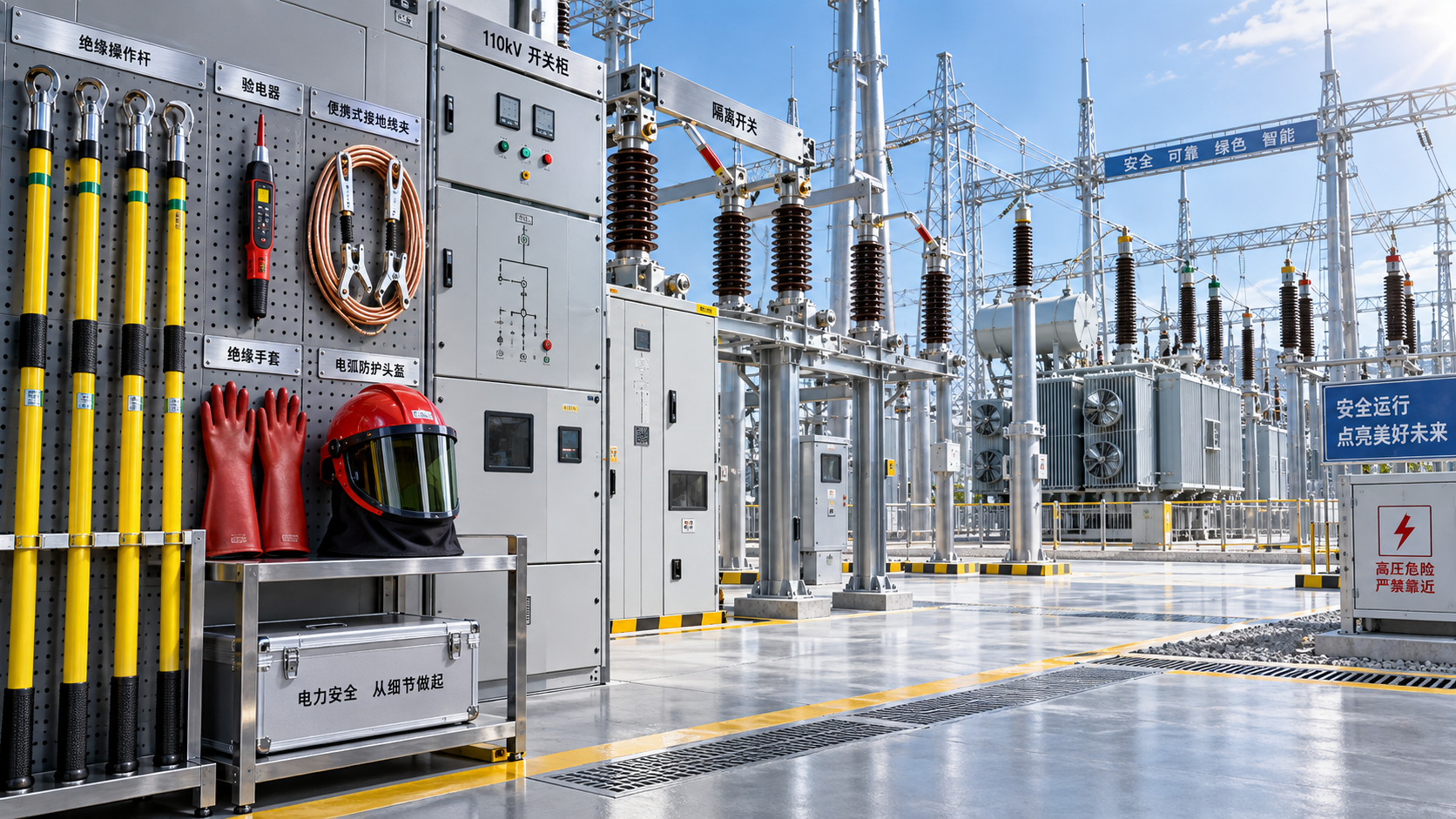
So the first question is simple: what tools need to move in and out every day, and in what order? A cabinet for a substation team may need separate zones for insulated rods, voltage detectors, grounding sets, gloves, boots, helmets, warning signs, and lockout devices. A maintenance crew working across multiple sites may need a different setup, with priority access for transport-ready items and fewer deep storage sections.
If the internal layout does not reflect actual tasks, even a large cabinet becomes inefficient. Operators end up stacking items together, bending tools into the wrong space, or leaving frequently used equipment outside the cabinet altogether.
Internal organization matters more than total capacity
Buyers often ask how much a cabinet can hold. A better question is how well it separates and protects different categories of safety equipment. In electrical environments, mixed storage is a problem. Soft protective equipment can be damaged by sharp metal accessories. Long insulated tools can warp or scrape when leaned against each other. Smaller testing devices disappear into oversized shelves and are harder to inspect before use.
Good cabinet design usually includes a combination of storage types rather than one open interior. Adjustable shelves are useful, but they are only part of the picture. Look for practical divisions such as:
- Vertical compartments for long insulated rods or operating sticks
- Dedicated hooks or holders for grounding assemblies
- Shallow trays or drawers for testers, locks, tags, and smaller accessories
- Separated sections for gloves, boots, and personal protective equipment
- Clearly marked areas for clean, inspected, and pending-check items
This kind of organization reduces tool damage and makes pre-job checks faster. It also helps new team members learn correct storage habits more quickly, which is not a small benefit in facilities where multiple shifts share the same equipment.
Visibility is a safety feature
Some cabinets look tidy when closed but create confusion once opened. In daily operations, visibility saves time and lowers the chance of skipped checks. Operators should be able to confirm whether a required item is present, whether it has been returned, and whether anything appears out of place without unpacking the cabinet.
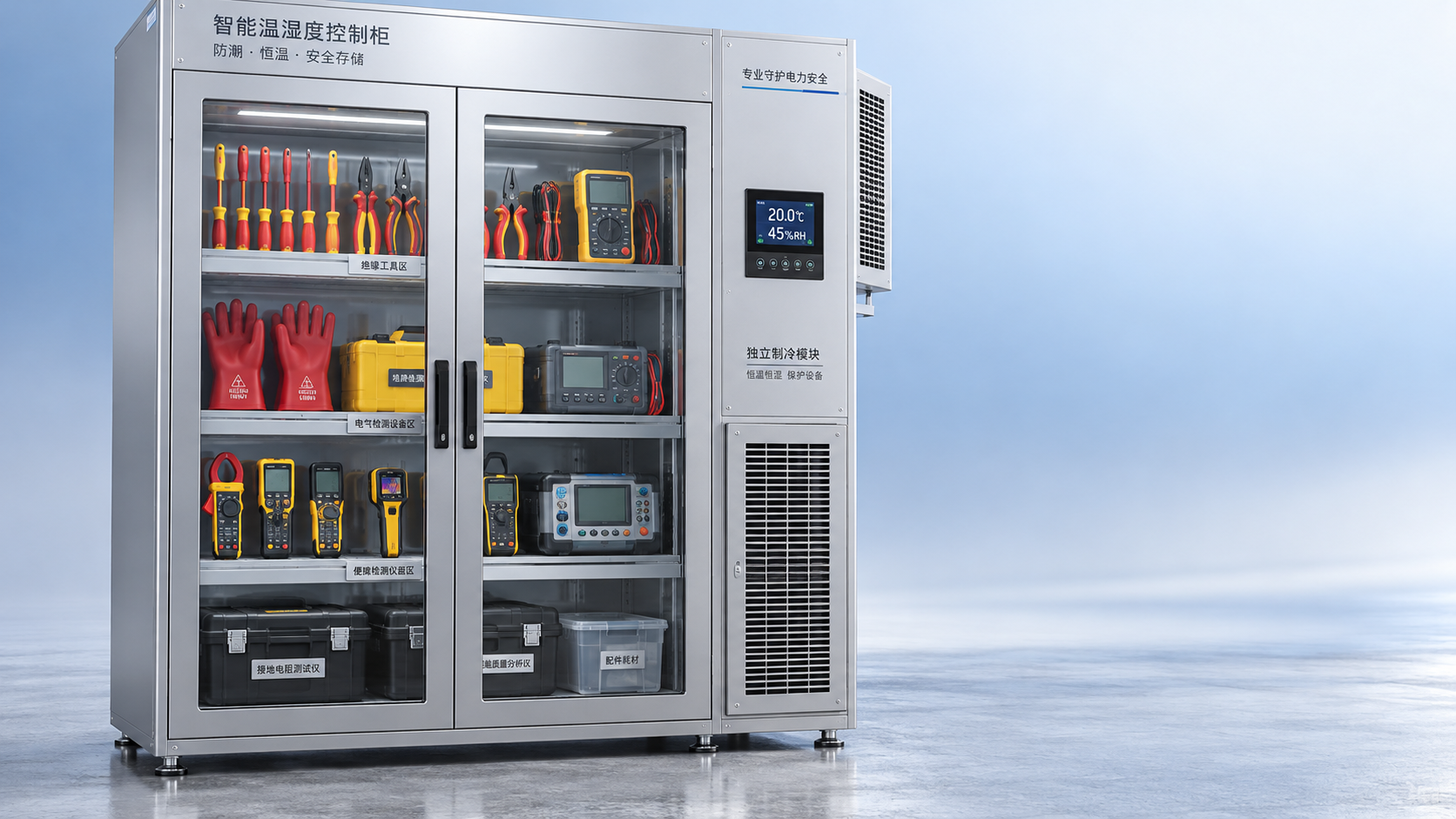
Transparent or partially visible storage zones, label systems, silhouette positioning, and logical grouping all help. This is especially useful when cabinets store critical items used during switching, isolation, grounding, or emergency response. If workers need to search manually through layers of equipment, retrieval becomes slower and more stressful at exactly the wrong moment.
A cabinet that supports visual management also improves accountability. Missing items are noticed earlier. Inspection routines become easier to enforce. Teams are less likely to borrow tools from one location and forget to return them.
Environmental protection should match field conditions
Electrical safety equipment is often used in harsh conditions, and storage must reflect that reality. Dust, humidity, temperature swings, and accidental water exposure all affect tool condition over time. That is why material choice and cabinet sealing deserve more attention than many buyers give them.
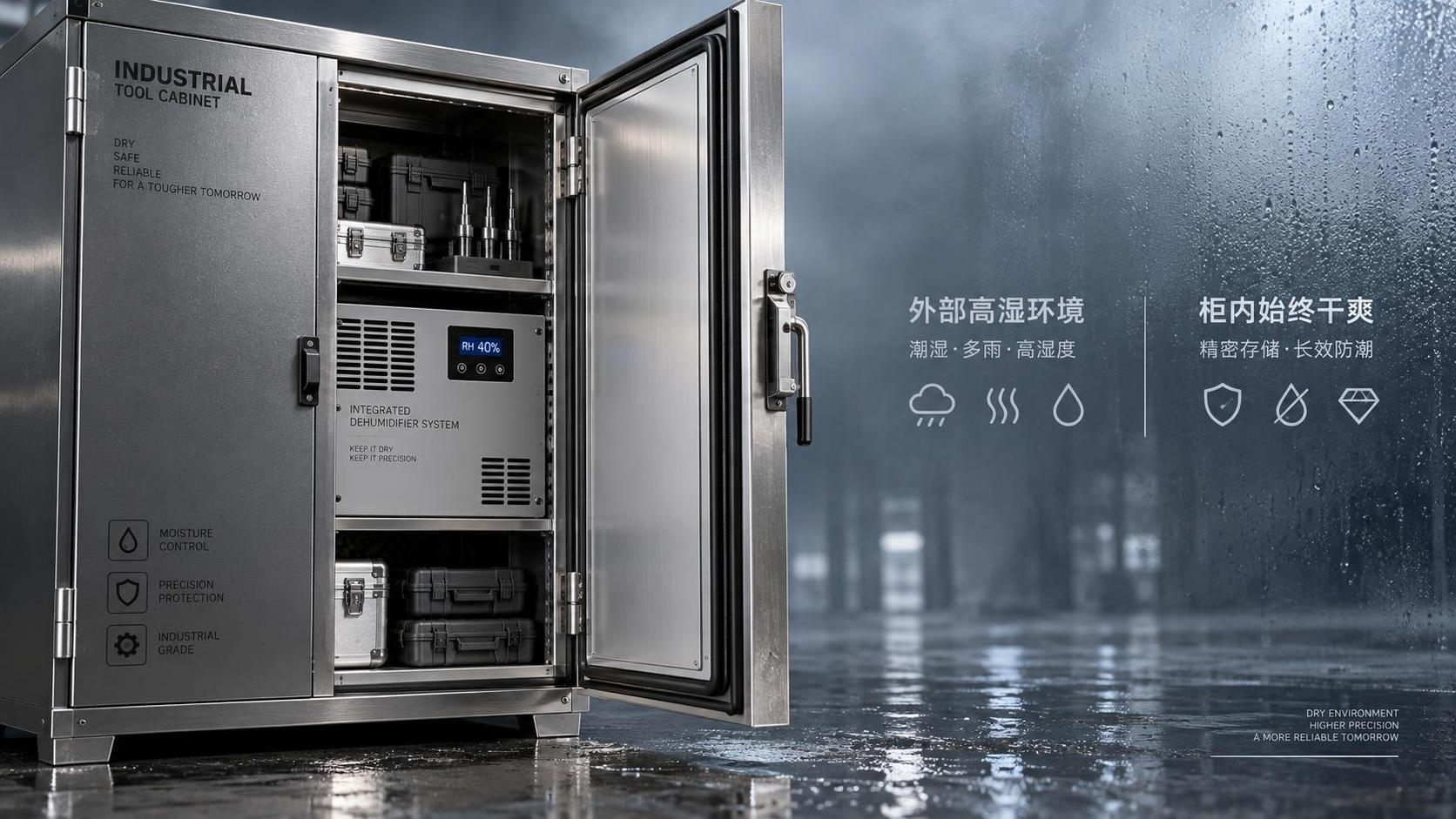
For indoor substations and maintenance rooms, corrosion resistance and cleanable surfaces are usually essential. For semi-open environments or facilities near coastal, humid, or dusty regions, stronger moisture protection becomes more important. Ventilation may also be necessary, especially for items that must be stored dry after cleaning or field use.
The best choice depends on the tools being stored. Insulating equipment, in particular, benefits from a controlled storage environment that reduces contamination and unnecessary wear. A cabinet that looks robust from the outside is not enough if the inside allows moisture buildup, poor airflow, or repeated abrasion between tools.
Weight-bearing strength is not only about shelves
Electrical safety cabinets often store more than lightweight PPE. Grounding sets, clamps, metal fittings, rescue devices, and line maintenance accessories can add significant load. Shelves that sag, holders that loosen, or door frames that deform under repeated use create both inconvenience and risk.
Check whether the cabinet structure is designed for the real weight of your tool mix. Reinforced shelving, durable hanging systems, and stable door hardware matter in day-to-day use far more than decorative finishes. This becomes especially important when storing temporary grounding equipment for line or substation work. Such assemblies need secure support because they combine cable weight, metal clamps, and repeated handling.
For example, teams that routinely use temporary grounding protection may benefit from cabinet sections designed to store grounding sets without tangling or crushing the conductors. Where applications involve power transmission lines, distribution networks, or switchgear maintenance, operators often need quick access to properly arranged grounding devices that can be installed and removed efficiently in the field. In that context, products such as Protable grounding and short-circuit are easier to manage when the cabinet includes dedicated hanging or separation points for cables, clamps, and related accessories.
Custom sizing should solve access problems, not create them
Custom design is valuable, but “custom” should mean operationally smarter, not simply larger or more complex. In many facilities, the real challenge is access width, corridor clearance, door swing, or the operator’s ability to reach upper and lower storage zones safely. A cabinet can have the right capacity and still be awkward in use if workers must crouch too low, reach too high, or open doors into busy walkways.
Think about the physical interaction. Can the cabinet be opened fully in the installation area? Can long tools be removed without hitting adjacent equipment? Is the most frequently used gear stored between knee and shoulder height? These details affect daily comfort and efficiency more than buyers sometimes expect.
Custom dimensions should also consider future changes. If a site is likely to expand its maintenance inventory, install new switchgear, or add renewable energy interfaces, some reserve capacity is practical. Too much empty space, however, often leads to disorganized storage. The goal is balance.
Locking and access control should fit how your team actually works
Not every safety cabinet needs the same level of security. Some items require controlled access because they are critical, specialized, or linked to formal procedures. Other items need to be available quickly to qualified personnel during routine work. The right locking approach depends on your operating model.
In single-team environments, a simple but durable locking mechanism may be enough. In multi-shift operations or facilities with stricter control requirements, separate compartments, key management, or access records may be more useful. What matters is avoiding the two common extremes: cabinets that are so unsecured that tools go missing, and cabinets that are so cumbersome to open that workers start bypassing them.
Daily discipline improves when access control feels practical rather than punitive.
Inspection-friendly design saves time over the long term
Every operator knows that safety equipment cannot simply be stored and forgotten. It must be checked, cleaned, rotated, and in some cases tested according to internal procedures and applicable standards. A good custom safety tool cabinet makes those routines easier.
Features worth considering include removable bins, inspection tag holders, labeling areas, smooth surfaces that are easy to wipe down, and compartment layouts that allow each item to be viewed individually. Some teams also benefit from a cabinet map or storage diagram posted inside the door. That may sound basic, but in practice it reduces inconsistency between shifts.
When equipment includes components that must remain orderly and ready for immediate use, this becomes even more important. Temporary grounding sets, for instance, should not be piled carelessly. Devices built with high-conductivity copper conductors, durable insulation sheaths, and strong clamps—especially those designed in line with IEC 61230 expectations—deserve storage that preserves their condition and allows quick visual confirmation before field deployment.
Material and finish affect maintenance more than appearance
Cabinet material influences corrosion resistance, cleanability, service life, and even user confidence. In electrical facilities, surfaces should tolerate regular cleaning and resist scratches, rust, and deformation. Sharp edges, weak welds, and poorly finished interiors are more than cosmetic flaws; they can snag gloves, damage stored items, and make routine handling frustrating.
For buyers comparing options, this is where manufacturer experience matters. A company focused on electrical protective equipment typically understands that the cabinet is part of a broader safety system, not a standalone furniture item. Since 2009, Hebei Jinneng Power Technology Co., Ltd. has specialized in electrical safety equipment for the power industry, with long-term attention to field durability, product consistency, and the practical needs of substations, utilities, and industrial maintenance teams. That perspective is useful when cabinet design must align with the tools operators rely on every day.
Questions worth asking before you approve a cabinet design
If several options seem similar, ask the supplier or your internal team a few grounded questions:
- Which items are used most often, and are they stored in the easiest-to-reach zone?
- Can long tools, grounding sets, and PPE be stored separately without crowding?
- Will the cabinet protect equipment from the site’s actual dust and moisture conditions?
- Is the structure strong enough for heavier accessories and repeated daily handling?
- Can inspections be completed quickly without removing everything?
- Will labels, compartments, and access methods make sense to every shift?
- Does the design leave room for growth without encouraging disorder?
These questions usually reveal more than a product brochure. They help you judge whether a cabinet will support real work or simply occupy space.
The best cabinet is the one people use correctly every day
In selection meetings, it is easy to get drawn toward specifications in isolation. But operators live with the cabinet in a much more immediate way. They feel the difference when a door opens smoothly, when a grounding set comes out without tangling, when gloves are stored cleanly, and when missing equipment is obvious at a glance. They also feel the frustration when storage fights the task.
That is the practical standard to use. The right custom safety tool cabinet should reduce hesitation, protect equipment condition, support compliance, and make safe behavior easier to repeat. If a design improves the daily rhythm of preparation, retrieval, inspection, and return, it is not just good storage. It is part of the safety process itself.
Recommend
 Oct 25, 2026
Homemade Bird Repellent Spray: Recipe Limits and Outdoor Surface Risks
Searching for how to make homemade bird repellent spray? Discover recipe limits, outdoor surface risks, electrical safety tips, and safer deterrents before you spray.
- Oct 25, 2026
Natural Bird Deterrents for Rooftops: Choosing Nonchemical Options
Learn how to repel birds naturally with humane rooftop barriers and smarter maintenance. Compare nonchemical options to protect electrical equipment and keep roof access clear.
- Oct 24, 2026
Home Remedies for Repelling Birds: What to Try on Patios and Railings
Learn how to repel birds with home remedies for cleaner patios and railings. Discover humane DIY options, avoid harmful sprays, and keep deterrents clear of electrical equipment.