English
 Español
 Português
 Français
 Deutsch
 русский
 한국어
 にほんご
 हिन्दी, हिंदी
 বাংলা
 Bahasa Indonesia
 Türkçe
 Việt
 dansk
 čeština
 עִבְרִית Ivrit
 Filipino/Pilipino
 български език (Bǎlgarski jazik)
 suomi
 norsk
 język polski
 ไทย
 ກະຣຸນາ
 Bahasa Melayu
 ភាសាខ្មែរ
 ဗာရမ်
 اردو
 فارسی
 Italiano
 Nederlands
 svenska
 Монгол хэл
 नेपाली
 සිංහල
 Ўзбек тили
 پښتوتۆرکجه
 Ελληνικά
 српски / srpski
 magyar
 українська
 Kiswahili
 Қазақ тілі
 Română
 Hrvatski
 Bosanski
 Kreyòl ayisyen
 አማርኛ
 Hausa
 Yorùbá
 Igbo
How to Choose an Insulated Tool Cabinet for High-Voltage Maintenance Areas
An insulated tool cabinet in a high-voltage maintenance area should be chosen as part of a complete electrical-safety system, not as ordinary workshop storage. Capacity and corrosion resistance matter, but the more important questions are whether the cabinet preserves the condition of insulated tools, prevents accidental mixing with non-rated equipment, and fits the way technicians actually work around energized or recently de-energized equipment.
The same principle applies to floor protection. A cabinet may keep hot sticks, insulating gloves, voltage detectors, and rescue equipment organized, while insulated rubber mats define a safer standing area at the point of work. This is why maintenance supervisors often ask, how long can insulated rubber mats last before replacement is required? There is no responsible single-year answer. Mat life depends on storage, contamination, sunlight, mechanical wear, chemical exposure, electrical testing, and visible condition. A mat or cabinet should be replaced when its protective function can no longer be trusted, not merely because it has reached an assumed age.
Start with the maintenance task, not the cabinet size
High-voltage maintenance locations differ widely. A fixed indoor substation workshop has different requirements from a mobile maintenance bay, a wind-farm service container, or an outdoor switching area exposed to dust, rain, temperature changes, and ultraviolet light. Selecting a cabinet before defining the operating environment often leads to a unit that is large enough but unsuitable for safe tool control.
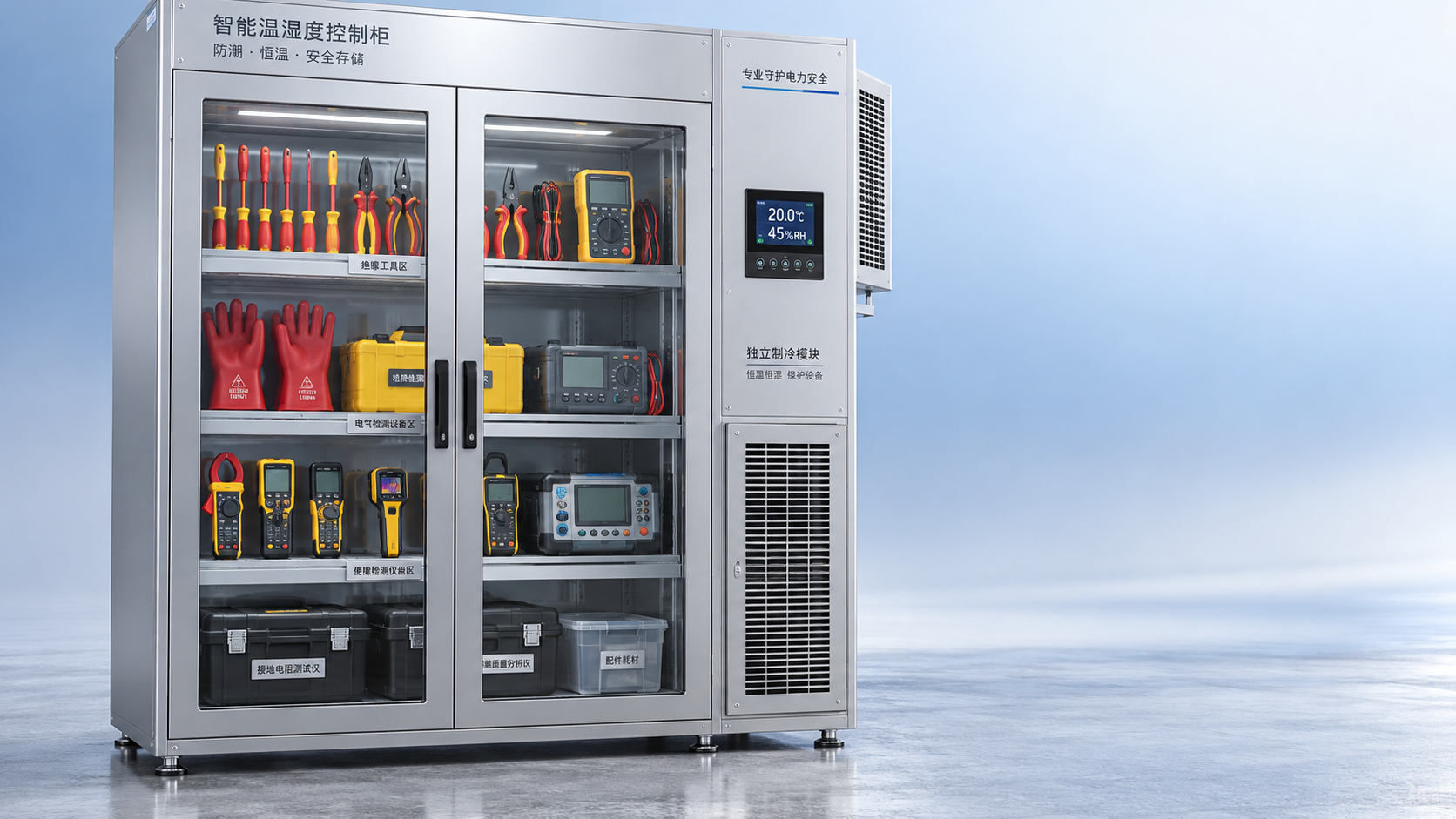
Begin by mapping what must be stored and how it is issued. Long insulating rods, grounding equipment, gloves, sleeves, face protection, voltage detectors, rescue hooks, and insulated hand tools should not simply be placed wherever there is open space. Some items need suspension or dedicated supports to prevent bending and compression. Others need closed drawers or labeled compartments so that damaged, untested, or non-electrical tools cannot be confused with ready-for-use protective equipment.
A useful cabinet should support three practical habits:
- Technicians can identify the correct item without searching through mixed equipment.
- Protective tools are protected from crushing, sharp edges, moisture, excessive heat, and avoidable contamination.
- Inspection status can be seen and controlled before equipment is taken into a work area.
If the cabinet cannot support these habits, adding more shelves does not solve the problem.
Compare insulated cabinets with ordinary industrial storage
Ordinary steel tool cabinets are designed for strength, load capacity, and organization. They can be appropriate for general mechanical tools, spare parts, and hardware. They are not automatically appropriate for electrical protective tools used in high-voltage environments.
The distinction is important: calling a cabinet “insulated” should not lead anyone to treat it as personal protective equipment or as protection against contact with live parts. The cabinet’s job is primarily to preserve equipment condition, reduce handling errors, and maintain disciplined storage. Protection from electrical exposure still depends on approved procedures, proper isolation where possible, correct personal protective equipment, correctly selected insulated tools, and suitable work-area controls.
What insulation should mean in a cabinet purchase
The term “insulated tool cabinet” is used differently by different suppliers. Sometimes it refers to an electrically non-conductive cabinet body or surface. Sometimes it means a metal cabinet with insulated internal supports, lining, or dedicated storage for live-line tools. Sometimes it is simply a cabinet used to store insulated tools. Procurement teams should separate these meanings before comparing quotations.
Ask what component is actually non-conductive, what it is intended to protect against, and under what conditions that protection remains valid. A cabinet that performs well in a dry indoor room may not offer the same practical benefit when its surfaces are dirty, wet, damaged, or exposed to conductive dust. Avoid treating a material description as proof that the complete cabinet is suitable for every high-voltage location.
For many indoor maintenance rooms, the best choice is not necessarily the most elaborate cabinet. It may be a robust, lockable storage unit with a clean interior, clearly separated zones, smooth supports that do not damage tool surfaces, and enough space to prevent crowding. In harsher settings, enclosure quality, weather resistance, corrosion resistance, sealing, drainage, and mounting stability become more important.
Match the cabinet configuration to the equipment inside
A cabinet should be specified from the inside out. List every item that will be stored, then choose the dimensions and layout around that inventory. This avoids a common mistake: purchasing a tall cabinet for long equipment but discovering that rods lean against each other, gloves are placed beneath heavy items, and inspection labels cannot be read.
Long insulating tools
Insulating poles, operating rods, rescue hooks, and similar long equipment need straight, supported storage. They should not be forced into a short compartment or allowed to rest against sharp metal edges. The cabinet should provide enough vertical or horizontal clearance for safe handling, with supports positioned to reduce bending and surface abrasion. If the equipment must be disassembled for storage, consider whether repeated assembly increases handling time or creates opportunities for missing components.
Gloves, sleeves, and soft protective equipment
Rubber insulating gloves and sleeves are vulnerable to creasing, puncture, oil, heat, and contamination. They should not share a drawer with blades, fasteners, abrasive tools, or loose metal components. Dedicated compartments are preferable, especially where multiple voltage classes or sizes are used. A transparent identification method or a simple compartment label can reduce the chance of selecting the wrong item during urgent work.
Test instruments and voltage detectors
Voltage detectors, meters, leads, and battery-powered devices need protection from impact and moisture, but they also need easy access for pre-use checks. Deep drawers packed with unrelated accessories encourage missed inspections. Shallow, divided drawers or individual protective cases are usually easier to manage. Keep manuals, test accessories, and replacement batteries organized without allowing them to obscure the equipment’s inspection identification.
Do not separate cabinet selection from the condition of mats and PPE
A well-designed cabinet cannot compensate for degraded floor insulation or damaged personal protective equipment. In a high-voltage maintenance area, storage and work-zone protection should be reviewed together. The cabinet controls what is brought to the task; rubber mats, barriers, and procedures help control the immediate work environment.
Insulated rubber mats are often treated as permanent floor covering, which is a mistake. Their condition changes with use. Repeated foot traffic, dragged equipment, sharp debris, oil, cleaning chemicals, moisture, heat, and sunlight can all affect the surface. Small cuts, cracks, permanent indentations, hardening, swelling, discoloration associated with damage, or contamination that cannot be removed deserve attention because they may affect both the physical and insulating performance of the mat.
So, how long can insulated rubber mats last before replacement is required? Replace them when inspection, testing practices, or visible condition show that they are no longer suitable for service. A lightly used mat stored in a clean, dry, protected location may remain serviceable much longer than one placed in an outdoor switching area or frequently exposed to oil and equipment traffic. Calendar age can be useful for inventory planning, but it should not replace condition assessment and the inspection interval established for the equipment and workplace.
The same approach should guide cabinet decisions. A cabinet in a clean control-room environment may need simple routine cleaning and periodic checks of doors, supports, locks, and labels. A cabinet at an exposed site needs more frequent attention to seals, hinges, corrosion, standing water, dust buildup, and internal humidity. When poor storage conditions repeatedly damage mats or rubber PPE, the root issue may be the storage environment rather than the equipment itself.
Choose the right access control
Open racks provide rapid access and make it easy to see whether equipment is missing. They work best in controlled indoor spaces where access is restricted and contamination is limited. Their weakness is exposure: dust settles on equipment, unauthorized handling is easier, and items may be returned to the wrong position.
Closed cabinets offer better protection and clearer control of who can access electrical safety tools. They are often the better choice where the maintenance area is shared with other trades, where dust or moisture is present, or where the equipment must remain ready for emergency use without becoming general workshop inventory. The tradeoff is that a closed cabinet can hide poor housekeeping. Internal labeling, assigned locations, and scheduled checks remain necessary.
Lockable cabinets are useful when tool control is part of the safety process, but the lock should not obstruct emergency access to equipment that must be available immediately. In those cases, the access arrangement needs to match the site’s emergency procedure rather than relying on a generic security feature.
Inspection visibility is a purchasing requirement
Electrical protective tools need a clear status system. A cabinet should make it easy to distinguish equipment that is in service, awaiting inspection, removed from service, or assigned to a specific team. This can be managed with labeled compartments, color-coded location markers, inspection tags, or a simple issue-and-return record. The method matters less than consistency.
Avoid storing rejected equipment beside ready-to-use items. A damaged voltage detector, expired inspection tag, contaminated glove, or suspect rubber mat should be physically separated until it is evaluated or disposed of according to site practice. A “temporary” shelf for questionable equipment often becomes a source of dangerous mix-ups when the cabinet is busy.
Before purchasing, check whether the cabinet layout leaves room for these categories. A cabinet filled to its maximum physical capacity may have no space for quarantine, inspection records, cleaning materials, or replacement stock. In safety storage, usable capacity is more valuable than nominal capacity.
Environmental details that change the decision
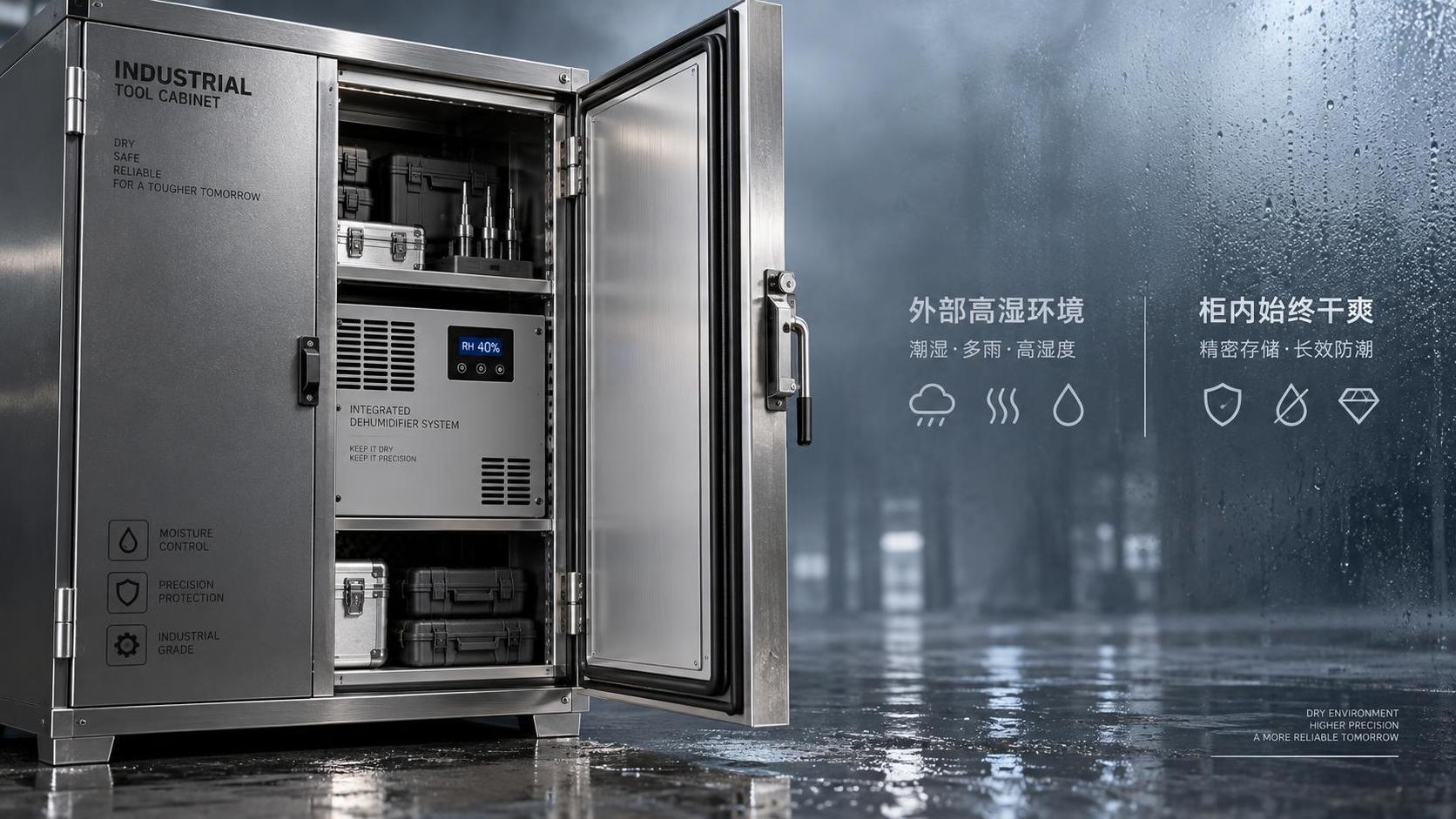
Temperature and humidity are not minor specifications. Condensation inside a cabinet can contaminate tools, corrode hardware, obscure labels, and encourage poor storage conditions. Where humidity is recurring, choose a cabinet arrangement that supports ventilation or appropriate environmental control while still protecting the contents from dust and direct water exposure.
Outdoor and semi-outdoor locations also need a realistic view of daily use. A cabinet that requires a technician to hold a heavy door open in wind, reach over a wet threshold, or place equipment on the ground during retrieval may create handling problems that do not appear on a product sheet. Door swing, base height, anchoring, drainage, internal lighting where appropriate, and clearance around the cabinet all influence whether equipment is returned properly after work.
Cleanability matters as well. Smooth, accessible surfaces allow routine removal of dust and contaminants. Complex internal structures may look organized initially but become difficult to inspect and clean. Choose specialized holders where they genuinely protect a tool; do not add fittings that make routine housekeeping impractical.
A practical comparison process before ordering
- Define the installation area. Identify whether the cabinet will be indoors, outdoors, mobile, exposed to moisture, or located near contaminants such as oil, dust, or chemicals.
- Create an equipment inventory. Include tool length, quantity, weight, storage orientation, access frequency, and whether each item requires separation from other equipment.
- Decide the safety-control layout. Reserve distinct areas for inspected tools, equipment awaiting inspection, rejected items, and emergency-use equipment.
- Compare actual construction details. Review door design, hinges, locking method, seals, supports, surface finish, edge protection, anchoring options, and ease of cleaning.
- Review the full work zone. Confirm that cabinet placement supports the use and inspection of insulating mats, PPE, barriers, and testing equipment without creating congestion.
- Plan ownership after installation. Assign responsibility for housekeeping, inventory control, cabinet inspection, and removal of questionable equipment.
For organizations sourcing cabinets alongside electrical protective equipment, a supplier with a focused understanding of substations, utility maintenance, renewable-energy sites, and industrial electrical work can help align storage with the wider safety system. JINPOWER, founded in 2009, develops electrical safety equipment for these types of field conditions. The useful discussion is not simply which cabinet model is available, but how the cabinet will protect the specific tools, mats, and protective equipment used at the site.
Frequently asked questions
Should insulated rubber mats be stored inside the tool cabinet?
Only if the cabinet has enough clean, dry space to store them without folding, crushing, contaminating, or mixing them with sharp tools. Large mats may require dedicated racks or storage positions rather than general cabinet drawers.
Can a metal cabinet be used for insulated tools?
Yes, provided its design and placement support safe storage and do not damage the equipment. A metal cabinet should not be assumed to provide electrical insulation merely because it stores insulated tools. Its role should be assessed within the site’s broader electrical-safety controls.
What is the most common cabinet-storage mistake?
Mixing ready-for-use electrical protective equipment with ordinary tools, spare parts, or items removed from service. This creates confusion at the point of use and increases the chance that damaged or unsuitable equipment is selected.
When should a cabinet layout be revised?
Revise it when equipment frequently ends up outside assigned locations, inspections are hard to verify, tools are being stacked or bent, contamination is recurring, or technicians repeatedly need to move unrelated items to retrieve what they need.
Recommend
 Oct 25, 2026
Homemade Bird Repellent Spray: Recipe Limits and Outdoor Surface Risks
Searching for how to make homemade bird repellent spray? Discover recipe limits, outdoor surface risks, electrical safety tips, and safer deterrents before you spray.
- Oct 25, 2026
Natural Bird Deterrents for Rooftops: Choosing Nonchemical Options
Learn how to repel birds naturally with humane rooftop barriers and smarter maintenance. Compare nonchemical options to protect electrical equipment and keep roof access clear.
- Oct 24, 2026
Home Remedies for Repelling Birds: What to Try on Patios and Railings
Learn how to repel birds with home remedies for cleaner patios and railings. Discover humane DIY options, avoid harmful sprays, and keep deterrents clear of electrical equipment.