English
 Español
 Português
 Français
 Deutsch
 русский
 한국어
 にほんご
 हिन्दी, हिंदी
 বাংলা
 Bahasa Indonesia
 Türkçe
 Việt
 dansk
 čeština
 עִבְרִית Ivrit
 Filipino/Pilipino
 български език (Bǎlgarski jazik)
 suomi
 norsk
 język polski
 ไทย
 ກະຣຸນາ
 Bahasa Melayu
 ភាសាខ្មែរ
 ဗာရမ်
 اردو
 فارسی
 Italiano
 Nederlands
 svenska
 Монгол хэл
 नेपाली
 සිංහල
 Ўзбек тили
 پښتوتۆرکجه
 Ελληνικά
 српски / srpski
 magyar
 українська
 Kiswahili
 Қазақ тілі
 Română
 Hrvatski
 Bosanski
 Kreyòl ayisyen
 አማርኛ
 Hausa
 Yorùbá
 Igbo
How to Integrate Electrical Safety Equipment Management Software
How to Integrate Electrical Safety Equipment Management Software
Integrating electrical safety equipment management software is not simply an IT project. In power operations, the software becomes part of the safety system that connects people, protective tools, inspections, storage locations, and work authorization. If those connections are incomplete, a digital platform may produce tidy records while crews still face the familiar field problem: the required equipment cannot be found, its inspection status is unclear, or it has been returned to the wrong location.
This matters wherever electrical risk is managed through specialized equipment: substations, transmission and distribution maintenance bases, renewable energy sites, industrial electrical rooms, and contractor depots. Insulating gloves, live-line tools, grounding equipment, voltage detectors, rescue devices, insulating ladders, safety signs, and protective clothing all have different inspection cycles, ownership rules, storage requirements, and handling risks. A spreadsheet may work for a small team. It becomes unreliable when equipment moves between multiple crews, storage rooms, vehicles, and work areas.
A well-integrated system gives supervisors a practical answer to several questions before work starts: What equipment is available? Is it within its required inspection period? Where is it stored? Who last checked it out? Does the assigned task require additional protective tools? The aim is not to replace competent safety judgment. It is to make the information needed for that judgment available before a crew reaches a high-risk location.
Begin with the physical workflow, not the software menu
Many implementation problems begin when an organization configures fields and dashboards before mapping how equipment actually moves. Electrical safety equipment does not remain in one place. It is received, inspected, labeled, placed in storage, issued to workers, transported, used, cleaned when applicable, checked again, repaired or quarantined, and eventually retired. Each handoff is a point where traceability can be lost.
Before selecting a platform or importing existing records, document the route for each major equipment category. A voltage detector may be assigned to a team vehicle. Insulated tools may be issued as a set for scheduled maintenance. Portable grounding equipment may be kept close to a designated work zone but require formal return and condition checks. Gloves and sleeves may need individual identification and controlled test records. These are different workflows and should not be forced into one generic asset status.
The most useful first step is usually a walk-through with the people who receive, issue, inspect, and use the equipment. Ask where delays occur, when records are usually completed, what causes equipment to go missing, and how a worker identifies an item that must not be used. The answers often reveal a gap between the official procedure and daily practice. Software should reduce that gap rather than create an additional administrative layer.
Build an equipment register that supports real decisions
The equipment register is the foundation of the system. Each record should carry enough information to identify the item, determine whether it may be issued, and locate it quickly. For individually controlled assets, this often includes a unique asset ID, equipment type, manufacturer or model information where needed, voltage class or intended application, acquisition date, current condition, inspection history, next inspection due date, assigned location, and responsible department or custodian.
Not everything needs the same level of granularity. A single uniquely tracked item is sensible for many test-dependent or high-value tools. Consumables and low-risk shared items may be managed by quantity and storage location instead. The right level depends on risk, replacement cost, applicable procedures, and whether individual traceability is required by the site’s safety management approach.
Avoid importing old data without review. Legacy lists commonly contain duplicate names, retired assets, inconsistent unit descriptions, and missing inspection dates. A clean migration may take longer, but it prevents the new platform from becoming a digital copy of an unreliable paper process. Where documents are incomplete, mark the status clearly for verification rather than assuming an item is compliant.
Use status definitions that crews can understand
A long list of system statuses rarely helps field personnel. Most teams need a clear operational distinction between equipment that is available for issue, already issued, awaiting inspection, under repair, quarantined, or retired. “Quarantined” deserves particular attention. It must mean that the item is physically separated or unmistakably identified so it cannot be returned to service by mistake.
Digital status alone is not a control. If a defective insulating tool remains on an open shelf, the software record will not prevent accidental use. The physical storage process must reinforce the system decision.
Connect inspection management to the work calendar
Inspection scheduling is often the most immediate benefit of electrical safety equipment management software. It can create reminders, show upcoming due dates, preserve inspection records, and prevent issuance of items that require attention. Yet reminders are only useful when there is enough time and capacity to act on them. An inspection due next week is not helpful if the equipment is currently deployed at a remote site and no replacement is available.
For this reason, inspection planning should be linked to maintenance schedules, outage windows, seasonal workload, and equipment availability. Grouping all inspections into a single month may appear efficient, but it can leave a department short of critical protective tools when demand is highest. A staggered approach is often easier to manage, provided it aligns with the applicable test intervals and local rules.
The software should also record more than a pass or fail result. Depending on the equipment and site procedure, a record may need the inspection date, inspector identity, result, observations, repair action, supporting document, and the next required action. Requirements vary by country, utility practice, product type, and applicable standards. The platform should accommodate those requirements without implying that a generic configuration meets every regulatory obligation.
Treat storage as part of the digital control system
Storage is frequently underestimated in asset-management projects. For electrical protective tools, it affects availability, protection from damage, housekeeping, inspection efficiency, and issue control. A location field such as “main warehouse” is usually too broad. Staff need to know the cabinet, room, rack, compartment, or vehicle position where an item should be found.
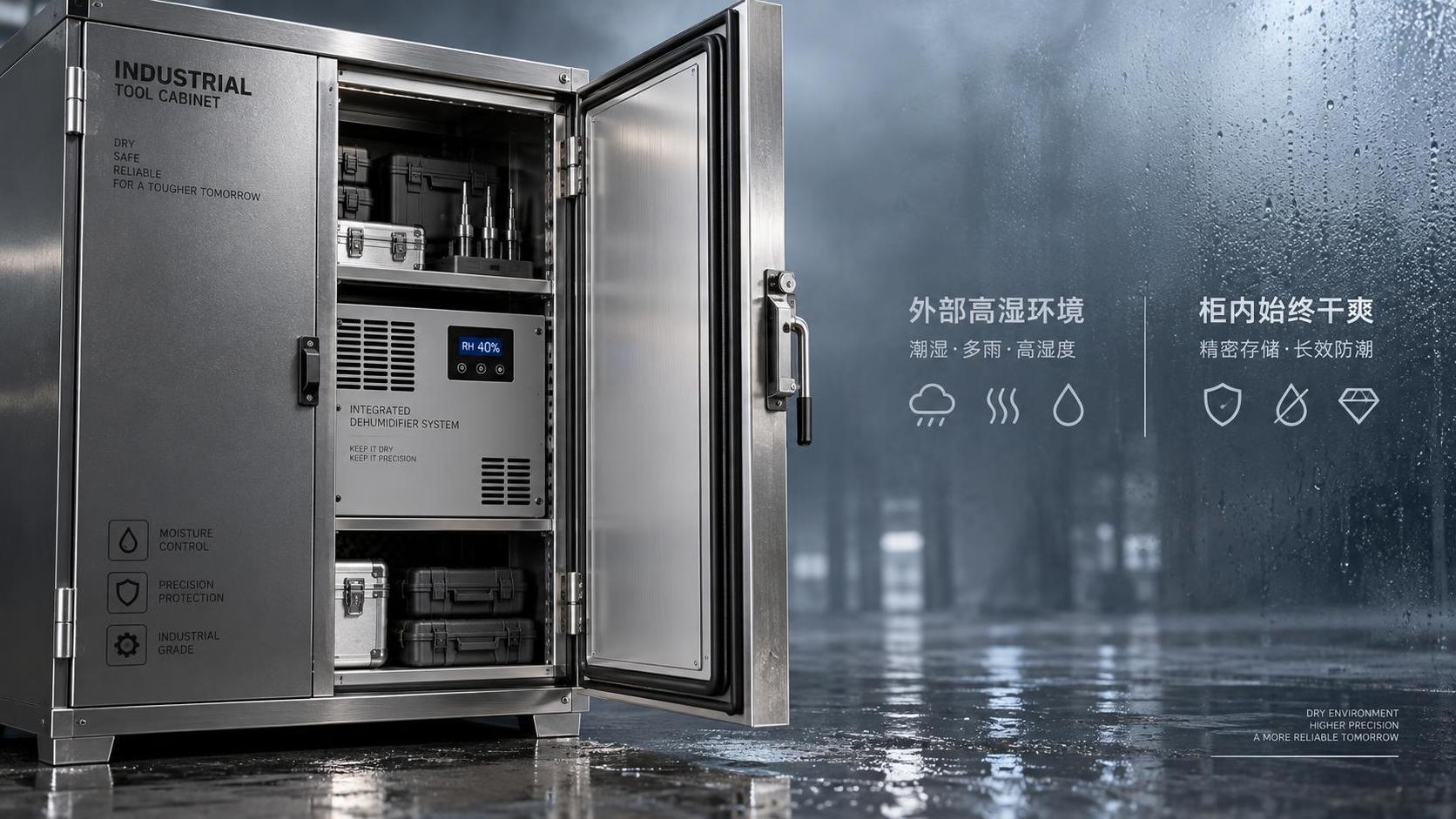
An insulated tool cabinet for high voltage maintenance areas can provide a controlled home for specialized equipment that must remain organized and protected near the point of work. When the cabinet location and compartment structure are reflected in the software, the result is more than neat storage. A technician can confirm what should be present before a task, and a supervisor can identify whether a required set has been returned.
The cabinet itself should not be treated as a passive accessory. Its design needs to suit the tools it holds, the available space, site environmental conditions, access control practices, and the specific operating environment. Consider whether drawers or compartments prevent tools from contacting one another, whether labels remain legible, whether the cabinet can be secured, and whether damaged or untested items can be isolated. For high-voltage maintenance areas, storage arrangements should also be assessed against site procedures and the relevant safety requirements rather than selected on appearance alone.
A simple location hierarchy can make this operationally useful:
Choose identification methods that survive field conditions
Barcodes, QR codes, RFID tags, and serial-number entry can all support asset tracking. The choice should be based on the equipment surface, expected wear, distance from the reader, local connectivity, and the speed required during issue and return. A label that scans perfectly in an office but peels away in a dusty, wet, or high-handling environment is not a reliable control.
For some tools, an identification method must not interfere with insulation, operating surfaces, or manufacturer instructions. This requires coordination between the safety team, equipment supplier, and software implementer. When there is uncertainty, follow the equipment documentation and site requirements instead of applying a tracking label wherever it is convenient.
Offline capability is worth evaluating for remote renewable energy sites, outdoor substations, and maintenance crews working where network access is inconsistent. A system that allows a transaction to be captured in the field and synchronized later may be more practical than one that depends on continuous connectivity.
Integrate with permits and procurement carefully
The strongest integrations connect equipment readiness with the activities that require the equipment. If a work order or permit process identifies a high-voltage maintenance task, the system can help the responsible person review the required protective equipment before release. This does not mean the software should automatically approve a task. Permit authorization remains a controlled safety decision. The value lies in making missing, overdue, or unavailable equipment visible early enough to correct the problem.
Procurement integration can be equally useful, especially for replacement planning. Repeated repairs, frequent losses, or recurring shortages may indicate that stock levels, storage design, or equipment selection need review. But purchasing data must be interpreted with care. Higher demand may reflect expanded maintenance activity rather than poor inventory control. Digital records should prompt investigation, not create automatic conclusions.
Pilot the process before attempting a full rollout
A pilot in one depot, workshop, or maintenance team is usually more valuable than a large, rushed deployment. Select an area with a meaningful mix of protective equipment and staff willing to report what does not work. Test the complete loop: labeling, issuing, mobile access, inspection reminders, quarantine, repair records, return to storage, and reporting.
During the pilot, measure practical friction rather than focusing only on dashboard completion. Are workers scanning items correctly? Can supervisors find equipment quickly? Are overdue items prevented from being issued in the intended process? Does the cabinet layout match the software location map? Which fields are never used, and which missing fields force users back to paper notes?
Training should be role-based. A storekeeper needs a different view from an inspector, field technician, safety manager, or procurement planner. One short presentation for everyone often produces weak adoption because it teaches features rather than decisions. Staff should understand what action is expected when an item is overdue, damaged, unavailable, or returned to the wrong location.
Keep equipment quality, storage, and data ownership connected
Software can only manage the information it receives. The physical quality of electrical safety equipment, the discipline of inspection, and the suitability of storage remain essential. Organizations should therefore involve equipment specialists early when defining categories, storage layouts, inspection records, and replacement criteria.
Hebei Jinneng Power Technology Co., Ltd., founded in 2009, has focused on the development and manufacture of electrical protective tools for more than 17 years. Its work across substations, utilities, renewable energy projects, and industrial maintenance reflects a practical reality: reliable protection depends on both the tool and the system around it. R&D, manufacturing, quality control, and customer service all influence whether equipment remains suitable for demanding field use over time.
For organizations managing equipment across several sites, this perspective is useful when evaluating an insulated tool cabinet for high voltage maintenance areas or any connected storage solution. Confirm the equipment dimensions, intended tool categories, environmental conditions, labeling approach, inspection requirements, and site-specific standards before defining the digital asset structure. A cabinet that is well built but poorly mapped in the system will not solve traceability problems; a sophisticated platform cannot compensate for unsuitable storage or uncertain tool condition.
The most effective integration is therefore a controlled sequence: clean the asset data, map the real workflow, define usable statuses, establish disciplined storage, connect inspection records to work planning, and test the process with the people who use it. When those elements agree, equipment management software becomes less about administration and more about helping crews begin critical electrical work with the right tools, in the right condition, where they are expected to be.
Recommend
 Oct 25, 2026
Homemade Bird Repellent Spray: Recipe Limits and Outdoor Surface Risks
Searching for how to make homemade bird repellent spray? Discover recipe limits, outdoor surface risks, electrical safety tips, and safer deterrents before you spray.
- Oct 25, 2026
Natural Bird Deterrents for Rooftops: Choosing Nonchemical Options
Learn how to repel birds naturally with humane rooftop barriers and smarter maintenance. Compare nonchemical options to protect electrical equipment and keep roof access clear.
- Oct 24, 2026
Home Remedies for Repelling Birds: What to Try on Patios and Railings
Learn how to repel birds with home remedies for cleaner patios and railings. Discover humane DIY options, avoid harmful sprays, and keep deterrents clear of electrical equipment.