English
 Español
 Português
 Français
 Deutsch
 русский
 한국어
 にほんご
 हिन्दी, हिंदी
 বাংলা
 Bahasa Indonesia
 Türkçe
 Việt
 dansk
 čeština
 עִבְרִית Ivrit
 Filipino/Pilipino
 български език (Bǎlgarski jazik)
 suomi
 norsk
 język polski
 ไทย
 ກະຣຸນາ
 Bahasa Melayu
 ភាសាខ្មែរ
 ဗာရမ်
 اردو
 فارسی
 Italiano
 Nederlands
 svenska
 Монгол хэл
 नेपाली
 සිංහල
 Ўзбек тили
 پښتوتۆرکجه
 Ελληνικά
 српски / srpski
 magyar
 українська
 Kiswahili
 Қазақ тілі
 Română
 Hrvatski
 Bosanski
 Kreyòl ayisyen
 አማርኛ
 Hausa
 Yorùbá
 Igbo
How to Select Safety Equipment for an HV Substation in a Power Plant
Start with the Work, Not the Catalogue
Safety equipment for a high-voltage substation should be selected from the hazards created by specific tasks, voltage classes, equipment layouts, and operating rules. A standard list of gloves, helmets, and warning signs may meet a purchasing checklist, yet still leave gaps during switching, isolation, testing, emergency response, or maintenance.
For power plant operators and contractors, the practical question is whether a worker can perform each assigned action while remaining outside the relevant electrical, arc-flash, mechanical, and environmental hazard boundaries. Equipment selection should therefore begin with a task-and-risk review, then translate those findings into compatible protective tools, personal protective equipment (PPE), inspection routines, and storage arrangements.
This approach also prevents a common purchasing error: selecting a tool only because its insulation rating appears higher than the system voltage. Electrical safety depends on the whole working method. A correctly rated insulating stick can still be unsuitable if its length does not preserve the required clearance, its fittings do not match the switchgear, it cannot be handled safely in the available space, or its test and maintenance status is unclear.
Map the Substation’s Real Exposure Points
An HV substation in a power plant is not a single risk environment. The control room, cable basement, transformer yard, GIS hall, outdoor switchyard, battery room, and relay protection area can require very different protective arrangements. The selection process becomes more reliable when the team maps the work that actually takes place in each location rather than treating the site as one uniform electrical area.
Typical activities to assess include:
- Switching disconnectors, circuit breakers, earthing switches, and isolators.
- Applying and removing portable grounding devices after isolation.
- Verifying absence of voltage before work begins.
- Routine inspections near energized busbars, terminations, transformers, and incoming lines.
- Testing, commissioning, fault investigation, and relay work.
- Emergency isolation, rescue, and first response after electrical incidents.
- Outdoor work under rain, wind, contamination, high heat, low temperature, or poor visibility.
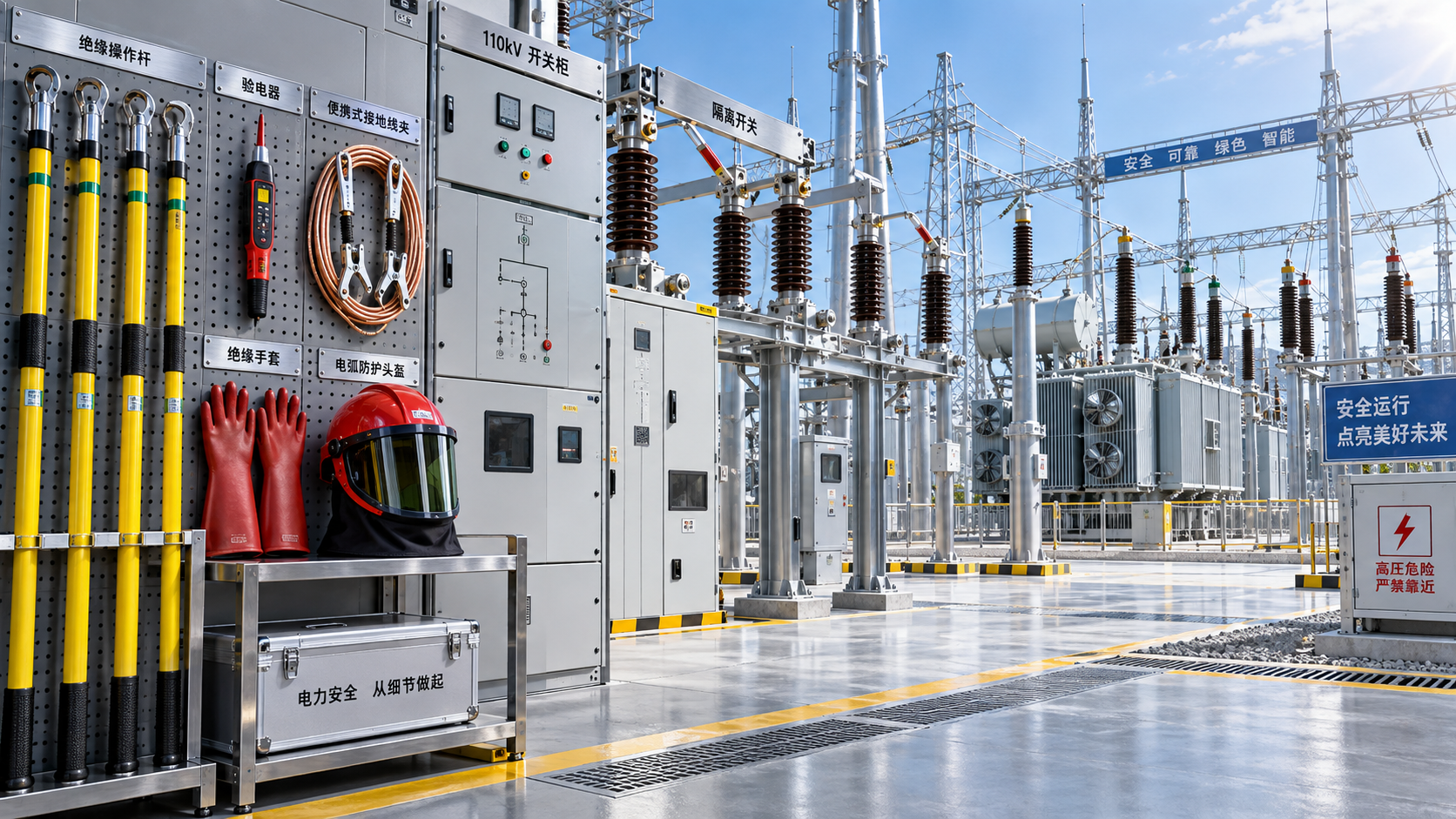
Each activity creates a different equipment requirement. A switching operator may need insulating operating rods, voltage detection equipment, insulating gloves, dielectric footwear, arc-rated PPE, and controlled access to the switching area. A maintenance crew preparing an isolated circuit may require grounding and short-circuiting equipment, lockout devices, warning barriers, insulating mats, and a method to verify that induced or backfeed voltage is not present.
The review should also distinguish between normal operations and infrequent tasks. Infrequent work often carries elevated risk because tools may have been stored for long periods, staff may use them less often, and site conditions may be less predictable. Rescue equipment is a clear example. It must be accessible, appropriate to the voltage environment, protected from deterioration, and familiar to the people expected to use it. Buying it once and storing it in an unsuitable location does not create a dependable emergency capability.
Build the Protection System Around Electrical Isolation
Personal protective equipment is important, but it should not be the first or only layer of protection. The strongest selection decisions support a controlled sequence: identify the circuit, isolate all relevant energy sources, prevent reconnection, verify absence of voltage, apply grounding where required by the work method, and establish the work area. Safety tools should make each stage visible and repeatable.
For high-voltage substations, a complete system commonly includes several categories of electrical protective equipment:
- Insulating operating tools: hot sticks, operating poles, discharge rods, clamp sticks, and associated fittings for remote operation or positioning.
- Voltage verification tools: devices suited to the relevant system configuration and voltage range, with clear procedures for proving their operation before and after use.
- Portable grounding equipment: earthing cables, clamps, grounding rods, and connection accessories selected for the prospective fault conditions and connection points.
- Insulating PPE: electrical insulating gloves, protective sleeves where needed, dielectric footwear, insulating mats, and suitable head and face protection.
- Arc-flash protection: garments, face shields or hoods, gloves, and other PPE selected from the facility’s arc-flash assessment and task exposure.
- Control and access equipment: lockout devices, safety signs, barriers, insulated ladders where appropriate, and equipment for defining restricted areas.
- Emergency equipment: rescue hooks or rods, first-aid provisions, fire response equipment appropriate to electrical areas, and communication arrangements.
The categories overlap, and that is intentional. An insulating glove does not replace an insulating tool. A grounding set does not replace voltage verification. A warning sign does not prevent someone from operating the wrong isolator. The purpose of the system is to reduce reliance on any single action being performed perfectly under pressure.
Voltage Rating Is Only One Part of Tool Suitability
For insulating tools and PPE, the rated electrical class is an essential starting point. It must be suitable for the maximum voltage that may be encountered in the intended use. However, rating alone does not establish field suitability.
Operating rods and hot sticks, for example, need adequate insulating length for the task and sufficient mechanical strength for the forces involved. Their head attachments must match the equipment being operated. A tool that technically fits a switch but requires the operator to stand in an exposed position, reach above shoulder height, or work from unstable ground creates a poor operating condition. Outdoor substations may also require consideration of wet contamination, salt, dust, ultraviolet exposure, and moisture ingress during storage.
Insulating gloves require equally careful selection. The glove class needs to match the voltage exposure, but the wearer also needs adequate dexterity to perform the job. Oversized gloves can reduce control when handling clamps, locks, test leads, or small operating components. Gloves should be used with suitable protective outer gloves where the application requires mechanical protection. The outer layer should not compromise the insulating glove through poor fit, damage, contamination, or unsuitable use.
Portable grounding equipment deserves particular scrutiny. It is often selected by cable size alone, while the more important questions are whether the assembly can withstand the fault duty expected at that location, whether the clamps make reliable contact with the designated points, and whether workers can install the set in the prescribed sequence. Grounding leads that are difficult to maneuver in confined bays or that use clamps incompatible with plant hardware can encourage unsafe improvisation.
Separate Shock Protection from Arc-Flash Protection
Electrical shock and arc flash are related hazards, but they are not addressed by the same equipment selection logic. Insulating PPE and insulated tools are intended to reduce exposure to electrical contact. Arc-rated clothing and face protection address thermal energy, pressure effects, molten material, and intense light associated with an arc event. One should not be treated as a substitute for the other.
Arc-flash PPE must be based on the incident energy or hazard assessment method used by the facility, the equipment condition, the task, and the working distance. This is especially important in switchgear operations, racking activities, testing, troubleshooting, and work where covers or barriers are removed. A generic arc-rated garment may be insufficient for a specific task, while excessively heavy PPE can reduce mobility, visibility, hearing, and heat tolerance. The selection needs to align with the documented work procedure rather than relying on a single site-wide clothing level for every electrical activity.
Face and eye protection should also be evaluated as part of the complete ensemble. Compatibility matters: a face shield, helmet, hearing protection, respirator, eyewear, and communication equipment may all need to be worn at the same time. If components interfere with one another, workers are more likely to alter the configuration in the field. Fit trials with representative users can reveal issues that product specifications alone will not show.
Ask for Evidence That Supports the Intended Use
In power plant safety equipment selection for HV substation work, product documentation should be examined as closely as the product itself. Procurement teams should be able to trace each item to its intended electrical class, applicable standard or test basis, manufacturing identification, inspection instructions, storage conditions, and periodic test requirements.
Standards differ by jurisdiction, utility practice, and product type. Rather than assuming one label covers all requirements, buyers should compare the supplier’s technical documents with the facility’s approved safety rules and local regulatory obligations. This is particularly important for equipment that has to work as an assembly, such as grounding sets, insulating rod systems, voltage detection arrangements, and arc-flash PPE ensembles.
A useful supplier review should address the following points:
- Is the item clearly identified by model, rating, serial or batch traceability, and intended application?
- Are electrical, mechanical, and material test records available where relevant?
- Do the supplied accessories match the site’s terminals, operating mechanisms, and storage arrangements?
- Are inspection intervals, cleaning methods, retirement criteria, and retest procedures defined?
- Can replacement components be supplied without mixing incompatible parts from unrelated systems?
- Will the supplier provide technical clarification when site drawings or operating conditions change?
The last point matters more than it may appear. A substation modification can change clearance arrangements, fault levels, connection points, or operating access. Equipment selected for an earlier configuration should not automatically be assumed suitable after upgrades, extensions, or changes to operating practice.
Storage, Inspection, and Testing Determine the Equipment’s Actual Value
Electrical protective equipment is often purchased as if performance is fixed at delivery. In service, condition control is part of the protection system. Insulating surfaces can be damaged by impact, moisture, ultraviolet exposure, chemical contamination, poor cleaning, or improper storage. Gloves can deteriorate through punctures, abrasion, folding, heat, and contact with oils. Grounding leads and clamps can suffer from corrosion, broken strands, damaged threads, or loss of contact pressure.
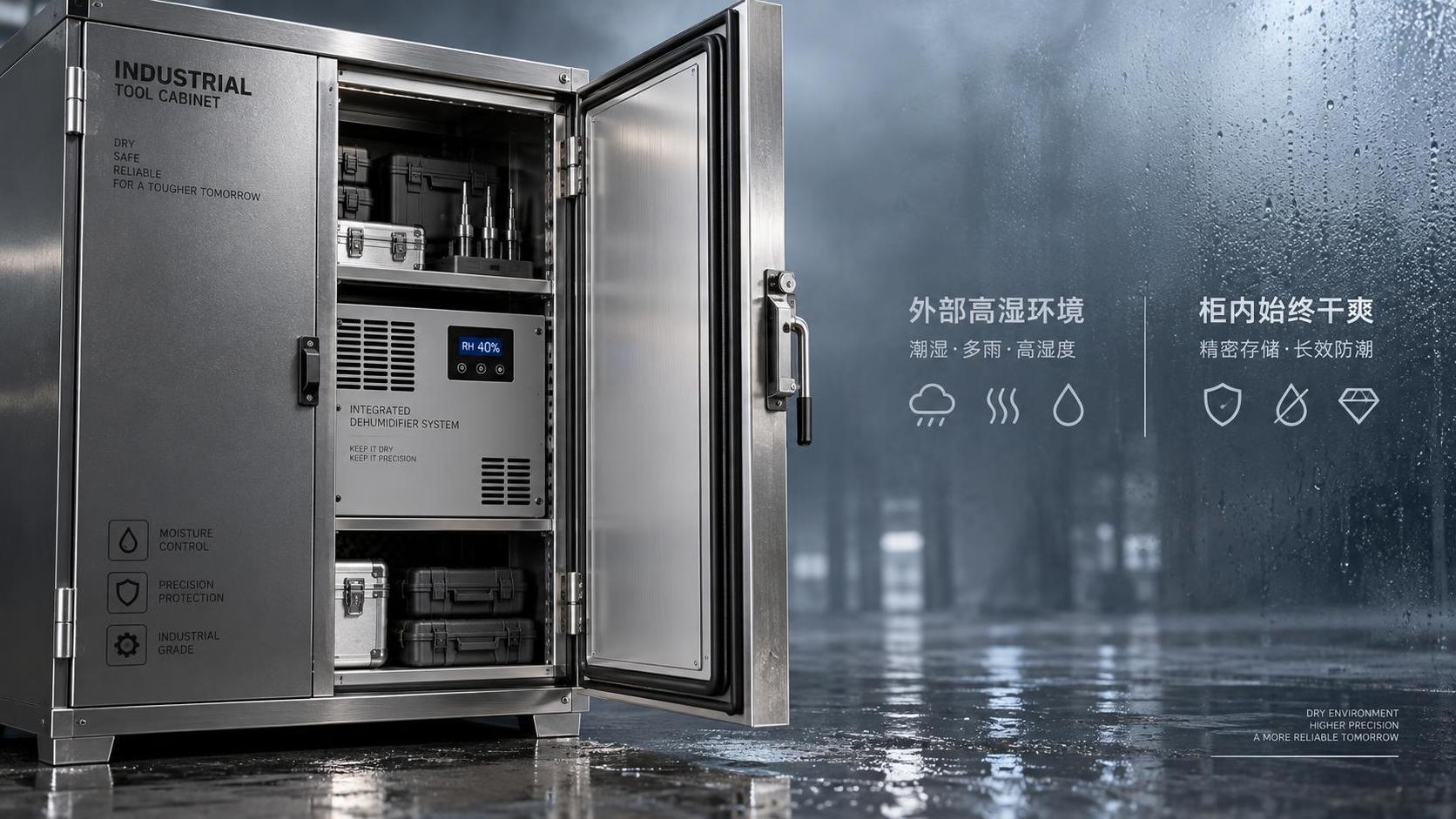
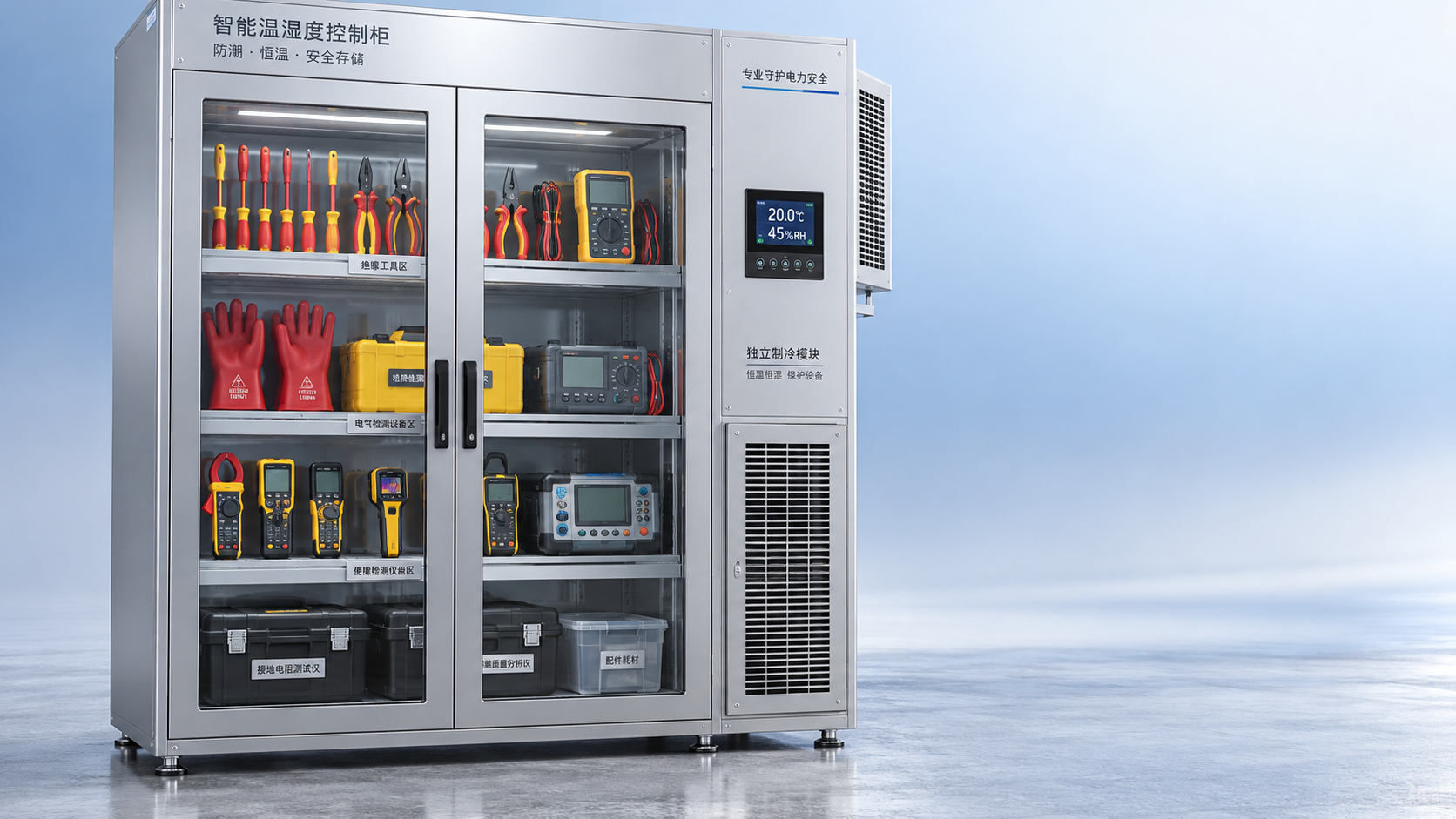
Before selecting equipment, the plant should confirm that it has a practical way to manage it. That includes dedicated storage racks or cabinets, protection against moisture and direct sunlight, clear identification, issue-and-return control, pre-use inspection routines, and a schedule for testing or replacement consistent with the applicable rules and manufacturer instructions.
Storage location affects readiness. Equipment positioned too far from the work area may be bypassed when time is limited. Equipment stored directly in a harsh yard environment may degrade faster. A balance is needed: accessible enough for immediate use, but protected enough to retain its rated properties. For portable grounding equipment and rescue tools, clearly marked dedicated locations are usually more reliable than general tool storage.
Inspection procedures should be simple enough that workers can apply them consistently. Operators need to know what damage looks like, when a tool must be removed from service, and how to report a problem without leaving a gap in the available equipment. A failed inspection should trigger replacement or formal disposition, not an informal repair that bypasses the original design and test basis.
Do Not Treat Compatibility as a Minor Detail
Many substation safety problems arise at interfaces: a clamp that cannot reach the grounding point, a detector that is awkward around installed conductors, a rod head that does not fit a legacy switch, a lockout device that cannot secure the actual operating handle, or PPE that prevents clear communication during a critical operation.
Before placing a large order, evaluate representative tools against the installed plant wherever possible. Review equipment drawings, terminal dimensions, access clearances, mounting heights, and typical operator positions. Consider whether left- and right-handed personnel can use the tool, whether it can be transported safely through the site, and whether it remains manageable when worn with the required PPE.
This is also where procurement, operations, maintenance, and safety personnel need to make decisions together. Procurement can verify documentation and supply continuity; operations can assess switching practicality; maintenance can identify access constraints; safety teams can confirm that the chosen arrangement supports the approved work method. A selection made by only one function often misses an operational constraint that becomes obvious after delivery.
Use a Site-Specific Equipment Matrix
A practical way to avoid omissions is to create an equipment matrix for each substation or work zone. The matrix does not need to be elaborate. It should connect the task, voltage exposure, required isolation state, protective equipment, inspection status, storage point, and responsible role.
The matrix should be reviewed whenever the substation configuration, operating procedure, maintenance scope, or workforce arrangement changes. It also creates a stronger basis for budgeting: the site can identify where equipment is genuinely required, where spare capacity is needed, and where duplication is unnecessary.
Selection Should End with a Usable Operating System
A dependable HV substation safety program is not formed by collecting the highest-rated items available. It is formed when the tools, PPE, procedures, site layout, testing program, and workforce competence support one another.
The most useful final question is straightforward: during the highest-risk tasks at this substation, can workers isolate, verify, ground, operate, and respond using equipment that fits the actual plant and is known to be in serviceable condition? When the answer is supported by documented task analysis, compatible equipment, and disciplined condition control, the selection process has moved beyond procurement and into operational protection.
Recommend
 Oct 25, 2026
Homemade Bird Repellent Spray: Recipe Limits and Outdoor Surface Risks
Searching for how to make homemade bird repellent spray? Discover recipe limits, outdoor surface risks, electrical safety tips, and safer deterrents before you spray.
- Oct 25, 2026
Natural Bird Deterrents for Rooftops: Choosing Nonchemical Options
Learn how to repel birds naturally with humane rooftop barriers and smarter maintenance. Compare nonchemical options to protect electrical equipment and keep roof access clear.
- Oct 24, 2026
Home Remedies for Repelling Birds: What to Try on Patios and Railings
Learn how to repel birds with home remedies for cleaner patios and railings. Discover humane DIY options, avoid harmful sprays, and keep deterrents clear of electrical equipment.