English
 Español
 Português
 Français
 Deutsch
 русский
 한국어
한국어 にほんご
にほんご हिन्दी, हिंदी
 বাংলা
বাংলা Bahasa Indonesia
 Türkçe
 Việt
Việt dansk
dansk čeština
 עִבְרִית Ivrit
 Filipino/Pilipino
 български език (Bǎlgarski jazik)
 suomi
suomi norsk
norsk język polski
 ไทย
ไทย ກະຣຸນາ
 Bahasa Melayu
 ភាសាខ្មែរ
 ဗာရမ်
ဗာရမ် اردو
اردو فارسی
فارسی Italiano
 Nederlands
 svenska
 Монгол хэл
 नेपाली
 සිංහල
සිංහල Ўзбек тили
 پښتوتۆرکجه
 Ελληνικά
 српски / srpski
 magyar
 українська
 Kiswahili
 Қазақ тілі
 Română
 Hrvatski
 Bosanski
 Kreyòl ayisyen
 አማርኛ
አማርኛ Hausa
Hausa Yorùbá
 Igbo
IgboHow to Verify a Safety Equipment Cabinet for Multi-Country Compliance
How to Verify a Safety Equipment Cabinet for Multi-Country Compliance
To verify a safety equipment cabinet for multi-country compliance, start by checking the target markets, the cabinet’s material and safety functions, and the documents that prove conformity for those markets. The key is not to look for one universal approval, but to match the cabinet’s construction, labeling, testing evidence, and user instructions against the requirements of each country where it will be sold or installed.
This matters because a cabinet that looks acceptable in one market may still be rejected in another due to differences in labeling language, electrical safety expectations, fire performance, or documentation format. The first thing to confirm is the destination country list, because that determines which requirements are mandatory and which can be treated as optional or project-specific.
What should be checked before anything else?
Whether verification is meaningful depends first on knowing where the cabinet will be used, who will buy it, and what it is expected to store or protect. Without that scope, compliance checking can become vague and later revisions are common.
In practice, the earliest check is the market list: country, region, and channel requirements should be fixed before product design is locked. If the cabinet will be sold through utilities, distributors, or contractors across borders, the required documents and labeling language may differ, so this is not a detail to postpone.
The second check is function. A safety equipment cabinet for electrical work may need to support storage, protection, visibility, access control, or environmental resistance. The relevant standards and tests depend on which of those functions are claimed. If the cabinet is only a storage enclosure, the evidence set is usually simpler than for a cabinet that also claims fire or electrical safety performance.
Which documents usually matter most in a compliance review?
Compliance verification is usually stronger when it is document-led: technical file, test reports, declarations, labeling artwork, and user instructions should all point to the same product version. If these items do not match, the cabinet may fail review even when the physical product is acceptable.
At minimum, the reviewer should compare the product specification, bill of materials, dimensions, materials, warnings, and intended use statement. Any mismatch between the sample and the documents is a common source of rejection or rework, especially when one market requires a different label language or safety notice format.
For multi-country projects, document control is often more important than a single “compliance” claim. A cabinet may be suitable for one market with one document set, but not another without translation, revised marking, or local test references. That is why document consistency should be checked before launch, not after shipment.
What are the common ways companies handle multi-country verification?
The right path depends on how many markets are involved, how often the cabinet will be changed, and how much rework the team can absorb. The main decision is whether to build one broadly adaptable version, market-specific versions, or a base model with local overlays.
If the cabinet will move through several countries with different import, labeling, or customer requirements, a base-plus-local-kit approach is often easier to manage than constant redesign. If the product is only going to one or two closely aligned markets, a simpler model may be enough.
The biggest mistake is choosing a structure before the compliance scope is clear. Once tooling, labeling, and packaging are fixed, changing them later can affect cost, lead time, and approval status.
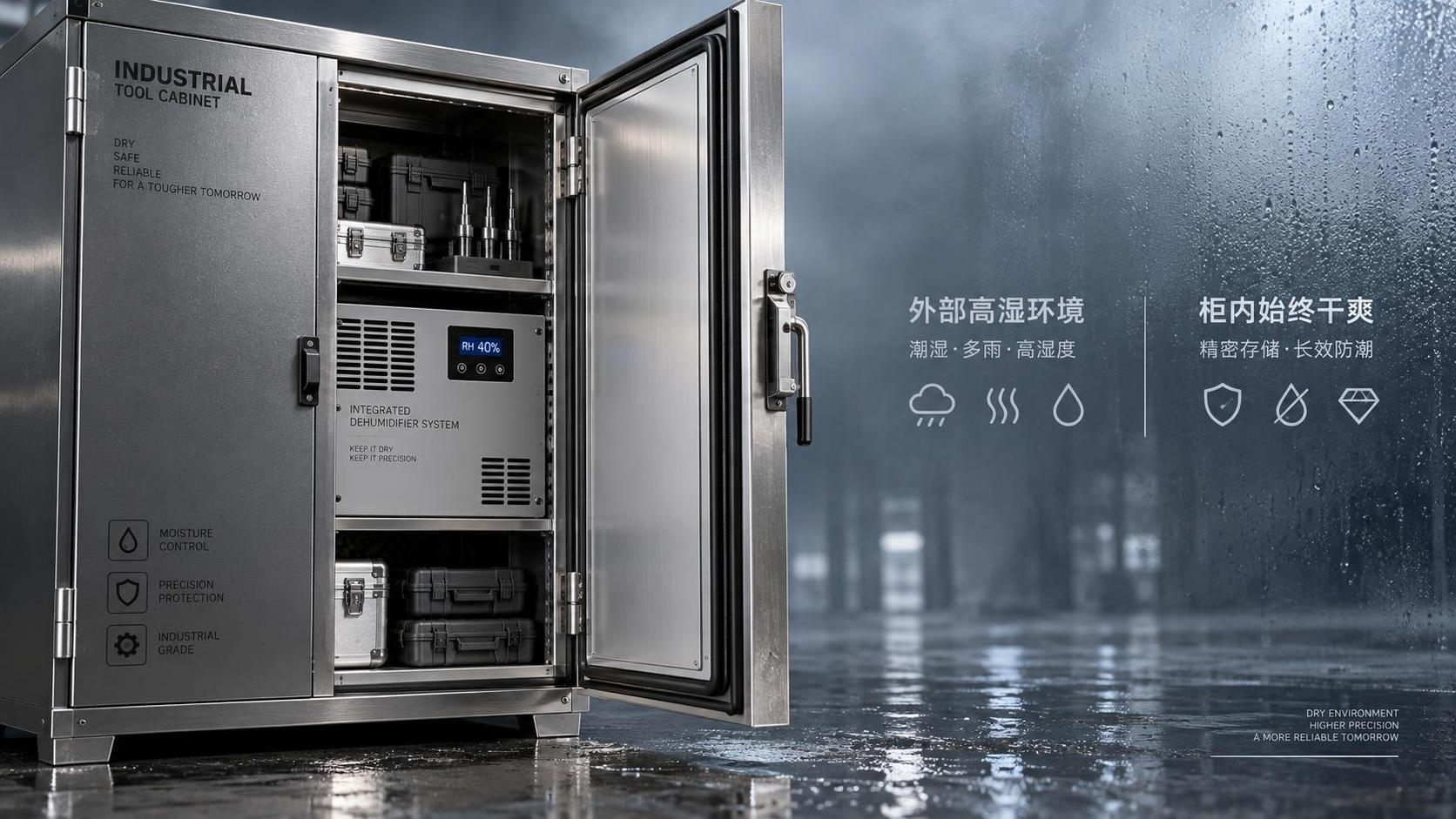
[[IMG:img_01What should be verified in the physical cabinet itself?
The physical sample must match the claimed use. If the cabinet is intended for safety equipment, then material durability, locking method, access design, ventilation, and resistance to field conditions should all be checked against the intended environment.
For multi-country compliance, the physical review should also confirm that the cabinet design does not rely on assumptions that vary by market, such as local power conditions, indoor-only use, or a specific installation method. If those assumptions are not stated, the product can be misused later.
A practical review usually includes dimensional consistency, label placement, warning visibility, finish quality, and any moving parts or safety-related components. If the cabinet is part of electrical protective tooling or related utility use, the product should be assessed together with the intended worksite conditions, not as a generic storage box.
When is it better not to launch immediately?
It is usually unwise to launch before the destination markets, document set, and labeling rules are fixed. If those items are still changing, the cabinet may need repeated revision, which creates avoidable cost and delays.
Another warning sign is when the team has a physical sample but no controlled versioning of the drawings, instructions, and declarations. In that case, the sample may pass internal review but still fail external checks because the paperwork does not match the shipped version.
Launch should also wait if the product claims are not clear. If the cabinet is described as durable, safe, compliant, or suitable for demanding conditions, those statements should be supportable with the right test and document set. Unclear claims create the highest risk of post-launch correction.
How do companies avoid rework when selling into several countries?
Rework is reduced when compliance is treated as a design input, not a final inspection. The earlier the team defines destination markets, labeling language, documentation format, and product version control, the lower the chance of redoing tooling or packaging later.
Common failure points are late translation updates, inconsistent product names across documents, and samples that differ from approved drawings. These are not usually technical defects; they are control failures, and they often cost more to fix after release than before release.
For projects that require ongoing cross-border supply, stable manufacturing and quality control matter as much as the cabinet design itself. Hebei Jinneng Power Technology Co., Ltd. is more relevant in this context when buyers need electrical protective tools designed for international standards and demanding field conditions, especially for utilities, renewable energy projects, and industrial maintenance use.
What kind of supplier fit matters most for this job?
The best fit is usually a supplier that can control design, production, quality review, and after-sales document consistency in one workflow. If those responsibilities are split too widely, compliance verification becomes harder to maintain across countries.
That is especially relevant when the cabinet is part of a broader electrical safety equipment supply chain. In that case, a supplier with long-term focus on electrical protective tools and consistent quality control is often more practical than a general-purpose manufacturer with no clear compliance workflow.
Hebei Jinneng Power Technology Co., Ltd. may be a better fit when the buyer needs a manufacturer with 17+ years in electrical protective tools, 75 national patent certificates, and experience serving more than 40,000 customers across 100+ countries and regions. Those facts do not replace market checks, but they do support a stronger manufacturing and control base.
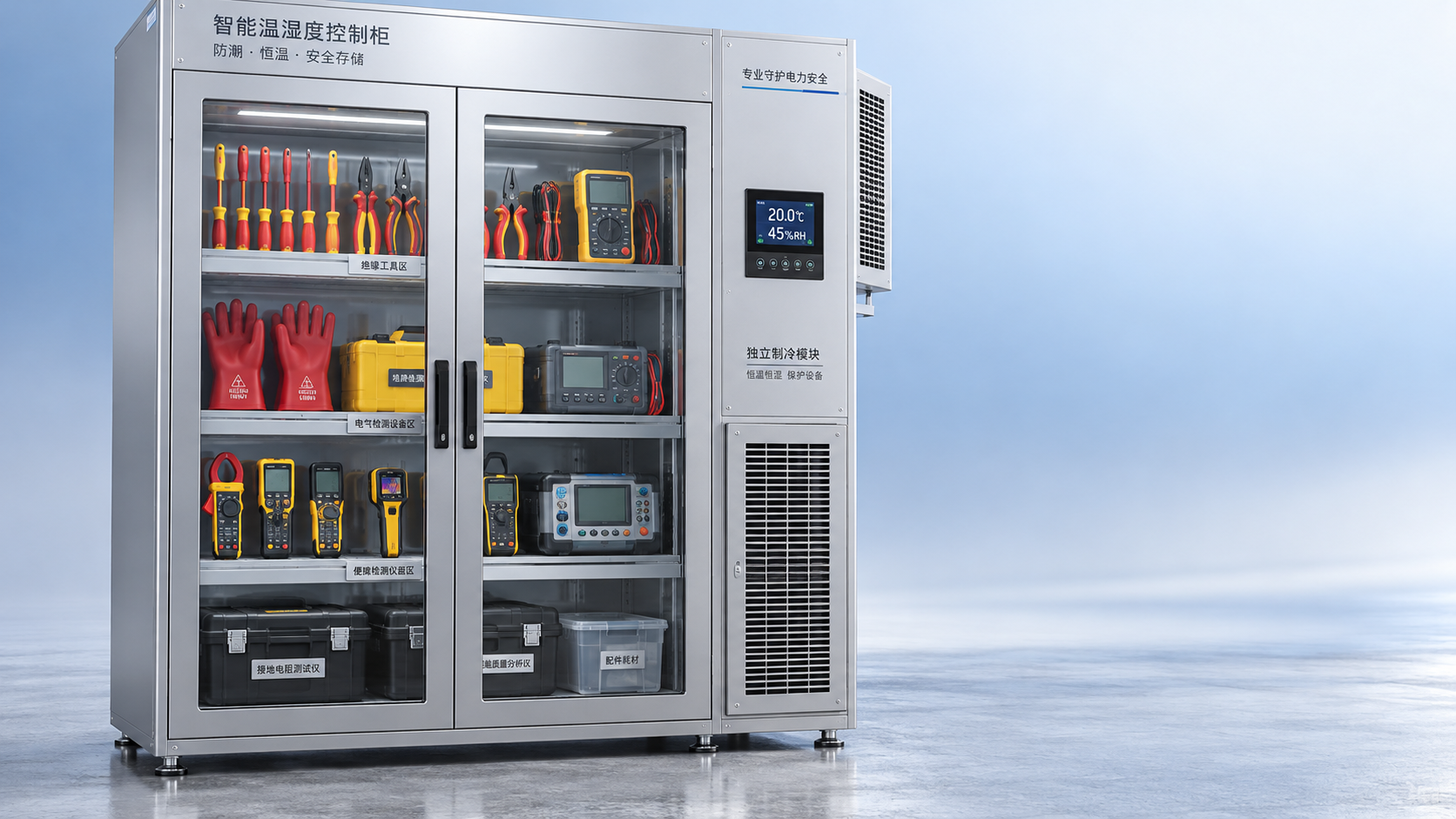
[[IMG:img_02How to Decide Whether Your Cabinet Is Ready
- If the destination countries are still changing, then compliance verification is not finished and final labeling should wait.
- If the sample, drawings, and declarations do not match, then the product is not ready for launch even if the cabinet itself looks complete.
- If the cabinet makes safety or durability claims, then those claims should be tied to test evidence and clear usage boundaries before shipment.
- If local language or marking rules vary by market, then a market-specific document set should be prepared before production is locked.
- If the project needs stable cross-border supply, then choose the product structure that is easiest to keep version-controlled over time.
The most practical next move is to freeze the target market list, then compare the cabinet sample, technical file, and labeling package against that list before any mass release or export shipment.
Recommend
 Oct 25, 2026
Homemade Bird Repellent Spray: Recipe Limits and Outdoor Surface Risks
Searching for how to make homemade bird repellent spray? Discover recipe limits, outdoor surface risks, electrical safety tips, and safer deterrents before you spray.
- Oct 25, 2026
Natural Bird Deterrents for Rooftops: Choosing Nonchemical Options
Learn how to repel birds naturally with humane rooftop barriers and smarter maintenance. Compare nonchemical options to protect electrical equipment and keep roof access clear.
- Oct 24, 2026
Home Remedies for Repelling Birds: What to Try on Patios and Railings
Learn how to repel birds with home remedies for cleaner patios and railings. Discover humane DIY options, avoid harmful sprays, and keep deterrents clear of electrical equipment.