English
 Español
 Português
 Français
 Deutsch
 русский
 한국어
한국어 にほんご
にほんご हिन्दी, हिंदी
 বাংলা
বাংলা Bahasa Indonesia
 Türkçe
 Việt
Việt dansk
dansk čeština
 עִבְרִית Ivrit
 Filipino/Pilipino
 български език (Bǎlgarski jazik)
 suomi
suomi norsk
norsk język polski
 ไทย
ไทย ກະຣຸນາ
 Bahasa Melayu
 ភាសាខ្មែរ
 ဗာရမ်
ဗာရမ် اردو
اردو فارسی
فارسی Italiano
 Nederlands
 svenska
 Монгол хэл
 नेपाली
 සිංහල
සිංහල Ўзбек тили
 پښتوتۆرکجه
 Ελληνικά
 српски / srpski
 magyar
 українська
 Kiswahili
 Қазақ тілі
 Română
 Hrvatski
 Bosanski
 Kreyòl ayisyen
 አማርኛ
አማርኛ Hausa
Hausa Yorùbá
 Igbo
IgboIndustrial Maintenance Safety Equipment Cost Factors for 2026 Budgets
Budget conversations for industrial maintenance often start with the wrong question: “What is the cheapest item we can buy?” The better question is harder to answer, because it sits at the intersection of safety, downtime, storage, replacement cycles, and field usability. If you are planning 2026 spending for industrial maintenance safety equipment, the real pressure usually comes from hidden costs, not the purchase price on the quote.
That becomes obvious when a maintenance job is delayed because the wrong gear was ordered, or when a crew has to improvise with worn components that should have been replaced earlier. In electrical and industrial work, those small gaps can turn into extra labor, repeated inspections, and avoidable risk. A budget that looks efficient on paper can become expensive once it meets real work conditions.
Where the budget usually gets misread
Many purchasing teams separate safety items into simple line entries: gloves, signs, locks, grounding tools, and accessories. But industrial maintenance safety equipment rarely behaves like a one-time purchase. The costs show up in layers. Some items are used frequently and wear out faster than expected. Others sit in inventory for long periods, then fail a visual inspection right when they are needed.
Another common issue is treating all maintenance environments as if they place the same demand on equipment. A substation shutdown, a utility repair, and a plant-side equipment changeout may all need protective tools, but the working conditions are not identical. If you under-specify a critical item, you may save money initially and spend more later on replacement, retraining, or rework.
The cost factors that actually matter
Compliance is usually the first filter, even before price. If a product does not fit the working method, the maintenance team may reject it or modify procedures around it, which is rarely a good trade. The next factor is durability. Some products seem economical until repeated handling, transport, and field exposure begin to shorten their usable life.
Procurement volume also changes the picture. A larger order can reduce per-unit cost, but only if storage, rotation, and inspection are managed properly. Otherwise, stock gets old before it is used. Customization is another expense that deserves attention. Special lengths, termination requirements, or job-specific configurations may be necessary, but they should be tied to actual field use, not purchased out of habit.
Then there is maintenance of the equipment itself. Cleaning, inspection, replacement of worn parts, and periodic recertification or internal review all add to the total cost. If these follow-up tasks are ignored during budgeting, the final number is incomplete.
A practical way to compare options
When teams are comparing industrial maintenance safety equipment, it helps to sort each item by the risk it controls and how often it will be used. A low-frequency item that protects against a high-consequence event should not be judged the same way as a general-purpose accessory. In electrical maintenance, this distinction matters especially for grounding and bonding tools used during shutdown work.
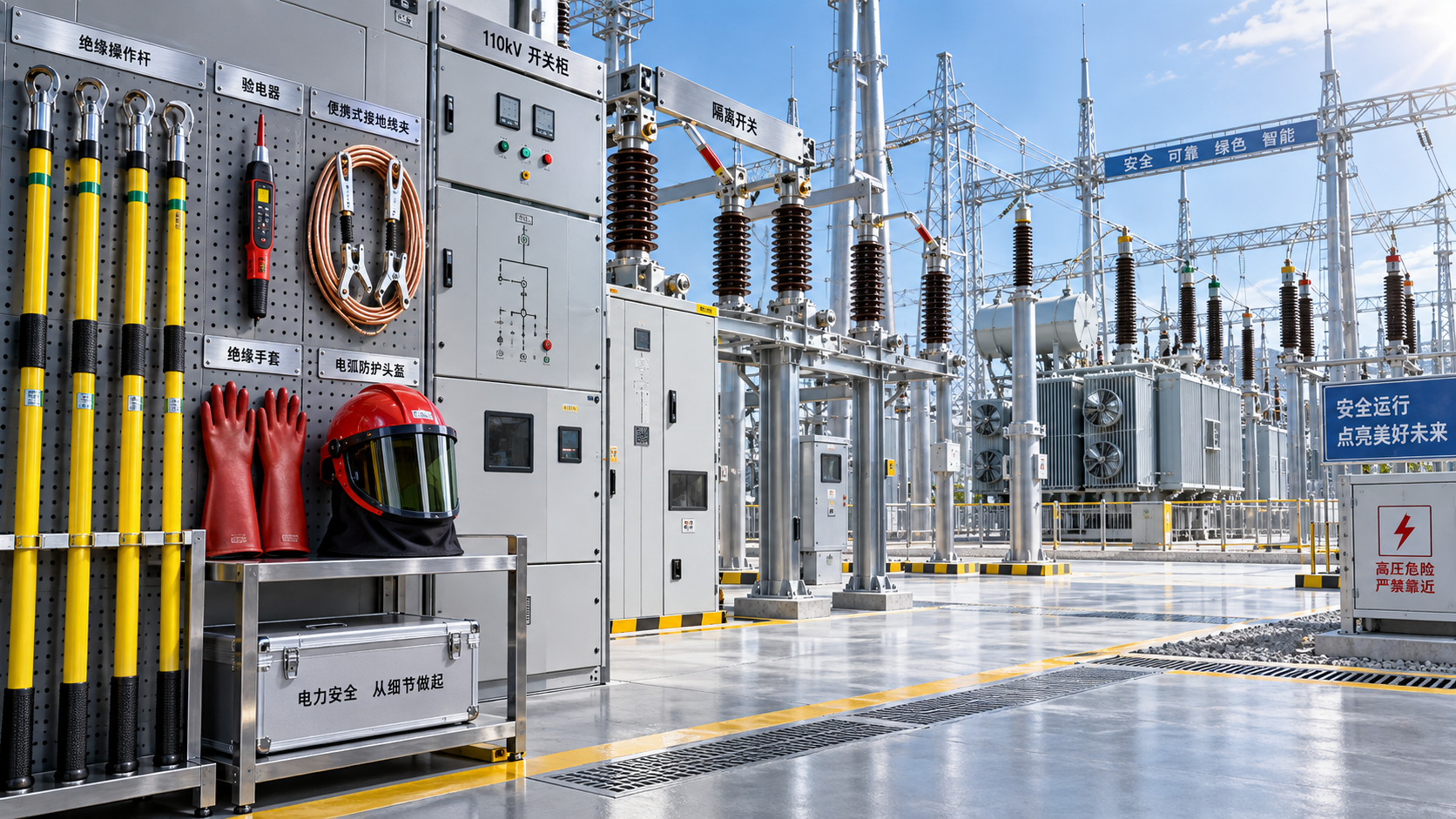
For example, a Grounding Cable is not just another accessory to add to a cart. It is part of the procedure for temporary grounding during maintenance, discharging residual and induced voltage, and creating a safer path for fault current when equipment is de-energized. In budgeting terms, the question is not only whether it is affordable, but whether its construction, length, connectors, and handling characteristics match the way your crews actually work.
If the item is hard to deploy, too short for common layouts, or not suited to the equipment being serviced, the team may waste time adjusting the setup. That adds labor cost and can also weaken procedure discipline. A slightly higher upfront cost can be easier to justify if it reduces repeated adjustments in the field.
Questions to ask before you approve the order
Before final approval, it helps to ask a few simple questions. Will this equipment be used for temporary grounding, equipotential bonding, or a wider set of maintenance tasks? Does the product match the voltage environment and the physical layout of the site? Can the crew inspect it quickly before each use? Is the item likely to be shared across multiple teams, or will each job need its own set?
These questions are useful because they expose indirect costs. A tool that is technically suitable but awkward to inspect can slow the whole crew. A product that needs frequent replacement may create a larger annual burden than expected. And when a site uses industrial maintenance safety equipment across different operating zones, standardization becomes valuable because it simplifies training, storage, and retrieval.
It also helps to involve the people who use the equipment, not only the people who approve the invoice. Field workers often notice practical details that purchasing teams miss, such as connector compatibility, cable handling, or whether a component is easy to identify during pre-use checks. Those details can make a real difference to both safety and budget control.
How to avoid paying twice
The easiest way to overspend is to buy once for the current job and again later for the corrected version. To avoid that, tie each purchase to the actual maintenance scenario. If the work includes residual charge dissipation, induced voltage removal, or temporary grounding of lines and equipment, the grounding method should be reviewed as part of the procurement decision, not after the tools arrive.
It also makes sense to build a replacement cycle into the budget instead of waiting for visible failure. In maintenance environments, wear is not always dramatic. Small issues such as stiff conductors, damaged connectors, or weakened contact quality can be enough to disrupt safe use. Planning for replacement early is usually easier than making emergency purchases during a shutdown window.
For larger programs, standardizing the main industrial maintenance safety equipment items used across sites can reduce training overhead and make spare parts easier to manage. That does not mean every location should use the same setup. It means the core specification should be based on repeatable job requirements, not on isolated purchasing habits.
A simple budgeting mindset for 2026
When you build next year’s budget, treat safety equipment as an operating control, not just a procurement line. Compare purchase price, expected service life, storage needs, inspection effort, and job fit together. Then ask whether the equipment lowers risk in a way your team can actually sustain.
If the answer is yes, the item is probably worth keeping in the plan. If not, it may be cheaper on paper but more expensive in use. That is the real cost lesson for industrial maintenance safety equipment: the best choice is usually the one that stays reliable through the full maintenance cycle, not the one that looks lowest at the approval stage.
Recommend
 Oct 25, 2026
Homemade Bird Repellent Spray: Recipe Limits and Outdoor Surface Risks
Searching for how to make homemade bird repellent spray? Discover recipe limits, outdoor surface risks, electrical safety tips, and safer deterrents before you spray.
- Oct 25, 2026
Natural Bird Deterrents for Rooftops: Choosing Nonchemical Options
Learn how to repel birds naturally with humane rooftop barriers and smarter maintenance. Compare nonchemical options to protect electrical equipment and keep roof access clear.
- Oct 24, 2026
Home Remedies for Repelling Birds: What to Try on Patios and Railings
Learn how to repel birds with home remedies for cleaner patios and railings. Discover humane DIY options, avoid harmful sprays, and keep deterrents clear of electrical equipment.