English
 Español
 Português
 Français
 Deutsch
 русский
 한국어
한국어 にほんご
にほんご हिन्दी, हिंदी
 বাংলা
বাংলা Bahasa Indonesia
 Türkçe
 Việt
Việt dansk
dansk čeština
 עִבְרִית Ivrit
 Filipino/Pilipino
 български език (Bǎlgarski jazik)
 suomi
suomi norsk
norsk język polski
 ไทย
ไทย ກະຣຸນາ
 Bahasa Melayu
 ភាសាខ្មែរ
 ဗာရမ်
ဗာရမ် اردو
اردو فارسی
فارسی Italiano
 Nederlands
 svenska
 Монгол хэл
 नेपाली
 සිංහල
සිංහල Ўзбек тили
 پښتوتۆرکجه
 Ελληνικά
 српски / srpski
 magyar
 українська
 Kiswahili
 Қазақ тілі
 Română
 Hrvatski
 Bosanski
 Kreyòl ayisyen
 አማርኛ
አማርኛ Hausa
Hausa Yorùbá
 Igbo
IgboSafety Storage Cabinets vs. Steel Lockers: What’s the Difference?
Safety storage cabinets and steel lockers both provide enclosed, lockable storage, but they solve different safety problems. A steel locker is primarily a security and organization enclosure for personal protective equipment, clothing, hand tools, and routine work items. A safety storage cabinet is engineered to control a defined hazard, such as flammable liquids, corrosive chemicals, damaged electrical PPE awaiting inspection, or materials that must remain separated from ignition sources and incompatible substances.
The distinction matters because a heavy steel shell and a keyed door do not automatically provide fire resistance, liquid retention, ventilation control, chemical compatibility, or a documented storage classification. Selecting a locker when a safety cabinet is required can leave a work area exposed to fire spread, leakage, contamination, or non-compliant storage practices. Selecting a specialized cabinet for ordinary clean equipment, on the other hand, can consume space and maintenance effort without adding useful protection.
Core Difference: Security Storage Versus Hazard-Controlled Storage
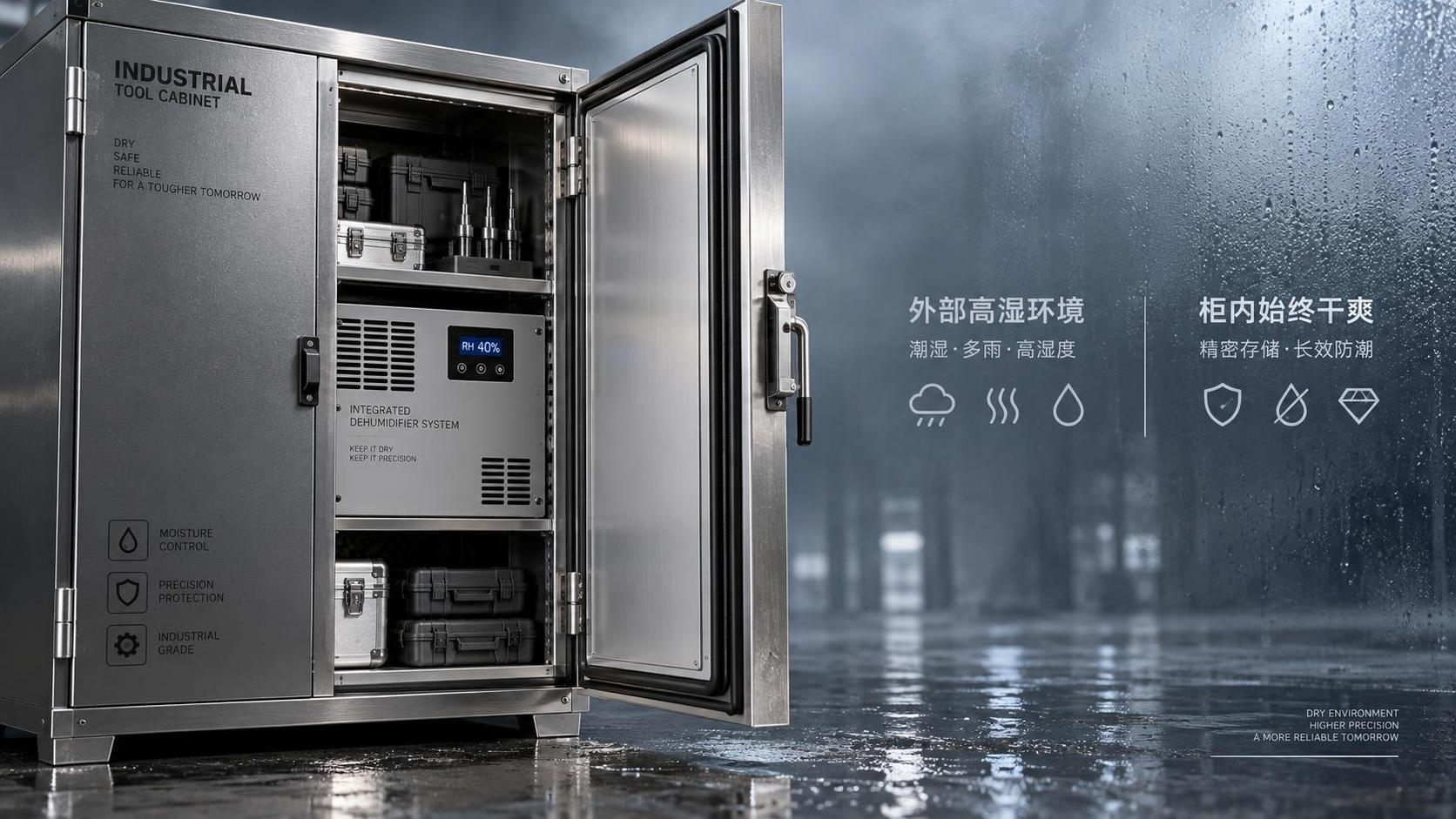
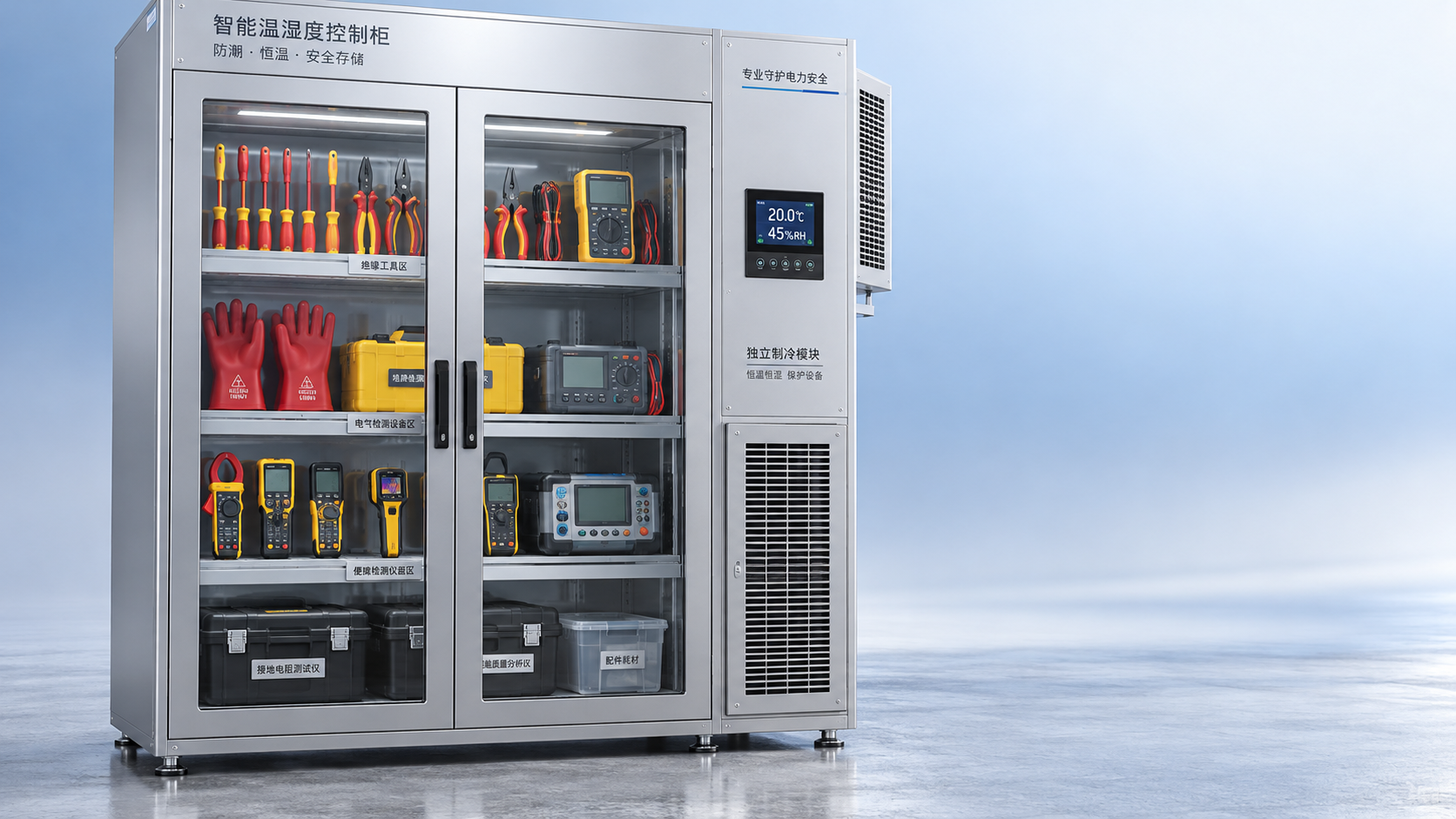
A conventional steel locker is designed around access control. Its body is commonly made from sheet steel, with doors, hinges, a locking point, ventilation slots, and one or more shelves or compartments. It keeps equipment together, reduces unauthorized removal, and protects contents from casual contact, dust, and minor impacts. Lockers work well for clean insulating gloves in their protective containers, face shields, workwear, insulated hand tools, portable test leads, and personal items that require a designated location.
A safety storage cabinet is designed around the behavior of the material inside it. Its construction may include double walls, insulated air space, reinforced doors, self-closing or self-latching mechanisms, leak-retaining sumps, corrosion-resistant liners, flame-arresting vents, grounding provisions, adjustable bonded shelves, or segregated compartments. The exact features depend on whether the cabinet is intended for flammable liquids, corrosives, pesticides, gas cylinders, batteries, or another defined hazard.
That difference in design intent should guide the decision before comparing gauge, color, door count, or lock type. A locker controls who can reach the contents. A safety cabinet controls what the contents can do if a container leaks, heat rises, vapors accumulate, or incompatible materials are stored nearby.
Why Steel Thickness Alone Is a Misleading Comparison
Steel is common to both products, so appearance can create false confidence. A robust locker with a thick door may resist forced entry better than a lightweight unit, yet it may still be unsuitable for flammable liquids or corrosive substances. Door gaps, unsealed joints, unprotected ventilation openings, uncontained shelves, and an unraised base can allow vapor, liquid, or heat to move in ways that a hazard-control cabinet is designed to address.
Likewise, a cabinet described as “steel safety storage” needs to be evaluated by its intended hazard rather than its name. A cabinet for acids and alkalis needs corrosion-resistant internal surfaces and a spill-management arrangement appropriate to those chemicals. A flammable-liquid cabinet needs features suited to vapor-producing liquids and fire conditions. A cabinet intended for clean electrical PPE may emphasize dryness, physical protection, controlled access, and separation from contaminants rather than chemical containment.
Paint finish is also not a reliable indicator. Bright colors can identify a storage category, but color does not confirm performance. Review the cabinet’s stated application, construction details, capacity limits, door operation, shelf loading, and installation requirements. The product documentation should make clear what substances or equipment the cabinet is intended to hold and what conditions it is not designed to handle.
Where Lockers Fit in Electrical Safety Storage
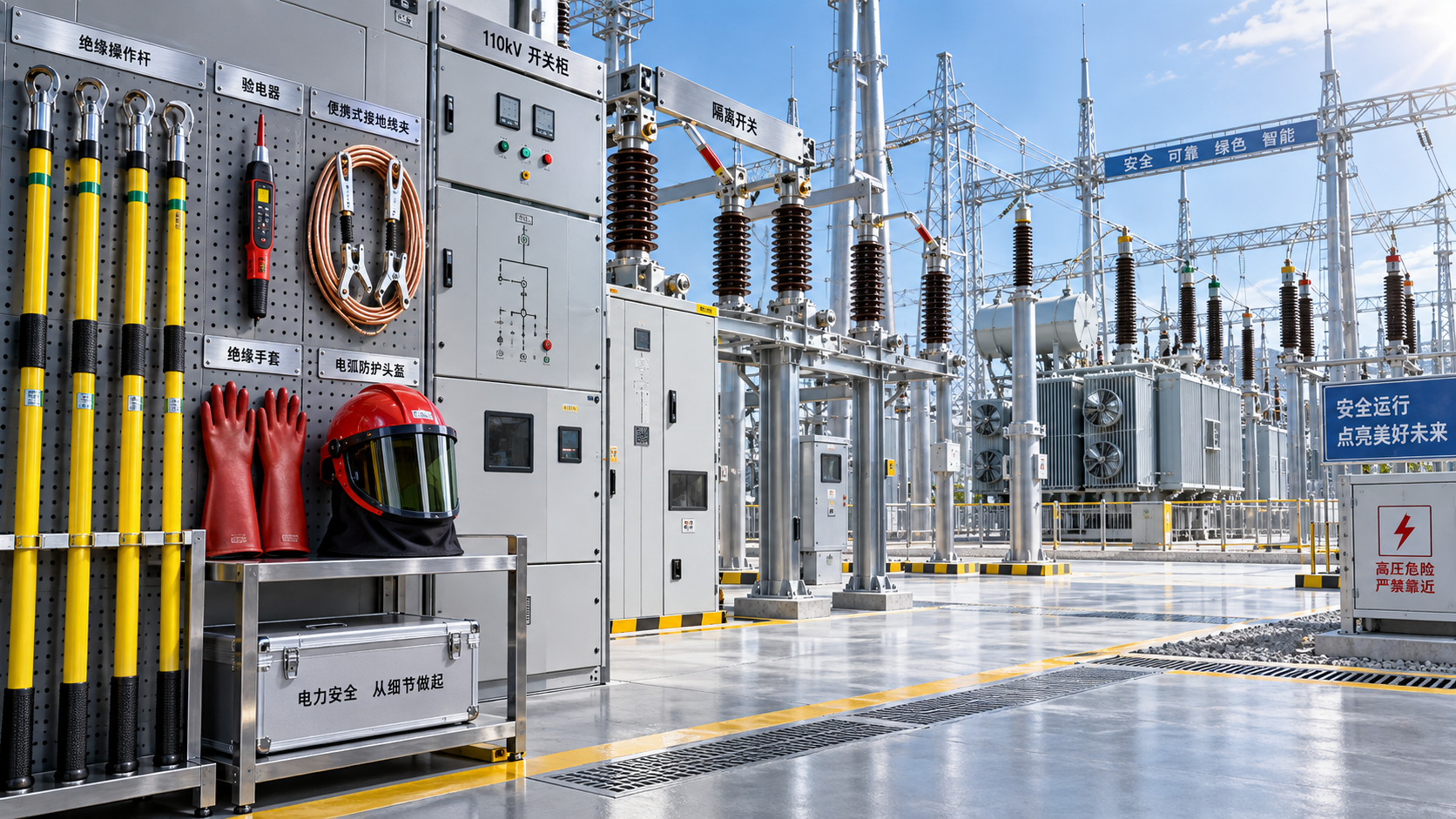
Steel lockers are useful when the stored articles are dry, clean, stable, and non-hazardous. Electrical protective tools and PPE often need protection from compression, ultraviolet exposure, moisture, sharp objects, oils, solvents, and accidental mixing with general maintenance materials. A locker can establish a controlled location for these items when its internal layout prevents crushing and contamination.
For insulating boots, adequate floor clearance and shelf dimensions are important. Boots should not be bent tightly, piled beneath heavy equipment, or stored against sharp metal edges. A locker with a deep lower compartment may be appropriate for clean, serviceable boots kept in their normal form. Good airflow can reduce trapped moisture after cleaning or field use, but unrestricted vents are not a benefit if the locker is placed where dust, conductive debris, chemical mist, or washdown water can enter.
Storage location is as important as the enclosure. A locker for electrical PPE should be kept away from battery charging gases, welding spatter, chemical storage, direct sunlight, steam lines, and areas with recurring condensation. A secure locker in a contaminated maintenance bay can still expose dielectric footwear to oils or solvents that degrade rubber or conceal damage during inspection.
When a Safety Cabinet Is Necessary
A safety cabinet becomes the appropriate choice when the stored material brings a hazard that a basic locker cannot contain. Examples include cleaning solvents, flammable maintenance liquids, corrosive products, chemical-soaked wipes, or damaged items contaminated with an unknown substance. The cabinet must match the specific storage hazard. A flammable-liquid cabinet is not automatically appropriate for corrosives, and a corrosive-storage cabinet is not automatically suitable for flammable liquids.
Temporary storage of damaged electrical PPE deserves careful separation. A dielectric boot that has failed testing or experienced suspected dielectric breakdown should not return to a clean PPE locker simply because it still looks intact. It should be removed from service, clearly identified to prevent accidental issue, and kept away from serviceable equipment. If the boot is contaminated with oil, chemicals, or moisture, the storage arrangement must address that condition rather than treating it as ordinary dry footwear.
For many failed insulating boots, a marked quarantine area or dedicated closed container is more useful than a hazardous-material safety cabinet. The purpose is to prevent reuse and cross-contamination while the item is assessed for disposal, return, or other disposition. A safety cabinet is justified only when the failed item carries a material hazard that the cabinet is designed to contain. Using a chemical cabinet as a general discard locker can create confusion about what is inside and complicate emergency response.
Replacing Electrical Insulating Boots After Dielectric Breakdown
Dielectric breakdown is not the same as surface dirt, a cosmetic scuff, or a failed visual appearance. It indicates that the insulating barrier did not withstand the required electrical stress during testing or that an electrical event has compromised confidence in the boot’s protective properties. The correct response is replacement, not repair with adhesive, tape, coating, or an internal liner.
First, remove the boots from service immediately and mark them so they cannot be issued with usable PPE. Keep the pair together; separating one failed boot from its mate can lead to an incomplete record and an accidental return of the other boot. Do not place the failed pair on a rack with clean footwear or inside a locker shared with equipment ready for use.
Before obtaining replacements, identify the reason for removal. A controlled dielectric test failure, electrical contact event, puncture, deep cracking, chemical attack, heat damage, or prolonged improper storage may all lead to the same replacement decision, but they point to different corrective actions. For example, repeated moisture exposure may indicate a locker placement problem, while solvent damage may indicate that footwear was stored alongside cleaning materials. Replacing the boots without correcting the storage condition can repeat the failure.
- Record the item identification, removal date, observed condition, and reason for withdrawal. Follow the site’s PPE control procedure for the required documentation and disposition.
- Place the boots in a clearly segregated quarantine location. Keep them dry and protected from unnecessary handling until disposal or return arrangements are completed.
- Confirm the replacement footwear has the required electrical protective rating, size, design, and any compatible overshoe or mechanical-protection requirements for the work environment.
- Inspect the new pair before issue. Look for cuts, embedded particles, distortion, sticky surfaces, cracks around the sole and upper, and damage from shipping or storage.
- Store the replacement pair in a clean, dry enclosure that protects its shape. A locker is suitable when the area is free of hazardous liquids and contamination; a hazard-specific cabinet is required only where the contents or nearby environment demand it.
Do not assume a new pair is ready merely because it is unused. Packaging can conceal deformation, storage damage, or the wrong item specification. The receiving check should also verify that the boots have not been compressed beneath other goods during transport and that the internal storage compartment has enough height and depth to avoid folding the upper.
Door Design, Ventilation, and Spill Control
Door construction changes everyday use. Locker doors often have louvers or perforations because airflow is useful for clothing and dry equipment. These openings are unsuitable where vapor containment or protection from airborne contamination is needed. A cabinet intended for hazardous materials may use tightly fitted doors, specific closing hardware, and controlled vent arrangements. Altering its vents, leaving doors propped open, or drilling holes for convenience can defeat the storage function.
Shelves deserve the same attention. Flat locker shelves organize equipment but usually do not retain a spill. A shelf in a flammable or corrosive storage cabinet may be designed to direct leaks into a contained base or prevent a small release from reaching adjacent containers. Shelf load ratings matter as well. Overloading can distort the shelf, prevent doors from closing correctly, and create a pathway for containers to tip or leak.
Grounding provisions are sometimes misunderstood. A grounding point on a cabinet does not make every stored item electrically safe, nor does it replace proper bonding practices for the actual liquid transfer process. It is a feature associated with certain hazard-control scenarios and should be used only according to the applicable site procedure and cabinet instructions. A standard PPE locker generally has no such function.
Placement and Installation Change the Result
A correctly selected cabinet can still perform poorly when installed in the wrong location. Keep clear access to doors, avoid blocking emergency routes, and ensure the floor can support the loaded unit. Cabinets containing liquids should stand level so that shelves, doors, and spill-retention features function as intended. A tilted cabinet may cause containers to lean against the door or direct a leak away from the collection area.
Anchoring requirements depend on the cabinet design, local conditions, seismic exposure, door operation, and whether the unit can become unstable when loaded. Do not fasten through a liquid-retaining base or fire-protective wall unless the manufacturer’s installation instructions specifically permit it. An improvised penetration can compromise containment or protective construction.
Segregation is often more effective than adding locks. A clean locker for inspected electrical PPE should not share space with lubricants, aerosol products, wet rainwear, grinding dust, or cleaning chemicals. A safety cabinet should not become a general-purpose storage point for unrelated tools. Clear labeling and defined contents prevent a cabinet from gradually changing function after installation.
Common Questions
Can a steel locker store flammable liquids?
Not unless the locker is specifically designed, identified, and approved for that storage use. Ordinary steel lockers lack the containment, door design, and hazard-control features expected for flammable-liquid storage.
Can failed insulating boots be repaired and retested?
Boots that have experienced dielectric breakdown should be removed from protective service and replaced. Surface cleaning may be appropriate for serviceable footwear, but it does not restore a boot whose insulating integrity has failed.
Should insulating boots be kept in a locked cabinet?
Locking is useful where access control is needed. The more important conditions are cleanliness, dryness, protection from physical deformation, and separation from chemicals, sharp objects, and unserviceable PPE.
Does ventilation always improve PPE storage?
No. Ventilation helps dry clean equipment, but open louvers can admit conductive dust, chemical vapors, water spray, or sunlight. Match the enclosure and its location to the exposure conditions around it.
The practical choice is straightforward once the stored contents are defined. Use a steel locker for clean, stable equipment that needs security and orderly segregation. Use a safety storage cabinet when the material itself requires fire resistance, spill containment, chemical resistance, vapor control, or another hazard-specific protective function. Treat any electrically failed PPE as a separate control issue: remove it from service, prevent its return to clean storage, and correct the condition that led to replacement.
Recommend
 Oct 25, 2026
Homemade Bird Repellent Spray: Recipe Limits and Outdoor Surface Risks
Searching for how to make homemade bird repellent spray? Discover recipe limits, outdoor surface risks, electrical safety tips, and safer deterrents before you spray.
- Oct 25, 2026
Natural Bird Deterrents for Rooftops: Choosing Nonchemical Options
Learn how to repel birds naturally with humane rooftop barriers and smarter maintenance. Compare nonchemical options to protect electrical equipment and keep roof access clear.
- Oct 24, 2026
Home Remedies for Repelling Birds: What to Try on Patios and Railings
Learn how to repel birds with home remedies for cleaner patios and railings. Discover humane DIY options, avoid harmful sprays, and keep deterrents clear of electrical equipment.