English
 Español
 Português
 Français
 Deutsch
 русский
 한국어
 にほんご
 हिन्दी, हिंदी
 বাংলা
 Bahasa Indonesia
 Türkçe
 Việt
 dansk
 čeština
 עִבְרִית Ivrit
 Filipino/Pilipino
 български език (Bǎlgarski jazik)
 suomi
 norsk
 język polski
 ไทย
 ກະຣຸນາ
 Bahasa Melayu
 ភាសាខ្មែរ
 ဗာရမ်
 اردو
 فارسی
 Italiano
 Nederlands
 svenska
 Монгол хэл
 नेपाली
 සිංහල
 Ўзбек тили
 پښتوتۆرکجه
 Ελληνικά
 српски / srpski
 magyar
 українська
 Kiswahili
 Қазақ тілі
 Română
 Hrvatski
 Bosanski
 Kreyòl ayisyen
 አማርኛ
 Hausa
 Yorùbá
 Igbo
Safety Storage Cabinets vs. Steel Lockers: Which Better Protects Electrical PPE?
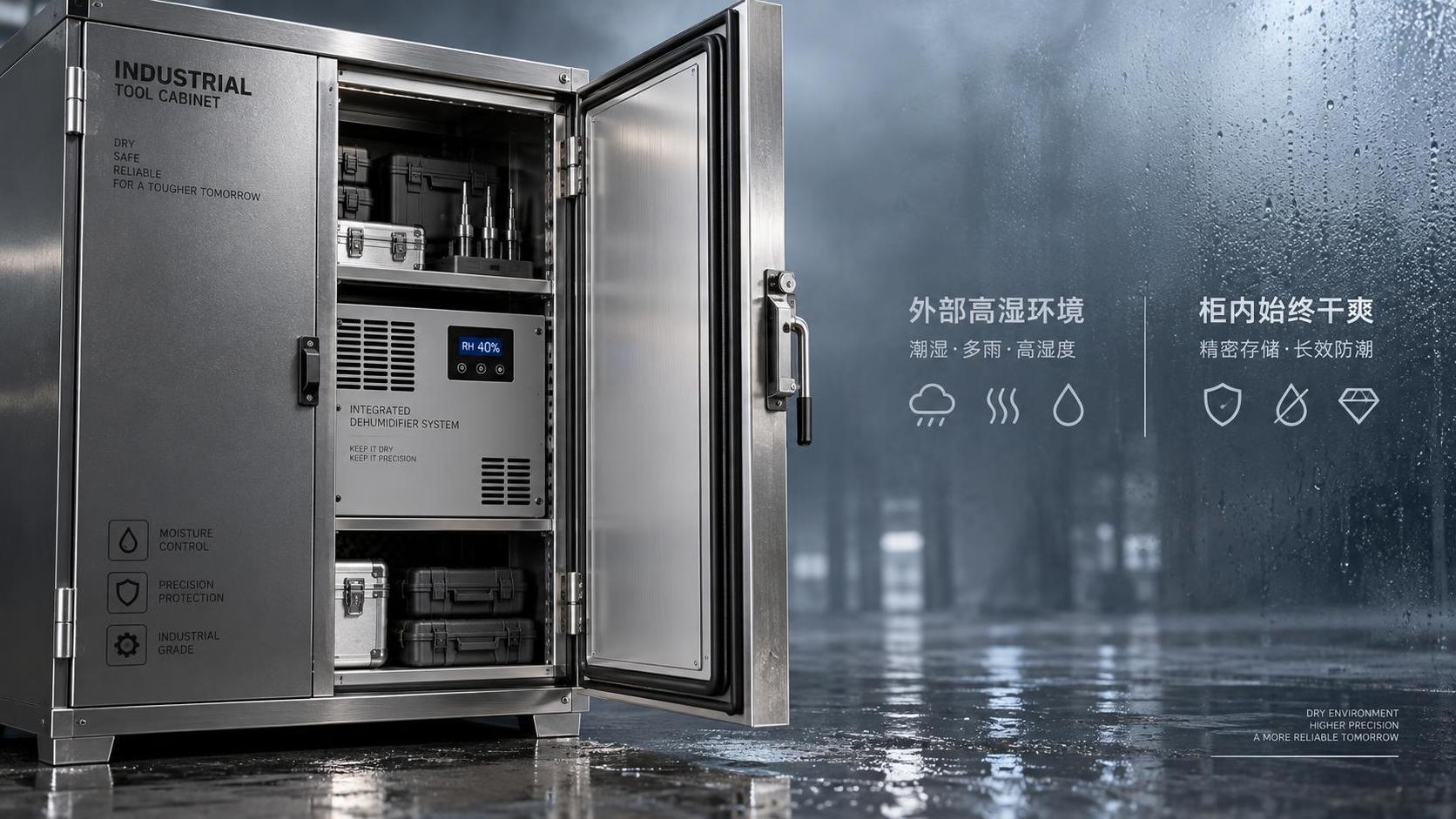
Yes, there is a meaningful difference between a safety equipment storage cabinet and a regular steel locker. Both may be made of steel and both can be locked, but they are designed around different risks. A standard locker is mainly intended to hold personal belongings. A purpose-built cabinet for electrical PPE is intended to help preserve the condition, cleanliness, traceability, and availability of equipment that may be needed to protect a worker from electrical hazards.
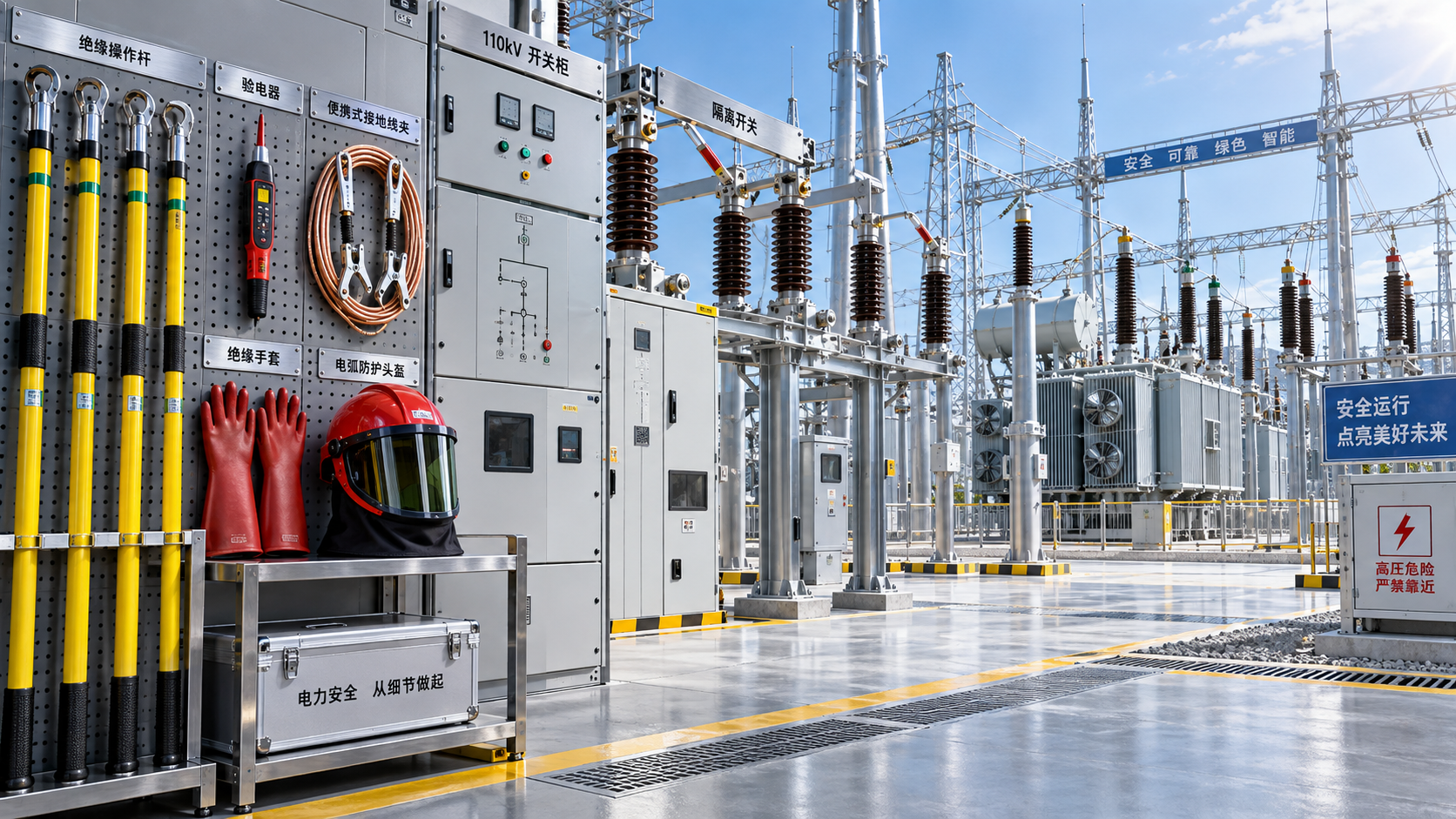
That distinction matters because electrical protective equipment can be damaged long before damage becomes obvious. Insulating gloves, sleeves, blankets, live-line tools, face protection, arc-rated garments, and rescue equipment can be affected by moisture, dust, oils, sharp edges, poor stacking, direct sunlight, or careless handling. A locker may provide basic enclosure, but enclosure alone is not the same as controlled storage.
What changes when the stored items are electrical PPE?
Electrical PPE is not simply inventory. Its protective value depends on remaining in suitable condition between inspections and field use. A cabinet should therefore support the way equipment is issued, returned, checked, separated, and maintained.
A regular steel locker can work for low-risk items such as a worker's outerwear, hard hat, or non-critical hand tools. It becomes a weaker choice when it is used as the main storage point for insulating or safety-critical equipment. The common problem is not that every locker immediately damages PPE; it is that a typical locker does little to prevent the conditions that gradually create defects, contamination, confusion, or missed inspections.
A cabinet protects equipment through its use pattern, not just its metal thickness
It is easy to compare cabinet bodies by gauge, paint finish, or lock type and overlook the operational details. For electrical PPE, the practical value comes from whether the storage system prevents the wrong things from happening every day.
For example, insulating gloves should not be forced into a crowded compartment beneath heavy tools or personal items. A cabinet with appropriate shelf space, hanging provisions, or dedicated compartments makes it easier to keep them away from deformation and unnecessary contact. The same logic applies to insulating sleeves, blankets, voltage detectors, hot sticks, and face shields. When equipment has a defined place, workers are less likely to stack it in a way that causes damage or makes pre-use inspection harder.
Cleanliness is another issue. Dust may be only an inconvenience on a wrench, but contamination on insulating equipment deserves more attention. Oils, chemical residues, metal filings, and damp debris can make visual checks less reliable and can create avoidable cleaning work before equipment is issued. A dedicated safety cabinet reduces the chance that protective equipment shares space with lubricants, dirty tools, food containers, wet clothing, or unrelated supplies.
Moisture control also depends on the location and design of the storage area. A cabinet cannot correct a persistently wet room, flooding risk, or major temperature swings by itself. However, a suitable cabinet helps keep equipment off the floor, away from incidental splashes, and less exposed to airborne dirt. Ventilation may be useful in damp environments, but it should not create an open path for dust, rain, or direct environmental exposure. The right approach depends on where the cabinet will be installed and what it will hold.
When a steel locker may still be acceptable
A regular steel locker is not automatically unsuitable. It can be a reasonable option when the equipment is low risk, individually assigned, used frequently, and stored in a clean, dry, supervised indoor area. It may also serve as secondary storage for outer layers or non-electrical accessories that do not require special positioning or status control.
The limitation is that a locker should not be treated as a safety management system merely because it has a door and a padlock. If the locker contains electrical protective equipment, the manager still needs to consider how the equipment will be separated from personal property, kept clean, inspected, and identified. In many facilities, these controls are difficult to maintain once a personal locker becomes a mixed-use space.
A locker is especially poorly suited when several people draw equipment from the same location, when items are returned after outdoor work, or when the stored equipment includes insulating products that should not be bent, compressed, or left in contact with potentially contaminating materials.
Three situations where a dedicated safety cabinet is usually the better choice
Shared equipment at a substation or maintenance base
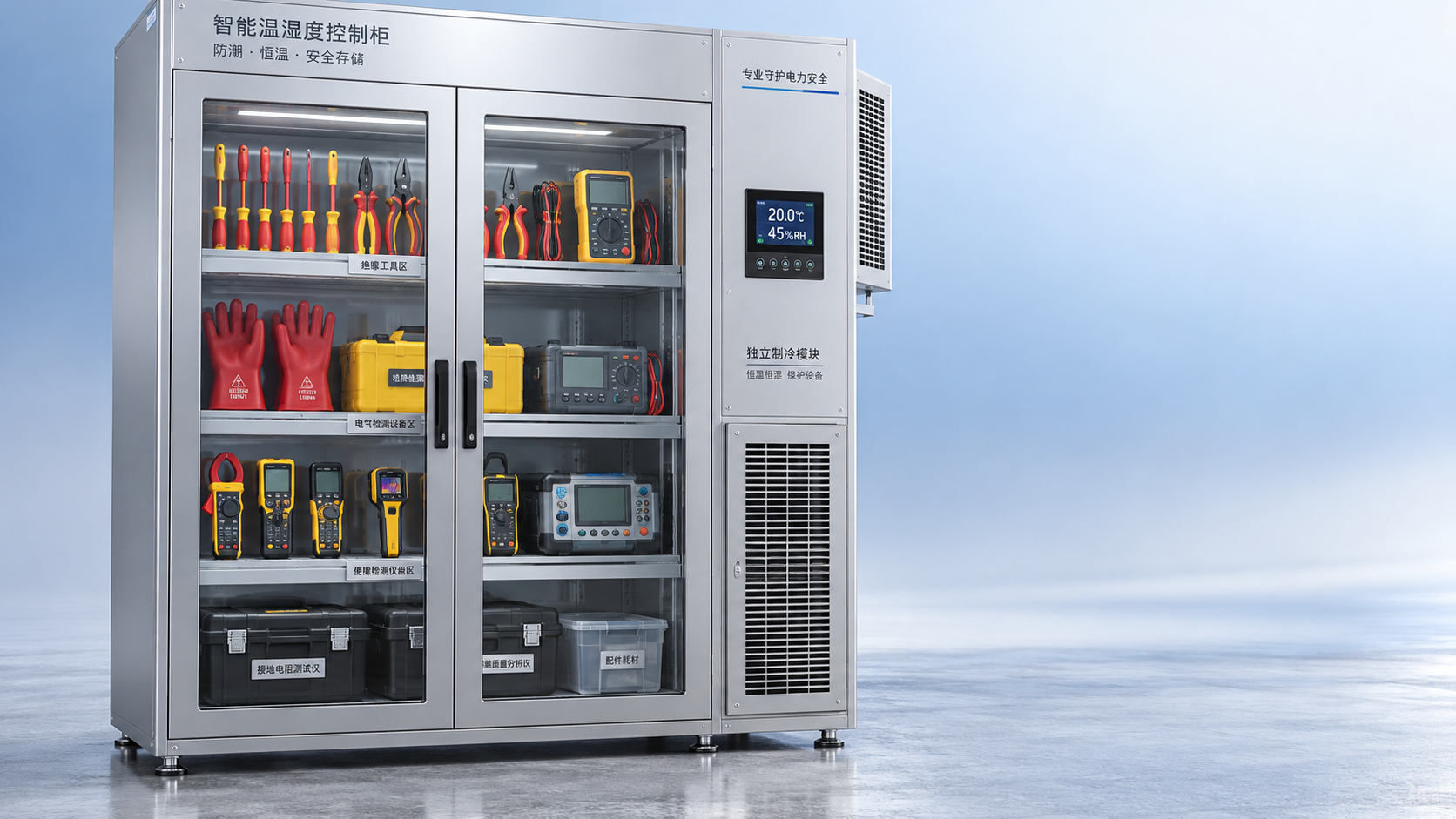
Shared electrical PPE needs more than a place to put it. It needs visibility. The next worker should be able to see what is available, what is missing, what is awaiting inspection, and what should not be issued. A cabinet with defined storage zones can separate ready-to-use equipment from returned equipment awaiting cleaning or inspection. This reduces the chance of putting questionable equipment back into service by mistake.
Mobile crews returning equipment from field work
Field equipment often comes back with dust, moisture, mud, or residues from the work environment. Placing it directly beside clean, approved PPE is a common control failure. A storage arrangement should give returned items a temporary holding area until they are checked and cleaned as needed. A standard locker rarely creates that distinction; a dedicated cabinet system can.
Facilities with formal inspection and issue records
Where inspection status must be visible, storage should reinforce the process. Labels, location markings, inspection tags, inventory identifiers, and separate compartments can help supervisors confirm that the right item is being issued. The cabinet does not replace inspection or recordkeeping, but it makes both easier to perform consistently.
Do not confuse security with protection
A lock is important when access needs to be controlled, but unauthorized access is only one storage risk. An expensive locking system does not prevent a face shield from being scratched by loose tools, an insulating blanket from being folded under heavy equipment, or clean gloves from being stored beside oily materials.
Likewise, a cabinet with many shelves is not automatically appropriate. Shelf spacing, load arrangement, door clearance, edge finishing, and the ability to clean the interior all affect whether the cabinet supports safe storage. Sharp internal edges, protruding hardware, rough welds, and overcrowded shelves can create their own problems.
For shared use, lock selection should match the access process. A cabinet that only one person can open may create delays during urgent work. A cabinet left permanently unlocked may undermine accountability. The practical answer is often controlled access for authorized personnel combined with clear responsibility for issuing, returning, and checking equipment.
What to check before choosing a storage solution
Start with the equipment, not the cabinet catalogue. List the items that will be stored and consider their shape, sensitivity, cleaning needs, inspection status, and frequency of use. A storage cabinet should be selected around the actual equipment mix rather than an assumed generic PPE load.
- Will insulating gloves, sleeves, blankets, or live-line tools be stored? These items need protection from crushing, abrasion, unsuitable folding, and contamination.
- Will clean and returned equipment need to be separated? If yes, create clearly distinct locations rather than relying on workers to remember which pile is which.
- Is the area dry, clean, and indoors? Storage design should address the actual environment, including floor moisture, dust, traffic, and exposure to chemicals.
- Will several crews use the same equipment? Shared equipment benefits from visible organization, controlled access, and easy inventory checks.
- Can the cabinet be cleaned and inspected easily? Interior surfaces should be accessible, and the layout should not hide accumulated dirt or damaged equipment.
- Does the location support orderly issue and return? Position the cabinet where workers can access it without carrying PPE through dirty or congested areas.
It is also useful to consider what should not be stored in the same cabinet. Food, wet garments, chemical products, abrasive tools, loose fasteners, and personal belongings all increase the likelihood of mixed storage. A dedicated cabinet works best when its purpose remains clear and its contents stay controlled.
Storage does not replace inspection, cleaning, or retirement decisions
A well-designed safety storage cabinet helps preserve equipment condition, but it does not prove that equipment is safe to use. Electrical PPE still requires the inspection, cleaning, testing, and retirement practices appropriate to the equipment type and the organization’s safety program.
The cabinet should make those activities easier. A practical arrangement may include a clearly marked area for equipment ready for issue, a separate area for returned items, and a hold area for equipment that needs inspection, cleaning, repair assessment, or removal from service. Mixing all three categories inside one locker creates unnecessary uncertainty at the point of use.
This is particularly important after maintenance outages, storm response, construction activity, or any task where equipment may have been exposed to dirt, weather, oils, or rough handling. In those conditions, an orderly return process is more valuable than simply having a locked place to put equipment.
FAQ
Can electrical PPE be stored in a regular locker?
It can be, provided the locker is clean, dry, dedicated to the equipment, and arranged so that items are not compressed, contaminated, or mixed with personal belongings. For shared or safety-critical equipment, a purpose-built cabinet is generally easier to manage correctly.
Should insulating gloves be stored with other hand tools?
No. Heavy, sharp, oily, or dirty tools can damage or contaminate gloves. Store gloves in a clean, protected location where they retain their shape and are easy to inspect before use.
Is a lockable cabinet always better?
Not necessarily. Locking improves access control, but the cabinet must also provide suitable internal protection, cleanliness, organization, and a workable issue-and-return process.
Should returned PPE go straight back into the ready-to-use cabinet?
Only after it has been checked and handled according to the site’s process. Returned equipment may need cleaning, inspection, or temporary segregation before it is issued again.
For electrical PPE, the better choice is usually the one that protects the equipment from its real daily risks and makes correct handling easier for every shift. A steel locker may meet a limited storage need, but a dedicated safety equipment cabinet is the more suitable foundation when condition control, readiness, and accountable use matter.
Recommend
 Oct 25, 2026
Homemade Bird Repellent Spray: Recipe Limits and Outdoor Surface Risks
Searching for how to make homemade bird repellent spray? Discover recipe limits, outdoor surface risks, electrical safety tips, and safer deterrents before you spray.
- Oct 25, 2026
Natural Bird Deterrents for Rooftops: Choosing Nonchemical Options
Learn how to repel birds naturally with humane rooftop barriers and smarter maintenance. Compare nonchemical options to protect electrical equipment and keep roof access clear.
- Oct 24, 2026
Home Remedies for Repelling Birds: What to Try on Patios and Railings
Learn how to repel birds with home remedies for cleaner patios and railings. Discover humane DIY options, avoid harmful sprays, and keep deterrents clear of electrical equipment.