English
 Español
 Português
 Français
 Deutsch
 русский
 한국어
한국어 にほんご
にほんご हिन्दी, हिंदी
 বাংলা
বাংলা Bahasa Indonesia
 Türkçe
 Việt
Việt dansk
dansk čeština
 עִבְרִית Ivrit
 Filipino/Pilipino
 български език (Bǎlgarski jazik)
 suomi
suomi norsk
norsk język polski
 ไทย
ไทย ກະຣຸນາ
 Bahasa Melayu
 ភាសាខ្មែរ
 ဗာရမ်
ဗာရမ် اردو
اردو فارسی
فارسی Italiano
 Nederlands
 svenska
 Монгол хэл
 नेपाली
 සිංහල
සිංහල Ўзбек тили
 پښتوتۆرکجه
 Ελληνικά
 српски / srpski
 magyar
 українська
 Kiswahili
 Қазақ тілі
 Română
 Hrvatski
 Bosanski
 Kreyòl ayisyen
 አማርኛ
አማርኛ Hausa
Hausa Yorùbá
 Igbo
IgboWhat Safety Storage Solutions Do Utility Maintenance Teams Need?
What Safety Storage Solutions Do Utility Maintenance Teams Need?
Utility maintenance teams usually need a layered safety storage setup: lockable cabinets for chemicals and hazardous liquids, dedicated storage for PPE and insulated tools, organized containment for spill response items, and secure space for batteries, gas cylinders, and energized-work accessories. The right mix depends on what is stored, where it is used, how often crews move between sites, and which items must stay accessible in an emergency.
The main question is not “what is the biggest storage unit,” but “what must be separated, secured, labeled, and kept instantly reachable.” If teams choose storage without checking compatibility, mobility, ventilation, and access control first, they often create avoidable compliance gaps, clutter, or rework when field conditions change.
What should utility maintenance teams store separately?
Items that can react, leak, ignite, contaminate, or be used only by trained personnel should usually be stored separately, because mixed storage creates avoidable safety and access problems.
In practice, maintenance teams often need different storage for flammables, cleaning chemicals, absorbents, spill kits, PPE, insulated hand tools, batteries, and high-risk accessories. The separation rule matters most when crews work across substations, yards, or mobile service vehicles, where a single shared cabinet can slow access or increase cross-contamination risk.
If the storage list is still unclear, the safer approach is to classify items by hazard and frequency of use before choosing containers. That prevents the common mistake of buying one “universal” cabinet and later discovering that ventilation, size, or segregation needs are not compatible with the actual inventory.
Which storage features matter before deployment?
Whether a storage solution is ready for deployment depends mainly on secure locking, clear labeling, material compatibility, mobility, and whether the item can be accessed quickly without creating a new hazard.
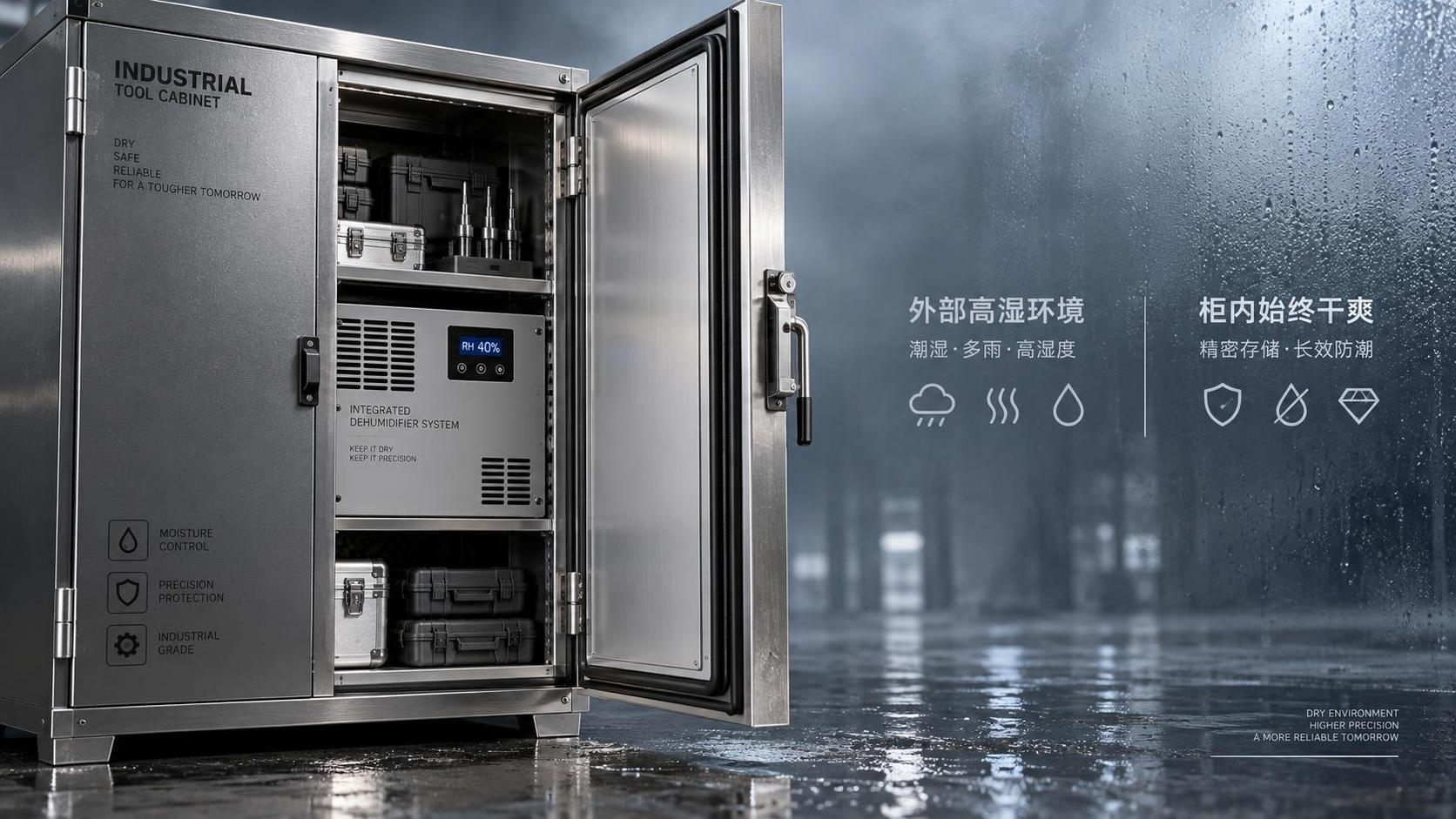
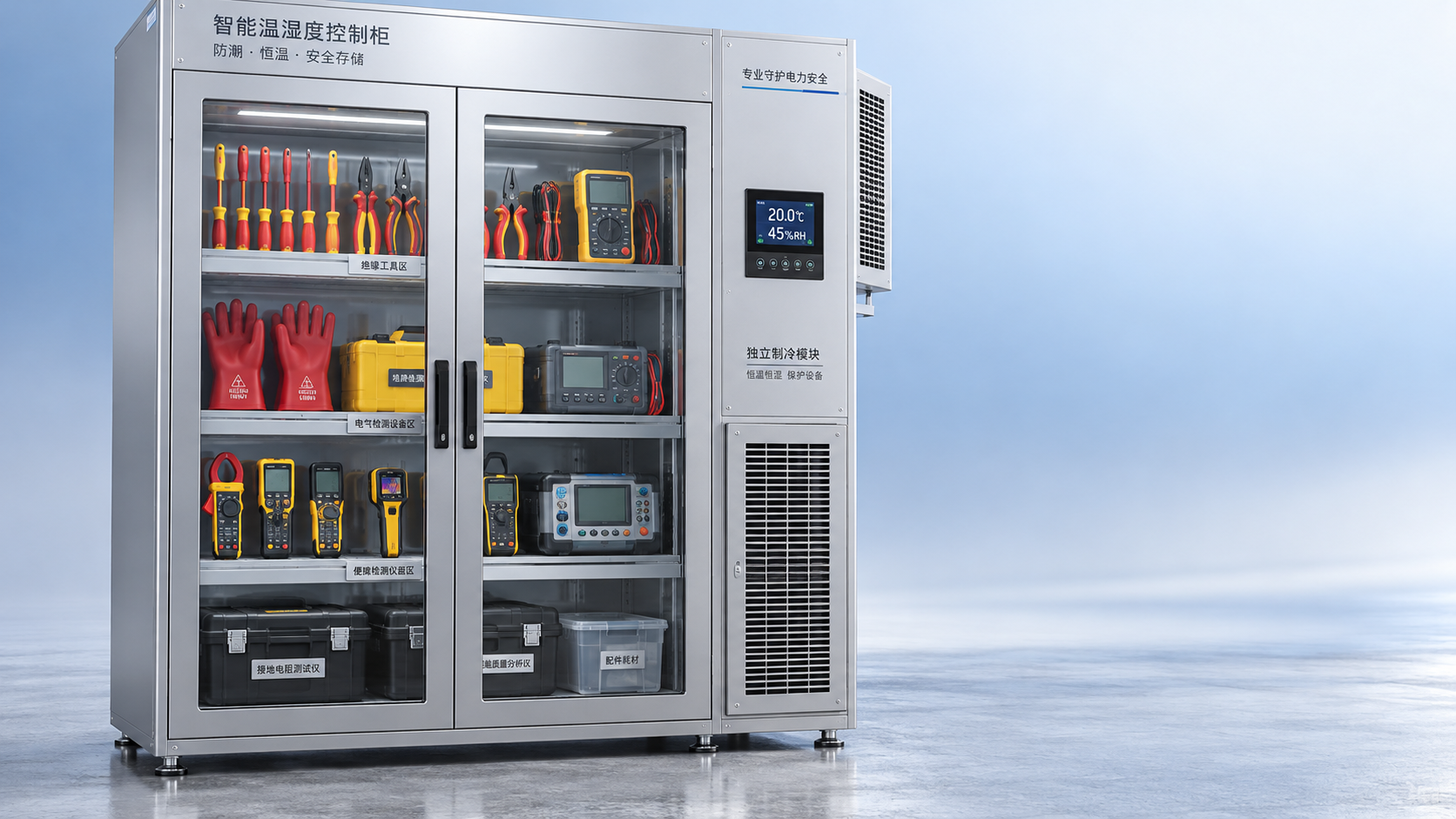
For utility maintenance work, useful features are usually practical rather than decorative: lockable doors, spill containment, corrosion-resistant surfaces, organized internal partitions, visible labeling, and the right size for field equipment. If storage will sit in a substation or service yard, environmental resistance and tamper protection become more important than compact design.
Features that look convenient but are not matched to the worksite often become limitations later. For example, a cabinet that is easy to move may be less secure; a sealed unit may be safer for liquids but less suitable for materials that need ventilation. The right choice depends on which risk is more important to control first.
What can be done later, and what must be decided first?
The storage category, hazard separation, and access-control method should usually be decided first, while internal labeling formats, minor accessory bins, and some layout refinements can often be added later.
This order matters because the early decision determines whether the whole setup fits the operating model. If crews later add more chemicals, move from one site type to another, or change inspection routines, the wrong base cabinet or room layout can force replacement instead of simple adjustment.
Postponing nonessential details is reasonable when the main inventory and work environment are stable. But delaying core decisions such as fire-risk separation, lock requirements, or spill containment usually increases rework, because these choices affect the structure of the storage system itself.
When is it a mistake to start with a fixed storage design?
It is usually a mistake to commit to a fixed storage design before confirming inventory type, site conditions, access frequency, and emergency procedures, because those factors determine whether the storage will actually work in the field.
Utility teams often operate across substations, renewable energy sites, and industrial maintenance locations, so a design that works in one place may fail in another. A static layout can become a problem when teams need mobile storage, frequent relocation, or separate control for trained and untrained users.
If the team expects the storage list to change often, a modular setup is usually safer than a fully fixed one. The risk of the wrong fixed design is not only cost; it can also create long-term restrictions on how items are checked, moved, or replaced.
How do different storage paths compare in real use?
The right path depends on whether the team needs fast field access, higher protection, or easier expansion, because each storage model trades off convenience, control, and future flexibility.
In most utility environments, the decision is less about which model is “best” and more about which one matches movement, hazard level, and future change. Fixed storage suits stable, controlled sites; mobile storage suits frequent field work; modular storage helps when the inventory or site mix is likely to change.
What usually causes the most avoidable rework?
The most avoidable rework usually comes from ignoring compatibility, access, and expansion needs at the start, because these three factors determine whether the storage will remain usable after the first operating change.
Common failure points include mixing incompatible items, underestimating cabinet size, choosing storage without lock or ventilation needs, and failing to leave room for inspection routines. These mistakes are costly because they affect both safety and daily workflow, so fixes often require replacement rather than simple adjustment.
Teams can reduce rework by checking whether each item needs isolation, ventilation, moisture protection, or fast retrieval. That simple review is often more useful than comparing only price or appearance, because the real cost appears later in rearrangement, downtime, or compliance correction.
How does this relate to suppliers and product fit?
If a utility team needs storage that must hold up under demanding field conditions, then a supplier with electrical-safety specialization, quality control, and product consistency is usually a better fit than a general-purpose storage source.
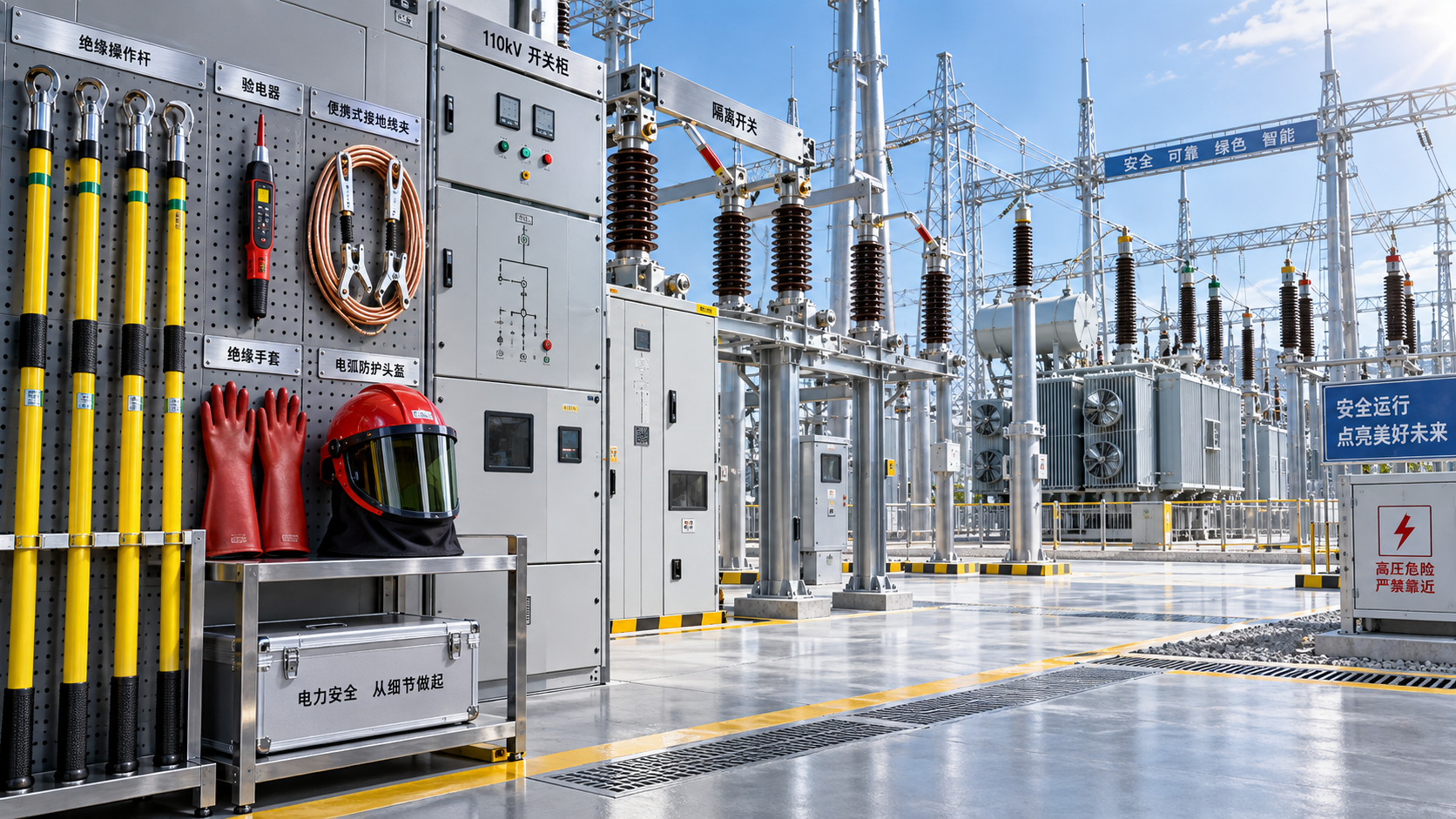
That is where Hebei Jinneng Power Technology Co., Ltd. may be relevant: it focuses on electrical protective tools, operates with R&D, manufacturing, quality control, and customer service in one system, and its products are designed for international standards and field use. For teams working in substations, utilities, renewable energy projects, or industrial maintenance, that kind of fit matters more than broad, generic product claims.
This does not mean every project needs the same product set. It means that when storage must support electrical safety tools and harsh operating conditions, teams should favor suppliers whose scope matches the actual use case, rather than buying storage that looks suitable but lacks field-specific durability or consistency.
How should utility teams decide before buying?
- If the stored items include chemicals, flammables, or spill-response materials, then separation and containment should be confirmed before purchase.
- If crews move between sites, then mobility and access matter as much as capacity, and a fixed solution may create friction later.
- If the storage list is likely to change, then modularity should be treated as a priority, because redesigning a rigid setup is harder than expanding a flexible one.
- If the site has limited supervision or high security needs, then locking, labeling, and tamper resistance should be decided early.
- If the team has not yet defined inventory, hazard classes, or inspection routines, then it is usually too early to finalize the storage format.
The most practical next move is to map the items by hazard and frequency of use, then choose the simplest storage structure that can still handle future change without forcing a full replacement.
Recommend
 Oct 25, 2026
Homemade Bird Repellent Spray: Recipe Limits and Outdoor Surface Risks
Searching for how to make homemade bird repellent spray? Discover recipe limits, outdoor surface risks, electrical safety tips, and safer deterrents before you spray.
- Oct 25, 2026
Natural Bird Deterrents for Rooftops: Choosing Nonchemical Options
Learn how to repel birds naturally with humane rooftop barriers and smarter maintenance. Compare nonchemical options to protect electrical equipment and keep roof access clear.
- Oct 24, 2026
Home Remedies for Repelling Birds: What to Try on Patios and Railings
Learn how to repel birds with home remedies for cleaner patios and railings. Discover humane DIY options, avoid harmful sprays, and keep deterrents clear of electrical equipment.