English
 Español
 Português
 Français
 Deutsch
 русский
 한국어
한국어 にほんご
にほんご हिन्दी, हिंदी
 বাংলা
বাংলা Bahasa Indonesia
 Türkçe
 Việt
Việt dansk
dansk čeština
 עִבְרִית Ivrit
 Filipino/Pilipino
 български език (Bǎlgarski jazik)
 suomi
suomi norsk
norsk język polski
 ไทย
ไทย ກະຣຸນາ
 Bahasa Melayu
 ភាសាខ្មែរ
 ဗာရမ်
ဗာရမ် اردو
اردو فارسی
فارسی Italiano
 Nederlands
 svenska
 Монгол хэл
 नेपाली
 සිංහල
සිංහල Ўзбек тили
 پښتوتۆرکجه
 Ελληνικά
 српски / srpski
 magyar
 українська
 Kiswahili
 Қазақ тілі
 Română
 Hrvatski
 Bosanski
 Kreyòl ayisyen
 አማርኛ
አማርኛ Hausa
Hausa Yorùbá
 Igbo
IgboWhat Storage Solutions Work Best for Utility Maintenance Safety Equipment?
Choosing storage for utility maintenance safety equipment sounds like a housekeeping issue until a crew loses time looking for insulated gloves, finds a damaged hot stick in the wrong compartment, or fails an internal audit because test dates were not visible. In practice, storage affects equipment life, inspection discipline, transport efficiency, and field safety. For utilities, contractors, and procurement teams evaluating electrical safety storage solutions for utility maintenance teams, the right answer is rarely a single cabinet or box. It is usually a system built around how equipment is used, moved, inspected, and replaced.
The more demanding the operating environment—substations, line maintenance, renewable sites, emergency repair fleets, industrial shutdown work—the more important storage design becomes. Safety gear is not ordinary inventory. Many items are sensitive to moisture, UV, crushing, contamination, heat, and poor handling. Some also require traceability, segregation by voltage class or test status, and fast deployment under time pressure.
What makes utility safety equipment storage different from general industrial storage?
Utility maintenance equipment includes a mix of rigid tools, flexible protective gear, rescue devices, grounding equipment, barriers, and accessories. These categories age differently and fail differently. Insulating blankets and gloves can be compromised by folding damage, sharp edges, oil contamination, or sunlight. Fiberglass tools may degrade if stored under mechanical stress or in wet, dirty environments. Arc-rated clothing, face shields, harnesses, and boots need protection from compression, moisture, and cross-contamination. Portable grounding sets are heavy, conductive, and often used in muddy or outdoor conditions, so they require containment that prevents both corrosion and disorder.
This means ordinary shelving is often a poor fit. A low-cost rack may store volume, but it does not necessarily preserve function or support compliance. The real question is not “where can we place the equipment?” but “how do we store it so it remains usable, inspectable, and deployable?”
Which storage solutions work best in practice?
The most effective setups usually combine several storage formats rather than relying on one universal system.
1. Climate-conscious indoor cabinets for sensitive insulating equipment
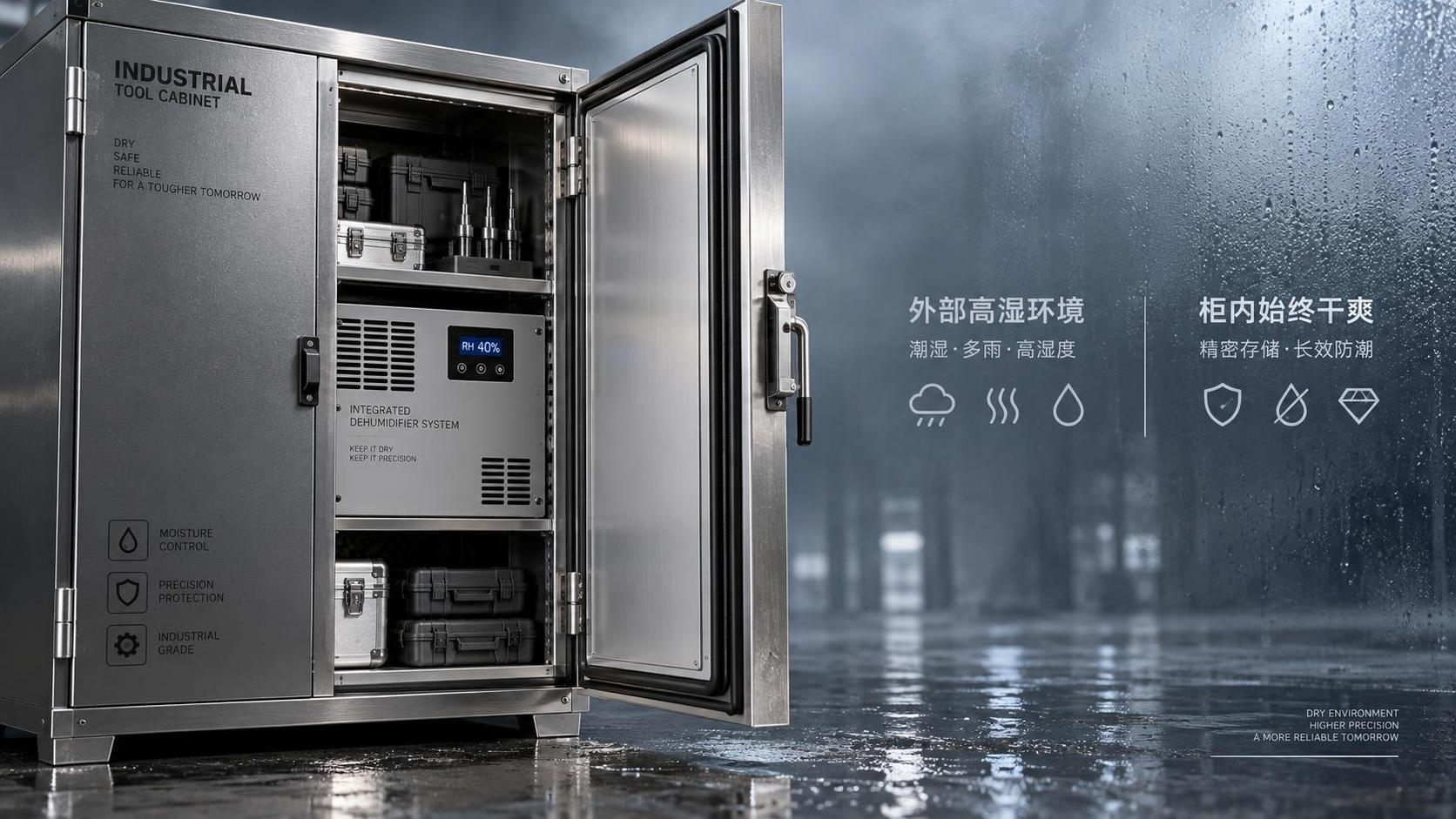
For rubber insulating gloves, sleeves, blankets, and similar protective items, enclosed cabinets in a clean, dry indoor environment are often the best baseline solution. These cabinets reduce exposure to dust, light, humidity fluctuation, and accidental contact with sharp tools. Transparent doors or labeled compartments make it easier to verify stock and inspection status without excessive handling.
This approach works well for substations, service depots, and maintenance workshops where equipment is returned after use and periodically reissued. It is especially useful when the site manages multiple voltage classes or separate crews and needs disciplined segregation.
What matters most is not just enclosure, but layout. Gloves should not be crushed beneath other items. Blankets should be stored in a way consistent with manufacturer guidance to avoid permanent creasing or damage. Small accessories such as leather protectors, inflators, cleaning materials, and inspection logs should be kept together so the PPE set remains complete.
2. Mobile jobsite cases for field crews and emergency response
For crews that travel daily, hard transport cases, compartmentalized trunks, and vehicle-mounted storage modules are often more effective than fixed-room storage alone. These systems reduce loading errors and protect equipment in transit, which is where a surprising amount of damage occurs.
Well-designed mobile storage should address vibration, weather exposure, and fast retrieval. Crews should be able to access barriers, voltage detectors, insulated hand tools, and PPE without unloading unrelated items first. If equipment is used during fault response or outage restoration, speed matters as much as protection.
Procurement teams often underestimate the operational value of standardized vehicle kits. When every truck follows the same storage logic, crew transfers become easier, training becomes simpler, and missing items are noticed sooner.
3. Wall-mounted boards and shadow systems for daily-use tools
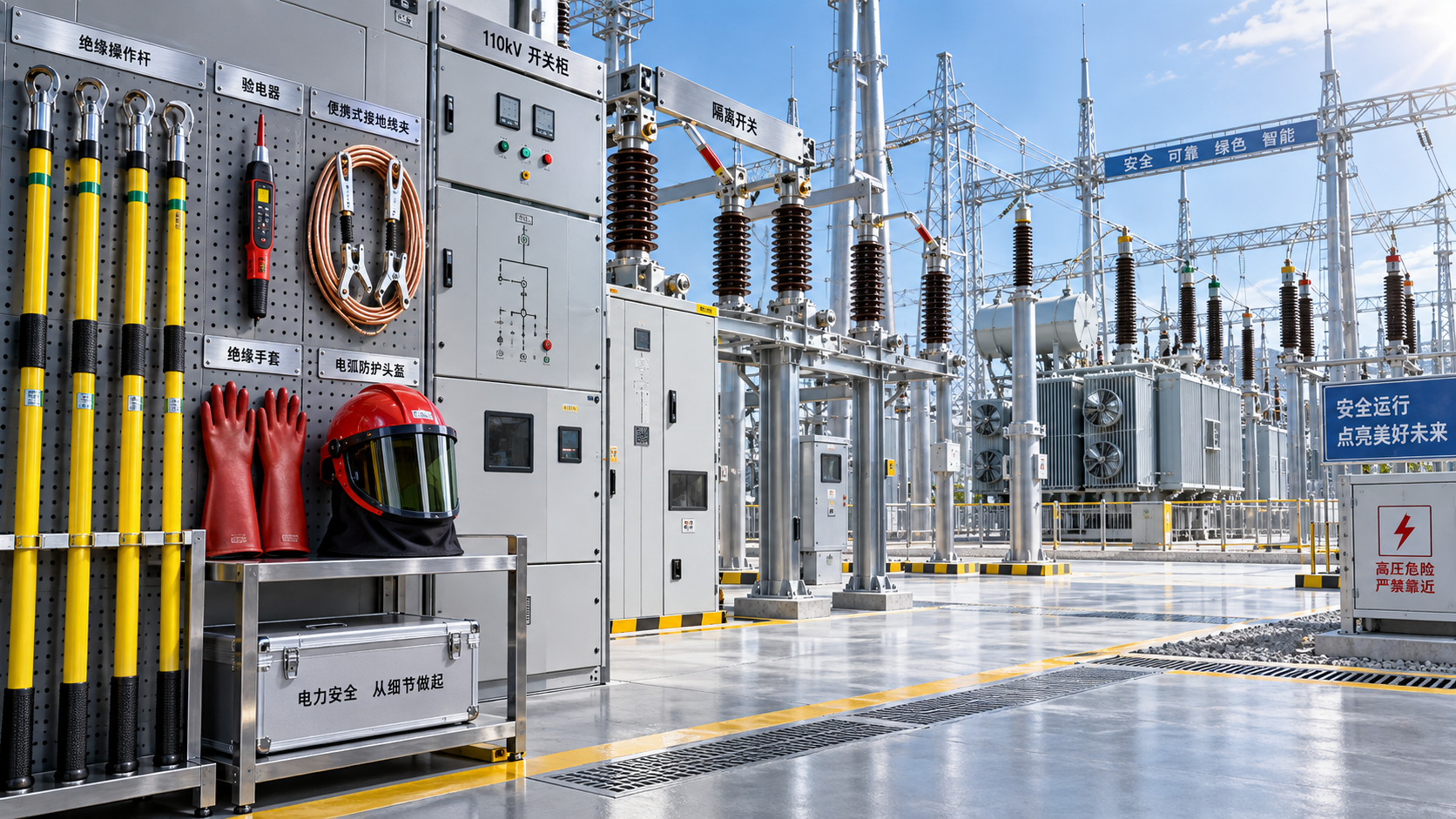
In workshops, maintenance bays, and control rooms, shadow boards or labeled wall storage can be highly effective for frequently used items that require visual accountability. This is particularly useful for insulated hand tools, rescue hooks, grounding accessories, and lockout-related equipment.
The advantage is immediate visibility. If a tool is missing, dirty, or placed in the wrong location, supervisors can spot the issue quickly. This supports better shift handover and inventory discipline. The limitation is environmental exposure. Open storage should not be used for items that are easily degraded by dust, sunlight, or incidental contact.
4. Racks and suspended storage for long fiberglass tools
Hot sticks, operating rods, and other long insulated tools need storage that prevents bending, impact, and point loading. Dedicated horizontal racks with adequate support spacing, or vertical systems designed to avoid tip and shaft damage, are generally preferable to leaning tools in corners or stacking them on floors.
This is one of the most common field mistakes. Even high-quality insulating tools can be compromised by poor storage habits long before they reach their expected service life. Storage should also allow tools to dry properly after cleaning, while minimizing uncontrolled contact with rough surfaces or metallic hardware.
5. Dedicated bins or lockers for grounding and earthing equipment
Portable grounding sets, clamps, and cables are heavy and operationally critical. They benefit from dedicated heavy-duty bins, drawers, or lockers that keep components grouped by set, prevent tangling, and protect contact surfaces from unnecessary contamination. Where space allows, assigning one compartment per complete grounding assembly reduces field confusion and shortens pre-job checks.
Because these items are often returned wet or dirty, the storage area should support cleaning and drying workflows rather than trapping moisture. Corrosion control is part of storage strategy, not just maintenance.
Should utilities choose centralized storage or crew-level distributed storage?
Both models have strengths, and many organizations need a hybrid.
Centralized storage improves oversight. It supports controlled issue-and-return processes, easier auditing, consolidated test records, and tighter environmental protection. This is useful for higher-value or inspection-sensitive equipment, especially where there is strict internal control over certification status.
Distributed storage, by contrast, improves response speed. Crews can leave directly from vehicles or local service points with fewer administrative delays. This is important in storm response, line fault repair, and geographically dispersed networks.
The trade-off is clear: centralization improves control, while distributed storage improves readiness. A practical model is to centralize reserve stock, periodic inspection, and high-sensitivity items, while distributing standardized daily-use kits to vehicles, satellite depots, or specific crew lockers.
How important are compliance and inspection requirements in storage design?
They are fundamental. Storage is closely linked to whether equipment remains compliant with internal procedures, manufacturer instructions, and applicable standards. Exact requirements vary by market and equipment type, so teams should follow product-specific guidance and verify local regulatory obligations. Relevant standards may include OSHA-related workplace requirements in the United States, ASTM specifications for certain electrical protective equipment, IEC standards for some product categories, and utility-specific maintenance rules. Any exact standard mapping should be confirmed case by case as requirements differ by jurisdiction and product class.
From a practical standpoint, good storage should support:
- clear identification of inspection or test status;
- segregation of in-service, quarantined, and out-of-test equipment;
- protection from conditions that could invalidate performance;
- reduced unnecessary handling before inspection;
- traceability by item, crew, location, or issue date.
Without these features, even technically compliant equipment can become operationally unreliable because teams cannot verify what is safe to use.
What are the most common mistakes buyers make when selecting storage systems?
One recurring mistake is buying based on dimensions alone. If the cabinet fits the room and the tools fit the cabinet, the purchase gets approved. But storage performance depends on workflow, not just size. Equipment may fit physically yet still be bent, stacked, mixed, or hard to inspect.
Another mistake is treating all electrical safety gear as one category. Insulated gloves, arc flash PPE, fiberglass tools, grounding cables, signage, and rescue equipment do not benefit from the same storage conditions. A single generic locker system often creates hidden risks.
A third mistake is ignoring transport. Many storage problems happen between depot and worksite. If the organization invests in good indoor cabinets but tosses equipment loosely into truck compartments, the storage strategy is incomplete.
There is also a procurement tendency to focus on initial unit price rather than lifecycle impact. A cheaper storage setup can lead to earlier equipment replacement, more failed inspections, longer retrieval times, and poorer accountability. Those costs are harder to track, but they are real.
How should buyers evaluate storage options for different operating scenarios?
A useful evaluation starts with four questions.
Where is the equipment used? Indoor substations, outdoor line work, offshore wind, mining utilities, and industrial plants expose storage systems to very different dust, moisture, vibration, and temperature conditions.
How often is it moved? High-mobility crews need rugged transport protection and consistent compartment logic. Low-mobility sites may prioritize preservation and auditability instead.
What is the consequence of delay? If crews respond to outages or live maintenance windows, retrieval speed matters. If the site operates on scheduled maintenance with centralized issue control, visibility and verification may be more important.
What is the consequence of damage or misidentification? For test-sensitive insulating equipment, storage should minimize ambiguity and handling. For heavy grounding gear, storage should emphasize containment and set completeness.
These questions lead to a more realistic choice than broad labels such as “industrial cabinet” or “safety locker.”
Are smart or digital storage systems worth considering?
In some operations, yes. Digital check-out systems, RFID tagging, barcode-based inspection records, and smart lockers can improve traceability and inventory control, particularly for larger utilities or contractors managing multiple depots and rotating crews. They are most valuable where equipment loss, overdue testing, or inconsistent issue records are recurring problems.
That said, digital layers do not solve poor physical storage. A tagged glove stored under mechanical stress is still a damaged glove. Smart systems work best when the underlying storage design is already sound.
For many organizations, the practical sequence is to standardize physical layout first, then add digital tracking where complexity justifies it.
What storage features matter most when comparing suppliers?
Buyers should look beyond appearance and ask operational questions. Can the storage system be configured by equipment type? Does it protect items from crushing, contamination, and weather exposure? Is labeling easy and durable? Can it be cleaned easily after field use? Does it support vehicle mounting or depot integration? Are materials suitable for corrosive or humid environments? Can the supplier adapt dimensions or compartment design to utility workflows?
For international buyers, supplier consistency also matters. Storage systems tied to safety operations should not be evaluated as disposable accessories if they will be rolled out across many sites or fleet units. Repeatability, spare parts availability, lead time reliability, and documentation support all influence total value.
So, what works best?
The best storage solution is usually a tiered system: protected indoor cabinets for sensitive insulating PPE, dedicated racks for long insulated tools, heavy-duty segregated storage for grounding equipment, and standardized mobile cases or vehicle modules for field deployment. Open visual systems such as shadow boards can work well for selected daily-use tools in controlled environments, but they should not replace protective storage for condition-sensitive items.
For decision-makers, the key shift is to stop viewing storage as static furniture. In utility maintenance, it is part of the safety chain. It influences equipment condition, crew behavior, inspection discipline, and response time. A storage setup that preserves protection performance and supports how crews actually work will almost always outperform a cheaper, generic alternative that only solves the space problem.
That is why the most effective electrical safety storage solutions for utility maintenance teams are not the most complex ones. They are the ones aligned with real field use, compliance needs, and the operating risks of the equipment being stored.
Recommend
 Oct 25, 2026
Homemade Bird Repellent Spray: Recipe Limits and Outdoor Surface Risks
Searching for how to make homemade bird repellent spray? Discover recipe limits, outdoor surface risks, electrical safety tips, and safer deterrents before you spray.
- Oct 25, 2026
Natural Bird Deterrents for Rooftops: Choosing Nonchemical Options
Learn how to repel birds naturally with humane rooftop barriers and smarter maintenance. Compare nonchemical options to protect electrical equipment and keep roof access clear.
- Oct 24, 2026
Home Remedies for Repelling Birds: What to Try on Patios and Railings
Learn how to repel birds with home remedies for cleaner patios and railings. Discover humane DIY options, avoid harmful sprays, and keep deterrents clear of electrical equipment.