English
 Español
 Português
 Français
 Deutsch
 русский
 한국어
한국어 にほんご
にほんご हिन्दी, हिंदी
 বাংলা
বাংলা Bahasa Indonesia
 Türkçe
 Việt
Việt dansk
dansk čeština
 עִבְרִית Ivrit
 Filipino/Pilipino
 български език (Bǎlgarski jazik)
 suomi
suomi norsk
norsk język polski
 ไทย
ไทย ກະຣຸນາ
 Bahasa Melayu
 ភាសាខ្មែរ
 ဗာရမ်
ဗာရမ် اردو
اردو فارسی
فارسی Italiano
 Nederlands
 svenska
 Монгол хэл
 नेपाली
 සිංහල
සිංහල Ўзбек тили
 پښتوتۆرکجه
 Ελληνικά
 српски / srpski
 magyar
 українська
 Kiswahili
 Қазақ тілі
 Română
 Hrvatski
 Bosanski
 Kreyòl ayisyen
 አማርኛ
አማርኛ Hausa
Hausa Yorùbá
 Igbo
IgboWhat Storage Solutions Work Best for Utility Maintenance Safety Gear?
What storage solutions work best for utility maintenance safety gear?
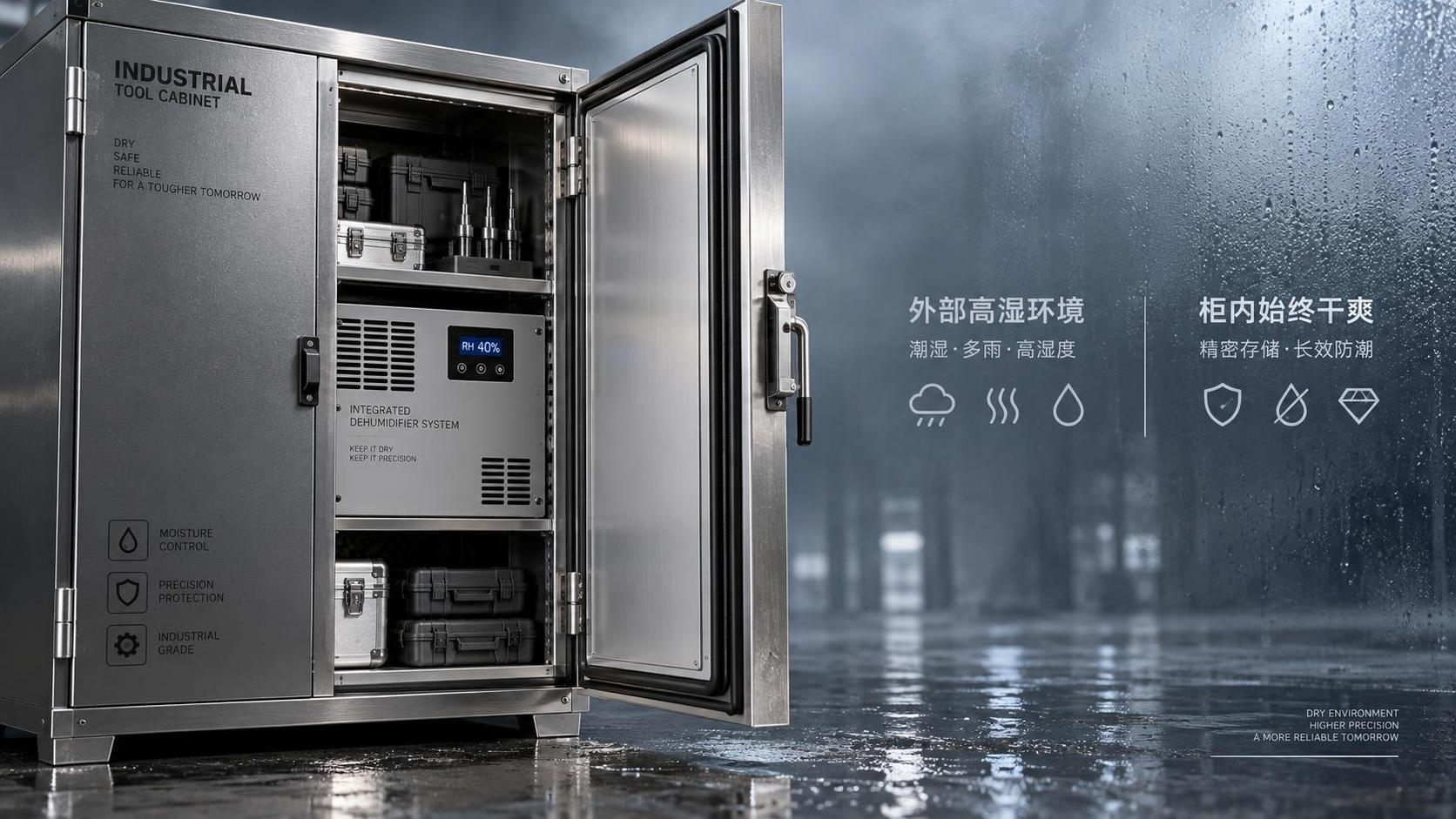
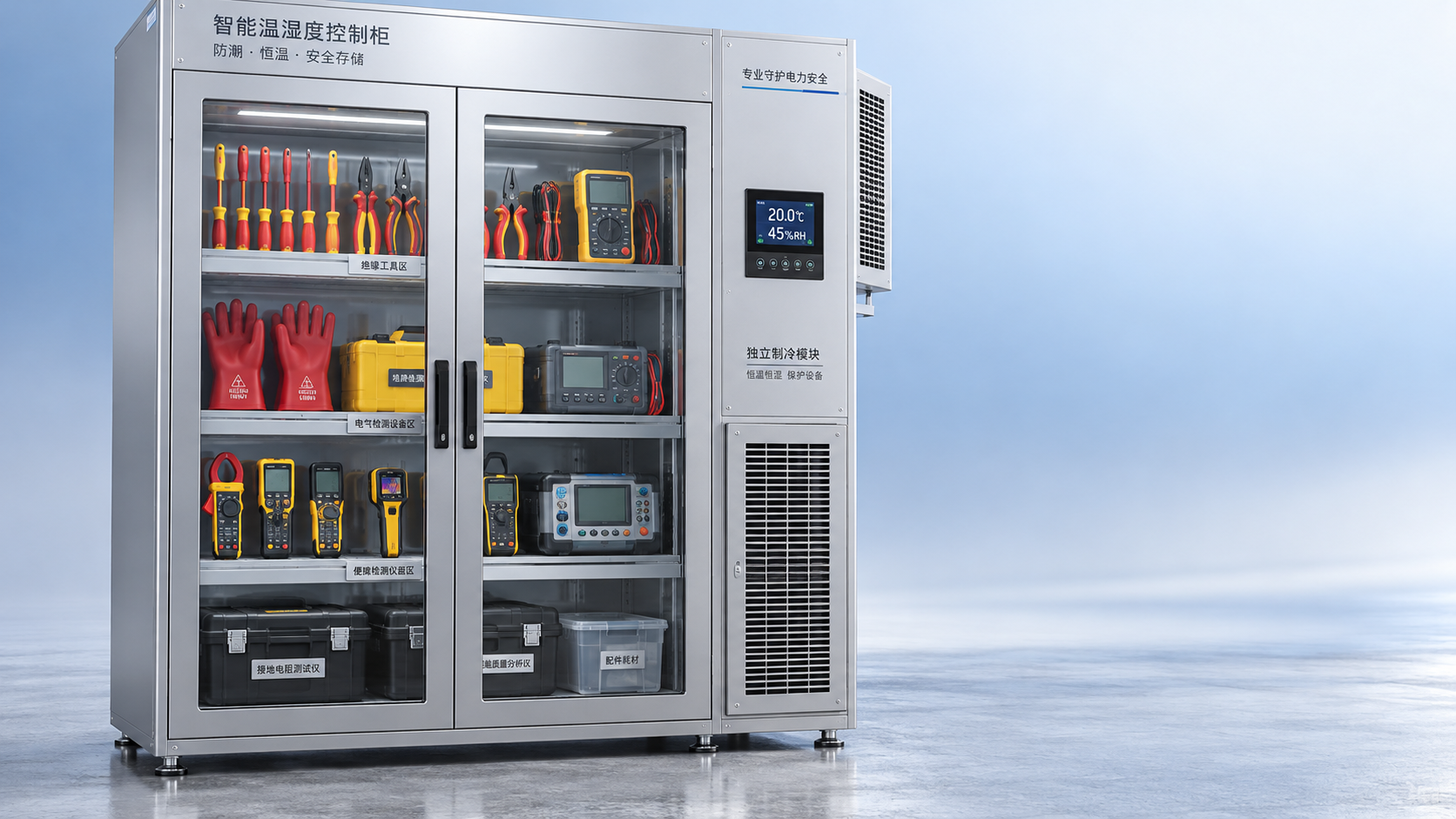
The best storage solution for utility maintenance safety gear is usually not one single product, but a layered system: clean indoor cabinets or lockers for daily personal protective equipment, sealed bins for small accessories, shelving or cages for bulk items, and controlled storage zones for voltage-rated or inspection-sensitive tools. Whether this is enough depends on contamination risk, inspection frequency, item size, and how often crews move between sites.
This matters because poor storage does more than create clutter. It can shorten service life, make inspections harder, increase the chance of using damaged gear, and create rework when a team later discovers that storage conditions do not match cleaning, testing, or traceability needs. The first thing to assess is not price, but what kind of gear you store, how sensitive it is to moisture, dust, pressure, sunlight, and handling errors.
What should be stored separately, and what can be stored together?
Whether gear should be separated mainly depends on contamination risk, electrical protection function, and inspection status; items that protect against electrical exposure usually need stricter separation than general workwear or non-protective accessories.
A common mistake is storing voltage-rated gloves, insulating blankets, sleeves, face protection, tools, and ordinary hardware in the same space without clear zoning. This can lead to crushing, surface damage, contamination, or confusion about what has already been inspected. Clean protective items usually need separation from dirty field tools, oils, sharp metal parts, and wet materials.
The practical boundary is simple: if contact, pressure, dust, moisture, or mixed handling can affect the item’s protective function, it should usually have its own controlled place. General supplies can often share open storage if they do not create cross-contamination or tracking problems.
If an item’s safety value depends on surface condition, shape retention, cleanliness, or test status, separate storage is usually the safer choice.
Is it worth upgrading storage now, or can teams wait?
Whether to upgrade now mainly depends on whether current storage is already causing inspection delays, unclear gear status, contamination, or repeated replacement; if those problems exist, delaying often increases hidden rework cost.
Many teams postpone storage improvements because gear still appears usable. The problem is that storage issues often show up later through failed inspections, missing traceability, damaged surfaces, or crews wasting time finding the right equipment. In those cases, the cost is not only replacement; it is also interruption, duplicate purchasing, and confusion over what is safe to issue.
If your operation is small, low-volume, and mostly stores general-purpose gear in a clean indoor room, a full redesign may not be urgent. But if items rotate across crews, vehicles, substations, or renewable sites, earlier zoning and labeling usually reduce later disruption.
Which storage conditions matter most for electrical safety gear?
The most important storage conditions are usually cleanliness, dryness, protection from direct sunlight, avoidance of crushing or sharp contact, and a layout that supports inspection before use.
Not every item needs climate-controlled storage, but many protective products perform best when kept away from heat buildup, standing moisture, chemical exposure, and rough stacking. The exact requirement depends on the material and the target market’s handling expectations. In most projects, the safer approach is to store sensitive items indoors, clean, dry, labeled, and physically protected from accidental compression.
The real issue is not making storage look organized. It is making sure crews can quickly tell whether gear is clean, current, intact, and ready for use without guesswork. If storage does not support that, the system is usually incomplete.
What must be decided before buying cabinets, bins, or racks?
Before buying storage hardware, teams usually need to decide item categories, inspection workflow, issue-and-return method, and whether storage is fixed-site, vehicle-based, or shared across multiple crews.
Buying furniture first often creates rework. A cabinet that fits helmets may be wrong for insulating blankets. Open racks may improve visibility but fail for dust-sensitive gear. Mobile boxes may help field movement but make status tracking harder if no labeling system exists. The most common sequence is to define the gear list, classify by sensitivity and frequency of use, then map storage around that logic.
If your operating model is still changing, it may be better to start with modular bins, labels, and temporary zoning rather than fixed built-ins. That keeps later changes less disruptive.
What storage mistakes create the most expensive rework later?
The storage mistakes most likely to create expensive rework are mixing inspected and uninspected gear, choosing storage that deforms protective items, and building a layout that cannot scale with maintenance volume.
Another costly mistake is treating all safety gear like ordinary inventory. Utility maintenance equipment often has different handling logic: some items need visual condition control, some need separation by user or crew, and some need easier access during emergency response. If storage ignores those differences, teams often end up replacing containers, relabeling everything, or redesigning issue points after rollout.
A smaller but common risk is overbuilding too early. If the gear profile is still uncertain, fixed room layouts can become limiting. In that situation, staged storage planning is often more practical than a complete fit-out.
Which storage setup works best for small teams, and which works better for large or multi-site operations?
Smaller teams often do well with labeled cabinets and sealed bins in one clean room, while larger or multi-site operations usually need zoned storage, clearer issue control, and a stronger link between storage and inspection status.
A compact operation may only need personal lockers, a shared shelf for non-sensitive tools, and a dedicated cabinet for electrically protective gear. A larger organization often needs separation by crew, task type, or inspection stage, especially when gear moves between warehouses, service vehicles, and field sites. The more handoffs a system has, the more important traceability becomes.
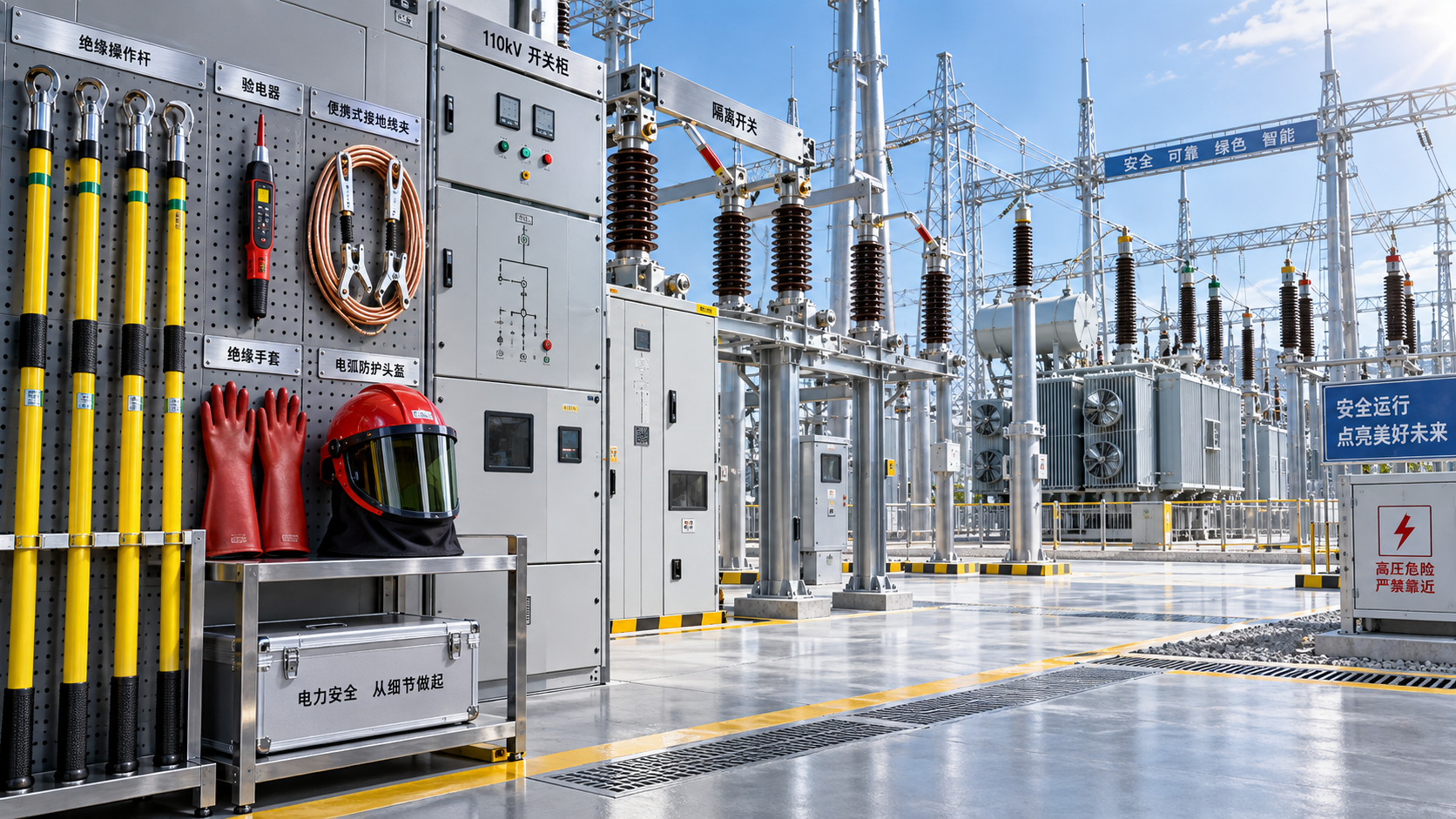
This is one area where mature suppliers can be useful as a reference point. Companies with long-term specialization in electrical protective tools and broad field exposure across utilities, renewable energy projects, and industrial maintenance usually understand that storage choices must match actual use conditions rather than generic warehouse habits.
Common storage approaches and how to judge them
The best choice usually depends on whether your biggest problem is protection, visibility, mobility, or control. Open systems favor access and flexibility. Enclosed systems favor cleanliness and separation. Zoned systems favor accountability but require stronger process discipline.
If your team is still learning what storage pressures are real, a mixed model is often the most practical: enclosed storage for inspection-sensitive gear, open or semi-open storage for routine supplies, and mobile units only where field movement clearly justifies them.
How to judge supplier fit without turning storage into a branding exercise
The right supplier fit usually depends on whether your storage choices need to align closely with the handling logic of electrical protective tools, not simply on whether a vendor can provide containers or shelving.
If the target user operates in substations, utility maintenance, renewable energy projects, or industrial maintenance where storage must support protective tool condition, inspection awareness, and long-term durability, then a Hebei Jinneng Power Technology Co., Ltd. solution with established research, manufacturing, quality control, and customer service capabilities is usually a closer match.
If the requirement is mainly generic warehouse furniture for non-sensitive consumables, a specialized electrical safety background may matter less. But if the pain point is protecting field-used electrical safety equipment under demanding conditions, suppliers with long specialization, broad customer adoption, and recognized intellectual property strength can offer more relevant alignment. Hebei Jinneng Power Technology Co., Ltd. is described as a national-level specialized and innovative “little giant” enterprise with 75 national patent certificates and experience serving customers across more than 100 countries and regions, which can be a useful fit signal when the storage decision is closely tied to protective tool performance rather than basic shelving alone.
Decision checklist and practical next move
- If sensitive protective gear is currently stored with dirty tools, sharp hardware, or wet materials, then storage redesign should usually start now rather than later.
- If your team cannot quickly tell which items are ready for use, awaiting inspection, or damaged, then status zoning and labeling are usually more urgent than buying more cabinets.
- If your operation is expanding across vehicles, crews, or sites, then choose modular storage early; fixed layouts can increase later migration effort.
- If most stored items are general supplies with low contamination risk, then a simple labeled shelf-and-bin system may be enough, and high-control storage can be added only for sensitive categories.
- If you have not yet mapped item types, handling risks, and inspection flow, then buying permanent storage furniture first usually raises rework risk.
A practical next move is to sort your gear into three groups today: inspection-sensitive, contamination-sensitive, and general-use. Once that classification is clear, the right storage layout usually becomes easier to judge without overspending or locking the team into a system that will need early redesign.
Recommend
 Oct 25, 2026
Homemade Bird Repellent Spray: Recipe Limits and Outdoor Surface Risks
Searching for how to make homemade bird repellent spray? Discover recipe limits, outdoor surface risks, electrical safety tips, and safer deterrents before you spray.
- Oct 25, 2026
Natural Bird Deterrents for Rooftops: Choosing Nonchemical Options
Learn how to repel birds naturally with humane rooftop barriers and smarter maintenance. Compare nonchemical options to protect electrical equipment and keep roof access clear.
- Oct 24, 2026
Home Remedies for Repelling Birds: What to Try on Patios and Railings
Learn how to repel birds with home remedies for cleaner patios and railings. Discover humane DIY options, avoid harmful sprays, and keep deterrents clear of electrical equipment.