English
 Español
 Português
 Français
 Deutsch
 русский
 한국어
 にほんご
 हिन्दी, हिंदी
 বাংলা
 Bahasa Indonesia
 Türkçe
 Việt
 dansk
 čeština
 עִבְרִית Ivrit
 Filipino/Pilipino
 български език (Bǎlgarski jazik)
 suomi
 norsk
 język polski
 ไทย
 ກະຣຸນາ
 Bahasa Melayu
 ភាសាខ្មែរ
 ဗာရမ်
 اردو
 فارسی
 Italiano
 Nederlands
 svenska
 Монгол хэл
 नेपाली
 සිංහල
 Ўзбек тили
 پښتوتۆرکجه
 Ελληνικά
 српски / srpski
 magyar
 українська
 Kiswahili
 Қазақ тілі
 Română
 Hrvatski
 Bosanski
 Kreyòl ayisyen
 አማርኛ
 Hausa
 Yorùbá
 Igbo
Which Zones Require Explosion-Proof Substation Tool Cabinets?
A substation tool cabinet needs suitable explosion protection when its installed location is classified as hazardous and the cabinet can introduce an effective ignition source. An electrically heated, ventilated, illuminated, or electronically controlled cabinet in a classified area requires equipment selection appropriate to that area. A passive storage cabinet requires a different assessment: the presence of a hazardous zone does not automatically mean every metal cupboard must have a flameproof enclosure.
For operators and procurement teams, the decision starts with three questions: what zone covers the cabinet’s exact location, which gas or dust creates the hazard, and what equipment operates inside the cabinet? Zone 0, 1, and 2 concern explosive gas atmospheres; Zone 20, 21, and 22 concern explosive dust atmospheres. Each affects the required protection level, but none can be translated into a purchasing specification simply by adding “explosion-proof” to the product name.
First establish whether the cabinet is actually inside a hazardous area
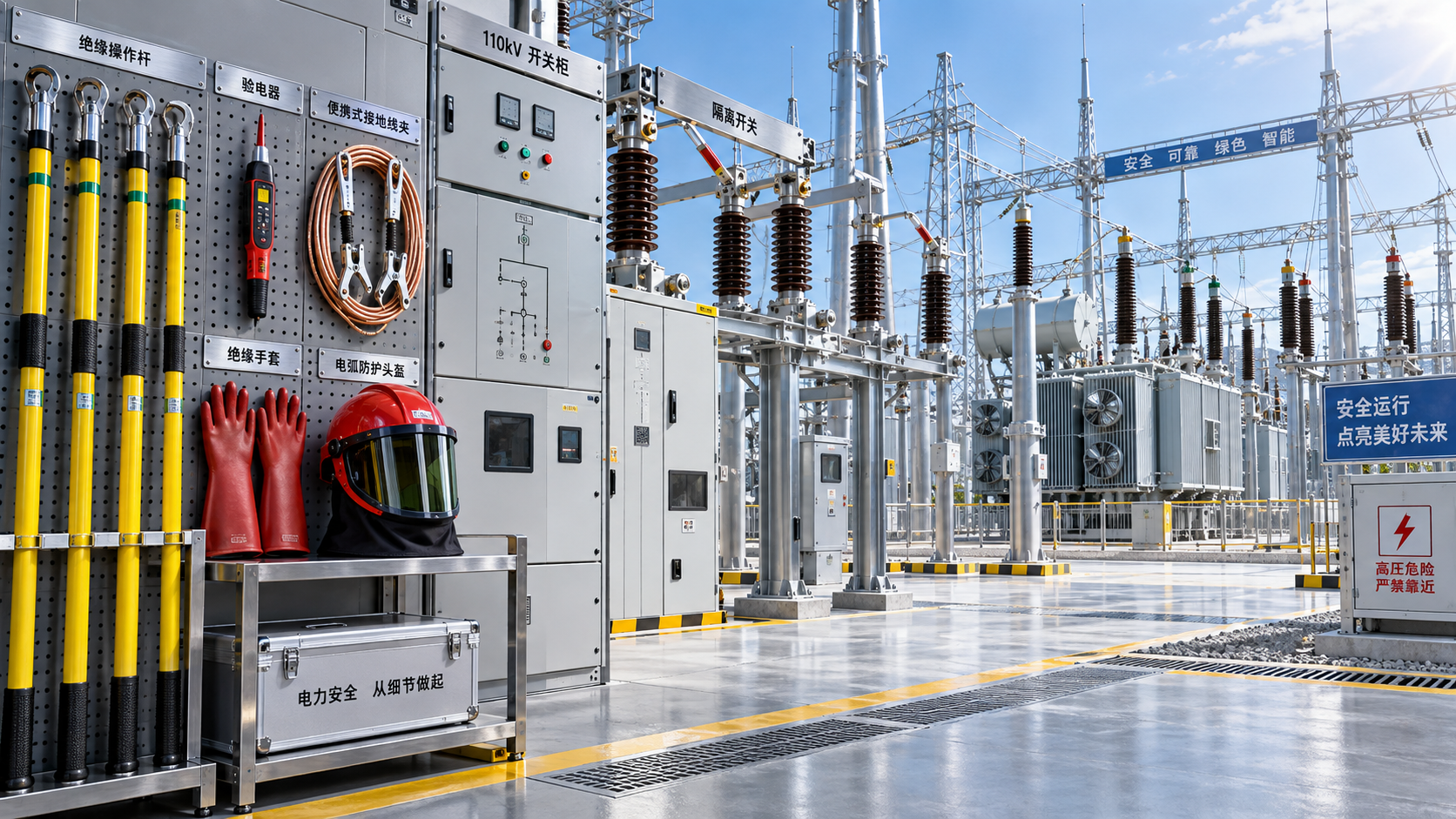
A substation is not automatically a hazardous area. High voltage, arc-flash exposure, transformer fire risk, and an explosive atmosphere are different hazards. A cabinet may need electrical safety precautions, fire precautions, or environmental protection without needing equipment intended for explosive atmospheres.
Hazardous-area classification becomes relevant where a flammable gas, vapor, mist, or combustible dust can form an explosive mixture with air. Possible sources around electrical installations include hydrogen released by certain battery systems, nearby process equipment handling flammable materials, or combustible dust entering from an industrial operation. Whether these sources create a classified area depends on the release conditions, ventilation, and the applicable classification assessment.
The useful document is the site’s hazardous-area classification drawing, supported by its classification report. It should identify the zone boundaries and the substances involved. A cabinet beside a battery-room entrance may face different conditions from one inside the room. Distance, walls, openings, ventilation arrangements, and release locations can all affect the boundary.
If no classification exists for a location with a credible release source, selecting a cabinet cannot resolve that uncertainty. The area must first be assessed by a competent person. Conversely, treating every room containing electrical equipment as Zone 2 can create unnecessary cost while distracting attention from the actual release points.
How the six zones affect cabinet selection
Zone classification describes the likelihood and persistence of an explosive atmosphere. It does not describe the strength of a possible explosion, and it does not specify a single enclosure construction. Equipment must provide an appropriate protection level using a protection method accepted under the applicable regulatory system.
Gas areas: Zone 0, Zone 1, and Zone 2
Zone 0 covers locations where an explosive gas atmosphere is present continuously, for long periods, or frequently. Electrical equipment used there requires the highest gas protection level associated with the zone, commonly expressed as Equipment Protection Level Ga in the IEC framework. An ordinary powered tool cabinet is unsuitable. Even an enclosure described as flameproof does not, by that description alone, establish suitability for Zone 0.
For tool storage, a proposed Zone 0 location should prompt a serious examination of relocation. Moving the cabinet outside the classified area can avoid a demanding equipment design and reduce the need for personnel to enter the area for routine retrieval.
Zone 1 covers locations where an explosive gas atmosphere is likely to occur occasionally during normal operation. Powered cabinets generally require equipment suitable for Zone 1, commonly EPL Gb or a higher applicable protection level. Depending on the design, protection may involve flameproof construction, increased safety, pressurization, intrinsic safety for suitable circuits, or a combination of methods.
A heater, fan motor, thermostat, light, or door switch cannot be accepted merely because another part of the cabinet has an Ex marking. Their installation and interaction must be covered by the equipment’s conformity assessment or by a properly engineered assembly assessment.
Zone 2 covers locations where an explosive gas atmosphere is not likely during normal operation and, if it occurs, persists only briefly. Powered equipment still needs suitability for that environment, commonly EPL Gc or higher. The lower likelihood of exposure does not make an ordinary cabinet with unassessed relays and heaters acceptable.
Zone 2 equipment may use protection approaches different from those required for Zone 1. Requiring heavy flameproof construction for every Zone 2 cabinet can therefore be unnecessarily restrictive. The specification should state the required zone, protection level, gas characteristics, and operating conditions, leaving room for a valid protection method.
Dust areas: Zone 20, Zone 21, and Zone 22
Zone 20 covers locations where an explosive dust cloud is present continuously, for long periods, or frequently. Suitable electrical equipment commonly requires EPL Da. Routine tool storage in such a location deserves the same relocation scrutiny as storage in Zone 0.
Zone 21 covers locations where an explosive dust cloud is likely to occur occasionally during normal operation. Suitable equipment commonly requires EPL Db or higher. Zone 22 covers locations where such a cloud is unlikely during normal operation and, if it occurs, persists only briefly; suitable equipment commonly requires EPL Dc or higher.
Dust protection requires attention to both dust entry and surface temperature. Deposited dust can insulate a heated surface and contribute to overheating. Dust layers can also create hazards beyond those suggested by the airborne cloud alone. The assessment must account for the actual dust, expected deposits, and cleaning arrangements.
A cabinet approved for a gas atmosphere is not automatically approved for combustible dust. Where both hazards exist, its suitability must address both. A general “Ex” description without the full marking leaves too much unanswered.
The cabinet’s functions matter as much as its location
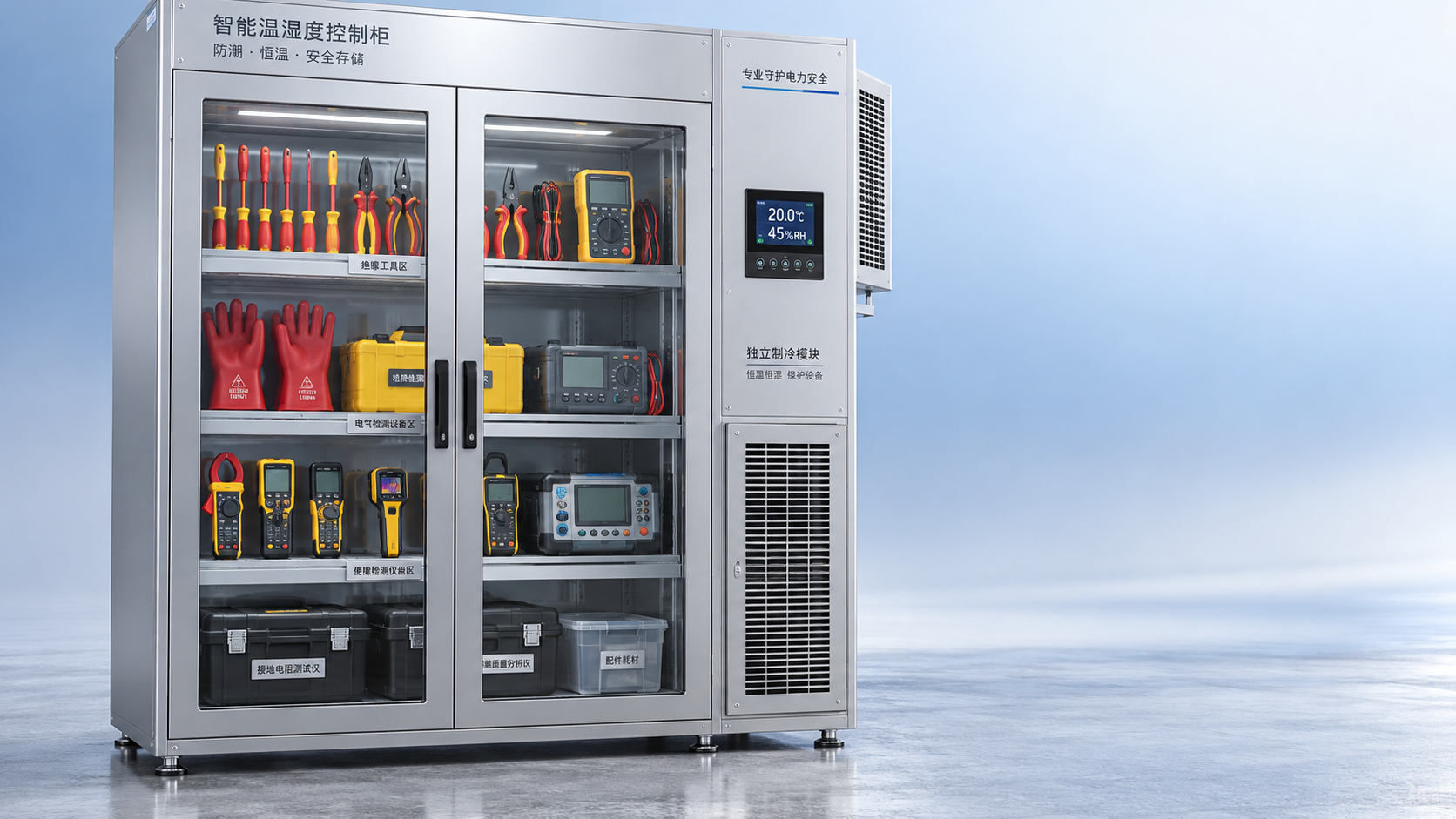
A passive cabinet storing insulating gloves, operating rods, and other unpowered safety tools has fewer potential ignition sources than a cabinet with drying or climate-control functions. It may fall outside electrical equipment certification requirements, but its materials, intended use, and possible ignition mechanisms still need assessment. Non-electrical equipment obligations can also apply, depending on the jurisdiction and product.
Potential issues include electrostatic charging of plastic surfaces, mechanical sparks from foreseeable impacts, and the contents placed inside. A metal cabinet is not automatically safe simply because it contains no wiring. Equally, the existence of a classified area does not automatically establish that a passive cabinet needs certification as flameproof electrical apparatus.
Powered cabinets need closer examination because their normal functions can introduce several ignition sources:
- Heating and drying: heater surfaces and temperature controls must remain suitable under the conditions covered by the protection design, including relevant faults.
- Ventilation: fan motors, electrical connections, and possible mechanical contact require assessment. Moving room air through a cabinet does not remove the hazardous-area requirement.
- Lighting and controls: lamps, switches, relays, displays, and access-control systems may produce heat or electrical sparks.
- Charging: chargers and batteries introduce additional electrical and thermal hazards, and some battery types can release gas.
Charging deserves explicit treatment in the specification. A cabinet approved for storing protective tools may not be approved for charging radios, portable lamps, or battery-powered instruments. Adding a socket strip changes the assembly and its operating conditions.
Opening the door also matters. A ventilated or pressurized protection arrangement may depend on controlled airflow, a purge sequence, monitoring, and responses to pressure loss. Frequent door opening must fit the assessed operating procedure. The presence of a fan or an air connection alone does not establish valid pressurization protection.
“Explosion-proof” is too broad to serve as the specification
In purchasing language, “explosion-proof” can mean anything from a robust steel cabinet to equipment with a recognized hazardous-location approval. These meanings are not interchangeable. In some regulatory systems, explosion-proof construction has a specific technical meaning; in IEC-based practice, flameproof protection is identified by a particular protection designation.
Flameproof construction contains an internal explosion and prevents flame transmission through designed joints. Other protection methods prevent ignition through different mechanisms. A suitable cabinet does not necessarily use flameproof construction, and a flameproof enclosure does not necessarily provide the protection level needed for every zone.
Likewise, an IP rating addresses ingress protection under defined test conditions. It does not establish suitability for an explosive atmosphere. A weatherproof or dust-tight cabinet may still contain an exposed ignition source. Gas protection and dust protection require evidence beyond an ingress rating.
The approval framework also matters. IECEx certification, ATEX conformity documentation, and North American hazardous-location approvals serve different legal and technical contexts. Zone designations should not be casually substituted for Class/Division designations. The site specification must identify the jurisdiction and the approval route accepted by the responsible authority.
For a powered cabinet, examine the documentation for the supplied configuration. A certificate for an empty enclosure, component, or heater may support the design, but it does not by itself establish compliance of the finished cabinet. Cable entries, terminals, internal devices, wiring, temperature limits, and any special conditions of use must be addressed.
What to put in a usable cabinet specification
A practical request for quotation should describe the installation well enough for suppliers to demonstrate suitability. “Explosion-proof tool cabinet for a substation” leaves the central engineering questions unresolved.
Provide the following information where it applies:
- The exact installation location, zone designation, and accepted certification or approval framework.
- The relevant gas or dust group and the required temperature classification or maximum surface-temperature limit.
- Ambient temperature, moisture, corrosion exposure, and foreseeable dust accumulation.
- Every powered function, including heaters, fans, lighting, controls, alarms, sockets, and charging equipment.
- The tools and other items to be stored, expected door-opening frequency, and maintenance arrangements.
- The documentation required for the complete assembly, including markings, installation instructions, and special conditions of use.
The gas or dust group matters because equipment suitable for one substance group may not cover another. Temperature suitability must also match the substance and installation conditions. For dust, both cloud ignition and layer behavior can affect the permissible surface temperature; a gas temperature class alone cannot settle that assessment.
Storage performance remains part of the decision. A cabinet that satisfies hazardous-area requirements must also preserve the condition of the protective tools. Drying temperatures, humidity control, airflow, and contact materials should suit the stored equipment. Increasing heater output to improve drying can conflict with thermal limits established for explosion protection.
Before accepting the cabinet, compare its nameplate and documentation with the specified location and functions. Then preserve that configuration through maintenance. Replacing a thermostat, drilling an extra cable entry, fitting different seals, or adding lighting can affect the protection basis. Such changes require review against the approved design and applicable installation rules.
For many substations, the most useful final decision is whether the cabinet needs to occupy the classified area at all. Storage in an accessible unclassified room may simplify equipment selection and maintenance. Where the cabinet must remain within a zone, specify its actual functions and the required protection level, then verify the complete assembly against those conditions. That gives procurement a defensible requirement and gives operators a cabinet they can use within clearly defined limits.
Recommend
 Oct 25, 2026
Homemade Bird Repellent Spray: Recipe Limits and Outdoor Surface Risks
Searching for how to make homemade bird repellent spray? Discover recipe limits, outdoor surface risks, electrical safety tips, and safer deterrents before you spray.
- Oct 25, 2026
Natural Bird Deterrents for Rooftops: Choosing Nonchemical Options
Learn how to repel birds naturally with humane rooftop barriers and smarter maintenance. Compare nonchemical options to protect electrical equipment and keep roof access clear.
- Oct 24, 2026
Home Remedies for Repelling Birds: What to Try on Patios and Railings
Learn how to repel birds with home remedies for cleaner patios and railings. Discover humane DIY options, avoid harmful sprays, and keep deterrents clear of electrical equipment.