English
 Español
 Português
 Français
 Deutsch
 русский
 한국어
한국어 にほんご
にほんご हिन्दी, हिंदी
 বাংলা
বাংলা Bahasa Indonesia
 Türkçe
 Việt
Việt dansk
dansk čeština
 עִבְרִית Ivrit
 Filipino/Pilipino
 български език (Bǎlgarski jazik)
 suomi
suomi norsk
norsk język polski
 ไทย
ไทย ກະຣຸນາ
 Bahasa Melayu
 ភាសាខ្មែរ
 ဗာရမ်
ဗာရမ် اردو
اردو فارسی
فارسی Italiano
 Nederlands
 svenska
 Монгол хэл
 नेपाली
 සිංහල
සිංහල Ўзбек тили
 پښتوتۆرکجه
 Ελληνικά
 српски / srpski
 magyar
 українська
 Kiswahili
 Қазақ тілі
 Română
 Hrvatski
 Bosanski
 Kreyòl ayisyen
 አማርኛ
አማርኛ Hausa
Hausa Yorùbá
 Igbo
IgboWhy safety tool cabinet ventilation matters in humid work areas
Why safety tool cabinet ventilation matters in humid work areas
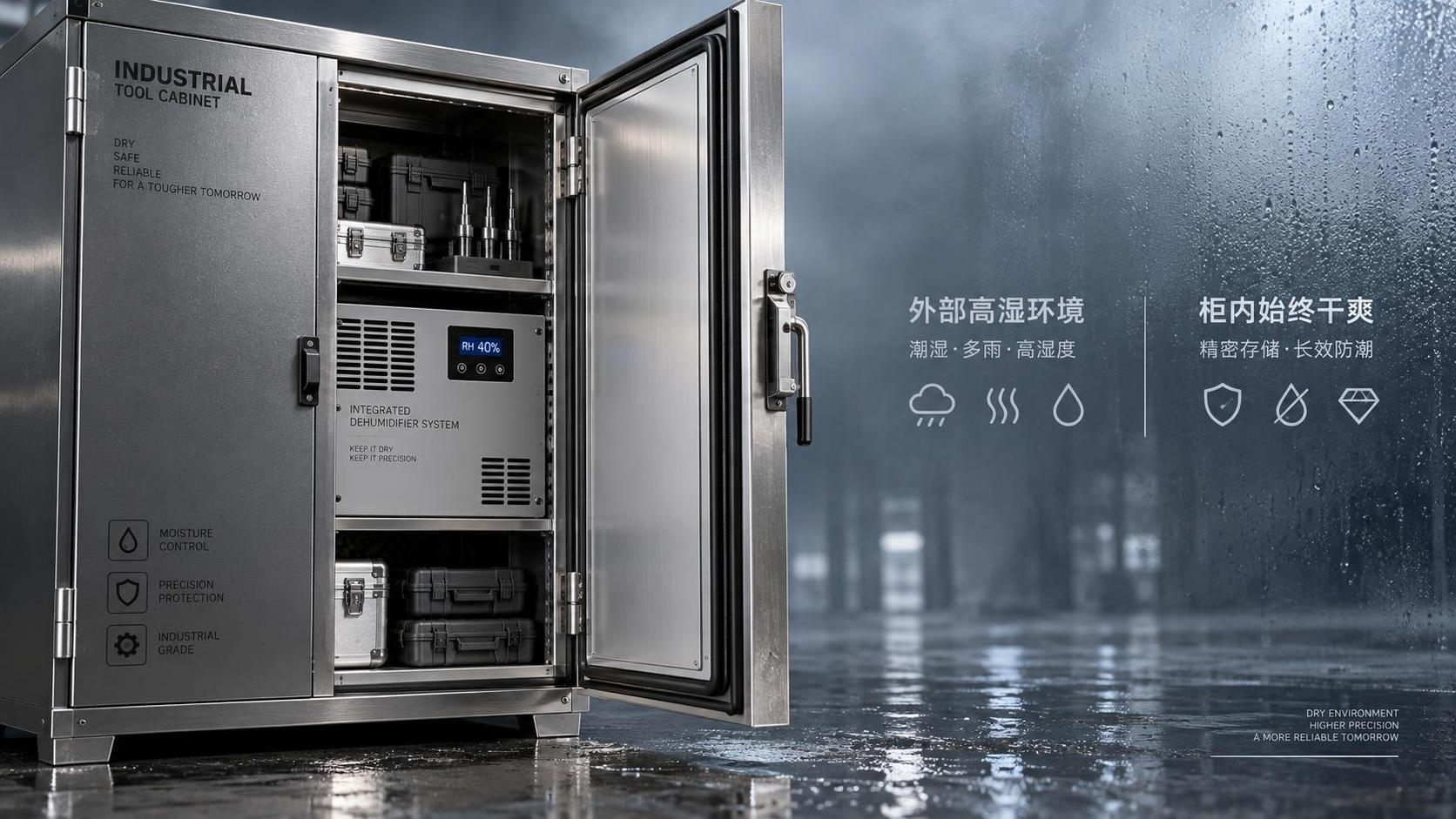
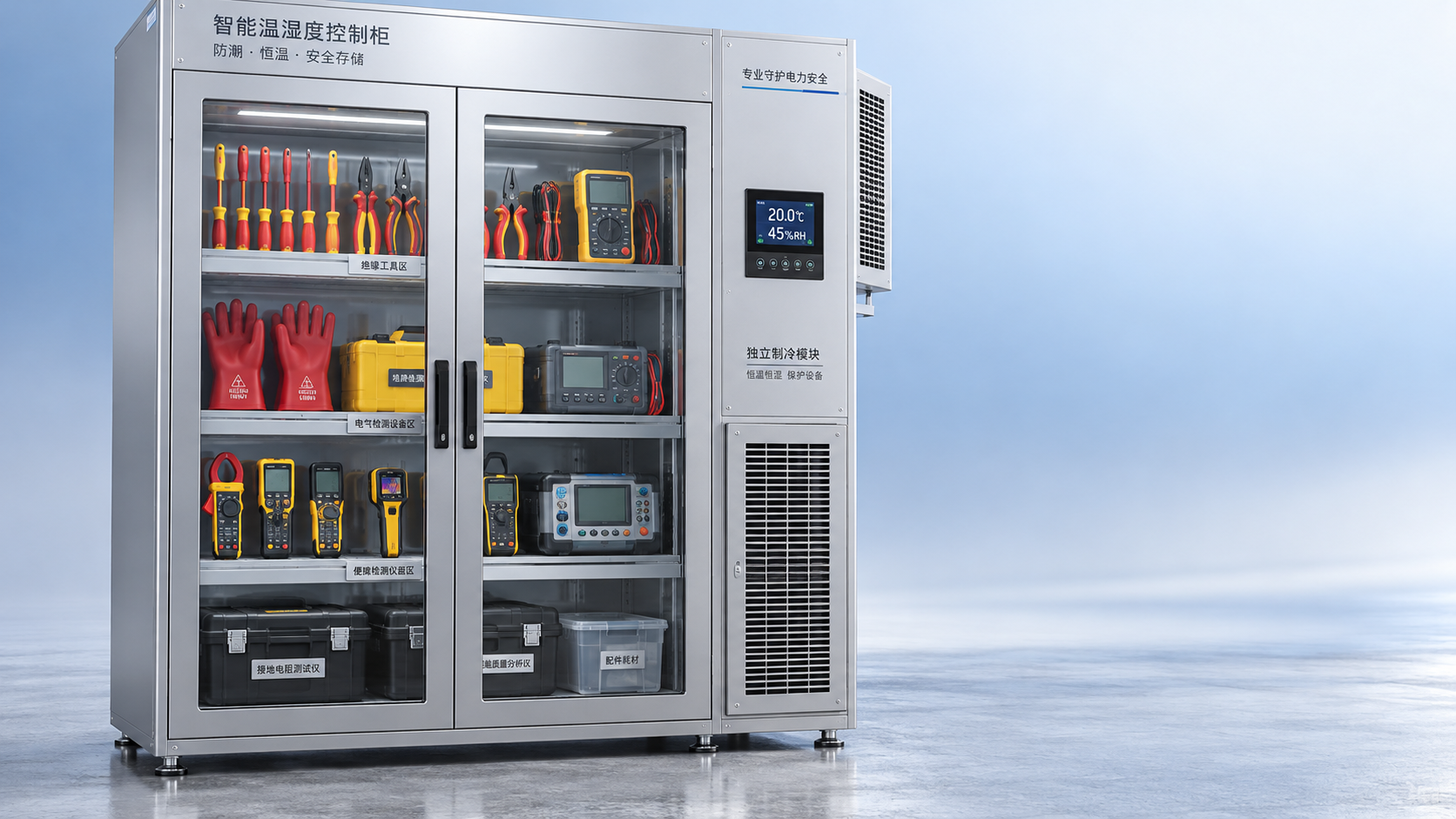
In humid work areas, a safety tool cabinet does far more than hold insulated gloves, operating rods, voltage detectors, and other protective equipment. It becomes part of the protection system itself. When moisture builds up inside the cabinet, the risk is not limited to surface rust or an unpleasant storage environment. Humidity can affect insulation performance, encourage mold, accelerate corrosion on metal accessories, and make routine inspection more difficult. For teams responsible for quality control and site safety, cabinet ventilation is not a minor design detail. It is one of the practical conditions that helps electrical protective tools stay dry, dependable, and ready for use.
This matters even more in substations, coastal facilities, hydropower sites, tunnel projects, and industrial maintenance zones where ambient moisture is persistent rather than occasional. In those settings, the question is not whether tools will face humidity exposure, but how the storage environment helps limit the damage between uses.
Humidity does not always look like a problem at first
One reason ventilation is often underestimated is that moisture damage develops quietly. A cabinet may appear clean and organized while still trapping damp air. If warm, humid air enters and then cools inside an enclosed metal cabinet, condensation can form on internal surfaces or on the tools themselves. In daily operations, that moisture may be wiped away or go unnoticed. Over time, though, repeated exposure can shorten the service life of protective equipment.
For electrical safety tools, storage conditions directly affect confidence in use. Insulating items are expected to perform under demanding conditions, not after being stored in a microclimate of stale, wet air. Even if the tool passes visual inspection, poor storage can create uncertainty that later has to be resolved through more frequent checks, drying procedures, or replacement decisions.
That is why many experienced safety managers treat the cabinet as part of preventive control, not just housekeeping.
What ventilation actually changes inside a safety tool cabinet
Good ventilation helps regulate the internal environment by allowing air exchange, reducing stagnant moisture, and supporting faster drying after tools are returned from field use. That sounds simple, but the operational value is real.
A ventilated cabinet can help with several issues at once:
- reducing moisture retention after rain, fog, or washdown exposure
- lowering the chance of condensation on metal fittings and tool surfaces
- helping odor, mildew, and material degradation become visible earlier instead of being hidden in a sealed space
- supporting more consistent inspection conditions for QC personnel
Ventilation alone is not a cure-all. If workers place wet equipment back into storage, or if the room itself has uncontrolled humidity, airflow will only do part of the job. But without ventilation, even a well-managed storage routine can struggle.
Why this is especially important for electrical protective tools
Electrical protective tools are not ordinary hand tools. Their condition affects whether workers can verify de-energization, maintain safe distance, and carry out isolation steps with confidence. In humid work areas, storage conditions deserve more attention because the tools themselves are often used in environments where contamination and moisture already create pressure on maintenance routines.
Take voltage verification as an example. In substation maintenance or power system inspection, a detector used on medium and high voltage systems is expected to be available, functional, and easy to inspect before use. A lightweight unit with visual and audible alarms may be straightforward to operate in the field, especially when used with insulating operating rods for safe-distance work. But if tools are stored in a poorly ventilated cabinet, daily readiness becomes harder to maintain. This is one reason many sites review storage conditions together with the tools themselves, including equipment such as the High voltage detector.
In practice, storage, inspection, and field use are linked. If one part is weak, the whole safety chain becomes less reliable.
Common signs that airflow is not adequate
A cabinet does not need to be visibly wet to have a ventilation problem. Safety teams often notice indirect signs first. These can include repeated fogging or dampness on internal surfaces, corrosion on hinges or racks, a musty smell, slow drying after tools are returned, or packaging materials that feel soft and damp. Sometimes the issue shows up during audits: tools are present and labeled correctly, but the storage space itself does not support their intended condition.
Another sign is inconsistent inspection results. If tools seem fine one week and questionable the next, the cause may not be misuse alone. Fluctuating humidity and poor cabinet airflow can create unstable storage conditions, especially when doors are opened frequently in areas with warm, wet air.
Ventilation design is not just about adding holes
In procurement discussions, ventilation is sometimes reduced to whether the cabinet has vents. That is too narrow. Useful ventilation depends on placement, airflow path, internal layout, and the nature of the stored items. A cabinet packed too tightly can still trap damp air even if vents are present. Shelves, partitions, and hanging systems should allow air movement around the tools rather than creating dead zones.
The cabinet also needs to match the environment. In some work areas, passive ventilation may be enough when combined with dry-room control and disciplined storage procedures. In harsher locations, teams may need to consider added moisture management, such as drying practices before storage, desiccant use where appropriate, or site-level humidity control. The right answer usually depends on the actual climate, the turnover rate of tools, and the sensitivity of the equipment being stored.
This is where manufacturers with field experience tend to be more useful than suppliers that only treat cabinets as generic metal furniture. Founded in 2009, Hebei Jinneng Power Technology Co., Ltd. has focused on electrical safety equipment for the power industry, with long-term work in the research, development, and production of electrical protective tools. That background matters because storage design makes more sense when it starts from real use conditions in substations, utilities, renewable energy projects, and industrial maintenance, rather than from a warehouse shelving perspective.
What quality and safety teams should look at during evaluation
When assessing a safety tool cabinet for humid environments, it helps to move beyond appearance and ask a few operational questions:
- Will tools dry effectively after being returned from field work?
- Does the internal arrangement leave enough space for airflow around insulating tools and accessories?
- Are there parts of the cabinet where moisture is likely to collect unnoticed?
- Can inspectors easily see surface condition, labels, and storage status during routine checks?
- Does the storage method align with the maintenance procedures already used on site?
These questions are practical because they connect storage to compliance and field readiness. A cabinet that looks robust but makes inspection awkward or traps moisture behind densely packed equipment can create extra workload later.
A storage cabinet should support routine discipline, not replace it
There is a common misconception that once a site installs a proper cabinet, the moisture problem is solved. It is not. Ventilation works best when combined with basic handling discipline: tools should be checked before storage, obvious moisture should be removed, damaged items should be isolated, and inspection intervals should reflect actual operating conditions.
For example, if teams use devices for voltage presence detection and live-line work preparation in wet outdoor maintenance, those tools need a storage routine that acknowledges where they have been. A cabinet cannot undo neglect. It can, however, make good routines easier to maintain. That is often the difference between a storage system that looks organized and one that genuinely supports safe operations.
Manufacturers that integrate R&D, production, quality control, and customer service are usually better positioned to discuss these details because cabinet use is tied to the broader life cycle of protective tools. JINPOWER’s experience serving more than 40,000 customers across 100+ countries and regions suggests one thing clearly: field conditions vary, and storage solutions need to reflect that reality rather than assume every site works in a dry, controlled room.
The bigger point: ventilation protects readiness
In humid work areas, ventilation matters because the cabinet is not only storing equipment. It is preserving trust in that equipment. If insulated tools, rods, and detectors are expected to perform when a crew needs them, then storage conditions have to be part of the conversation. Airflow helps reduce hidden moisture, supports cleaner inspections, and lowers the chance that tools degrade quietly between jobs.
That does not mean every site needs the same cabinet configuration. It usually depends on humidity levels, tool mix, inspection frequency, and local operating practice. But the principle is consistent: a safety tool cabinet in a damp environment should be evaluated as a protective measure, not just a storage asset.
If a cabinet review is already on your list, the most useful next step is often simple: check how tools actually return from the field, how quickly they dry, and whether the cabinet environment helps or hinders that process. Answers found there are usually more valuable than any brochure claim.
Recommend
 Oct 25, 2026
Homemade Bird Repellent Spray: Recipe Limits and Outdoor Surface Risks
Searching for how to make homemade bird repellent spray? Discover recipe limits, outdoor surface risks, electrical safety tips, and safer deterrents before you spray.
- Oct 25, 2026
Natural Bird Deterrents for Rooftops: Choosing Nonchemical Options
Learn how to repel birds naturally with humane rooftop barriers and smarter maintenance. Compare nonchemical options to protect electrical equipment and keep roof access clear.
- Oct 24, 2026
Home Remedies for Repelling Birds: What to Try on Patios and Railings
Learn how to repel birds with home remedies for cleaner patios and railings. Discover humane DIY options, avoid harmful sprays, and keep deterrents clear of electrical equipment.