English
 Español
 Português
 Français
 Deutsch
 русский
 한국어
한국어 にほんご
にほんご हिन्दी, हिंदी
 বাংলা
বাংলা Bahasa Indonesia
 Türkçe
 Việt
Việt dansk
dansk čeština
 עִבְרִית Ivrit
 Filipino/Pilipino
 български език (Bǎlgarski jazik)
 suomi
suomi norsk
norsk język polski
 ไทย
ไทย ກະຣຸນາ
 Bahasa Melayu
 ភាសាខ្មែរ
 ဗာရမ်
ဗာရမ် اردو
اردو فارسی
فارسی Italiano
 Nederlands
 svenska
 Монгол хэл
 नेपाली
 සිංහල
සිංහල Ўзбек тили
 پښتوتۆرکجه
 Ελληνικά
 српски / srpski
 magyar
 українська
 Kiswahili
 Қазақ тілі
 Română
 Hrvatski
 Bosanski
 Kreyòl ayisyen
 አማርኛ
አማርኛ Hausa
Hausa Yorùbá
 Igbo
IgboDeep Integration: How JINPOWER Becomes a Long-Term “Safety Partner” for Central and State-Owned Enterprises
Against the backdrop of central and state-owned enterprises (SOEs) accelerating the modernization of their safety production governance systems, traditional supplier relationships centered on product delivery are being reshaped. Faced with multiple requirements such as systemic safety, long-term operational efficiency, and digital transformation, single devices or materials are no longer sufficient to support their strategic objectives. Based on a deep understanding of industry operating logic, JINPOWER has gradually transformed from a “equipment supplier” into a “co-builder of safety capabilities,” and in practice has formed stable and in-depth collaborative relationships with numerous SOEs, becoming a trusted long-term “safety partner.”
This transformation begins with a precise understanding of the core safety management needs of SOEs. With the continuous expansion of power systems and increasingly stringent regulatory standards, safety management has shifted from “product compliance” to a competition of “capability certainty.” In the process of serving more than 40,000 customers, including State Grid, China Southern Power Grid, and the five major power generation groups, JINPOWER has identified several common industry demands: strict compliance with regulatory requirements, visualized and controllable management of complex asset systems, and the need for digital upgrading of safety management systems. Based on this understanding, its product and service system has been aligned with customer strategies from the very beginning, laying the foundation for deeper cooperation.
The foundation of its role as a “safety partner” lies in a systematic capability framework. At the technological level, JINPOWER continues to drive industry development through innovation and standardization—from eco-friendly insulating rubber mats certified under EU CE and RoHS standards to intelligent terminal products involved in drafting the Group Standard for Smart Safety Tool Cabinets. Combined with 79 national patents and recognition as a National “Little Giant” enterprise specializing in precision and innovation, the company has built a multi-scenario product portfolio.
At the service level, the company has established a full lifecycle service system covering project planning, deployment, implementation, and long-term operation and optimization. This “accompanying service” model is supported by a nationwide supply chain and rapid response mechanism, ensuring stable and efficient service delivery. Through data analytics, the company also enables a shift from reactive response to proactive management.
At the compliance level, ISO certification systems, high-tech enterprise qualifications, and approved supplier status within power grid procurement systems collectively form a strong trust foundation, enabling JINPOWER to maintain a high level of reliability and security margin within the strict procurement and audit frameworks of SOEs.
In practical cooperation, the relationship between JINPOWER and SOEs follows a progressive path from initial engagement to deep integration. Cooperation often begins with specific scenario-based problem solving. For example, in large power plants facing low efficiency in tool management and difficulty in risk tracking, the deployment of intelligent safety tool cabinets and management systems significantly reduces manual inventory time and enables full lifecycle traceability of tools, thereby building initial trust through tangible results.
As cooperation deepens, the system is gradually integrated with clients’ asset management and safety production systems, enabling data connectivity and process optimization. Safety management thus evolves from isolated improvements to systemic optimization. At a more advanced stage, both parties engage in joint innovation in areas such as new energy operations and ultra-high voltage scenarios. JINPOWER participates in optimizing internal standards and capability building, expanding cooperation from tool management to broader areas such as safety culture and personnel training, ultimately forming a long-term partnership based on co-construction and shared responsibility.
This capability-driven deep collaboration is translating into quantifiable value. In terms of safety, systematic management and data-driven operations significantly reduce risks and improve emergency response efficiency, helping clients build more forward-looking protection systems. Economically, intelligent solutions lower overall operational costs and improve asset utilization, transforming safety investment into measurable returns. In management, digital tools replace traditional paper-based records, freeing up human resources and enabling managers to focus on higher-value analysis and decision-making. In branding, continuously accumulated benchmark cases not only strengthen JINPOWER’s industry influence but also help partners establish a strong safety production image.
From a broader perspective, the “safety partnership” between JINPOWER and SOEs represents a fundamental shift from transactional logic to value-based logic. It is no longer limited to single deliveries, but instead revolves around long-term capability building, shared risk, and co-created value. This model places higher demands on enterprises—not only requiring strong product and technological capabilities, but also deep industry understanding, continuous service innovation, and long-term strategic commitment.
As artificial intelligence, digital twins, and other technologies continue to integrate into power safety management systems, industry boundaries will keep expanding. JINPOWER states that it will continue to deepen its “partner” model in the future, evolving from “ensuring tool safety” to “empowering safety operations,” and working with SOE partners to explore new paths for digital transformation in safety management, providing more forward-looking support for the intrinsic safety of energy systems.
Recommend
 Sep 15, 2026
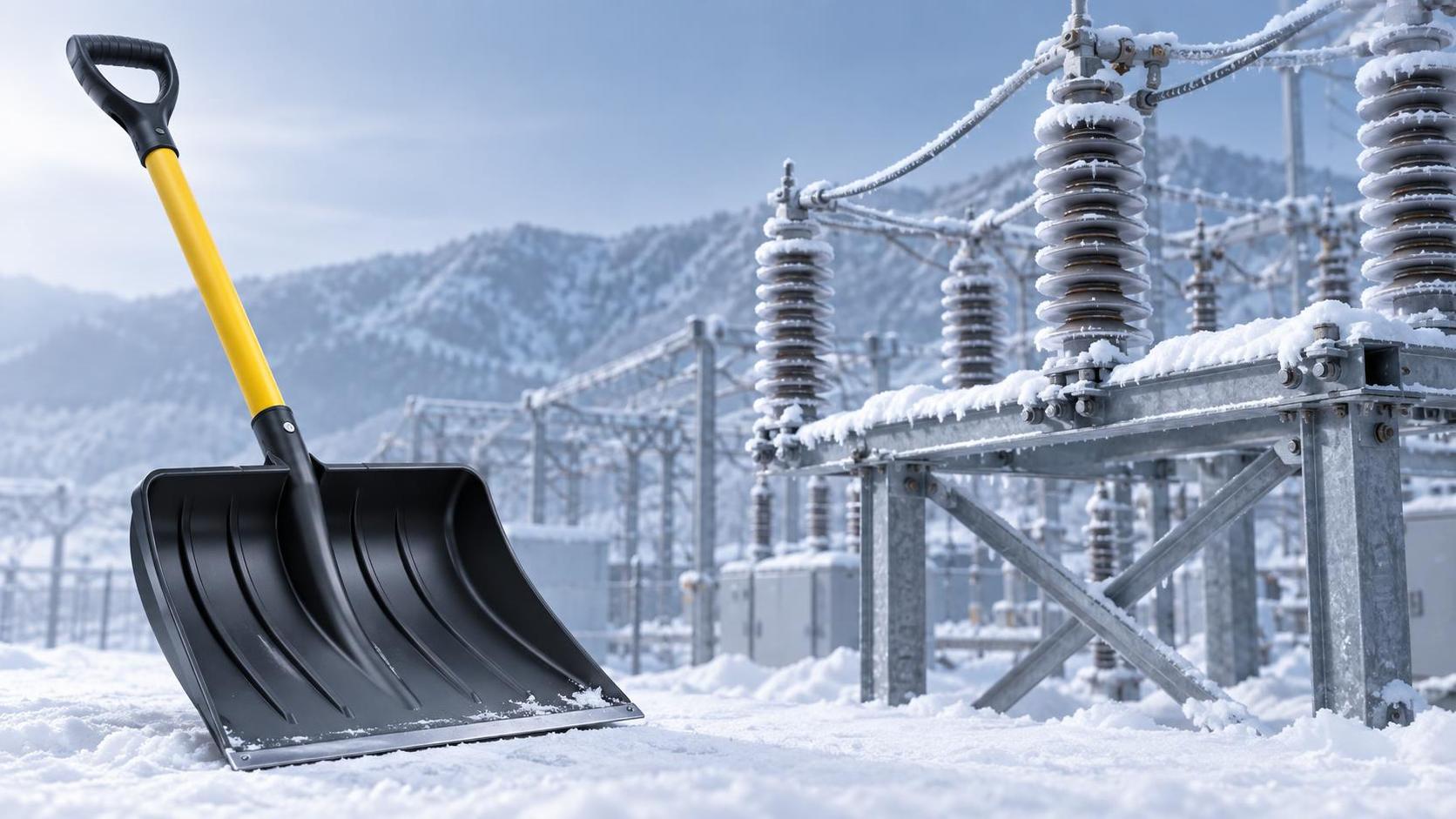
Plastic Shovel Snow Performance Under -30°C: Material Flexibility, Edge Wear, and Operator Fatigue Data
plastic shovel snow tested at -30°C: proven flexibility, edge wear resistance & fatigue reduction for electrical safety—IEC/ASTM certified.
- Sep 15, 2026
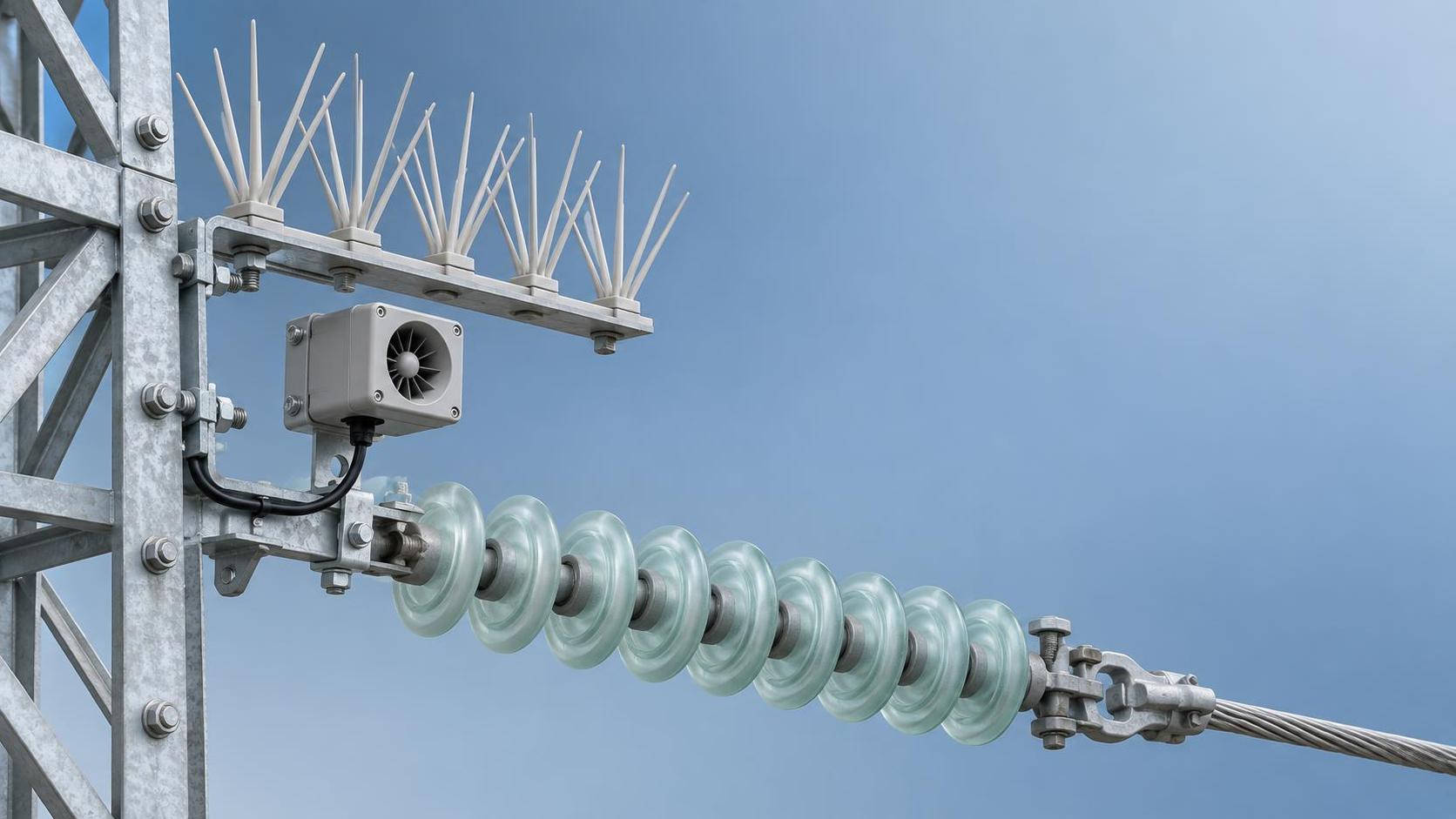
Is There Bird Repellent That Meets IEEE 1680.1 Standards for Utility Infrastructure?
Is there bird repellent certified to IEEE 1680.1? No — and here’s why it matters for utility reliability, safety, and real-world performance.
- Sep 14, 2026
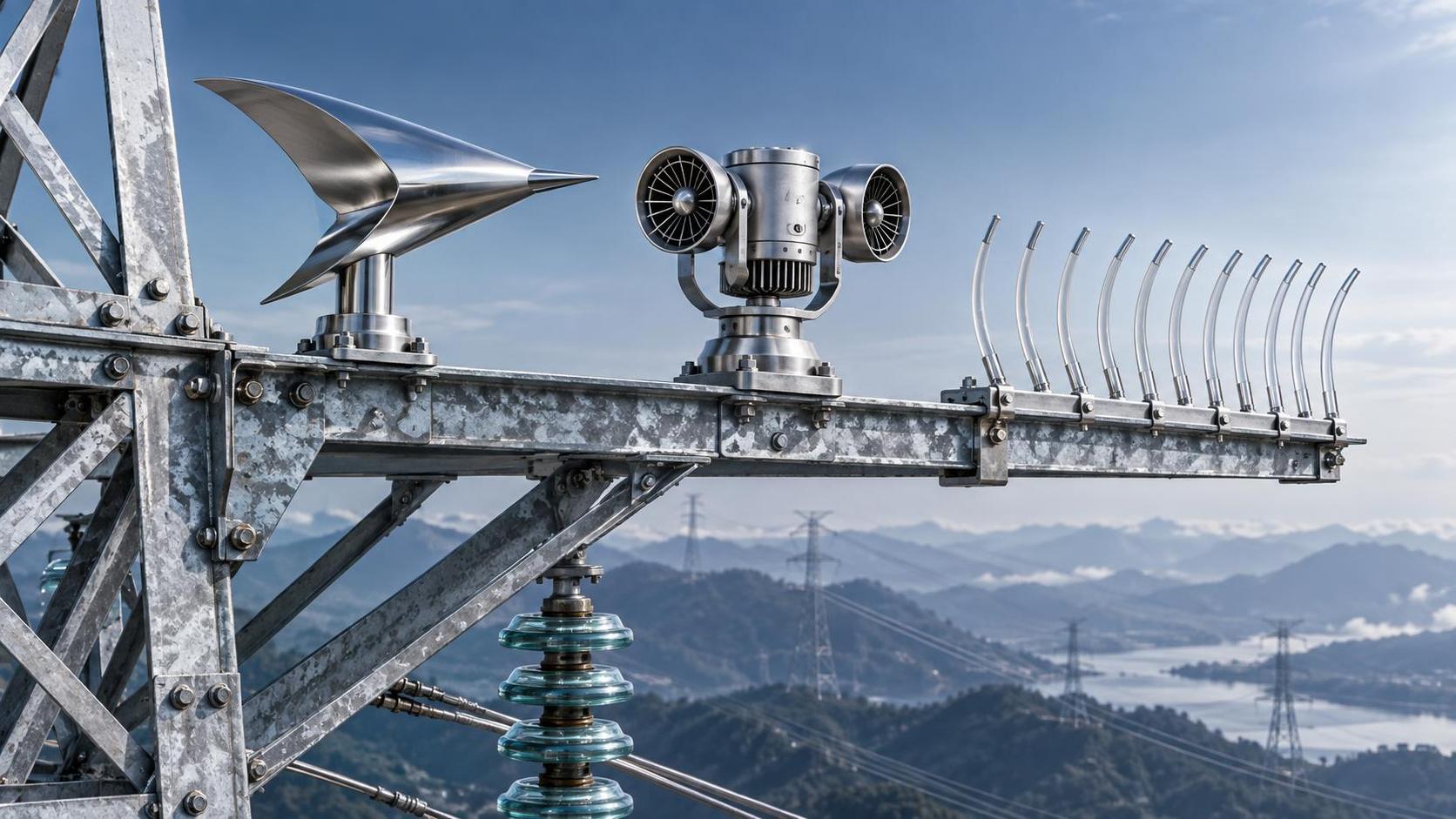
What Can Repel Birds in High-Wind Environments? Field-Tested Solutions for Transmission Tower Maintenance Teams
What can repel birds in high-wind transmission environments? Discover field-tested, weatherproof deterrents engineered for 120+ km/h winds — proven on 214 towers worldwide.