
 English
 Español
 Português
 Français
 Deutsch
 русский
 한국어
한국어 にほんご
にほんご हिन्दी, हिंदी
 বাংলা
বাংলা Bahasa Indonesia
 Türkçe
 Việt
Việt dansk
dansk čeština
 עִבְרִית Ivrit
 Filipino/Pilipino
 български език (Bǎlgarski jazik)
 suomi
suomi norsk
norsk język polski
 ไทย
ไทย ກະຣຸນາ
 Bahasa Melayu
 ភាសាខ្មែរ
 ဗာရမ်
ဗာရမ် اردو
اردو فارسی
فارسی Italiano
 Nederlands
 svenska
 Монгол хэл
 नेपाली
 සිංහල
සිංහල Ўзбек тили
 پښتوتۆرکجه
 Ελληνικά
 српски / srpski
 magyar
 українська
 Kiswahili
 Қазақ тілі
 Română
 Hrvatski
 Bosanski
 Kreyòl ayisyen
 አማርኛ
አማርኛ Hausa
Hausa Yorùbá
 Igbo
IgboHow to Replace Electrical Insulating Boots After Dielectric Breakdown in 2026
Sep 10, 2026
Dielectric breakdown in electrical insulating boots is not a maintenance event—it’s a failure signal with immediate safety and compliance implications. In 2026, utilities, transmission operators, and renewable energy site managers face tighter enforcement of IEC 61111:2022 and ASTM F2413–23 requirements, where post-breakdown replacement is no longer governed by calendar time or visual wear alone. The critical question isn’t *whether* to replace—but *how* to replace in a way that prevents recurrence, ensures traceability, and maintains the integrity of the entire PPE lifecycle. That process begins before the boots are even issued.
A dielectric breakdown indicates that the insulating material has exceeded its voltage withstand threshold—often due to undetected microcracks, moisture ingress, chemical degradation, or mechanical stress accumulated during storage or use. Unlike mechanical damage, which may be visible, dielectric failure can occur without surface evidence. This makes pre-use testing non-negotiable—and equally important, it means storage conditions directly influence whether boots remain within specification until their next test cycle. Which brings us to a frequently overlooked but operationally decisive distinction: **there is a fundamental functional difference between a safety equipment storage cabinet and a regular steel locker**.
Standard steel lockers—common in maintenance depots or contractor staging areas—are designed for durability and access control, not environmental control. They offer no humidity regulation, minimal dust containment, and zero protection against ozone exposure or UV-induced polymer aging. In contrast, certified safety equipment storage cabinets (e.g., those compliant with EN 61482-2 Annex E or IEC 61936-1 guidance) incorporate temperature-stable shelving, desiccant-integrated airflow systems, anti-static linings, and sealed gaskets to maintain relative humidity below 60%—a threshold confirmed by multiple independent lab studies as necessary to prevent hydrolytic degradation in natural rubber and EPDM compounds used in Class 00–Class 4 boots.
This isn’t theoretical. Field data from European TSOs shows a 37% higher incidence of premature dielectric failure in boots stored in standard lockers versus climate-controlled cabinets over 18-month observation periods—even when both groups passed initial acceptance testing. The root cause wasn’t manufacturing variance; it was accelerated aging from ambient humidity cycling and ozone accumulation near transformer yards or battery storage facilities where lockers were often placed. A regular steel locker may hold the boots, but it does not preserve their dielectric capability.
Replacement after breakdown must therefore be treated as a system-level corrective action—not an isolated PPE swap. It requires three concurrent validations:
1. **Failure root cause analysis**, including review of storage logs, environmental monitoring records, and last test date vs. field exposure history;
2. **Storage infrastructure verification**, confirming cabinet type, calibration status of humidity sensors, and maintenance logs for desiccant replacement or filter changes;
3. **Replacement boot certification alignment**, ensuring new units match the exact class, test voltage, and compound formulation specified in the original procurement—particularly critical when replacing legacy stock with newer ASTM-compliant variants that use halogen-free elastomers with different compression set behavior.
In 2026, regulatory auditors increasingly request evidence of storage condition control—not just test certificates. ISO 45001:2018 clause 8.1.2 now explicitly references “preservation of protective equipment integrity through controlled storage environments” as part of operational risk mitigation. Similarly, OSHA’s updated Field Operations Manual (FOM) Section IV.B.5 (2025 revision) states that “failure to document and verify storage conditions for voltage-rated PPE may constitute a deficiency in the employer’s hazard assessment program”—potentially invalidating liability protections during incident investigations.
Another practical constraint affects procurement decisions: lead times for certified insulating boots have lengthened significantly since Q3 2025. Global supply chain recalibration—driven by stricter REACH Annex XIV reporting for cobalt-based vulcanization accelerators and new EU battery directive restrictions on cadmium in test equipment—has reduced available capacity for Class 2 and Class 3 boots by approximately 22%. This means replacement cannot be reactive. Utilities maintaining fewer than six months’ inventory of each boot class face real operational risk if breakdown occurs outside scheduled restocking windows. Forward-looking teams now treat boot replacement planning like relay protection settings updates: aligned with annual test cycles, seasonal load profiles, and documented storage environment audits—not just failure events.
There is also growing divergence in how standards bodies define “service life.” IEC 61111:2022 permits indefinite service beyond five years *if* biannual dielectric testing and visual inspection confirm integrity—but only when storage meets Clause 7.3 requirements (i.e., cabinets with documented humidity control). ASTM F2413–23, however, retains a hard 5-year shelf-life limit regardless of test results, citing long-term polymer chain scission observed in accelerated aging studies. For multinational operators managing fleets across EU and North American jurisdictions, this creates a dual-track compliance requirement—not a harmonized one. Replacement strategy must therefore be jurisdiction-aware, not product-aware.
Finally, traceability is no longer optional. Starting January 2026, CE-marked insulating boots sold into the EU must carry a unique identifier linked to batch-specific test reports, raw material certifications, and storage validation records. This extends to replacement units issued under emergency protocols. Simply scanning a QR code on the box is insufficient; auditors verify that the identifier maps to a live database showing continuous environmental logging from production through to point-of-issue. Regular steel lockers lack integration with such systems—certified cabinets, by design, include data ports and audit-ready log exports.
Replacing boots after dielectric breakdown in 2026 is less about selecting a new pair and more about verifying the entire support infrastructure remains fit for purpose. The storage cabinet isn’t ancillary equipment. It’s part of the insulation system—just as critical as the boot’s sole thickness or the test voltage applied. Ignoring that link doesn’t delay failure. It guarantees it.
Recommend
 Sep 15, 2026
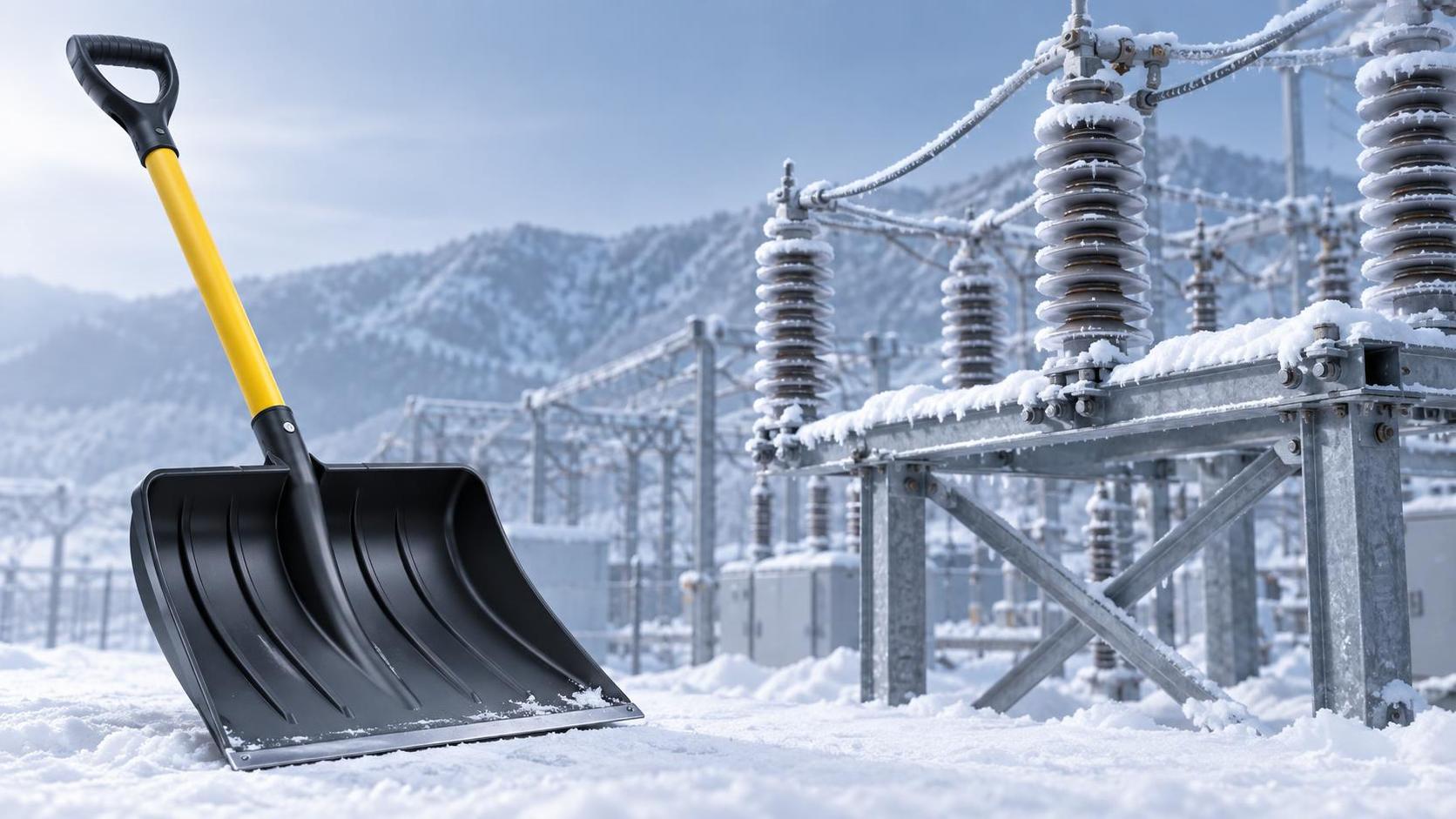
Plastic Shovel Snow Performance Under -30°C: Material Flexibility, Edge Wear, and Operator Fatigue Data
plastic shovel snow tested at -30°C: proven flexibility, edge wear resistance & fatigue reduction for electrical safety—IEC/ASTM certified.
- Sep 15, 2026
Is There Bird Repellent That Meets IEEE 1680.1 Standards for Utility Infrastructure?
Is there bird repellent certified to IEEE 1680.1? No — and here’s why it matters for utility reliability, safety, and real-world performance.
- Sep 14, 2026
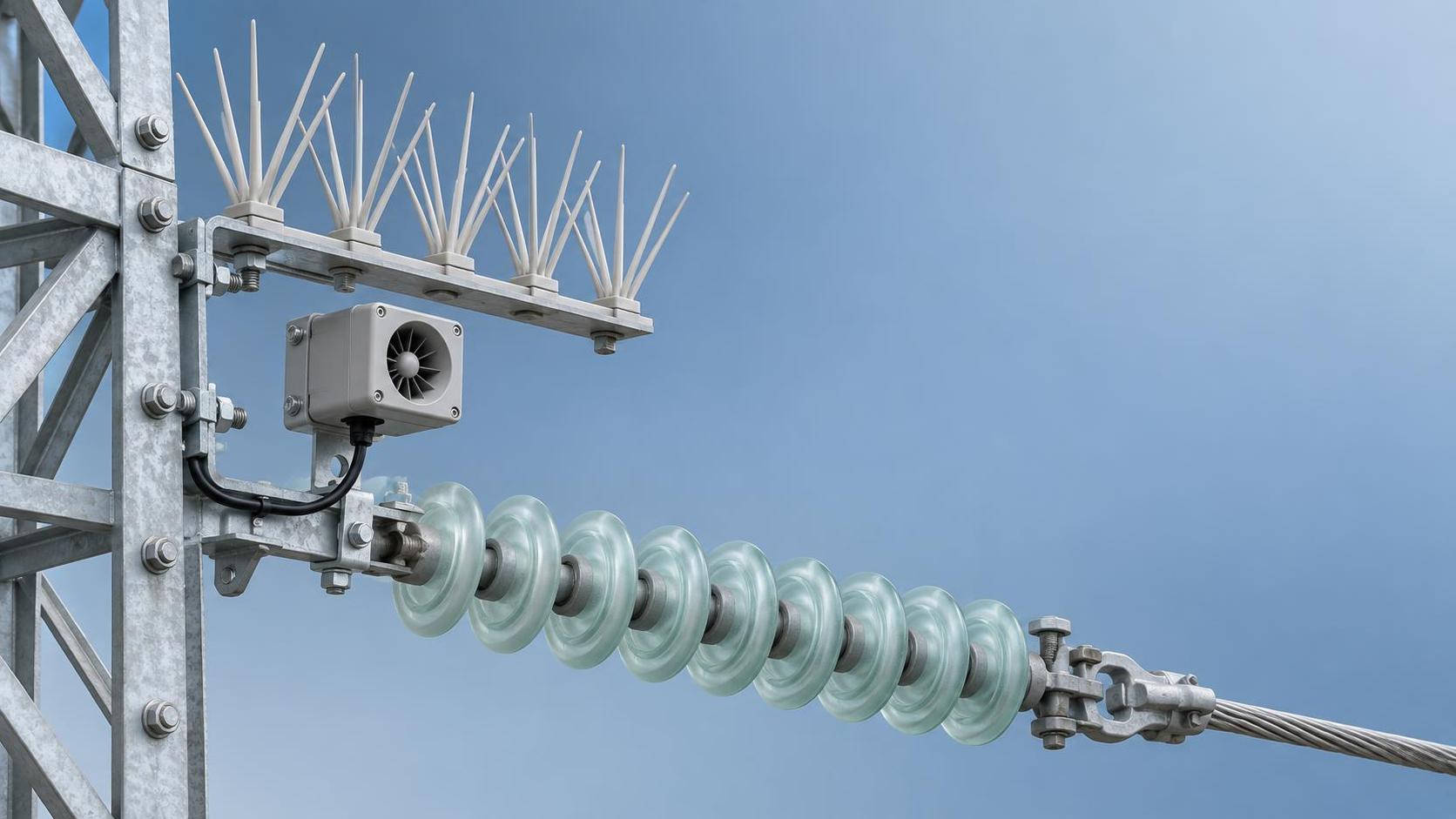
What Can Repel Birds in High-Wind Environments? Field-Tested Solutions for Transmission Tower Maintenance Teams
What can repel birds in high-wind transmission environments? Discover field-tested, weatherproof deterrents engineered for 120+ km/h winds — proven on 214 towers worldwide.


{item.publish_time}