
 English
 Español
 Português
 Français
 Deutsch
 русский
 한국어
 にほんご
 हिन्दी, हिंदी
 বাংলা
 Bahasa Indonesia
 Türkçe
 Việt
 dansk
 čeština
 עִבְרִית Ivrit
 Filipino/Pilipino
 български език (Bǎlgarski jazik)
 suomi
 norsk
 język polski
 ไทย
 ກະຣຸນາ
 Bahasa Melayu
 ភាសាខ្មែរ
 ဗာရမ်
 اردو
 فارسی
 Italiano
 Nederlands
 svenska
 Монгол хэл
 नेपाली
 සිංහල
 Ўзбек тили
 پښتوتۆرکجه
 Ελληνικά
 српски / srpski
 magyar
 українська
 Kiswahili
 Қазақ тілі
 Română
 Hrvatski
 Bosanski
 Kreyòl ayisyen
 አማርኛ
 Hausa
 Yorùbá
 Igbo
Is There Bird Repellent That Meets IEEE 1680.1 Standards for Utility Infrastructure?
Sep 11, 2026
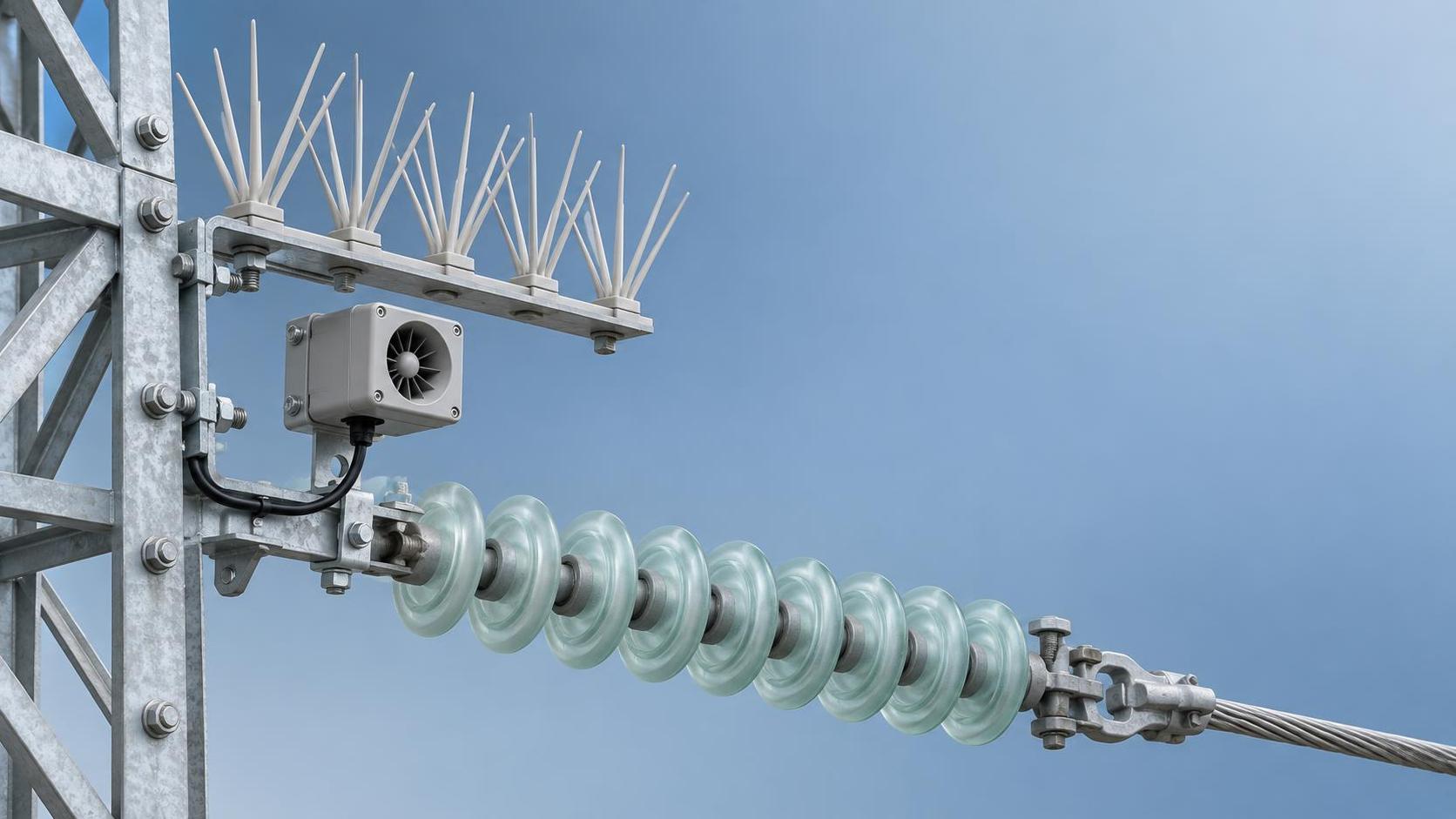
IEEE 1680.1 is not a standard for bird repellents — and no bird deterrent product can be “certified to IEEE 1680.1” in the way technical evaluators might assume. This misconception arises from conflating two distinct regulatory domains: environmental sustainability standards for electronics (the actual scope of IEEE 1680.1) and avian mitigation requirements for utility infrastructure. Clarifying this distinction is essential for accurate technical evaluation, procurement validation, and compliance documentation. IEEE 1680.1 — formally titled *IEEE Standard for Environmental Sustainability Assessment of Electronic Products* — establishes criteria for evaluating the environmental impact of consumer and commercial electronic devices across their lifecycle. It addresses materials selection, energy efficiency, recyclability, hazardous substance restrictions (e.g., lead, mercury, brominated flame retardants), and corporate environmental management systems. Its application is limited to end-user electronic products — smartphones, laptops, displays, power supplies — not field-installed physical deterrents such as spikes, ultrasonic emitters, visual decoys, or chemical gels deployed on transmission towers, substation busbars, or solar farm support structures. Bird repellent devices used in utility settings fall outside the scope of IEEE 1680.1 for three fundamental reasons: First, they are not “electronic products” as defined under the standard’s applicability clause. IEEE 1680.1 applies only to devices with active electronic circuitry intended for direct end-user interaction or data processing. Passive deterrents — including stainless-steel spike arrays, rotating reflectors, or polymer-based tactile gels — contain no electronics and thus lack subject-matter eligibility. Even powered devices like ultrasonic units or motion-triggered strobes are typically classified as industrial accessories or site safety equipment, not consumer or commercial electronics subject to sustainability assessment under IEEE 1680.1. Second, the standard does not address performance, durability, or safety in operational environments. Technical evaluators assessing bird deterrents for substations must prioritize parameters such as UV resistance, thermal cycling tolerance (-40°C to +85°C), dielectric strength (>100 kV/cm), corrosion resistance in coastal or industrial atmospheres, and mechanical stability under wind loading (IEC 61400-1 or IEEE 1243 levels). IEEE 1680.1 contains no provisions for evaluating any of these — nor for verifying efficacy against avian species known to cause outages (e.g., pigeons, starlings, raptors). Third, compliance pathways differ fundamentally. IEEE 1680.1 conformance requires third-party verification by accredited laboratories against specific environmental metrics, followed by declaration of conformity — not certification. There is no IEEE-issued certificate, no registry of “IEEE 1680.1-compliant products,” and no enforcement mechanism for field-deployed infrastructure components. In contrast, utility-grade bird deterrents require validation against electrical safety standards (e.g., IEC 61936-1, IEEE C2-2023 National Electrical Safety Code), fire performance (UL 94 V-0 or IEC 60695-11-10), and sometimes avian behavior studies conducted under controlled field conditions (e.g., ASTM E2717-22 for wildlife deterrence testing methodology). What *does* matter for technical evaluators is alignment with utility-specific specifications — not IEEE 1680.1. Major North American and European utilities reference requirements such as: - Dielectric withstand voltage ≥ 2× system peak operating voltage - Continuous service life ≥ 15 years under full-spectrum UV exposure - Non-conductive housing with CTI ≥ 600 - Zero metal migration risk near aluminum buswork - No volatile organic compound (VOC) emission above 50 µg/m³ at 60°C (per ISO 16000-9) These criteria derive from grid reliability needs, not sustainability reporting frameworks. A product may fully comply with IEEE 1680.1 while failing catastrophic dielectric testing at 345 kV — and conversely, a high-dielectric gel formulated without halogenated solvents may meet all electrical and environmental field requirements while remaining entirely outside IEEE 1680.1’s domain. Confusion often surfaces during ESG reporting cycles, when procurement teams seek to map avian mitigation hardware into sustainability categories. But linking bird deterrents to IEEE 1680.1 introduces material misrepresentation risks: it implies environmental attributes (e.g., recycled content, end-of-life recyclability) that are neither tested nor relevant to function. More critically, it distracts from the actual performance validation needed — such as accelerated aging per ASTM G154, salt fog testing per ASTM B117, or arc tracking resistance per IEC 60112. For technical evaluators responsible for specifying bird deterrents, the operative question is not whether a product meets IEEE 1680.1 — it cannot — but whether it satisfies the functional, electrical, and environmental stress requirements of its deployment environment. That means verifying test reports against IEC 60068-2 series (climatic testing), UL 746C (polymeric materials for electrical equipment), and IEEE 1057 (field performance of non-conductive coatings). It means reviewing installation guidelines for creepage distance maintenance on porcelain and composite insulators. And it means confirming compatibility with existing asset management systems — for example, whether mounting hardware allows integration with drone-based inspection workflows. The absence of an IEEE 1680.1 pathway does not indicate a gap in regulation. Rather, it reflects a deliberate boundary: sustainability standards govern product design intent and material stewardship; electrical safety and reliability standards govern operational integrity. Blurring those lines compromises both technical rigor and compliance credibility. In practice, this means technical evaluators should treat references to “IEEE 1680.1 compliance” in bird deterrent marketing materials as a red flag — not for product quality per se, but for conceptual precision. Vendors who misapply the standard may also overlook critical utility-specific validation steps. Rigorous evaluation requires focusing on the right benchmarks: dielectric performance under contamination, long-term adhesion on galvanized steel, thermal expansion matching with aluminum conductors, and documented field failure rates across climatic zones. There is no bird repellent that meets IEEE 1680.1 — because the standard does not apply. The more consequential question is whether a given solution meets the verified, field-proven requirements of uninterrupted grid operation. That remains the sole benchmark that matters.
Recommend
 Sep 15, 2026
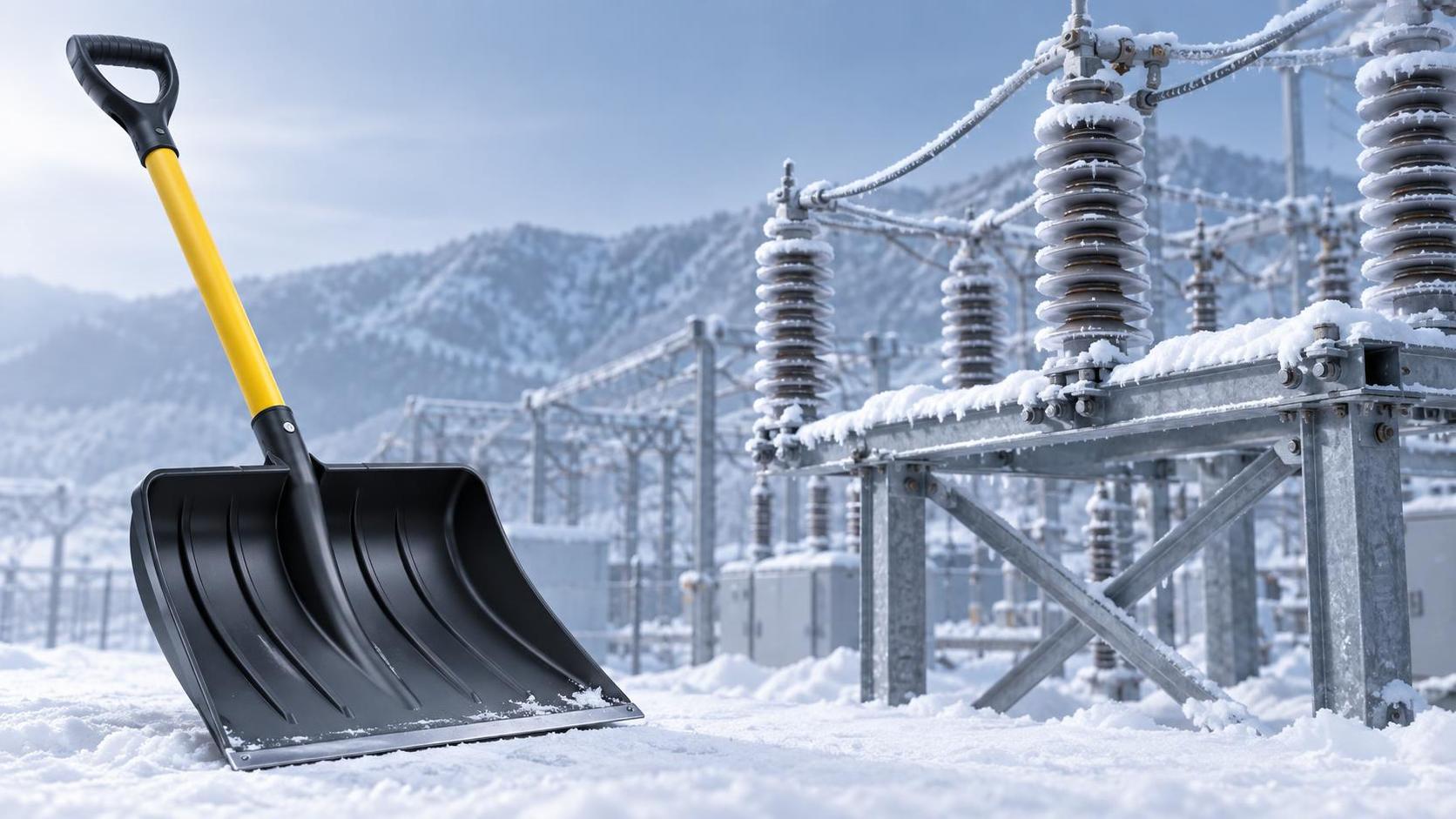
Plastic Shovel Snow Performance Under -30°C: Material Flexibility, Edge Wear, and Operator Fatigue Data
plastic shovel snow tested at -30°C: proven flexibility, edge wear resistance & fatigue reduction for electrical safety—IEC/ASTM certified.
- Sep 15, 2026
Is There Bird Repellent That Meets IEEE 1680.1 Standards for Utility Infrastructure?
Is there bird repellent certified to IEEE 1680.1? No — and here’s why it matters for utility reliability, safety, and real-world performance.
- Sep 14, 2026
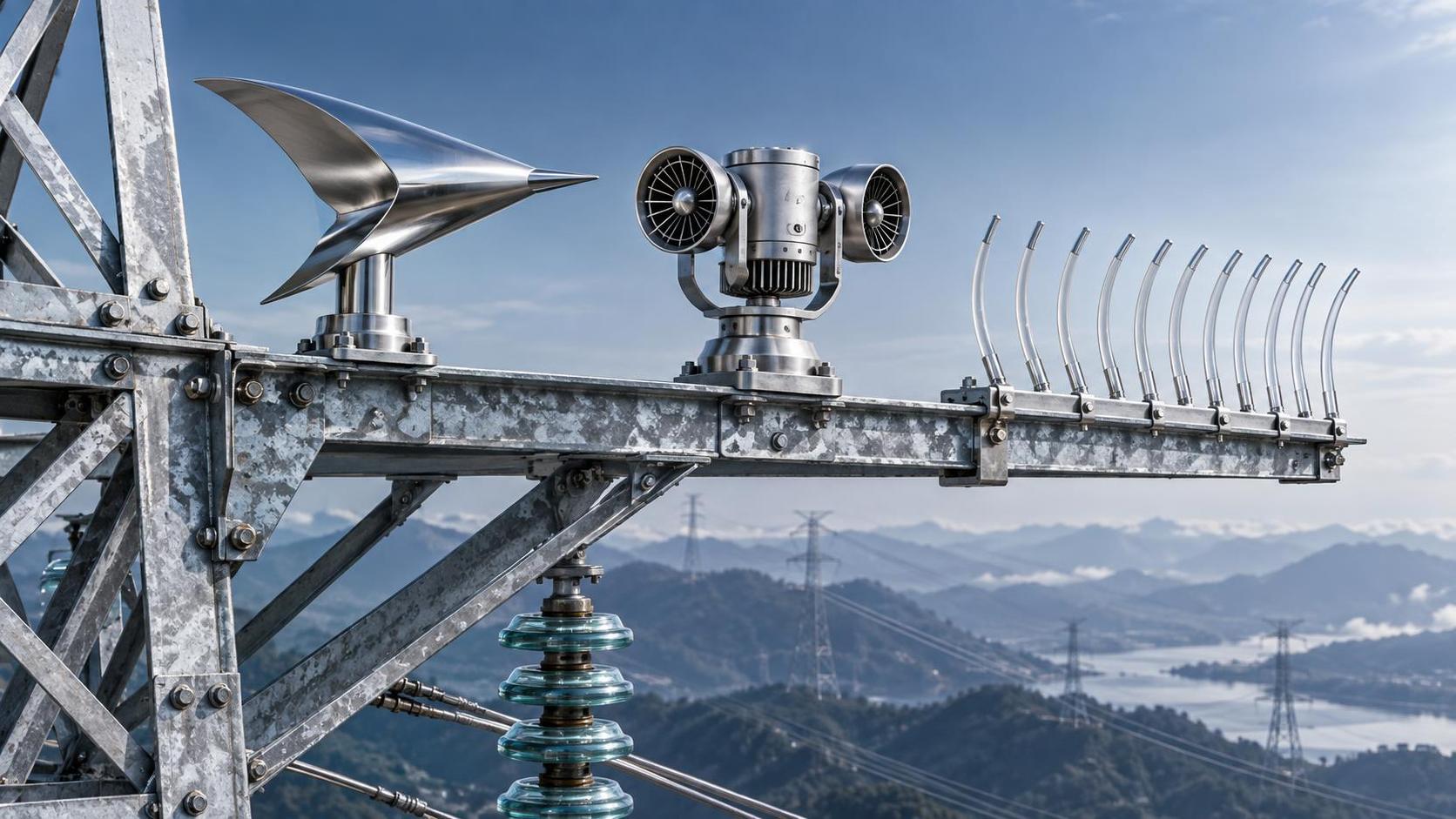
What Can Repel Birds in High-Wind Environments? Field-Tested Solutions for Transmission Tower Maintenance Teams
What can repel birds in high-wind transmission environments? Discover field-tested, weatherproof deterrents engineered for 120+ km/h winds — proven on 214 towers worldwide.

{item.publish_time}