English
 Español
 Português
 Français
 Deutsch
 русский
 한국어
 にほんご
 हिन्दी, हिंदी
 বাংলা
 Bahasa Indonesia
 Türkçe
 Việt
 dansk
 čeština
 עִבְרִית Ivrit
 Filipino/Pilipino
 български език (Bǎlgarski jazik)
 suomi
 norsk
 język polski
 ไทย
 ກະຣຸນາ
 Bahasa Melayu
 ភាសាខ្មែរ
 ဗာရမ်
 اردو
 فارسی
 Italiano
 Nederlands
 svenska
 Монгол хэл
 नेपाली
 සිංහල
 Ўзбек тили
 پښتوتۆرکجه
 Ελληνικά
 српски / srpski
 magyar
 українська
 Kiswahili
 Қазақ тілі
 Română
 Hrvatski
 Bosanski
 Kreyòl ayisyen
 አማርኛ
 Hausa
 Yorùbá
 Igbo
Where to Buy Hot Foot Bird Repellent: Supplier Checks Before Site Application
Where to Buy Hot Foot Bird Repellent: Supplier Checks Before Site Application
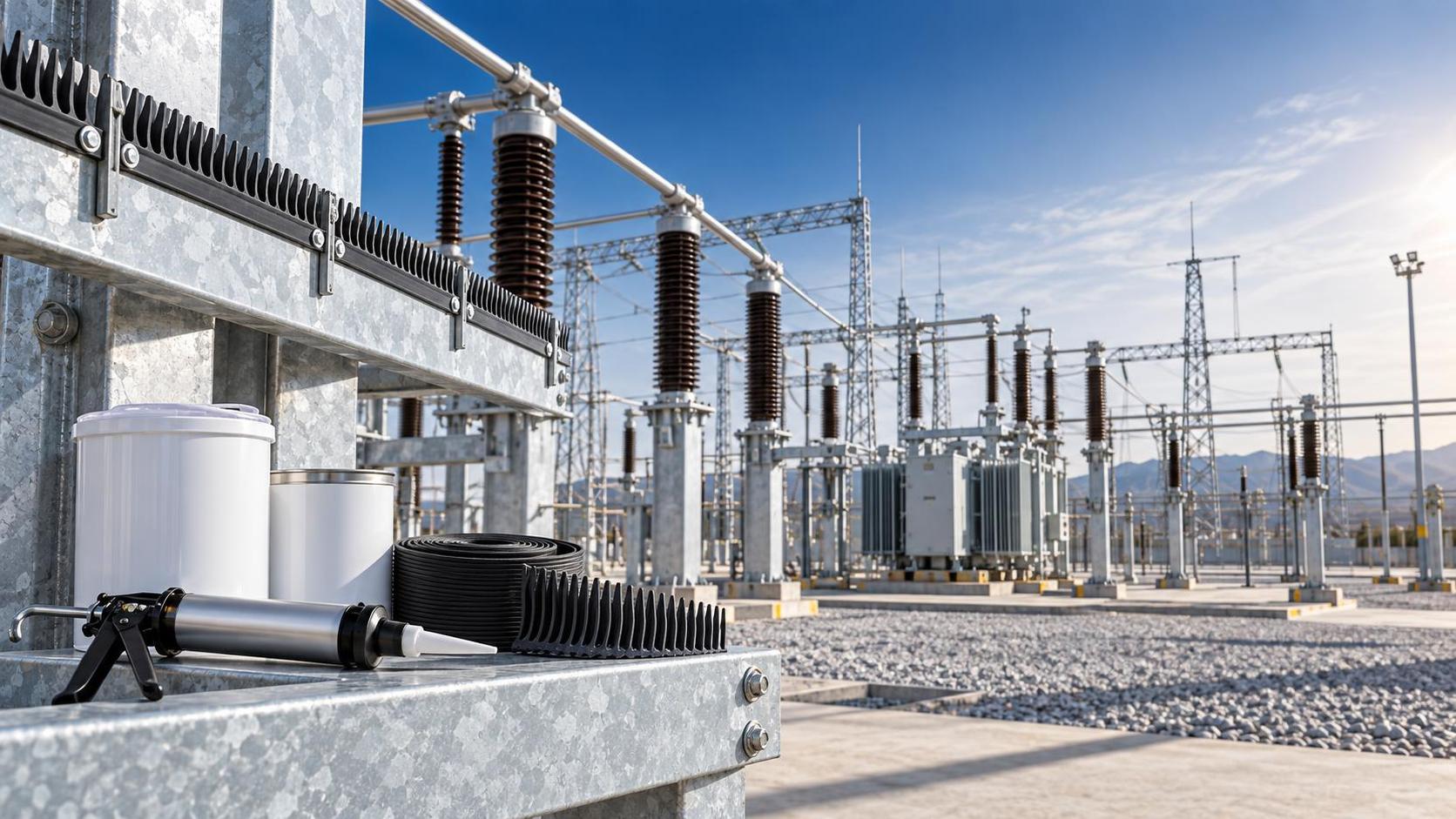
Knowing where to buy Hot Foot bird repellent is not simply a purchasing question when the application involves substations, switchyards, transmission structures, solar facilities, or industrial electrical assets. The product price may look modest compared with the cost of a forced outage, a damaged insulator, or an emergency maintenance visit. Yet the wrong purchase route can create avoidable problems: incomplete product information, unsuitable application materials, uncertain storage history, or no technical contact when the field crew needs an answer.
For a project manager, bird control should be treated as a site-interface decision rather than a standalone consumable purchase. A sticky bird deterrent may be intended to discourage birds from landing on selected surfaces, but it must coexist with electrical clearances, access routes, coatings, drainage paths, maintenance practices, and local wildlife considerations. The real question is not only where the material is sold. It is whether the supplier can help the project buy, receive, store, apply, and maintain it without creating another operational risk.
This is especially relevant in electrical environments. Bird droppings and nesting activity can contribute to contamination, corrosion, blocked drainage, damaged cable protection, and flashover risk under certain conditions. At the same time, poorly located deterrent material can collect dust, leaves, insects, or debris. It may also complicate inspections if it is placed where technicians need regular handholds or visual access. A purchase decision made only on unit cost often overlooks these practical consequences.
Start With the Application, Not the Supplier List
Before asking suppliers for quotations, define the actual bird-pressure problem. “Birds on the substation” is not specific enough for a useful proposal. Identify the species or behavior where possible: repeated perching on gantry steel, roosting beneath canopies, nesting in cable-support areas, or contamination around outdoor equipment. The location matters because the appropriate control method for a ledge under a roof may be entirely wrong for an exposed structure near energized components.
A site walkdown should record the surfaces to be treated, approximate lengths or areas, access constraints, operating status, ambient conditions, and the proximity of sensitive electrical equipment. If the work is within a live facility, the project team also needs to establish who controls isolation, permits, access, housekeeping, and final acceptance. Bird-repellent material is often purchased by one team but applied by another. That handoff is where vague specifications tend to become expensive.
It is worth considering whether a sticky repellent is even the primary solution. Physical exclusion, bird spikes, netting, wire systems, covers, or changes to nesting opportunities may be more suitable in some locations. A repellent can be useful where the goal is to discourage landing on a defined non-critical surface, but it is not a universal answer for every bird-control issue. A credible supplier should be comfortable saying that a different method may fit part of the site better.
What a Qualified Supplier Should Be Able to Provide
When evaluating where to buy Hot Foot bird repellent, begin with traceability. Ask whether the supplier is the manufacturer, an authorized distributor, or an independent reseller. Each route can be workable, but the responsibilities must be clear. A distributor may offer faster local delivery and better familiarity with site logistics. A manufacturer or direct channel may offer stronger technical access. An unverified marketplace seller may offer a low listed price but leave the buyer with limited recourse if the product arrives without documentation or has unclear shelf life.
The supplier should be able to provide the current product documentation appropriate to the market and intended use. Depending on the product and jurisdiction, this may include a technical data sheet, safety data sheet, handling guidance, storage instructions, packaging details, batch identification, and application recommendations. Project teams should not assume that a document found online matches the material currently being offered. Ask for the revision date and confirm that the documentation corresponds to the quoted product.
A useful supplier also asks questions. If a sales contact immediately quotes a quantity without asking about substrate, temperature exposure, access, or equipment proximity, that is a warning sign. It does not necessarily mean the product is unsuitable, but it suggests that the transaction is being handled as a generic retail sale rather than an industrial application. On a utility or industrial project, that distinction matters.
Do Not Skip Compatibility Review
The biggest technical mistake is treating every surface as interchangeable. Outdoor electrical facilities include galvanized steel, painted steel, concrete, masonry, composites, polymer housings, cable jackets, protective coatings, and various equipment enclosures. A material that is manageable on one surface may be difficult to remove from another. Heat, ultraviolet exposure, dust, windblown grit, rainwater paths, and cleaning chemicals can further change the result over time.
Ask the supplier for stated compatibility guidance, but do not stop there. For high-consequence locations, a small trial on a representative non-critical area is often a more sensible decision than full-site application based on a brochure. The trial should be observed for adhesion, dirt accumulation, runoff, interaction with the substrate, and whether birds simply move to an adjacent ledge. It should also test the maintenance reality: can the material be inspected and removed safely if the strategy needs to change?
Keep the electrical boundary clear. The project’s electrical safety rules, equipment manufacturer guidance, and site-specific work procedures should govern where personnel may work and what may be introduced around energized assets. A bird-control supplier can advise on the product, but cannot replace the facility owner’s engineering judgment or safety authorization. If the proposal lacks a clear division between product advice and electrical work responsibility, clarify it before issuing a purchase order.
Compare Landed Cost, Not Just the Tub or Cartridge Price
For procurement teams, the lowest quote is often not the lowest project cost. The usable coverage rate depends on the required application pattern, surface condition, waste, rework, and whether the crew has suitable access equipment. Freight, hazardous-material handling where applicable, import formalities, storage constraints, application tools, personal protective equipment, and cleanup supplies can all alter the final number.
There is another cost that is easy to miss: schedule exposure. If bird-control work must be performed during a maintenance outage, a late or incomplete delivery can cost far more than the initial saving achieved by buying through an uncertain channel. Confirm lead time in writing, distinguish stocked inventory from estimated availability, and make sure the delivery date is aligned with the work window rather than the purchase-order date.
It is also reasonable to ask how the supplier packages the product for the expected transport route. Materials shipped to remote renewable-energy sites or utility yards may spend time in depots, containers, or vehicles before installation. Storage temperature limitations, damaged seals, and long dwell times should be discussed early. A supplier that cannot explain storage expectations leaves the buyer to absorb avoidable uncertainty.
Technical Support Has Value When the Site Is Not a Simple Rooftop
A commercial building contractor may be able to buy bird deterrent material from a local pest-control distributor and apply it on accessible ledges. A substation, wind facility, or industrial process plant presents a different working environment. Access may require permits, trained personnel, lifting arrangements, weather planning, and coordination with operations. The supplier does not need to run the entire job, but should understand enough to provide usable answers rather than generic instructions.
For projects where bird-control work sits beside electrical maintenance, a supplier with familiarity in power-sector working conditions can be especially helpful. Hebei Jinneng Power Technology Co., Ltd., known as JINPOWER, has focused on electrical protective tools and safety equipment for the power industry since its founding in 2009. Its experience spans substations, utilities, renewable-energy projects, and industrial maintenance. That does not automatically make every adjacent bird-control item suitable for every facility; it does highlight a valuable procurement principle. Suppliers operating around electrical assets should understand that product selection must support safe field work, not merely solve a visible nuisance.
An integrated supplier organization can also simplify coordination. Where R&D, manufacturing, quality control, and customer service are connected, questions about documentation, packaging, field conditions, and delivery are less likely to be passed endlessly between unrelated parties. JINPOWER’s long-term focus on durable electrical protection solutions and its service to customers in many markets illustrate the kind of operational discipline buyers should look for: clear communication, consistent documentation, and respect for demanding field conditions.
Warning Signs Before You Approve the Order
A few warning signs deserve attention. Be cautious if the seller cannot identify the exact product form being quoted, provides only marketing images instead of technical documents, avoids questions about shelf life, or gives application advice that ignores surface type and weather. The same concern applies when a supplier promises that a product is safe for all materials, all climates, or every bird species. Industrial sites are rarely that simple.
Another common problem is buying too much without a storage plan. Project managers sometimes order surplus to protect the schedule, then discover that unopened material has storage conditions or time limits that make later use uncertain. Purchase a sensible contingency quantity, but confirm how remaining stock can be retained, identified, and rechecked before it is used on a later work package.
Wildlife requirements should not be treated as an afterthought. Birds, nests, eggs, and migration patterns may be subject to local rules or site environmental controls. A supplier may explain product handling, but the asset owner and contractor still need to verify what work is allowed at that location and time. If nesting activity is already present, the appropriate response may involve environmental review rather than immediate application.
A Better Buying Decision Is a Better Site Decision
The best answer to where to buy Hot Foot bird repellent is usually the supplier that can verify the product, provide current documentation, answer compatibility questions, meet the project schedule, and remain available when the work begins. Price still matters, particularly across large facilities or repeated maintenance programs. But price should be compared after coverage, delivery, application conditions, and risk controls are understood.
Before releasing the order, require a short application plan tied to actual site surfaces and access conditions. Confirm product traceability, storage requirements, worker handling instructions, electrical boundaries, and cleanup responsibility. That level of preparation is not bureaucracy. In a facility where reliability and worker safety are central, it is the difference between buying a bird deterrent and introducing a new maintenance problem.
Recommend
 Sep 20, 2026
What is an insulating ladder stool?
Learn what an insulating ladder stool is, how FRP and insulating rubber improve electrical safety, and how to select the correct voltage rating, height, and test documentation for work near live circuits.
 Sep 16, 2026
Where to Buy Hot Foot Bird Repellent: Supplier Checks Before Site Application
Where to buy Hot Foot bird repellent for electrical sites: compare qualified suppliers, verify documentation, compatibility, delivery, and field support before application.
- Sep 16, 2026
Where to Buy Tanglefoot Bird Repellent for Loading Docks and Building Ledges
Where to buy tanglefoot bird repellent for loading docks and building ledges: compare trusted suppliers, safety documentation, costs, and practical alternatives.