English
 Español
 Português
 Français
 Deutsch
 русский
 한국어
한국어 にほんご
にほんご हिन्दी, हिंदी
 বাংলা
বাংলা Bahasa Indonesia
 Türkçe
 Việt
Việt dansk
dansk čeština
 עִבְרִית Ivrit
 Filipino/Pilipino
 български език (Bǎlgarski jazik)
 suomi
suomi norsk
norsk język polski
 ไทย
ไทย ກະຣຸນາ
 Bahasa Melayu
 ភាសាខ្មែរ
 ဗာရမ်
ဗာရမ် اردو
اردو فارسی
فارسی Italiano
 Nederlands
 svenska
 Монгол хэл
 नेपाली
 සිංහල
සිංහල Ўзбек тили
 پښتوتۆرکجه
 Ελληνικά
 српски / srpski
 magyar
 українська
 Kiswahili
 Қазақ тілі
 Română
 Hrvatski
 Bosanski
 Kreyòl ayisyen
 አማርኛ
አማርኛ Hausa
Hausa Yorùbá
 Igbo
IgboDoes a dehumidification safety cabinet extend the service life of PPE
In electrical safety programs, PPE life is often discussed in terms of manufacturing quality, test intervals, and replacement schedules. Storage conditions get less attention, even though they directly affect whether insulating gloves, boots, sleeves, face protection, and other safety items remain reliable between inspections. For quality control teams and safety managers, the practical question is not whether moisture is “bad” in a general sense, but whether a dehumidification safety cabinet creates measurable value in daily operations. In most power-sector environments, the answer is yes, provided the cabinet is matched to the type of PPE, the local climate, and the site’s inspection discipline.
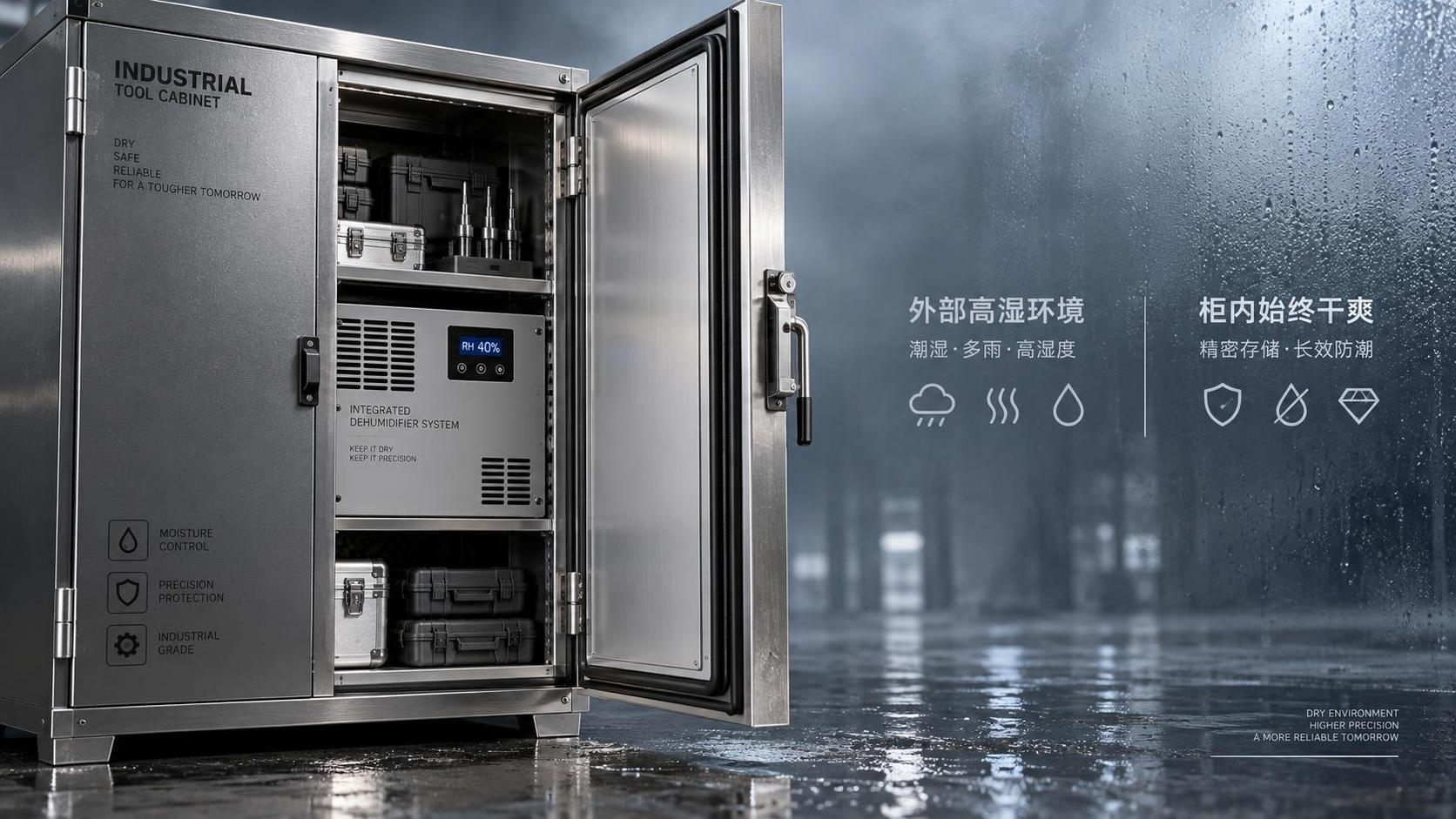
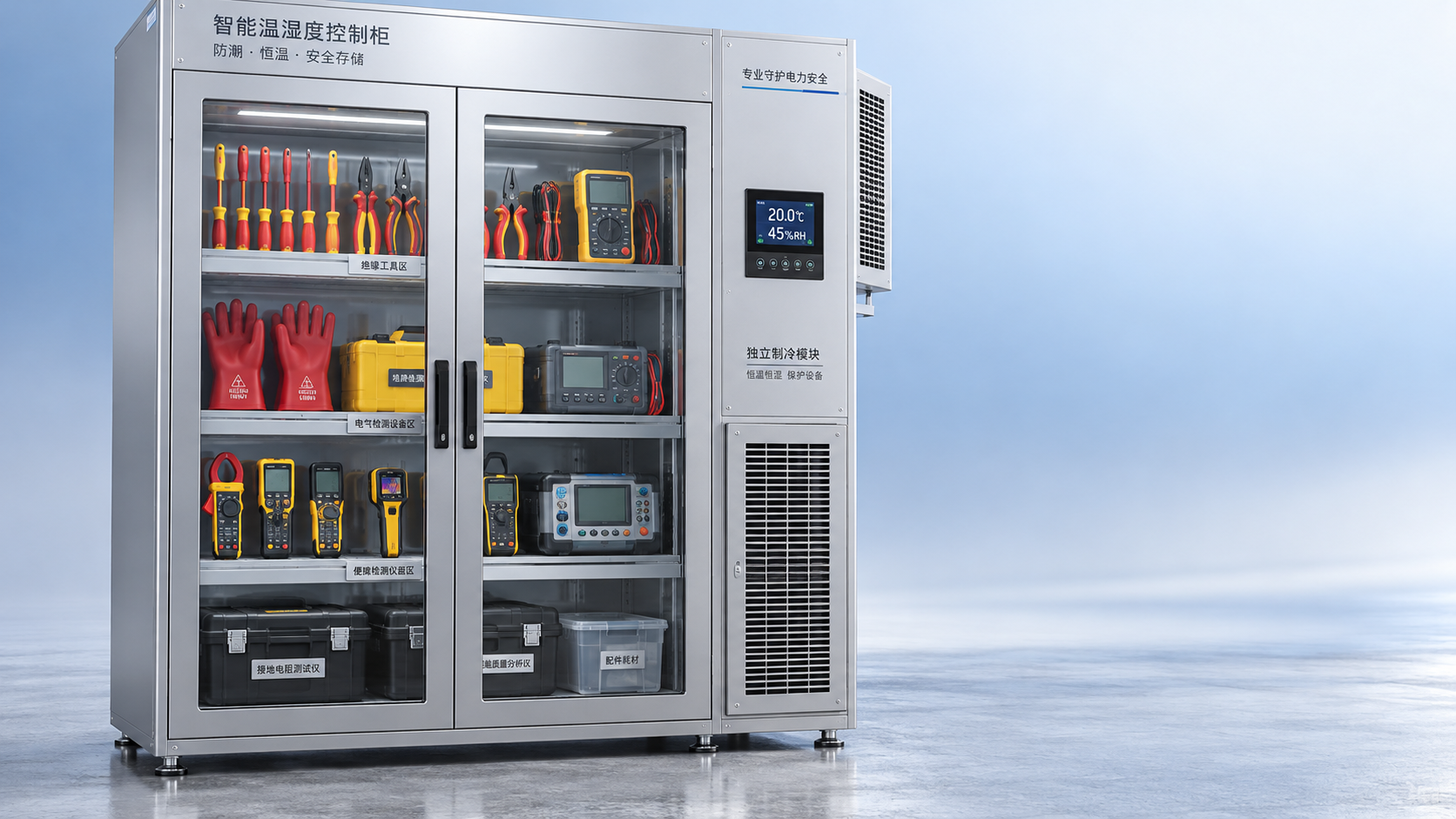
A dehumidification safety cabinet can extend PPE service life because it addresses one of the most common causes of hidden deterioration: uncontrolled humidity. Moisture does not always destroy protective equipment immediately. More often, it accelerates surface aging, encourages mold or contamination, affects dielectric performance, and creates unstable storage conditions that shorten the usable period of equipment that may still look acceptable during a quick visual check. This matters especially in substations, utility warehouses, maintenance rooms, coastal sites, and renewable energy projects where temperature swings and ambient humidity are hard to control.
Why storage affects PPE life more than many teams expect
In the electrical equipment industry, PPE is expected to deliver predictable protection when needed, not simply remain intact on a shelf. That distinction is important. Service life is not only about whether the product exists physically after a period of time. It is about whether the item can still meet its protective function after storage, handling, transportation, and repeated use.
For electrical protective tools and wearable PPE, moisture creates several layers of risk:
- It can contribute to material degradation in rubber and polymer-based items.
- It may allow dust, salts, or other contaminants to adhere more easily to surfaces.
- It increases the chance of mold or odor in enclosed storage spaces, especially for boots, gloves, and fabric-based accessories.
- It can lead to condensation during temperature changes, which is particularly problematic when gear moves between air-conditioned rooms and hot field environments.
- It may complicate pre-use inspection because damp surfaces can hide early cracking, stickiness, or surface contamination.
For safety managers, the key point is that poor storage rarely appears as a single dramatic failure mode. Instead, it reduces confidence margins over time. That is why a dehumidification safety cabinet should be evaluated as part of the PPE control system, not as a standalone storage accessory.
Which PPE categories benefit most
Not every safety item responds to humidity in the same way. A dehumidified storage environment is usually most valuable for equipment whose protective performance depends on stable material condition and clean surfaces.
Insulating gloves and sleeves
These are among the clearest examples. Rubber insulating gloves are sensitive to storage stress, including heat, ozone, sunlight, deformation, and contamination. Humidity alone may not be the only aging factor, but in real workplaces it often works together with dirt, poor ventilation, and repeated handling. Controlled dry storage helps reduce surface tackiness, microbial growth, and moisture-related contamination, particularly after cleaning and before return to service.
Insulating boots and overshoes
Boots often face the harshest combination of field moisture and storage neglect. After use in rain, wet ground, or industrial outdoor areas, they may be returned to enclosed rooms without complete drying. That creates a favorable environment for odor, internal moisture retention, and material aging. A cabinet with stable humidity control supports drying management and helps maintain more consistent condition between issue cycles.
Arc-flash and general protective accessories
Some accessories are less directly affected in dielectric terms but still benefit from dry storage because moisture can damage comfort, cleanliness, and readiness. Helmets, visors, harness accessories, and protective clothing components can all suffer from mildew, corrosion on metallic parts, or material discomfort that leads users to avoid proper wear.
Electrical testing and live-work support tools
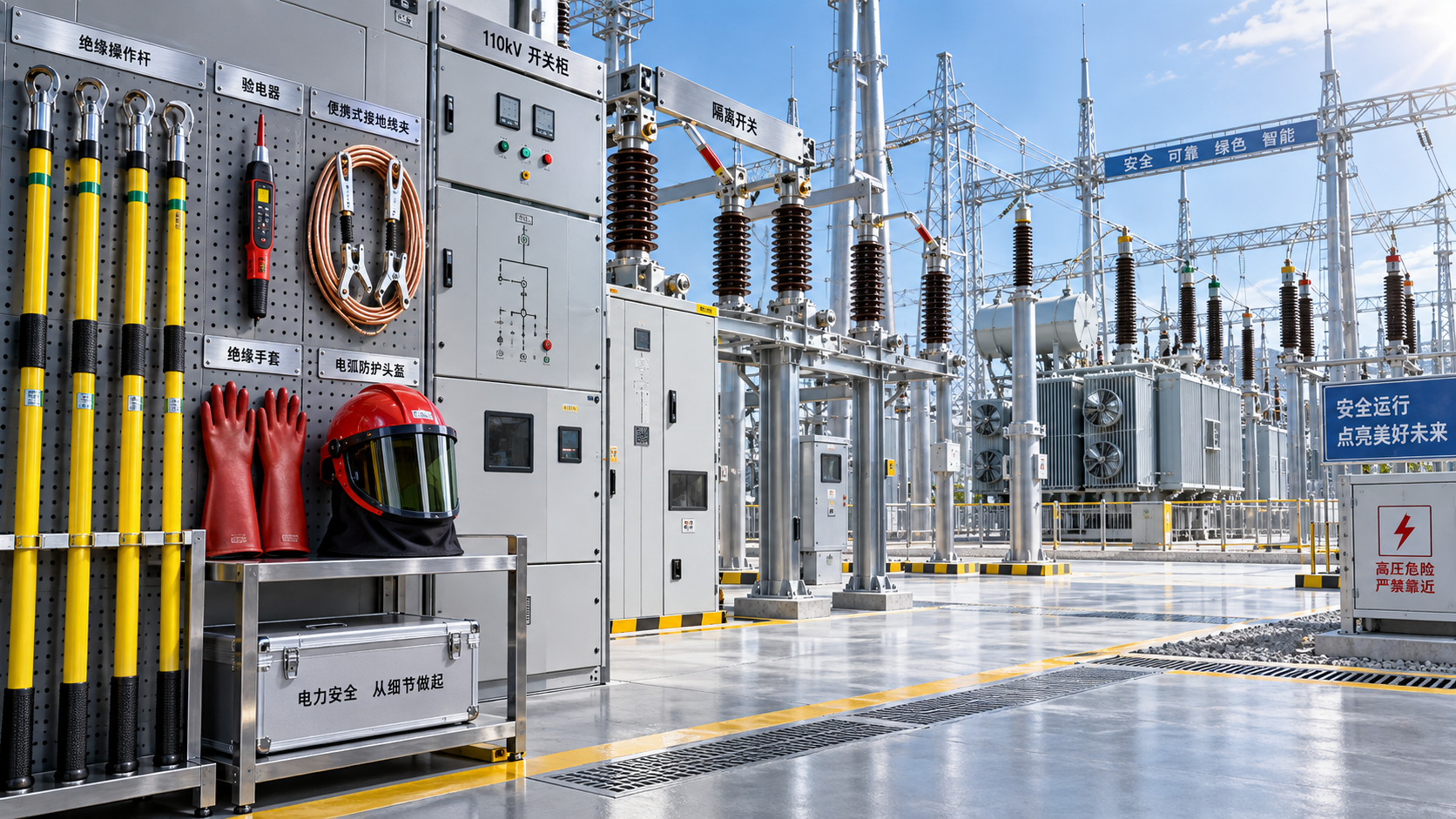
In many facilities, PPE is stored together with supporting safety tools. While these are not all “wearable” items, the storage logic is similar: readiness depends on condition control. For example, during substation maintenance or power system inspection, teams may store voltage verification devices near insulating operating tools. In that context, an High voltage detector used for voltage presence detection and live-line work preparation benefits operationally from the same disciplined storage area, especially when paired with hot sticks and other equipment that must remain clean, dry, and immediately deployable.
Does it always extend service life? Not automatically
This is where many oversimplified claims break down. A dehumidification safety cabinet can extend service life, but it does not do so by default. Its value depends on three conditions.
First, the cabinet must control humidity at a stable and appropriate level. If humidity reduction is inconsistent, excessive, or poorly monitored, the result may be little better than standard enclosed storage. In some cases, over-drying may also be undesirable for certain materials or mixed equipment sets, especially if site procedures do not distinguish between product categories. Exact humidity targets should follow manufacturer guidance and applicable storage requirements where available; site-specific settings often need validation rather than assumption.
Second, PPE must enter the cabinet in acceptable condition. Storing contaminated, damaged, or improperly cleaned equipment in a controlled cabinet does not restore performance. It only stores the problem more neatly. Quality teams should treat the cabinet as a preservation control, not a corrective one.
Third, the cabinet has to be embedded in a management workflow. If workers routinely leave gloves on benches, hang boots in uncontrolled rooms, or mix tested and untested items together, the cabinet’s technical benefit is diluted. Storage equipment is effective only when location control, inspection records, and issue-return discipline are also in place.
What quality control teams should evaluate before adoption
For B2B users in the electrical equipment field, the decision is usually operational rather than theoretical. The question is whether a dehumidification safety cabinet reduces lifecycle cost and safety risk enough to justify procurement, floor space, and management effort.
The most useful evaluation points are these:
Facilities in coastal regions, tropical climates, underground spaces, or older substations with limited HVAC control usually have a stronger business case than sites with already stable environmental control. The same is true for operations with high PPE turnover or distributed field crews, where storage inconsistency creates repeat replacement costs.
Common assumptions that deserve caution
“If PPE passes inspection, storage conditions are not a major issue.”
This is too narrow. Passing inspection at one point in time does not prove that storage conditions are acceptable over the full interval between tests. Many storage-related effects are cumulative and become visible only later. A cabinet helps reduce variability between inspection cycles.
“Any closed metal cabinet is good enough.”
Not necessarily. A sealed cabinet without proper humidity control can trap moisture rather than solve it. This is a common issue when damp PPE is put away after field work. Without dehumidification or controlled ventilation, the cabinet becomes a storage enclosure, not a preservation environment.
“Dehumidification mainly protects expensive tools, not consumable PPE.”
This view misses the operational cost of premature replacement and the safety risk of inconsistent condition. Even when individual PPE items are lower in value than test instruments, their quantity, replacement frequency, and direct relationship to worker protection make storage quality economically relevant.
“A dry cabinet alone solves compliance concerns.”
It does not. Compliance depends on a broader framework that may include inspection routines, dielectric testing where applicable, identification control, cleaning procedures, training, and retirement criteria. Storage is one control measure within that system.
How to judge return on investment in real operations
For procurement and EHS teams, service life extension should be assessed in practical terms. Useful indicators include reduced replacement frequency, fewer failures during periodic inspection, improved readiness of shared PPE, lower incidence of mold or odor complaints, and better separation between serviceable and non-serviceable items.
In some organizations, the cabinet’s strongest value is not the direct extension of material life but the reduction of management errors. When PPE has a designated controlled location, users are less likely to stack, fold, compress, or misplace equipment. This can be particularly important in mixed-use maintenance rooms where insulated gloves, boots, operating rods, and detection devices are all handled by multiple crews.
That is also why some sites combine PPE preservation with organized storage of verification tools used before electrical work begins. A lightweight voltage detector with visual and audible alarms may be part of the same readiness chain, especially in medium- and high-voltage systems where electrical safety verification must happen before maintenance activity proceeds. In practice, storage discipline works best when protective wear and supporting safety tools are managed as one field-use system rather than separate procurement categories.
What standards-minded buyers should keep in mind
When discussing storage and service life, teams should avoid claiming exact life extension percentages unless they have site data to support them. Actual improvement depends on climate, PPE type, use intensity, contamination level, and the baseline quality of the existing storage process. Any numerical claim about lifespan improvement should be treated as site-specific unless independently verified.
It is also important to distinguish between product compliance and storage optimization. A cabinet may help preserve compliant equipment, but it does not replace conformity to relevant PPE and electrical safety standards. Requirements vary by product category and market, and detailed storage conditions may come from manufacturer instructions, internal utility procedures, or applicable standards documents. If a project requires specific humidity thresholds or validation records, those points should be confirmed before purchase rather than assumed from a general product brochure.
Why this matters more as electrical safety programs become more formalized
Across utilities, industrial plants, renewable energy projects, and contractor networks, electrical safety management is becoming more structured. Buyers are no longer looking only at purchase price; they are looking at continuity of protection, audit readiness, asset life, and the consistency of frontline use. In that environment, storage is moving from a housekeeping issue to a quality variable.
Founded in 2009, Hebei Jinneng Power Technology Co., Ltd. has built its position in electrical safety equipment around that broader view of protection: not just supplying tools, but supporting the conditions under which protective performance remains reliable in the field. For quality managers and safety supervisors, that is the more useful lens for evaluating any dehumidification safety cabinet. The relevant question is not whether dry storage sounds beneficial in principle. It is whether the cabinet helps preserve dielectric integrity, reduce avoidable degradation, and keep PPE consistently ready for use in the environments your crews actually work in.
Where humidity, contamination, and uneven storage discipline are already known issues, the cabinet is often a sensible control measure. Where those risks are low, the benefit may be more modest. Either way, the decision should be made as part of a storage-and-readiness strategy, because PPE service life is rarely determined by product quality alone.
Recommend
 Oct 25, 2026
Homemade Bird Repellent Spray: Recipe Limits and Outdoor Surface Risks
Searching for how to make homemade bird repellent spray? Discover recipe limits, outdoor surface risks, electrical safety tips, and safer deterrents before you spray.
- Oct 25, 2026
Natural Bird Deterrents for Rooftops: Choosing Nonchemical Options
Learn how to repel birds naturally with humane rooftop barriers and smarter maintenance. Compare nonchemical options to protect electrical equipment and keep roof access clear.
- Oct 24, 2026
Home Remedies for Repelling Birds: What to Try on Patios and Railings
Learn how to repel birds with home remedies for cleaner patios and railings. Discover humane DIY options, avoid harmful sprays, and keep deterrents clear of electrical equipment.