English
 Español
 Português
 Français
 Deutsch
 русский
 한국어
한국어 にほんご
にほんご हिन्दी, हिंदी
 বাংলা
বাংলা Bahasa Indonesia
 Türkçe
 Việt
Việt dansk
dansk čeština
 עִבְרִית Ivrit
 Filipino/Pilipino
 български език (Bǎlgarski jazik)
 suomi
suomi norsk
norsk język polski
 ไทย
ไทย ກະຣຸນາ
 Bahasa Melayu
 ភាសាខ្មែរ
 ဗာရမ်
ဗာရမ် اردو
اردو فارسی
فارسی Italiano
 Nederlands
 svenska
 Монгол хэл
 नेपाली
 සිංහල
සිංහල Ўзбек тили
 پښتوتۆرکجه
 Ελληνικά
 српски / srpski
 magyar
 українська
 Kiswahili
 Қазақ тілі
 Română
 Hrvatski
 Bosanski
 Kreyòl ayisyen
 አማርኛ
አማርኛ Hausa
Hausa Yorùbá
 Igbo
IgboWhat to check before choosing an electrical safety storage cabinet
Before choosing an electrical safety storage cabinet, technical evaluators should focus first on protection performance, environmental suitability, internal organization, and compliance evidence rather than price alone. A cabinet that looks adequate on paper can still fail in real operating conditions if it does not control moisture, prevent tool damage, support traceable storage, or match the insulation requirements of the equipment being stored.
The right decision usually comes down to one practical question: will this cabinet preserve the safety condition, usability, and accessibility of electrical protective tools over time? If the answer is uncertain, the cabinet is not a good fit, regardless of cost or appearance. This guide breaks down the criteria that matter most for a sound technical evaluation.
What is the real search intent behind choosing an electrical safety storage cabinet?
When users search for an electrical safety storage cabinet, they are rarely looking for a simple product definition. In most cases, they want a clear evaluation framework to compare options and avoid buying a cabinet that creates hidden operational or compliance risks.
For technical evaluators, the search intent is strongly practical. They need to confirm whether a cabinet can protect insulated tools, safety gear, and testing equipment from humidity, contamination, mechanical damage, and poor storage discipline in substations, utilities, workshops, or industrial power sites.
They also want to understand which specifications matter and which sales claims are less important. In other words, they are not just shopping for storage space. They are assessing whether the cabinet contributes to electrical safety management, inspection readiness, and long-term asset reliability.
What do technical evaluators care about most?
The first concern is whether the cabinet helps maintain the integrity of stored safety equipment. Electrical gloves, insulated rods, detectors, grounding assemblies, and other protective tools can lose reliability when exposed to dust, moisture, ultraviolet light, compression, or improper stacking.
The second concern is compatibility with the actual work environment. A cabinet selected for a climate-controlled room may perform poorly in a humid substation, a coastal utility facility, or a maintenance base with large temperature swings and frequent handling.
Third, evaluators want evidence of durable construction and stable quality. Cabinet doors, locks, seals, shelves, and internal supports must withstand repeated use without warping, loosening, or causing accidental tool damage.
Finally, they care about manageability. The cabinet should make inspection routines easier, not harder. Fast identification, clear zoning, traceable storage, and convenient retrieval all affect safety performance in daily operations.
Start with the protection requirement, not the cabinet dimensions
One common purchasing mistake is starting with available floor space or external size. Those factors matter, but they should come after defining the protection needs of the tools and equipment to be stored.
Different electrical safety items have different vulnerabilities. Insulating gloves may require controlled storage away from pressure and sharp edges. Insulating rods and sticks need enough length clearance to avoid bending or surface abrasion. Portable detectors and accessories may need dust-resistant compartmentalization.
That means a technical evaluation should begin with an inventory review. List the tool categories, dimensions, inspection frequency, storage quantity, and handling pattern. Then determine whether the cabinet must support hanging, shelving, partitioned trays, lockable sections, or dedicated holders.
If this step is skipped, buyers often end up with a cabinet that has enough volume but poor usability. The result is cluttered storage, damaged tools, and inconsistent return-to-location discipline after field work.
How important are material and structural design?
Material choice has a direct effect on durability, cleanliness, corrosion resistance, and long-term stability. In electrical safety environments, cabinet materials should be evaluated for their resistance to humidity, chemical exposure, impact, and deformation over years of service.
For many industrial applications, evaluators should check whether the cabinet body and internal supports are robust enough to carry the actual load without bending. Shelf failure or poor internal reinforcement can damage equipment and compromise safe organization.
Surface treatment also matters. A finish that resists corrosion and is easy to clean helps preserve a controlled storage environment. In substations and industrial maintenance settings, cabinets are often exposed to dust, oil traces, and changing temperatures, so material quality should not be treated as a cosmetic issue.
Door design, hinges, handles, and locking points deserve close review as well. These are the components that receive the most repeated stress. Weak hardware can shorten service life and create daily operating frustration, especially where many users access the cabinet across shifts.
Why environmental control matters more than many buyers expect
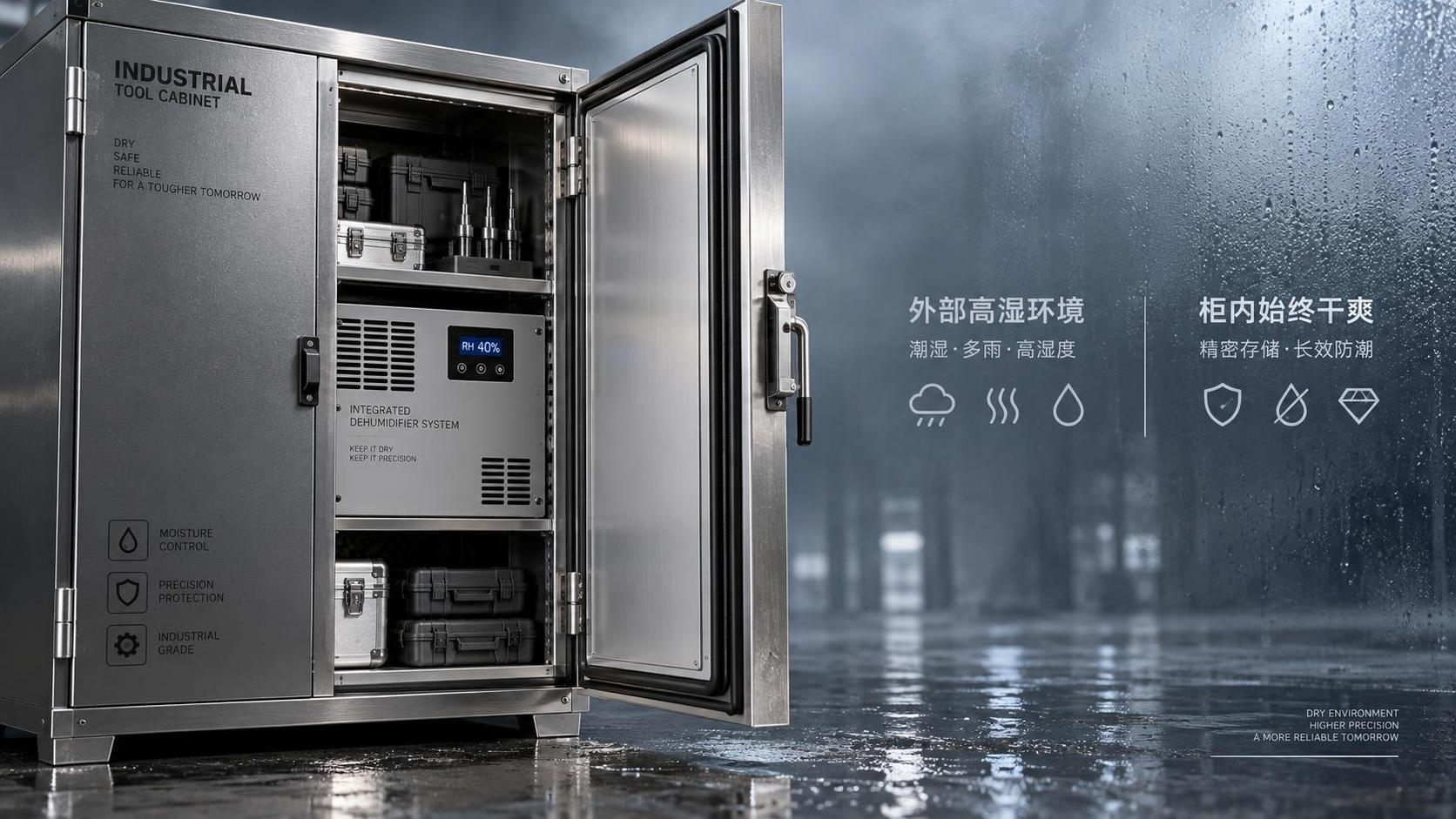
An electrical safety storage cabinet is not just a container. Its role is to support a suitable storage environment for protective equipment. For that reason, moisture resistance and ventilation design should be reviewed carefully during evaluation.
In many regions, humidity is one of the biggest threats to stored electrical safety tools. Excess moisture can affect the condition of insulating equipment, labels, packaging, and records. Cabinets used in humid or coastal environments may need stronger sealing performance or integration with drying and monitoring measures.
Dust control is another major factor. Fine particles can contaminate tool surfaces and make routine inspection more difficult. If the cabinet is installed near workshop traffic, outdoor transitions, or industrial process areas, the evaluator should confirm how effectively the design limits dust ingress.
Temperature fluctuations should also be considered. A technically suitable cabinet must perform consistently under the actual site conditions, not only in a showroom or catalog specification. If the storage location is exposed to seasonal extremes, ask for evidence of field suitability.
What internal layout features improve safety and efficiency?
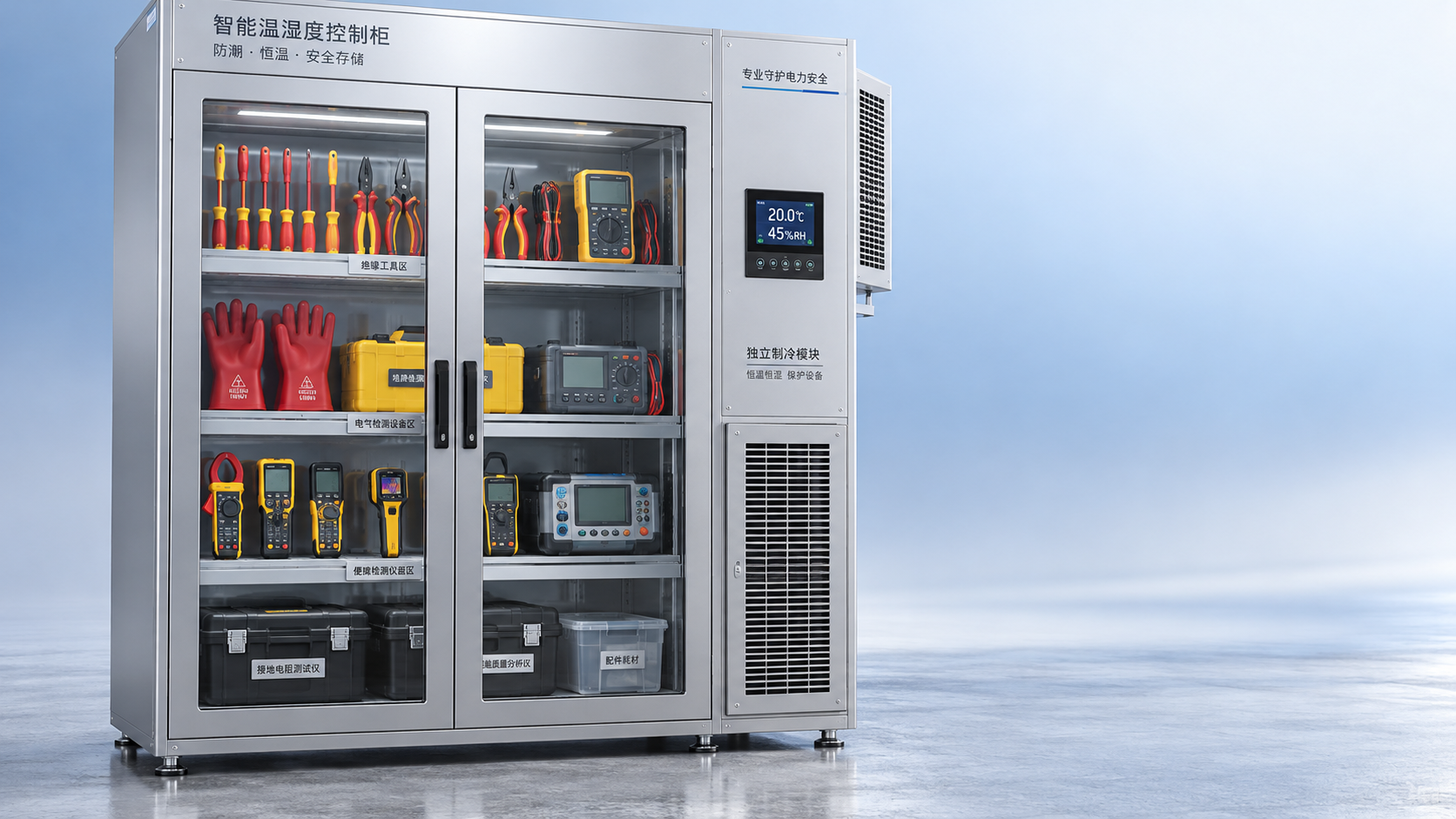
Good internal organization is one of the most undervalued aspects of an electrical safety storage cabinet. A well-designed cabinet helps users return tools correctly, identify missing items quickly, and reduce accidental contact between incompatible or delicate equipment.
Look for internal zoning that reflects real work categories. Separate positions for insulating gloves, rods, testers, grounding devices, and accessories improve order and reduce unnecessary handling. Adjustable shelves or modular holders are useful when tool sets vary by project or location.
Visibility matters too. Clear labeling zones, logical arrangement, and easy-access compartments reduce retrieval time and lower the chance of misuse. In many operations, speed is important, but speed without order creates safety gaps. The cabinet should support both.
A useful comparison can be seen in other infrastructure safety products. For example, Underground Warning Tape is designed around practical field visibility and traceable positioning during excavation work. The same principle applies here: storage equipment should not merely contain assets, but make safety control easier in real use.
How should compliance and quality evidence be assessed?
Technical evaluators should verify more than marketing language. A supplier should be able to explain what standards, test methods, quality controls, and inspection procedures support the cabinet’s performance and consistency.
Ask whether the cabinet design aligns with relevant industry requirements for electrical safety equipment storage, workplace organization, and environmental suitability. Even where no single universal cabinet standard applies, the manufacturer should demonstrate a disciplined quality approach and a clear understanding of use conditions.
Factory inspection procedures are especially important. Evaluators should confirm how dimensions, load capacity, finish quality, door alignment, lock operation, and internal accessory consistency are controlled during production. Reliable manufacturing discipline often matters as much as the visible design itself.
If the supplier cannot provide structured technical data, material details, or quality process information, that is a warning sign. Procurement teams should not rely only on catalog photos or generic specifications when the cabinet will protect critical safety assets.
What site-specific questions should you ask before approving a cabinet?
A technically sound evaluation should include questions tied to the operating environment, users, and maintenance routine. This is where many poor-fit purchases can be avoided.
First, where will the cabinet actually be installed? Indoor control rooms, warehouse areas, mobile maintenance stations, and substation service zones all create different requirements for sealing, access, and structural protection.
Second, who will use it and how often? A cabinet opened several times a day by multiple teams needs stronger hardware and clearer organization than one used occasionally by a small inspection group.
Third, what is the inspection and replacement workflow? If protective tools are periodically tested, quarantined, or rotated, the cabinet should make status separation easy. Dedicated sections for qualified, pending inspection, or restricted-use items can improve control.
Fourth, is future expansion likely? If equipment categories or quantities may grow, modularity becomes valuable. An evaluator should consider whether the initial cabinet can adapt without forcing a complete replacement too soon.
How do you compare suppliers beyond price?
Price is relevant, but it should be judged against total lifecycle value. A low-cost cabinet that fails early, organizes poorly, or exposes tools to environmental stress can create higher replacement costs and greater operational risk over time.
Evaluate the supplier’s experience in electrical safety applications, not just general metal or industrial storage manufacturing. A supplier with a deep understanding of insulated tools, utility work practices, and field conditions is more likely to provide a cabinet that matches actual needs.
Production capability, consistency, and responsiveness also matter. Technical evaluators should look at whether the supplier can support custom dimensions, internal layouts, identification features, and after-sales communication when project requirements are specific.
Customization should still remain practical. Similar to products used in utility marking systems, where width, thickness, and text may be adapted for field conditions, storage solutions are more valuable when tailored around operating reality rather than forced into a generic format.
Common mistakes that lead to poor selection
One frequent mistake is treating the cabinet as standard furniture rather than protective infrastructure. This leads to underestimating moisture control, layout design, and material durability.
Another mistake is selecting based only on external dimensions. Storage volume does not guarantee proper accommodation for long insulating tools, hanging equipment, or inspection separation.
Some buyers also ignore user workflow. If the cabinet is difficult to open, poorly labeled, or awkward to organize, workers may leave tools outside, stack them improperly, or bypass the system altogether.
A further issue is weak supplier validation. Without reviewing technical details, quality assurance methods, and actual use-case fit, buyers may approve a cabinet that looks acceptable in a quotation sheet but performs poorly in service.
A practical evaluation checklist for technical buyers
Before final approval, technical evaluators should confirm a small set of core points. Does the cabinet protect the stored equipment from moisture, dust, deformation, and accidental damage? Does the internal layout match the exact tool set and workflow?
Does the structure support the required load and usage frequency? Are the materials and surface treatments suitable for the operating environment? Is there clear evidence of manufacturing quality and consistency?
Can users identify, retrieve, return, and inspect items efficiently? Does the supplier understand electrical safety applications well enough to answer technical questions directly and credibly? These checks often reveal more than a long feature list.
Conclusion
Choosing the right electrical safety storage cabinet is fundamentally a risk-control decision. Technical evaluators should focus on how well the cabinet preserves protective equipment condition, supports organized access, and performs under the site’s real environmental demands.
The best choice is rarely the cheapest or the most visually impressive. It is the one that aligns with the stored equipment, the inspection workflow, the environmental conditions, and the long-term safety responsibilities of the operation. When evaluated this way, an electrical safety storage cabinet becomes a functional part of the protection system, not just a place to put tools.
Recommend
 Oct 25, 2026
Homemade Bird Repellent Spray: Recipe Limits and Outdoor Surface Risks
Searching for how to make homemade bird repellent spray? Discover recipe limits, outdoor surface risks, electrical safety tips, and safer deterrents before you spray.
- Oct 25, 2026
Natural Bird Deterrents for Rooftops: Choosing Nonchemical Options
Learn how to repel birds naturally with humane rooftop barriers and smarter maintenance. Compare nonchemical options to protect electrical equipment and keep roof access clear.
- Oct 24, 2026
Home Remedies for Repelling Birds: What to Try on Patios and Railings
Learn how to repel birds with home remedies for cleaner patios and railings. Discover humane DIY options, avoid harmful sprays, and keep deterrents clear of electrical equipment.