English
 Español
 Português
 Français
 Deutsch
 русский
 한국어
한국어 にほんご
にほんご हिन्दी, हिंदी
 বাংলা
বাংলা Bahasa Indonesia
 Türkçe
 Việt
Việt dansk
dansk čeština
 עִבְרִית Ivrit
 Filipino/Pilipino
 български език (Bǎlgarski jazik)
 suomi
suomi norsk
norsk język polski
 ไทย
ไทย ກະຣຸນາ
 Bahasa Melayu
 ភាសាខ្មែរ
 ဗာရမ်
ဗာရမ် اردو
اردو فارسی
فارسی Italiano
 Nederlands
 svenska
 Монгол хэл
 नेपाली
 සිංහල
සිංහල Ўзбек тили
 پښتوتۆرکجه
 Ελληνικά
 српски / srpski
 magyar
 українська
 Kiswahili
 Қазақ тілі
 Română
 Hrvatski
 Bosanski
 Kreyòl ayisyen
 አማርኛ
አማርኛ Hausa
Hausa Yorùbá
 Igbo
IgboElectrical Safety Equipment Cabinet Standards: What to Check Before Installation
It often starts with a practical question on site: the cabinet looks strong enough, the room has space, and the installation team is ready, so why delay? In electrical workplaces, that decision can cause trouble later. An unsuitable cabinet may expose insulated tools to moisture, trap heat, allow poor storage habits, or make routine inspection harder than it should be. The problem is not always obvious on day one. It usually appears after the cabinet is in use, when labels fade, shelves deform, doors do not close properly, or the internal environment no longer supports safe storage.
Many people evaluating an electrical safety equipment cabinet focus first on dimensions, quantity of compartments, or whether it matches the room layout. Those points matter, but they are only part of the check. Before installation, it is worth slowing down and verifying a few technical details that affect compliance, tool condition, and day-to-day safety. If you are reviewing a cabinet for a substation, maintenance workshop, renewable energy site, or utility storage area, the following checkpoints can help you avoid a poor fit.
Start with the real storage environment, not the catalog photo
A cabinet that works well in a clean indoor corridor may not be suitable near switchgear rooms, maintenance bays, or access passages where dust, vibration, and frequent handling are normal. The first step is to look at the actual environment where the cabinet will stand.
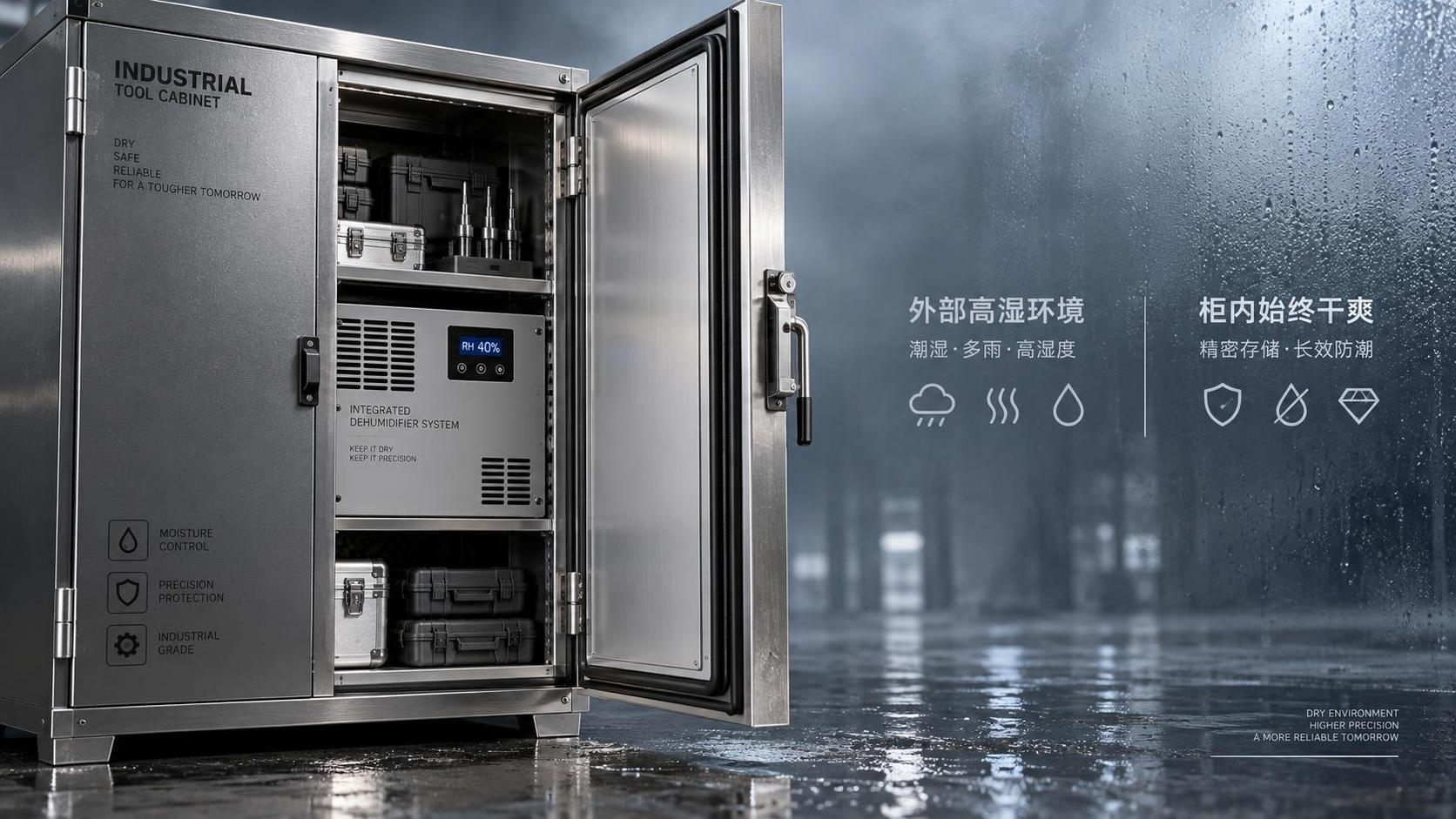
Check whether the area is dry, humid, exposed to temperature swings, or close to doors that stay open during operations. In some sites, the problem is not direct rain but condensation. A cabinet installed against an exterior wall or near a poorly ventilated corner may create a microclimate that affects gloves, insulating mats, rescue hooks, or testing accessories. If the cabinet is intended for mixed storage, the environmental requirement should be based on the most sensitive item inside, not the least sensitive one.
Also consider traffic flow. A cabinet placed in a narrow passage can become both a storage point and an obstruction. Doors that open into emergency paths or maintenance routes create an avoidable risk. If the cabinet needs frequent access, there should be enough clearance for workers carrying tools while wearing protective equipment.
Material selection is more than a durability question
One common mistake is treating cabinet material as a cosmetic choice. In reality, material affects corrosion resistance, cleanability, structural stability, and in some cases electrical behavior around the storage area. Before installation, verify what the body, shelves, hinges, handles, and locking components are made of.
Metal cabinets may be preferred for mechanical strength, but they need appropriate surface treatment for the site environment. If the room has moisture, chemical exposure, or cleaning agents, coating quality matters. Poor finishing can lead to rust around edges, fasteners, or welded joints, which may shorten cabinet life and contaminate stored items.
Non-metallic or composite sections can be useful where weight, corrosion resistance, or insulation-related handling concerns are priorities, but they should still be checked for deformation resistance and aging behavior. Thin panels may look acceptable when empty yet bend under long-term load. Shelves should not sag when storing heavy boots, grounding accessories, or multiple packaged tools.
At this stage, ask simple but necessary questions: Are sharp edges removed? Are corners reinforced? Are shelf supports fixed securely? Does the cabinet remain stable when the door is fully open? These details often reveal whether the product has been designed for field use or only for basic indoor storage.
Internal layout should protect tools, not just organize them
A cabinet can have many compartments and still be poorly designed. The inside layout should match the size, shape, and storage posture of the equipment. Insulating rods, voltage detectors, gloves, face shields, grounding sets, and rescue tools should not be forced into a configuration that bends, compresses, or crowds them.
Look for shelf spacing that supports the actual dimensions of the tools. Long items may need vertical holders or fixed brackets to prevent leaning. Smaller accessories should have separated positions so they do not end up piled together at the bottom of the cabinet. If everything can slide freely during door movement, the layout is not doing its job.
Another point that gets overlooked is contact between different categories of equipment. Clean PPE should not be stored in a way that exposes it to dirty hardware, metal burrs, or sharp edges. If the cabinet is intended to support inspection routines, internal zoning should make it easy to identify missing items immediately rather than after a shift begins.
Ventilation, dryness, and cleanliness deserve a closer look
Ventilation openings are sometimes added without much thought, but their size and position affect storage quality. Too little ventilation can trap humidity and odors. Too much open area can allow dust intrusion. The right design depends on whether the cabinet is installed in a controlled room or a harsher maintenance environment.
If ventilation is included, check whether openings are protected and whether they compromise cabinet strength or cleanliness. A cabinet storing electrical protective tools should support routine housekeeping. Interior surfaces should be easy to wipe clean. Deep channels, rough welds, or awkward joints may collect dust and make inspection less reliable.
For sites where workers move between indoor and outdoor areas, a staged process is often useful: dirty outer items stay outside the primary cabinet, while inspected and ready-to-use protective tools remain in cleaner storage. In some work zones, temporary boundary control helps maintain that separation. A retractable barrier such as Magnetic Warning Tape can be a practical add-on around steel surfaces near maintenance areas, especially when teams need a quick visible line to keep storage and inspection space clear without permanent fixtures.
Doors, locks, and access control should match the way people actually work
Access is not just about security. It is about ensuring the right people can retrieve equipment quickly and return it correctly. Before installation, test the opening angle, handle grip, door weight, and locking arrangement. A cabinet that is awkward to open while wearing gloves may encourage bad habits such as leaving doors ajar.
Locking should be proportionate to the storage purpose. If the cabinet contains controlled issue items, the lock should support accountability. If rapid access during urgent work is more important, a simpler system may be more practical. In both cases, the mechanism should operate smoothly and consistently.
Pay attention to hinge quality and door alignment. Misalignment tends to worsen over time, especially if the floor is not level. A cabinet installed on an uneven base may twist slightly, which can affect both lock performance and door sealing. That is why floor condition should be checked before the cabinet is fixed in place.
Labels and identification matter more than many teams expect
When cabinets fail organizationally, the cause is often not structure but identification. Workers should be able to recognize cabinet purpose, internal zones, restrictions, and inspection status at a glance. If labels are too small, poorly placed, or easily damaged, the cabinet becomes dependent on memory rather than system control.
External markings should clearly identify the storage function. Internal labels should help users return each item to its intended position. If different voltage classes, tool categories, or inspection states must be separated, the cabinet should support that visually. Removable labels can be useful, but only if they remain legible and firmly attached under regular cleaning.
This is especially important when multiple teams share one storage area. Confusion about where tested items end and unverified items begin creates a real operational risk. A cabinet standard check should therefore include not only whether labels exist, but whether they are durable, readable, and logically arranged.
Do not ignore installation details hidden outside the cabinet spec sheet
Even a well-made electrical safety equipment cabinet can underperform if installation conditions are poor. Confirm load-bearing capacity of the wall or floor if anchoring is required. Review whether the cabinet needs anti-tip fixing, seismic restraint where relevant, or spacing from adjacent structures for door swing and cleaning access.
Cable trays, pipe routes, extinguishers, and local control panels sometimes interfere with cabinet placement after delivery. It is better to measure those conflicts early than to shift the cabinet into a less suitable corner later. Lighting should also be checked. If workers cannot clearly see item labels inside the cabinet, retrieval errors become more likely.
Another practical point is cleaning clearance. A cabinet installed flush against uneven walls or tightly between fixed objects can create dirt traps. Since electrical protective equipment should be stored in a controlled manner, inaccessible gaps are worth avoiding.
A simple pre-installation review can prevent repeat work
When evaluating a cabinet, many teams find it useful to walk through a short physical review before approval:
- Confirm the cabinet material and finish are suitable for the room environment.
- Check stability when empty and when shelves are loaded.
- Verify shelf spacing and holders against the actual equipment list.
- Inspect edges, corners, welds, and fasteners for safe handling.
- Open and close doors fully to test alignment and access clearance.
- Review the lock type for the intended level of control.
- Examine ventilation openings for balance between airflow and cleanliness.
- Check whether labels support fast identification and disciplined return of tools.
- Measure final installation space, including cleaning and inspection access.
- Make sure the floor or wall condition supports secure fixing where required.
This kind of review does not need to be complicated. It just needs to connect storage design with actual site use. In practice, most later complaints about cabinets can be traced back to one of these overlooked points.
Where standards thinking helps most
Not every site uses the same storage arrangement, and cabinet design will vary by tool mix and local rules. Still, standards-oriented thinking is useful because it asks the right questions early: Does the cabinet protect the equipment? Does it preserve order? Does it support inspection and traceability? Does it reduce the chance of misuse?
That approach also prevents a common shortcut: selecting the cabinet first and adapting the storage process afterward. It is usually better to define the storage conditions, access needs, and equipment categories first, then judge whether the cabinet supports them. If not, a different internal configuration or a different installation location may be the better answer.
In areas with temporary maintenance activity, the cabinet itself may be only one part of a safe arrangement. Teams may also need visible control around the working zone to prevent unnecessary access while equipment is being checked in or out. In that context, a modular magnetic barrier like Magnetic Warning Tape can complement the storage process by marking a temporary keep-clear boundary on steel structures without altering the cabinet or room permanently.
Final checks before approving installation
Before giving the cabinet a final go-ahead, stand in front of it and imagine ordinary use on a busy day. A worker needs one item quickly. Another is returning equipment after inspection. Someone else is passing behind them with other tools. If the cabinet location, opening movement, internal arrangement, and labeling still make sense in that moment, the selection is probably on the right track.
The best cabinet is not simply the one with the thickest panels or the largest capacity. It is the one that preserves the condition of electrical protective equipment, supports consistent storage discipline, and fits the working environment without creating new hazards. Checking those points before installation is usually much easier than correcting them later.
Recommend
 Oct 25, 2026
Homemade Bird Repellent Spray: Recipe Limits and Outdoor Surface Risks
Searching for how to make homemade bird repellent spray? Discover recipe limits, outdoor surface risks, electrical safety tips, and safer deterrents before you spray.
- Oct 25, 2026
Natural Bird Deterrents for Rooftops: Choosing Nonchemical Options
Learn how to repel birds naturally with humane rooftop barriers and smarter maintenance. Compare nonchemical options to protect electrical equipment and keep roof access clear.
- Oct 24, 2026
Home Remedies for Repelling Birds: What to Try on Patios and Railings
Learn how to repel birds with home remedies for cleaner patios and railings. Discover humane DIY options, avoid harmful sprays, and keep deterrents clear of electrical equipment.