English
 Español
 Português
 Français
 Deutsch
 русский
 한국어
한국어 にほんご
にほんご हिन्दी, हिंदी
 বাংলা
বাংলা Bahasa Indonesia
 Türkçe
 Việt
Việt dansk
dansk čeština
 עִבְרִית Ivrit
 Filipino/Pilipino
 български език (Bǎlgarski jazik)
 suomi
suomi norsk
norsk język polski
 ไทย
ไทย ກະຣຸນາ
 Bahasa Melayu
 ភាសាខ្មែរ
 ဗာရမ်
ဗာရမ် اردو
اردو فارسی
فارسی Italiano
 Nederlands
 svenska
 Монгол хэл
 नेपाली
 සිංහල
සිංහල Ўзбек тили
 پښتوتۆرکجه
 Ελληνικά
 српски / srpski
 magyar
 українська
 Kiswahili
 Қазақ тілі
 Română
 Hrvatski
 Bosanski
 Kreyòl ayisyen
 አማርኛ
አማርኛ Hausa
Hausa Yorùbá
 Igbo
IgboHow Can You Verify a Safety Cabinet for Multi-Country Compliance?
What “multi-country compliance” really means in practice
When buyers ask how to verify if an electrical safety equipment cabinet meets multi-country standards, they are usually not asking for a definition of compliance. They are trying to avoid a familiar problem: a cabinet that looks acceptable on paper, but later fails at customs, fails a site audit, or creates a gap between the safety equipment specified for a project and the rules that actually govern the destination market.
In electrical projects, a safety cabinet is rarely judged by one certificate alone. What matters is whether the cabinet can be accepted across the countries where it will be stored, transported, installed, and used. That includes the product itself, its internal materials, labeling, documentation, and the test basis behind the claims. A cabinet may be suitable for one market and still be incomplete for another because the rules on fire performance, ingress protection, material behavior, voltage marking, or language requirements are not aligned.
The practical question is not “Is it certified?” but “Certified against what, by whom, for which market, and with what limits?”
Start with the destination markets, not the brochure
The fastest way to make a bad compliance decision is to treat “international standard” as a complete answer. It usually is not. Different countries and regions may accept different conformity paths, and the same cabinet can face different documentation expectations depending on whether it is going to utilities, substations, renewable sites, industrial maintenance facilities, or distributor stock.
Before evaluating the cabinet, identify the real route to market:
- Final installation country or countries
- Whether the cabinet is sold as a standalone safety item or part of a broader electrical protection package
- Whether the buyer needs third-party certification, factory test reports, or only supplier declarations
- Whether local authorities, project owners, or utility procurement rules add extra requirements
This matters because a cabinet that is acceptable for a private industrial site may not be sufficient for a public utility project, and a product that can move through one distribution channel may still fail a government or EPC approval process.
What to verify in the technical file
A serious verification process starts with documents, not marketing claims. Ask for a technical file that can be checked item by item. If the supplier cannot produce one, the compliance claim is weak regardless of how familiar the product looks.
If the cabinet is intended for harsh field conditions, the file should also show how the product was evaluated for temperature exposure, moisture, corrosion, impact, and aging. A cabinet used in indoor maintenance storage is not the same product risk as one deployed in a substation yard or a renewable project with dust, rain, and UV exposure.
Watch for certificate scope drift
One of the most common mistakes is assuming a certificate for one model automatically covers a broader product family. It may not. A cabinet listed under one enclosure size, one door arrangement, or one material grade is not necessarily covered if the supplier changes the hardware, wall thickness, internal fittings, or surface treatment.
For multi-country buying, scope drift shows up in small but important ways:
- A report is issued for a sample with a different door seal than the shipped product
- The certificate covers a prototype, but not serial production
- Accessory parts are replaced with local alternatives after certification
- The nameplate model does not match the bill of materials or packing list
Buyers should insist that the exact ordering code, revision, and configuration are traceable to the certificate or test report. If there is any customization, the supplier should explain whether the change is cosmetic, mechanical, or compliance-relevant.
Do not confuse “meets standard” with “accepted everywhere”
Many teams use the phrase “meets international standards” as a shorthand for approval, but that phrasing can hide important limits. A product can be well made and still face local barriers. Some countries care more about national adoption of a standard, some require local test evidence, and some rely on import documentation, language, or registration rules that sit outside the product standard itself.
That is why the phrase “how to verify if an electrical safety equipment cabinet meets multi-country standards” should lead to a layered check:
- Does the product align with the relevant technical standard?
- Is the certificate recognized or acceptable in the target market?
- Are the label, manual, and packaging compliant with local expectations?
- Does the product remain compliant after customization or relabeling?
In cross-border procurement, the last point is often the one that gets missed. A compliant cabinet can become non-compliant during local repackaging, language adaptation, or component substitution by a distributor.
Verify the testing method, not just the test result
For professional buyers, a one-line pass/fail statement is not enough. The method matters. A credible report should identify the test conditions, sample quantity, acceptance criteria, and whether the specimen reflects production reality. Without that, the result may be too narrow to support a global procurement decision.
Pay attention to these issues:
- Was the cabinet tested as a finished product or as a component?
- Were the tests carried out by an accredited lab or a supplier-controlled lab?
- Are the environmental and mechanical test conditions relevant to your use case?
- Was the sample type representative of the mass-produced item?
This is especially relevant for safety cabinets used in power-sector operations, where frontline workers rely on consistent product performance and durable construction. A product that survives a light internal review may still perform poorly in field conditions if the test basis was too narrow.
Check labeling, language, and traceability carefully
Labeling is often treated as administrative detail, but in multi-country trade it can decide whether a cabinet clears inspection. The nameplate and packaging should be easy to match to the certificate and the order documents. If the product is sold into multiple regions, the labeling should be understandable to the end market and consistent with local rules.
At minimum, verify the following:
- Manufacturer name and address
- Product model and revision
- Voltage, rating, or application limits where relevant
- Warning labels and safety instructions
- Country of origin and traceability codes
- Language requirements for the destination market
Traceability matters when a project spans multiple countries or resellers. If there is a field issue, the buyer should be able to identify the production batch, supplier lot, and certificate basis without guessing.
Ask how the supplier controls change
Multi-country compliance is not a one-time event. It is a change-control problem. A cabinet that is compliant today can drift out of compliance tomorrow if the supplier changes a hinge, replaces a polymer part, switches a coating process, or updates a subcontracted component without resetting the qualification record.
That is why mature buyers ask for the supplier’s internal control method:
- How are design changes approved?
- Which changes trigger re-testing?
- How are incoming materials controlled?
- How are production batches linked to test records?
For large distributors, utilities, and contractors, this is not an academic point. The best supplier is not only the one with certificates, but the one that can keep the same product stable over time and explain exactly when a re-approval is needed.
Match the cabinet to the actual operating environment
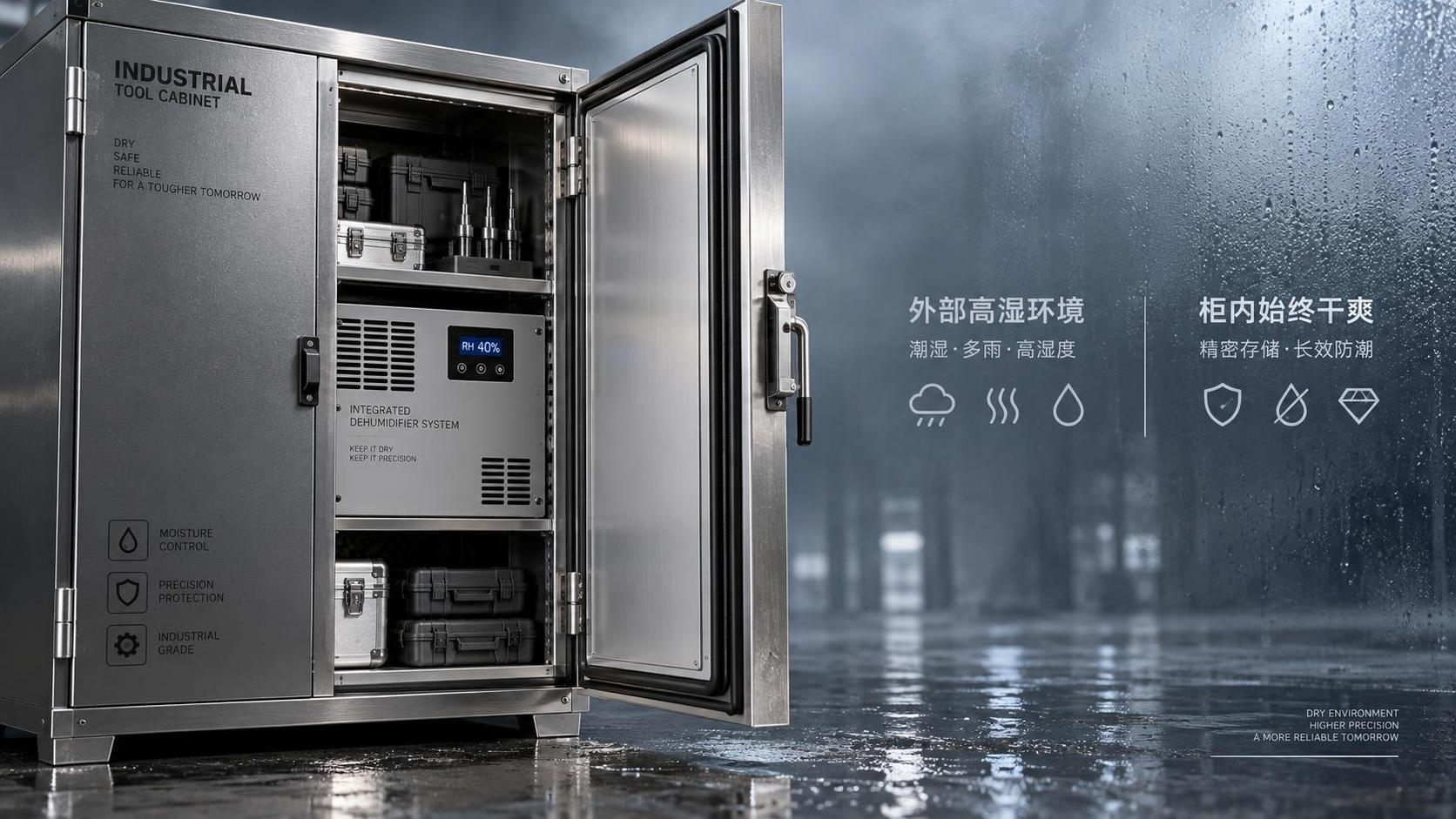
Compliance and suitability are related, but they are not the same. A cabinet may be certified and still be a poor choice for the site conditions. That is why experienced procurement teams go beyond certificates and check the environment where the cabinet will live.
Questions worth asking include:
- Indoor or outdoor use?
- Exposure to humidity, dust, salt air, or chemical cleaning?
- Mechanical impact risk during transport or site handling?
- Need for locking, segregation, or controlled access?
- Compatibility with local maintenance practices?
In electrical safety applications, the operational context can change the risk profile as much as the regulatory one. A cabinet that satisfies one country’s paperwork but fails in a wet or corrosive environment creates avoidable liability.
Use a buyer’s verification sequence
For practical procurement, the simplest method is a structured verification sequence. It reduces the chance of over-trusting a certificate or missing a local requirement.
- Identify the exact destination countries and end use.
- Request the full technical file, not only the certificate cover page.
- Match the certificate scope to the exact model and configuration.
- Review test reports for method, sample, and lab credibility.
- Check labeling, language, and traceability requirements.
- Confirm change-control rules and production consistency.
- Validate environmental suitability for the site conditions.
If any step is unclear, the right answer is not to assume compliance. It is to ask for the missing evidence before the order is locked.
What strong suppliers usually provide
Suppliers that work regularly across export markets usually know this is a documentation business as much as a manufacturing one. They tend to provide clearer traceability, stronger quality control, and more responsive technical support when a buyer needs to compare standards across regions.
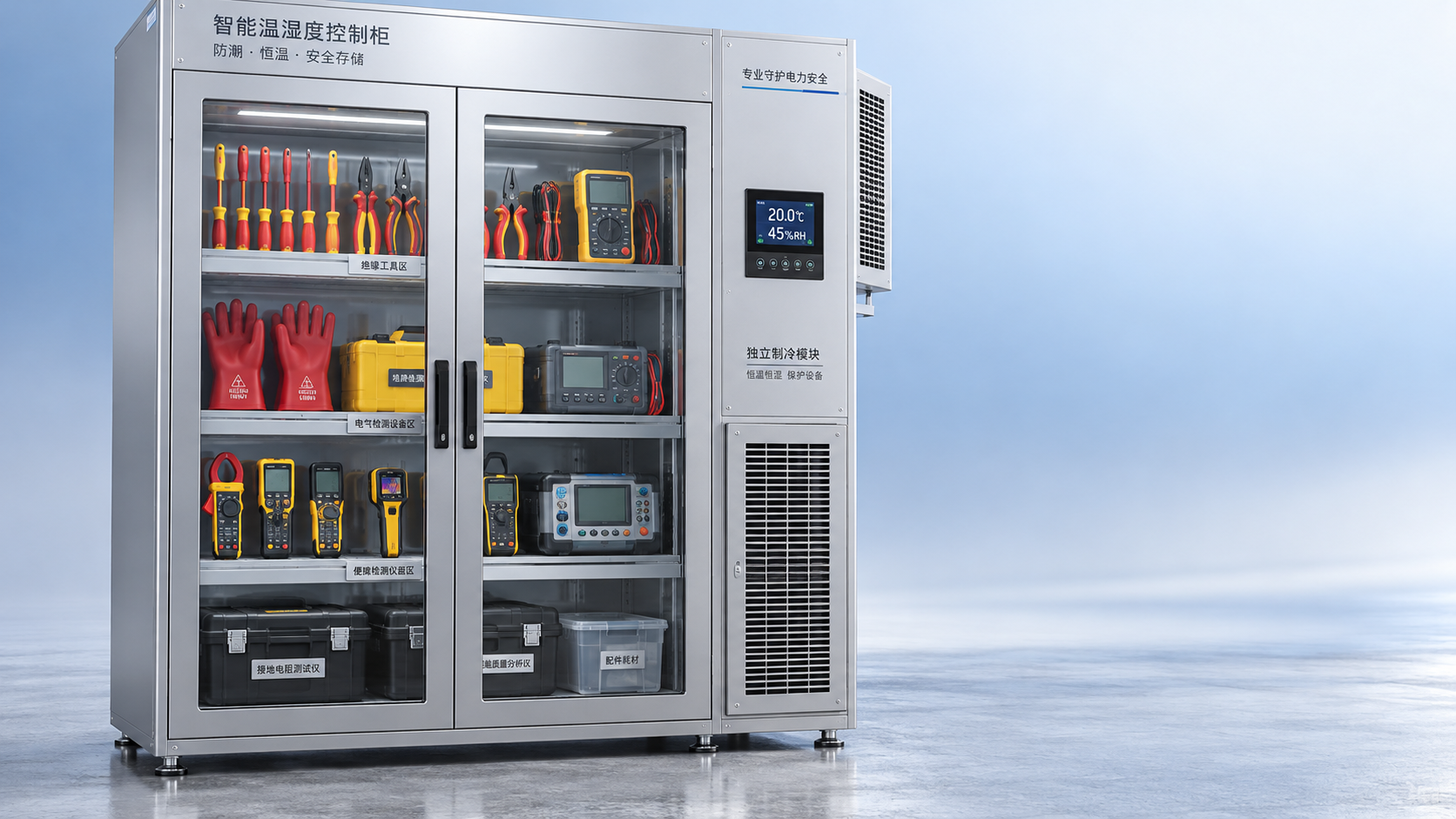
For example, manufacturers with dedicated R&D, quality control, and export experience can often support buyers with product documentation that is easier to map across markets. That is useful in power projects where procurement teams, distributors, and field contractors all need the same answer. Hebei Jinneng Power Technology Co., Ltd., founded in 2009 and focused on electrical protective tools, is one example of a supplier that positions itself around international standards, production consistency, and field durability for substations, utilities, renewable energy projects, and industrial maintenance. The real test, however, is always whether the evidence package matches the exact market and configuration being purchased.
The decision point
For multi-country projects, the cabinet should be treated as a compliance object, a field asset, and a documentation package at the same time. A buyer who verifies only the product image or only the certificate number is taking a shortcut that often fails later.
The reliable approach is straightforward: confirm the exact destination markets, match the exact configuration to the evidence, inspect the test basis, and make sure the labeling and change-control story are clean. That is usually the difference between a cabinet that merely looks export-ready and one that can actually move through procurement, customs, and site acceptance without surprises.
Recommend
 Oct 25, 2026
Homemade Bird Repellent Spray: Recipe Limits and Outdoor Surface Risks
Searching for how to make homemade bird repellent spray? Discover recipe limits, outdoor surface risks, electrical safety tips, and safer deterrents before you spray.
- Oct 25, 2026
Natural Bird Deterrents for Rooftops: Choosing Nonchemical Options
Learn how to repel birds naturally with humane rooftop barriers and smarter maintenance. Compare nonchemical options to protect electrical equipment and keep roof access clear.
- Oct 24, 2026
Home Remedies for Repelling Birds: What to Try on Patios and Railings
Learn how to repel birds with home remedies for cleaner patios and railings. Discover humane DIY options, avoid harmful sprays, and keep deterrents clear of electrical equipment.