English
 Español
 Português
 Français
 Deutsch
 русский
 한국어
한국어 にほんご
にほんご हिन्दी, हिंदी
 বাংলা
বাংলা Bahasa Indonesia
 Türkçe
 Việt
Việt dansk
dansk čeština
 עִבְרִית Ivrit
 Filipino/Pilipino
 български език (Bǎlgarski jazik)
 suomi
suomi norsk
norsk język polski
 ไทย
ไทย ກະຣຸນາ
 Bahasa Melayu
 ភាសាខ្មែរ
 ဗာရမ်
ဗာရမ် اردو
اردو فارسی
فارسی Italiano
 Nederlands
 svenska
 Монгол хэл
 नेपाली
 සිංහල
සිංහල Ўзбек тили
 پښتوتۆرکجه
 Ελληνικά
 српски / srpski
 magyar
 українська
 Kiswahili
 Қазақ тілі
 Română
 Hrvatski
 Bosanski
 Kreyòl ayisyen
 አማርኛ
አማርኛ Hausa
Hausa Yorùbá
 Igbo
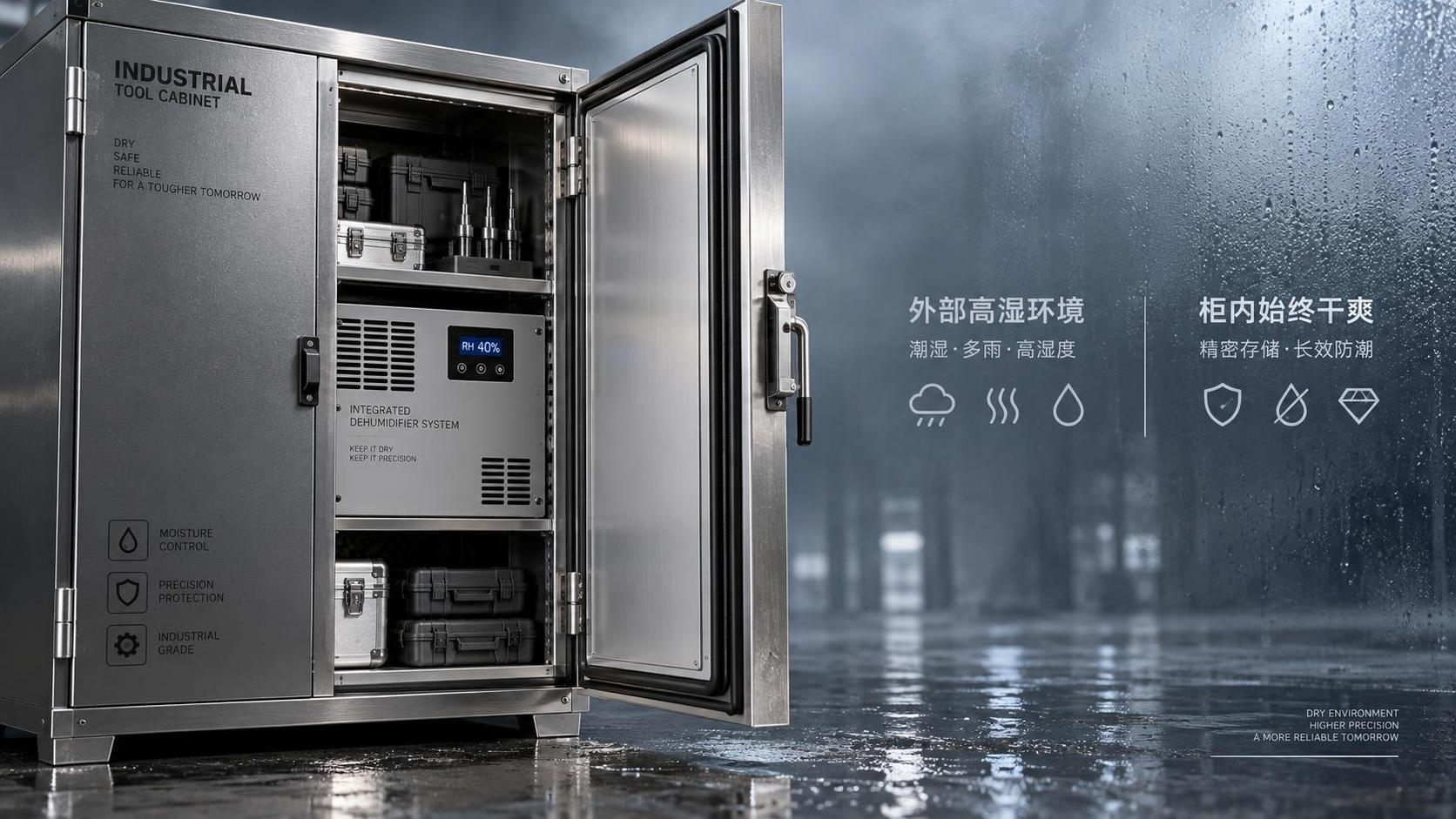
IgboHow Substation Tool Cabinets Improve Readiness During Planned Maintenance
Planned maintenance is often delayed before the first panel is opened. The outage window may be approved, work permits may be prepared, and technicians may be assigned, yet the team can still lose critical time locating insulated hand tools, checking whether portable grounding equipment has been returned, replacing missing lockout devices, or moving safety equipment from another building. In a substation environment, these are not minor housekeeping failures. They affect the sequence, safety controls, and recoverability of the maintenance work.
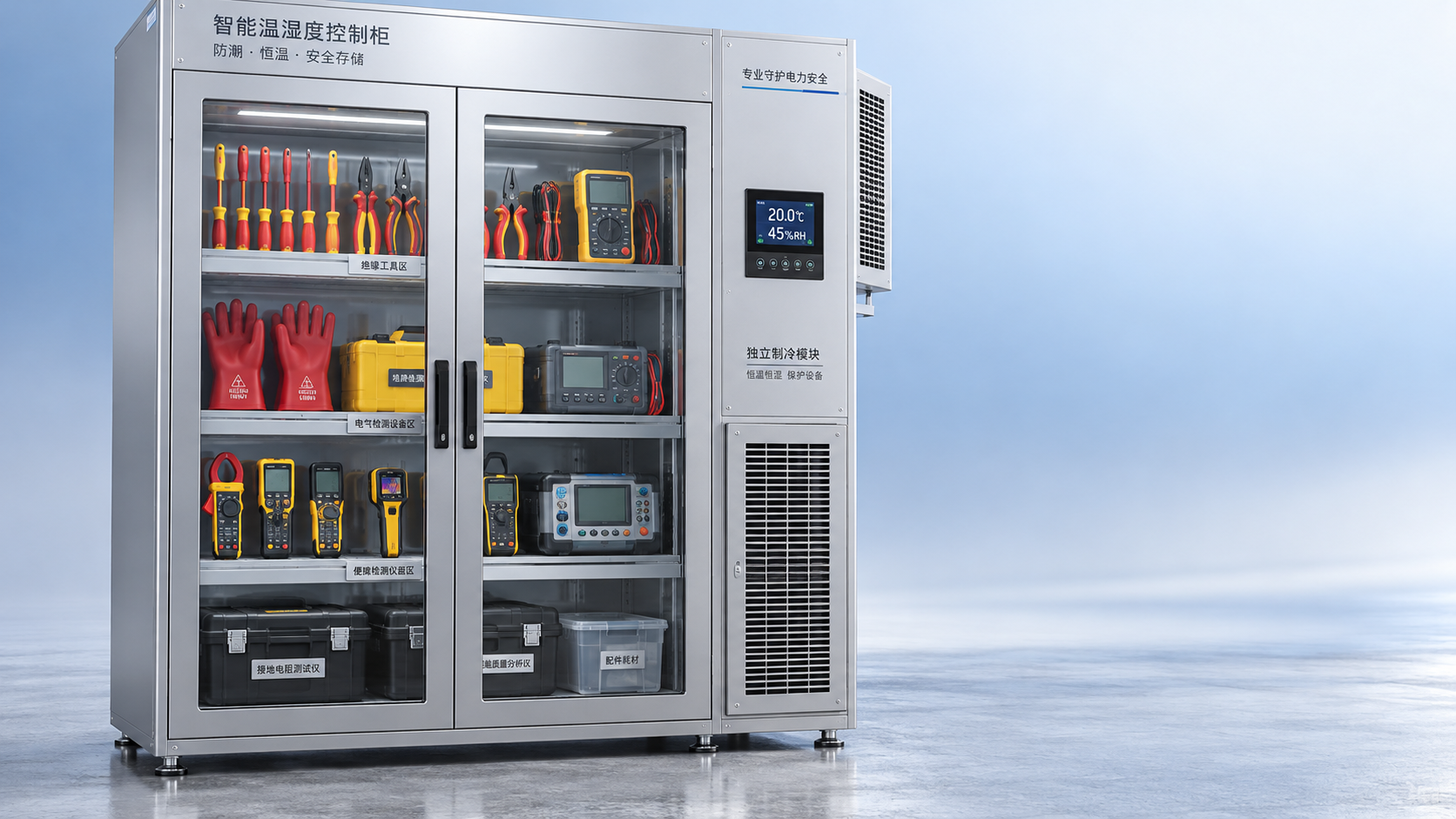
A properly designed substation tool cabinet improves readiness by turning dispersed equipment into a controlled, job-ready system. Its value is not simply that it provides storage. It establishes a defined location, status, protection method, and accountability path for the tools and protective equipment needed to execute planned work. For project delivery, that means fewer avoidable preparation gaps and a clearer basis for deciding whether a crew can begin a task safely and on schedule.
Readiness depends on the condition of equipment, not only its presence
Maintenance planning frequently treats tools as a line item: insulated tools, voltage detectors, grounding sets, operating rods, PPE, lockout devices, test leads, and warning materials are listed on a work package. The list is necessary, but it does not prove operational readiness. A tool can be physically available while still being unsuitable for use because it is damaged, overdue for inspection, wet, contaminated, assigned to another crew, or stored where it cannot be retrieved without disrupting site access.
A substation tool cabinet addresses this gap when it is managed as an operational control point rather than a general-purpose cupboard. Each item should have a designated position, visible identification, and a defined condition status. Equipment that is in service, awaiting inspection, under repair, or quarantined after damage should not be mixed together. That separation is especially important for insulated tools and temporary protective equipment, where a visual check before use is essential but cannot compensate for poor storage discipline.
The practical objective is straightforward: when the maintenance team reaches the point where a task is released, the tools required for that task should be locatable, protected, complete, and verifiably fit for use. A cabinet cannot make unsafe equipment safe, but it can prevent a large number of avoidable failures in how equipment is stored, issued, returned, and checked.
Why cabinet location matters more than cabinet capacity
The largest cabinet is not necessarily the most useful one. A cabinet positioned far from the work area, behind restricted access, or in a congested control room can create a new source of delay. Conversely, a smaller cabinet placed near the normal maintenance staging area can support faster task preparation if it holds the items used most often and remains protected from unauthorized access, moisture, dust, and physical impact.
Location decisions should reflect the actual maintenance flow. In a typical planned outage, personnel may need to collect equipment before isolation, carry selected items to the work boundary, establish warnings and controlled access, perform work, then return and inspect equipment before restoration. Storage should support that sequence without forcing repeated travel through energized or restricted areas.
Several questions are more useful than asking where a cabinet will fit:
- Can personnel retrieve common maintenance equipment without crossing an active work zone?
- Is the cabinet close enough to support timely issue and return, but far enough from hazards that could damage its contents?
- Does the location allow supervisors to verify what has been removed and what remains outstanding?
- Can the cabinet remain accessible during the access restrictions, deliveries, and temporary barriers associated with an outage?
- Is the surrounding floor area suitable for safe preparation, inspection, and staging of equipment?
These questions reveal why storage layout belongs in maintenance planning. If the cabinet is merely installed where space is available, the team may still rely on ad hoc tool piles, open cases, and borrowed equipment during a shutdown.
Organizing around maintenance tasks rather than product categories
Many cabinets are organized by item type: all gloves on one shelf, all hand tools in a drawer, all warning signs in another section. This approach appears orderly, but it can be inefficient when the work package requires a specific combination of equipment. A technician then has to assemble a kit from multiple locations, increasing the likelihood that one required item is missed.
A more effective arrangement combines equipment classification with task logic. Commonly used items can be grouped into defined maintenance sets or cabinet zones, such as switching support, panel inspection, cable work, relay and control work, transformer servicing, or temporary work-area protection. The exact categories should reflect the site’s approved maintenance methods and equipment inventory rather than a generic storage scheme.
For example, a control-panel maintenance zone may include insulated hand tools suitable for the work, approved measurement accessories, lockout and tagout devices, marking materials, cleaning accessories permitted by site procedure, and equipment records or issue tags. A separate area may be reserved for temporary barriers and electrical work-area materials. Portable grounding equipment should be stored in a way that avoids tangling, mechanical damage, or uncertainty about whether a complete set has been returned.
Task-based organization does not mean every cabinet must hold a fully independent kit for every possible job. That can lead to unnecessary duplication and inconsistent inspections. It means the cabinet layout should make the relationship between the maintenance task and its required equipment visible. Where shared assets are necessary, their storage location and release process should be equally clear.
Inventory control should distinguish “present” from “ready for issue”
Simple stock counting is insufficient in electrical maintenance. A cabinet inventory may show that an item exists, while the actual maintenance team needs to know whether it is available now, within its inspection or replacement cycle, and appropriate for the planned duty.
This is where a controlled issue-and-return process becomes useful. It does not need to be excessively bureaucratic. The process should, however, create an answer to four operational questions: what was taken, by whom, for what work, and whether it was returned in acceptable condition. That information supports daily coordination during a maintenance window and helps identify recurring gaps in the equipment plan.
Useful control methods may include cabinet location labels, individual asset identification, shadow boards for frequently used tools, issue cards, sealed kit lists, inspection labels, and a digital register where the site already uses maintenance management software. The appropriate method depends on site scale and existing controls. A complex system that is not maintained is weaker than a simple visual system that crews use consistently.
One important distinction is between consumables and protective assets. Marking tape, cleaning materials, disposable gloves, and replacement fasteners may be replenished through ordinary stock control. Insulated tools, voltage detection equipment, insulating protective materials, and grounding equipment require a condition-management process. They should not be treated as interchangeable warehouse items because their suitability depends on inspection, storage history, and the specific work environment.
Protecting electrical safety equipment between maintenance windows
Planned maintenance readiness is built during the interval between outages. Equipment left on open shelves, on vehicle floors, or in mixed storage can be exposed to ultraviolet light, oils, moisture, sharp edges, dust, unauthorized use, and accidental impact. Some of these conditions may not be apparent when a schedule is being prepared, but they can become decisive when equipment is removed for use.
The cabinet should therefore provide more than lockable doors. Internal design matters: supports for long operating tools, separated compartments for gloves and smaller items, rack positions that prevent grounding leads from becoming entangled, and surfaces that allow items to be seen without extensive unpacking. Heavy items must be placed so they can be removed without creating manual-handling risks or dislodging lighter protective equipment.
Environmental conditions also matter. A cabinet installed in a damp, poorly ventilated, or highly contaminated location may protect tools from theft while failing to preserve their service condition. The storage approach should be compatible with the manufacturer’s instructions for each item, including any requirements concerning cleaning, temperature, humidity, folding, suspension, or protection from light. A cabinet should never become a reason to skip the pre-use inspection required by site procedures.
Using the cabinet as a staging point for safer work areas
Readiness includes the work surface and the immediate standing area, not only the tools carried to the task. Electrical rooms and temporary work locations often require clear visual boundaries and appropriate insulation between personnel and the floor. When such items are stored separately from the tool cabinet, they are easily overlooked during mobilization, particularly when the job expands beyond its original scope.
A dedicated cabinet compartment for area-protection materials can help the crew prepare the work location in the intended sequence. This may include warning signs, barriers, lockout accessories, portable lighting where approved, and insulating floor protection selected for the relevant electrical duty and site conditions. A Black Yellow Striped Electrical Insulating Rubber Mat can be relevant in this context because it combines an insulating layer with a clearly visible black-and-yellow warning pattern. Its available proof-voltage options range from 5 kV to 35 kV, but selection must be based on the applicable electrical risk assessment, working method, and local safety rules rather than appearance or thickness alone.
Storing such mats rolled or supported according to their handling requirements helps prevent unnecessary creasing, contamination, and damage. The visual-warning function is useful only when the mat is placed where personnel can understand the boundary it indicates and when it does not obscure other required floor markings or interfere with access routes. It is a supplementary control, not a substitute for isolation, verification of absence of voltage, grounding where required, or other established electrical safety measures.
Cabinet design needs to reflect work-package variability
A common planning error is to specify a cabinet based only on the current tool list. Maintenance scopes change. A planned inspection may reveal damaged connections, degraded control wiring, unexpected corrosion, or a component requiring additional testing. The cabinet does not need to contain every item for every contingency, but it should support controlled expansion of the work package.
This requires some spare capacity, adjustable storage positions, and a clear separation between routinely issued tools and contingency equipment. If all available space is filled at commissioning, every new item becomes an improvised storage problem. If the cabinet is too broadly stocked, however, crews may spend more time searching and condition checking than they save.
The appropriate balance is based on task frequency, consequence of delay, travel time to central stores, and the degree to which equipment can safely be shared. Items with high consequence and frequent use deserve accessible, controlled positions. Rarely used or specialist equipment may be better held in a central inspection-controlled store, provided its retrieval process is realistic within the outage schedule.
Cabinet dimensions and mounting also need to suit the site. Door swing, aisle clearance, floor loading, wall condition, seismic or vibration exposure where relevant, drainage, and emergency access cannot be treated as afterthoughts. A cabinet that blocks a panel approach or narrows an evacuation route creates a safety problem even if its contents are well organized.
Integrating checks into the maintenance schedule
The most effective time to identify a missing or unsuitable tool is before the outage begins. A cabinet inspection should be tied to the planning cycle, not left until the crew mobilizes. For critical jobs, a pre-outage readiness review can compare the approved work package with cabinet contents, equipment condition records, required protective equipment, and any specialist tools being delivered from elsewhere.
This review is particularly valuable when multiple contractors or work groups will operate in the same substation. Without defined custody, a shared tool may be removed by one team while another assumes it remains available. The result can be schedule conflict, substitution with an unsuitable item, or an unplanned wait for replacement equipment.
During the work, the cabinet register can also support restoration discipline. A missing tool is not just an inventory discrepancy; it may indicate that an item remains in or near equipment before energization. Return checks should therefore connect with the site’s normal housekeeping and restoration controls, rather than operate as an isolated storekeeping exercise.
What a cabinet cannot solve
A substation tool cabinet will not correct an incomplete work scope, inadequate isolation planning, poor contractor coordination, or insufficiently trained personnel. It also cannot establish the electrical rating or serviceability of equipment by itself. Those decisions remain dependent on approved procedures, competent inspection, manufacturer guidance, and the conditions of the actual task.
Its contribution is more practical and more durable: it reduces the friction between a planned maintenance decision and safe execution in the field. When equipment has a protected home, a visible status, a task-relevant arrangement, and an accountable issue process, planned maintenance is less likely to be disrupted by preventable searches, last-minute substitutions, or uncertainty over equipment condition. That is the point at which tool storage becomes a readiness system rather than a cabinet with a lock.
Recommend
 Oct 25, 2026
Homemade Bird Repellent Spray: Recipe Limits and Outdoor Surface Risks
Searching for how to make homemade bird repellent spray? Discover recipe limits, outdoor surface risks, electrical safety tips, and safer deterrents before you spray.
- Oct 25, 2026
Natural Bird Deterrents for Rooftops: Choosing Nonchemical Options
Learn how to repel birds naturally with humane rooftop barriers and smarter maintenance. Compare nonchemical options to protect electrical equipment and keep roof access clear.
- Oct 24, 2026
Home Remedies for Repelling Birds: What to Try on Patios and Railings
Learn how to repel birds with home remedies for cleaner patios and railings. Discover humane DIY options, avoid harmful sprays, and keep deterrents clear of electrical equipment.