
 English
 Español
 Português
 Français
 Deutsch
 русский
 한국어
 にほんご
 हिन्दी, हिंदी
 বাংলা
 Bahasa Indonesia
 Türkçe
 Việt
 dansk
 čeština
 עִבְרִית Ivrit
 Filipino/Pilipino
 български език (Bǎlgarski jazik)
 suomi
 norsk
 język polski
 ไทย
 ກະຣຸນາ
 Bahasa Melayu
 ភាសាខ្មែរ
 ဗာရမ်
 اردو
 فارسی
 Italiano
 Nederlands
 svenska
 Монгол хэл
 नेपाली
 සිංහල
 Ўзбек тили
 پښتوتۆرکجه
 Ελληνικά
 српски / srpski
 magyar
 українська
 Kiswahili
 Қазақ тілі
 Română
 Hrvatski
 Bosanski
 Kreyòl ayisyen
 አማርኛ
 Hausa
 Yorùbá
 Igbo
Can You Get Third-Party Inspection Reports for Every Shipment of Electrical PPE?
Sep 11, 2026
Understanding the Reality of Third-Party Inspection for Electrical PPE Shipments
For any business sourcing electrical personal protective equipment (PPE) internationally, the question of quality verification is central to risk management. The answer is not a simple yes or no. The availability of a third-party inspection report for every single shipment depends heavily on the supplier’s operational scale, their relationship with inspection bodies, and the specific commercial terms agreed upon. A blanket claim that every shipment is always inspected by an independent third party is often more of a marketing statement than a practical reality for most manufacturers. The key is to understand the different modes of inspection and how to secure the level of verification your supply chain requires.
The Distinction Between Batch Testing and Routine Shipment Inspection
A critical first distinction is between type testing and batch release testing. Most reputable manufacturers of electrical PPE hold type test certifications for their product designs. This means a sample of the product model was sent to a laboratory, tested against a standard like IEC 60900 or ASTM F1506, and certified as meeting the design requirements. This is a baseline requirement.
However, a type test certificate does not guarantee that every subsequent production batch is identical. Manufacturing variables in materials, curing processes, or assembly can introduce defects. This is where third-party inspection for each shipment becomes relevant. The question, "Can I get third party inspection reports for every shipment of electrical PPE?" is essentially asking whether the supplier has a system in place for periodic or per-shipment quality verification by an independent, accredited body.
How JINPOWER Structures Its Third-Party Inspection Process
The most reliable approach for bulk buyers is to work with suppliers who have established, structured relationships with independent inspection agencies like SGS, BV (Bureau Veritas), or TÜV Rheinland. At Hebei Jinneng Power Technology Co., Ltd. (JINPOWER), this is not an ad-hoc request but a built-in option within our quality assurance framework. For every international order, we can arrange for a third-party inspection to be conducted before shipment.
The reports generated from these inspections are not theoretical. They are specific to the batch being shipped. An inspector from the chosen agency will visit our facility, review production records, select samples according to internationally recognized sampling plans (like ANSI/ASQ Z1.4), and conduct predetermined tests on-site. For electrical PPE, these tests might include:
- **Dielectric verification:** Testing the insulating properties of gloves, blankets, or tools on a random sample from the production batch.
- **Physical dimension checks:** Ensuring thickness, length, and width meet the specifications for the specific shipment.
- **Visual inspection:** Checking for surface defects, improper molding, or contamination on a representative sample.
- **Labeling and packaging review:** Confirming that markings, lot numbers, and instructions for use comply with both local regulations and buyer requirements.
The final report, issued by the third-party agency, documents what was tested, the results, and whether the batch passes or fails. This is the document that answers the core question for a specific shipment.
When Per-Shipment Inspection Is Standard vs. An Added Service
It is important to know that not all manufacturers offer per-shipment third-party inspection as a standard, no-cost service. For many suppliers, this is an additional fee-based service. The cost depends on the scope of testing, the complexity of the product, and the location of the inspection agency.
At JINPOWER, we position third-party inspection as a core component of our service for overseas clients. Because our production is centralized and we work with established inspection bodies, we can integrate these inspections into our shipping schedule without significant delays. This is a practical advantage for buyers who need consistent quality verification across multiple orders without negotiating a separate inspection contract for each shipment.
The Practical Limits of Third-Party Inspection
A third-party inspection report is a powerful tool, but it has limitations. It is a snapshot of a particular batch at a particular moment. It does not guarantee that every single piece in the shipment is flawless. The sampling plan is designed to provide a statistically valid assessment of the batch’s quality, but it cannot catch every random defect.
Furthermore, the value of the report depends on the scope of the inspection. A basic visual inspection is less valuable than a full dielectric test. A buyer should specify the inspection criteria in the purchase contract. Common criteria include:
- **Sample size percentage** (e.g., 5% or 10% of the cartons are opened and sampled).
- **Specific tests to be performed** (e.g., voltage withstand test, puncture resistance test).
- **Acceptable quality level (AQL)** which defines the maximum number of defective units allowed for the batch to pass.
Without these specifications, a buyer might receive a report that says "passed visual inspection" when they actually needed dielectric testing.
How to Ensure You Get the Right Reports for Every Shipment
To get a third-party inspection report for every shipment of electrical PPE, you need to build this requirement into the procurement process from the start.
- **Specify in the RFQ:** During the request for quotation, state that a third-party inspection report from an accredited agency is required for each shipment.
- **Define the scope:** Clearly list the tests you need (e.g., "IEC 60900 dielectric test on a random sample of 10% of the order quantity").
- **Choose the agency:** Decide if you will accept reports from any accredited agency or if you require a specific body like SGS or TÜV.
- **Confirm the cost:** Establish whether the inspection cost is included in the unit price or is an additional charge.
- **Request samples of previous reports:** Ask the supplier for copies of recent third-party inspection reports for similar products. This shows their track record.
A manufacturer like JINPOWER, which already has the infrastructure for this process, can provide these reports as a standard part of the shipping documentation. For a buyer, this removes a significant layer of uncertainty.
The Risk of Not Having Per-Shipment Reports
Sourcing electrical PPE without the option for per-shipment third-party inspection carries real operational and financial risks. Non-conforming products can lead to workplace injuries, fines, and reputational damage. It can also result in shipment rejections at the destination port, leading to costly returns, re-shipment, or disposal.
For a procurement manager, the ability to say, "Every shipment is accompanied by a third-party test report," is not just a quality claim. It is a verifiable compliance document that can be passed along the supply chain to end-users or safety officers. It provides traceability and accountability.
Making an Informed Decision on Third-Party Inspection
The short answer to the question of whether you can get third-party inspection reports for every shipment of electrical PPE is yes, but it requires the right commercial relationship. A supplier that specializes in electrical protective equipment and has an integrated quality system is best positioned to offer this service reliably.
When evaluating a supplier, look for those that can describe a clear process for how inspections are scheduled, which tests are performed, and how the reports are delivered. The goal is not just to get a report, but to get a meaningful, actionable verification that each shipment meets the safety standards your operation demands. This is the difference between a supplier that ships products and a partner that ships confidence.
Recommend
 Sep 15, 2026
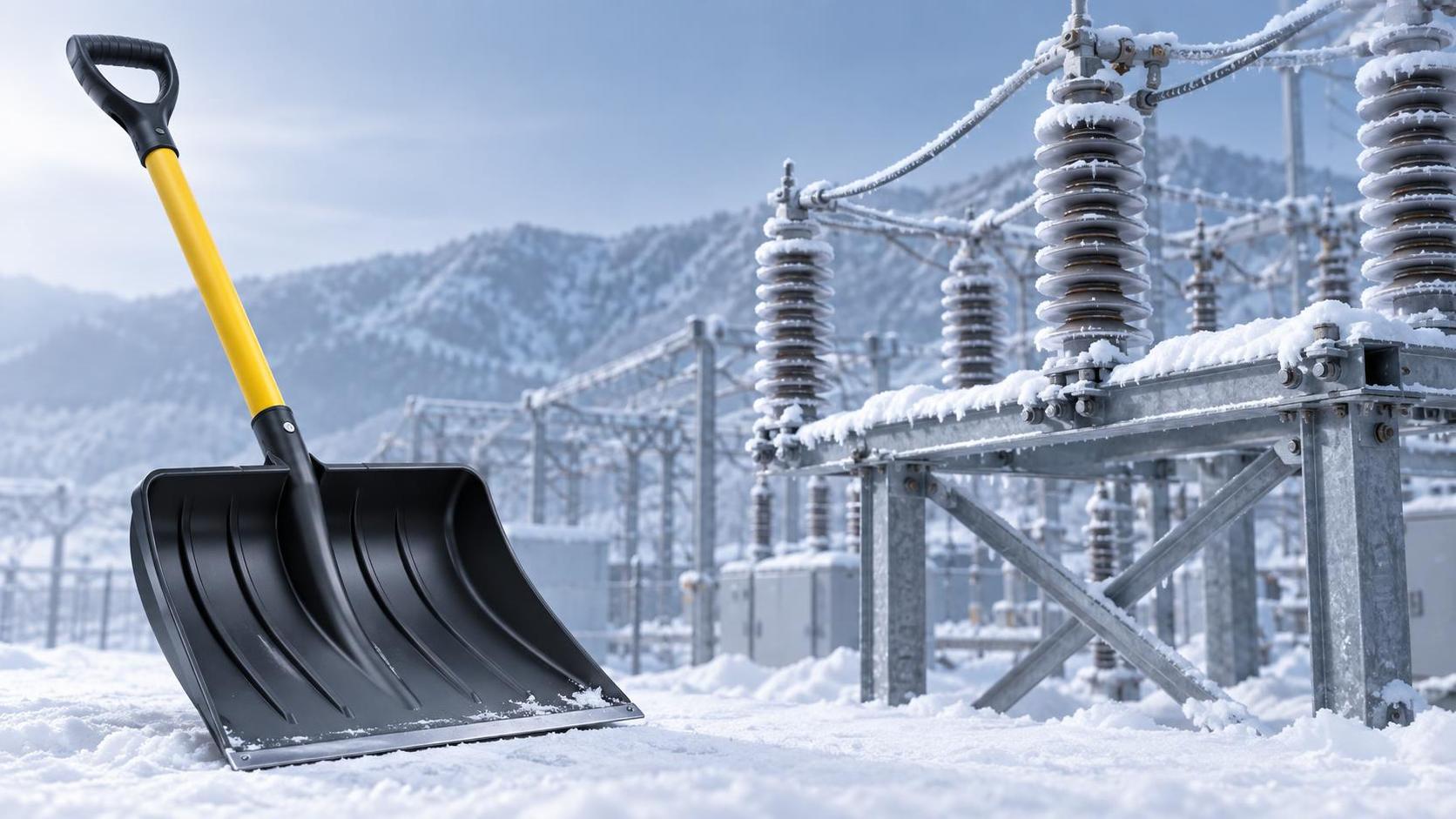
Plastic Shovel Snow Performance Under -30°C: Material Flexibility, Edge Wear, and Operator Fatigue Data
plastic shovel snow tested at -30°C: proven flexibility, edge wear resistance & fatigue reduction for electrical safety—IEC/ASTM certified.
- Sep 15, 2026
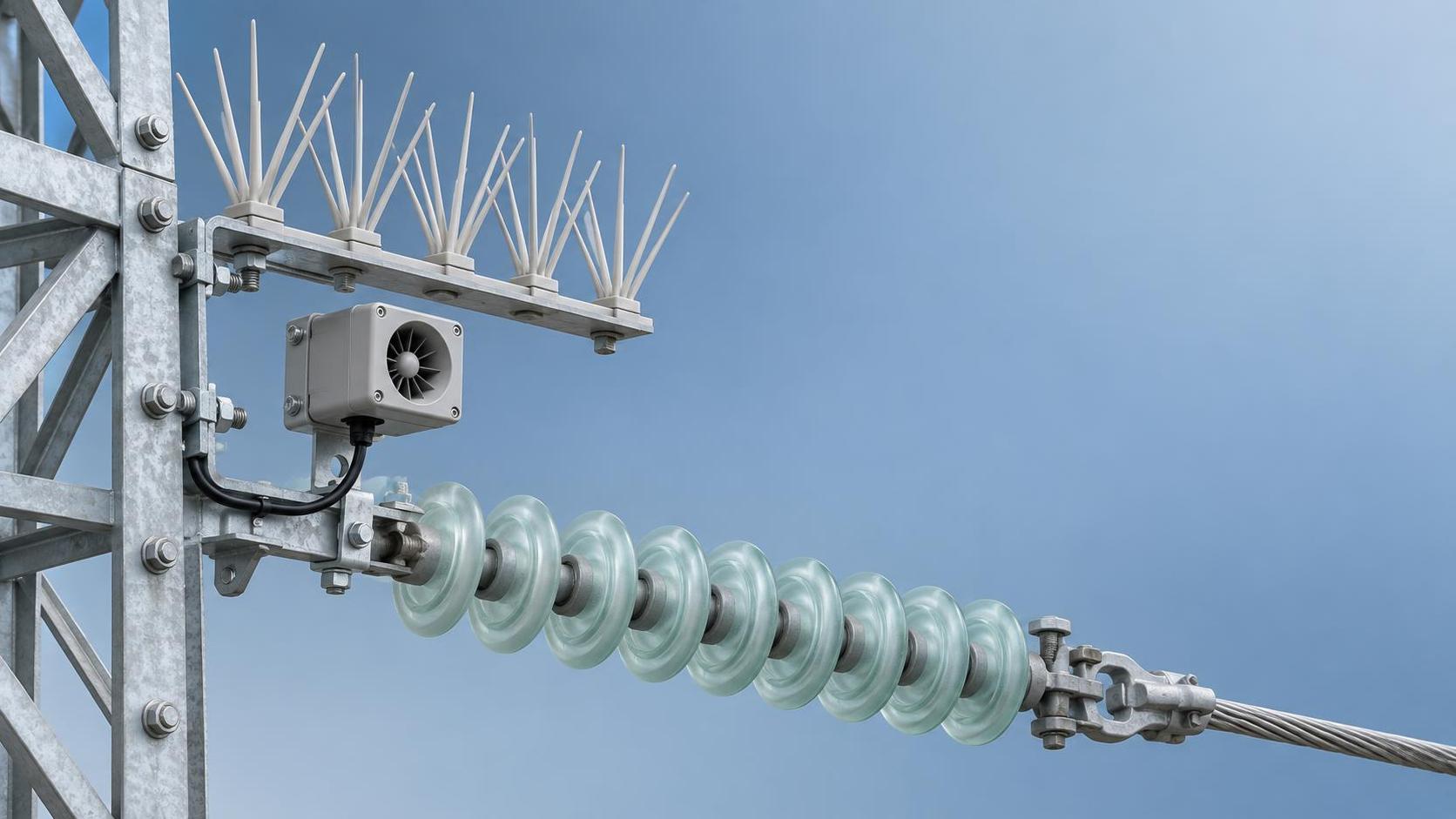
Is There Bird Repellent That Meets IEEE 1680.1 Standards for Utility Infrastructure?
Is there bird repellent certified to IEEE 1680.1? No — and here’s why it matters for utility reliability, safety, and real-world performance.
- Sep 14, 2026
What Can Repel Birds in High-Wind Environments? Field-Tested Solutions for Transmission Tower Maintenance Teams
What can repel birds in high-wind transmission environments? Discover field-tested, weatherproof deterrents engineered for 120+ km/h winds — proven on 214 towers worldwide.


{item.publish_time}