English
 Español
 Português
 Français
 Deutsch
 русский
 한국어
한국어 にほんご
にほんご हिन्दी, हिंदी
 বাংলা
বাংলা Bahasa Indonesia
 Türkçe
 Việt
Việt dansk
dansk čeština
 עִבְרִית Ivrit
 Filipino/Pilipino
 български език (Bǎlgarski jazik)
 suomi
suomi norsk
norsk język polski
 ไทย
ไทย ກະຣຸນາ
 Bahasa Melayu
 ភាសាខ្មែរ
 ဗာရမ်
ဗာရမ် اردو
اردو فارسی
فارسی Italiano
 Nederlands
 svenska
 Монгол хэл
 नेपाली
 සිංහල
සිංහල Ўзбек тили
 پښتوتۆرکجه
 Ελληνικά
 српски / srpski
 magyar
 українська
 Kiswahili
 Қазақ тілі
 Română
 Hrvatski
 Bosanski
 Kreyòl ayisyen
 አማርኛ
አማርኛ Hausa
Hausa Yorùbá
 Igbo
IgboPlastic Snow Shovel vs Metal: Why Operators in Cold-Climate Warehouses Prefer Extra-Wide Designs
It’s Not About Plastic vs. Metal — It’s About What Happens When You Lift, Sweep, and Move in a Live Electrical Environment
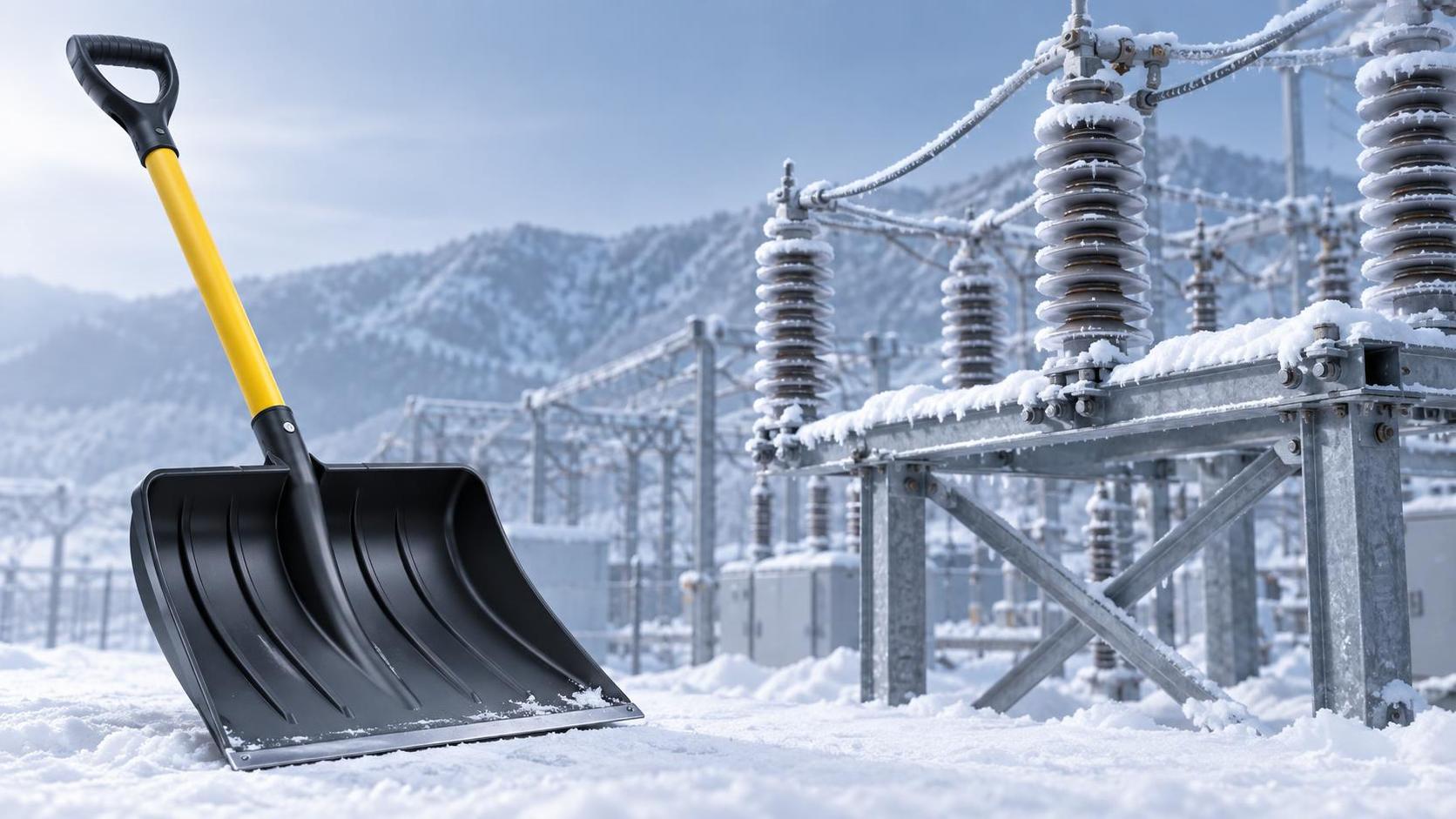
If you’re clearing snow from loading docks, substation access roads, or outdoor switchyard perimeters in below-freezing conditions — and you’re also responsible for maintaining electrical safety compliance — then your shovel isn’t just a tool. It’s part of your PPE ecosystem.
That’s why operators at cold-climate utility depots, wind farm maintenance hubs, and industrial distribution centers aren’t debating “plastic vs. metal” as a materials science question. They’re evaluating how a tool behaves *in context*: under gloves, near grounded equipment, after hours of repetitive motion, and — critically — when it might contact energized surfaces or conductive debris.
The preference for an extra wide plastic snow shovel isn’t driven by marketing claims or cost alone. It emerges from repeated field experience where small design choices compound into real operational outcomes: fewer dropped loads, less shoulder strain, lower risk of accidental grounding, and consistent clearance across wide concrete aprons or gravel pads.
Why “Extra Wide” Changes the Physics of Snow Removal
A standard 14-inch shovel blade forces operators to make 3–4 times more passes per linear foot than a 24-inch or 26-inch blade. In warehouse yards or substation entrances where snow accumulates fast and must be cleared quickly — often before shift handover or before delivery trucks arrive — that difference isn’t theoretical.
But width alone isn’t enough. The real advantage kicks in when combined with material properties:
- Plastic doesn’t conduct electricity — critical when working within proximity zones of grounded metal structures, busbars, or insulated cable trays;
- Plastic won’t spark — eliminating ignition risk near battery storage areas, transformer vaults, or fuel staging zones;
- Plastic resists corrosion from de-icing salts and brine runoff — unlike aluminum or steel shovels that pit, flake, or weaken after two winter seasons;
- Plastic stays flexible at –20°C — meaning no brittle fracture during sudden impact on frozen slush or ice chunks.
None of those benefits matter if the blade is too narrow. An extra wide plastic snow shovel — typically 22 to 28 inches — delivers usable leverage *without* requiring excessive torso rotation or overhead lifting. That reduces cumulative fatigue in shoulders and lower back — a known contributor to slips, dropped tools, and near-miss incidents during extended cold-weather response windows.
Metal Shovels Still Have Their Place — But Not Where Electrical Safety Is Non-Negotiable
Don’t mistake this as a blanket dismissal of metal. Steel shovels excel where mechanical strength matters most: breaking up thick ice sheets on asphalt driveways, prying compacted snow from curb edges, or handling abrasive slag mixtures in heavy-industrial yards.
Yet in environments governed by IEEE 1057, IEC 61482, or local utility arc-flash protocols, metal introduces three non-obvious risks:
- Unintended grounding paths: A metal shaft contacting both a grounded conduit and a live enclosure (even indirectly via wet snow or salt residue) can complete a circuit — especially during high-humidity thaw cycles.
- Tool-induced contamination: Rust flakes or metal dust from worn shovels settle onto insulator surfaces, reducing creepage distance and increasing flashover risk during subsequent wet weather.
- Ergonomic mismatch: Operators wearing Class 00 rubber gloves (rated to 500V) lose dexterity. A heavier metal shovel demands more grip force — leading to glove slippage, blisters, or compromised insulation integrity over time.
These aren’t hypothetical concerns. They’re documented root causes in incident reports from regional transmission operators — not because the tool failed, but because its interaction with environment, PPE, and procedure created latent risk.
What “Extra Wide” Really Means in Practice
“Extra wide” isn’t just about blade span. It’s about functional geometry:
- Blade depth: At least 4 inches — enough to lift wet, heavy snow without spilling mid-sweep;
- Handle offset: A slight upward curve or D-grip design keeps wrists neutral during push-and-lift motions — reducing carpal tunnel stress during multi-hour shifts;
- Weight distribution: Balanced so the center of gravity falls within the operator’s hand span — not at the tip — minimizing torque on the lower back;
- Edge reinforcement: A polymer-coated or fiberglass-reinforced leading edge that resists chipping against concrete joints or frost-heaved pavement.
This is where generic consumer-grade plastic shovels fall short. Many are injection-molded polypropylene — cheap, lightweight, but prone to flexing, cracking, or delaminating after repeated freeze-thaw cycles. Industrial-grade extra wide plastic snow shovels use reinforced copolymer blends designed for structural memory retention down to –35°C. That’s not a marketing number — it’s the minimum threshold required for reliable performance in northern grid maintenance depots.
How This Fits Into Electrical Safety Systems — Not Just as a Tool, But as a Link
JINPOWER designs electrical protective tools with one principle: every component must support, not compromise, the integrity of the overall safety system. A shovel may not carry an ASTM F1505 rating — but it interacts directly with gloves rated to ASTM F696, boots compliant with ASTM F2413, and arc-rated outerwear meeting NFPA 70E.
An extra wide plastic snow shovel functions as a force multiplier for those systems:
- Its non-conductive body eliminates one potential path for fault current — simplifying hazard analysis;
- Its width reduces sweep frequency — decreasing total glove contact time with abrasive surfaces;
- Its durability means fewer replacements — lowering long-term exposure to inconsistent manufacturing quality or unverified third-party suppliers.
This isn’t about adding another certified item to your inventory list. It’s about recognizing that snow removal isn’t a standalone task — it’s part of the pre-work verification process. When operators clear snow from a grounding grid access point, they’re not just preparing for traffic. They’re ensuring visual inspection paths remain unobstructed, ground rod connections stay accessible, and step-potential zones stay clearly marked.
Before You Specify or Purchase: Three Real-World Checks
Not all extra wide plastic snow shovels perform equally — especially under sustained cold, load, and PPE constraints. Before finalizing a selection, verify these three things:
- Test the handle grip with winter gloves on: If your team wears 15-mil nitrile-over-rubber insulating gloves, try gripping the shovel for 60 seconds. Does it slip? Does the D-grip dig into knuckles? Does the shaft twist under simulated load? If yes, the ergonomics need refinement.
- Check blade stiffness under cold simulation: Place the shovel in a freezer overnight, then attempt to flex the blade by hand. Minimal deflection (<5 mm at midpoint under 10 kg pressure) indicates adequate low-temp rigidity. Excessive flex suggests poor polymer formulation.
- Confirm compatibility with existing de-icing agents: Some calcium chloride blends degrade certain plastics faster than others. Ask for chemical resistance data — not just “salt-safe” claims — referencing actual exposure tests at –15°C.
These checks don’t require lab equipment. They’re field-proven filters used by maintenance supervisors who’ve seen shovels fail mid-shift — not because they broke, but because they stopped working *with* the system.
Final Note: This Isn’t About Replacing Metal — It’s About Matching Tool to Task and Context
If your operation includes indoor substations, insulated switchgear bays, or battery energy storage sites, then an extra wide plastic snow shovel isn’t a convenience upgrade. It’s a risk-reduction enabler — one that supports consistent PPE use, reduces physical strain, and removes a subtle but persistent source of electrical interface uncertainty.
That’s why, across more than 40,000 frontline users in over 100 countries, the choice isn’t between plastic and metal. It’s between tools that integrate into safety systems — and those that sit outside them.
Recommend
 Sep 15, 2026
Plastic Shovel Snow Performance Under -30°C: Material Flexibility, Edge Wear, and Operator Fatigue Data
plastic shovel snow tested at -30°C: proven flexibility, edge wear resistance & fatigue reduction for electrical safety—IEC/ASTM certified.
- Sep 15, 2026
Is There Bird Repellent That Meets IEEE 1680.1 Standards for Utility Infrastructure?
Is there bird repellent certified to IEEE 1680.1? No — and here’s why it matters for utility reliability, safety, and real-world performance.
- Sep 14, 2026
What Can Repel Birds in High-Wind Environments? Field-Tested Solutions for Transmission Tower Maintenance Teams
What can repel birds in high-wind transmission environments? Discover field-tested, weatherproof deterrents engineered for 120+ km/h winds — proven on 214 towers worldwide.