English
 Español
 Português
 Français
 Deutsch
 русский
 한국어
 にほんご
 हिन्दी, हिंदी
 বাংলা
 Bahasa Indonesia
 Türkçe
 Việt
 dansk
 čeština
 עִבְרִית Ivrit
 Filipino/Pilipino
 български език (Bǎlgarski jazik)
 suomi
 norsk
 język polski
 ไทย
 ກະຣຸນາ
 Bahasa Melayu
 ភាសាខ្មែរ
 ဗာရမ်
 اردو
 فارسی
 Italiano
 Nederlands
 svenska
 Монгол хэл
 नेपाली
 සිංහල
 Ўзбек тили
 پښتوتۆرکجه
 Ελληνικά
 српски / srpski
 magyar
 українська
 Kiswahili
 Қазақ тілі
 Română
 Hrvatski
 Bosanski
 Kreyòl ayisyen
 አማርኛ
 Hausa
 Yorùbá
 Igbo
Clear Plastic Snow Shovels: Visibility Benefits and Limits in Commercial Use
When visibility helps, and when it does not
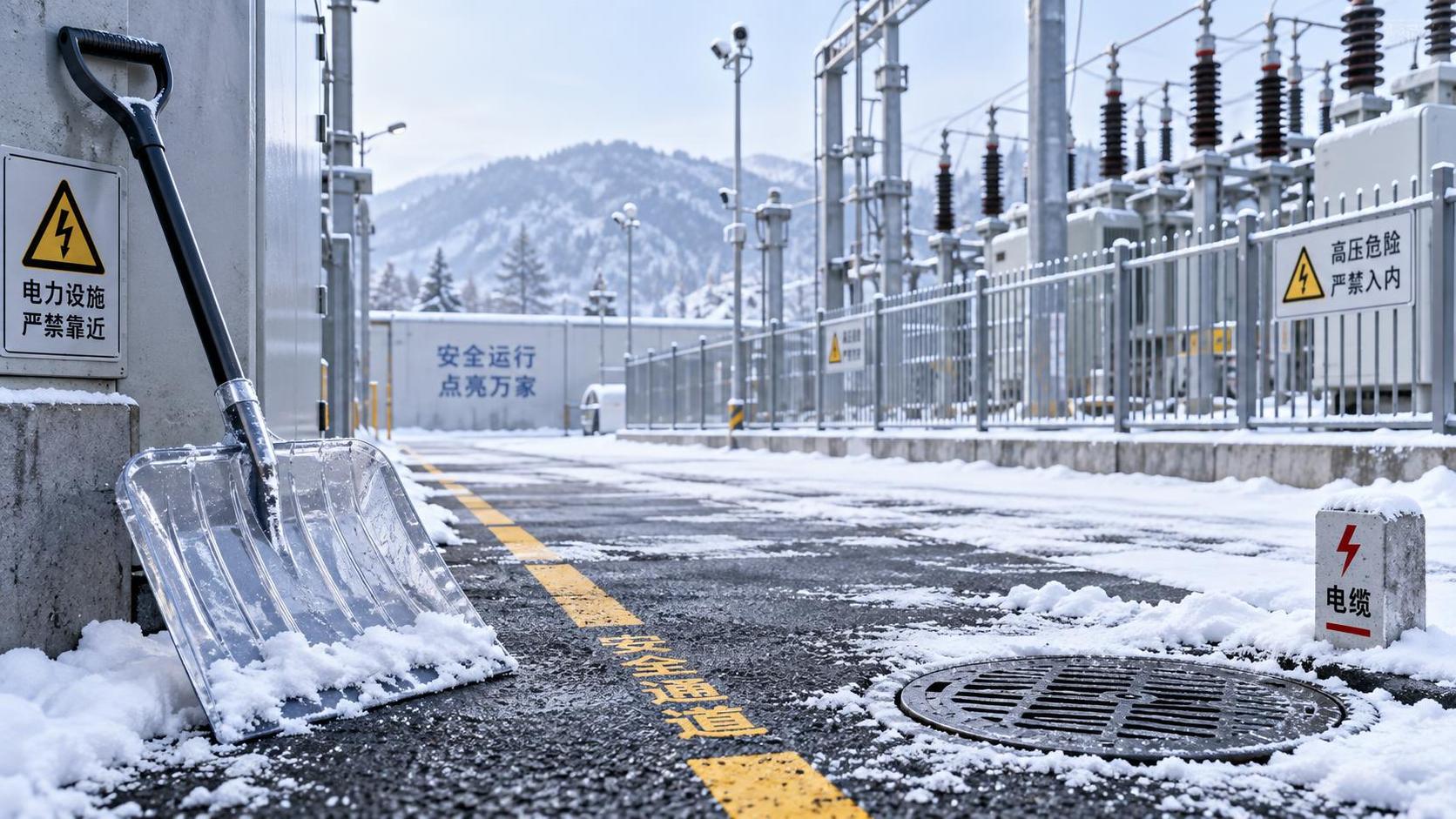
A clear plastic snow shovel can be useful around substations, utility compounds, solar sites, warehouses, and industrial access routes because it gives the operator a partial view of what sits beneath loose snow. Painted ground markings, drain covers, cable-route indicators, uneven paving, and small tools are easier to notice before the blade reaches them.
That advantage is real, but it is also limited. A transparent shovel does not allow an operator to see through packed snow, ice, slush, dirt, or low winter light. It should be treated as a visibility aid for controlled clearing work, not as evidence that the surface is free of hazards. In commercial electrical environments, the shovel still has to withstand cold impact, avoid damaging the surface below, and fit the site's electrical safety procedures.
For routine removal of light, fresh snow from marked walkways or equipment approaches, a clear plastic snow shovel may offer a practical benefit. For heavy accumulation, frozen berms, gravel, or areas with uncertain buried infrastructure, material performance and work controls matter more than transparency.
What an operator can actually see through a clear blade
The useful viewing area is usually the lower portion of the shovel blade, immediately ahead of the cutting edge. When snow is shallow and powdery, the blade can help reveal contrasting objects or surface features as the operator advances. This can reduce the chance of pushing snow over a bollard base, striking a protruding marker, or covering a drainage opening that needs to remain visible.
Visibility is strongest under a narrow set of conditions: clean blade surfaces, daylight or adequate task lighting, relatively dry snow, and a contrasting ground feature. A yellow line on dark pavement may be visible. A pale cable marker under several centimeters of wind-packed snow may not be. Scratches also change the picture. As a plastic blade accumulates abrasion from concrete, grit, and ice, it can become hazy enough that its transparency offers little operational value.
Operators should therefore avoid using the blade as a substitute for an area inspection. Before clearing around electrical enclosures, grounding points, cable entrances, outdoor switchgear, or temporary site equipment, identify known hazards first. Where access markings are important, expose them with deliberate shallow passes rather than driving a full load of snow toward the equipment.
Clear plastic is not one material performance level
“Clear plastic” describes appearance, not cold-weather capability. Commercial suitability depends on the resin, blade thickness, reinforcement, handle connection, and edge construction. Some transparent plastics retain useful toughness in low temperatures; others become increasingly brittle as temperatures drop, especially after repeated impact or prolonged outdoor exposure.
A shovel can look robust on a warm loading dock and still crack when its edge catches compacted snow at low temperature. The highest stress often occurs where the blade meets the handle socket, at molded ribs, and along an unprotected lower edge. Those are the areas to inspect before putting a shovel into regular service.
For electrical and utility work, a blade failure can create more than a replacement cost. A broken edge may leave fragments on a pedestrian route, expose sharp sections, interrupt snow removal near essential access points, or encourage an operator to use excessive force near sensitive equipment. A clear blade should be selected with the same attention given to any other field tool: expected temperature range, snow type, surface condition, frequency of use, and consequences of failure.
Cold-weather questions worth asking
- Is the blade material intended to retain impact resistance at the lowest temperatures expected on site?
- Does the blade flex moderately under load, or does it feel rigid and prone to sudden cracking?
- Are the handle socket and blade ribs reinforced for repeated pushing and lifting?
- Will the lower edge wear quickly on concrete, asphalt, grating, or rough industrial paving?
- Can the shovel be inspected easily for cracks, whitening, deep scratches, and loose fasteners?
Manufacturers may describe a shovel as heavy-duty, but the practical question is whether its construction matches the work. Clearing a light dusting from a marked pedestrian route is very different from moving wet snow at a vehicle gate or breaking an overnight crust beside a transformer pad.
The edge design determines much of the real-world result
The lower edge has to balance snow removal, surface protection, and blade survival. A fully plastic edge is less likely to score coated floors, membrane roofing, painted curbs, or delicate paved finishes. It can also be a sensible option where metal tools could damage surface markings that operators need to preserve.
Its limitation is reduced ability to cut through compacted snow or ice. Once the surface is frozen, operators may compensate by lifting and striking, twisting the blade, or applying heavy downward force. Those actions increase the risk of cracking a transparent plastic blade and can cause a loss of control near equipment.
A replaceable wear strip or reinforced edge can extend service life, but it changes the decision. If an edge contains metal, assess whether it is appropriate for the specific electrical work zone and the organization's tool-control practices. A metal edge is not automatically unsuitable for every utility yard, yet it should not be introduced casually around energized equipment, exposed conductors, or locations where an electrically nonconductive tool is required.
The electrical safety assessment also extends beyond the blade. Handles, shafts, fasteners, and any added edge reinforcement must be considered as a whole. A shovel should never be assumed to be electrically insulating simply because the main blade is plastic or clear. Plastic materials can be contaminated by moisture, salt, dirt, carbon deposits, and conductive residues; their electrical behavior is not equivalent to a purpose-designed and properly maintained insulating tool.
Where a transparent shovel fits well
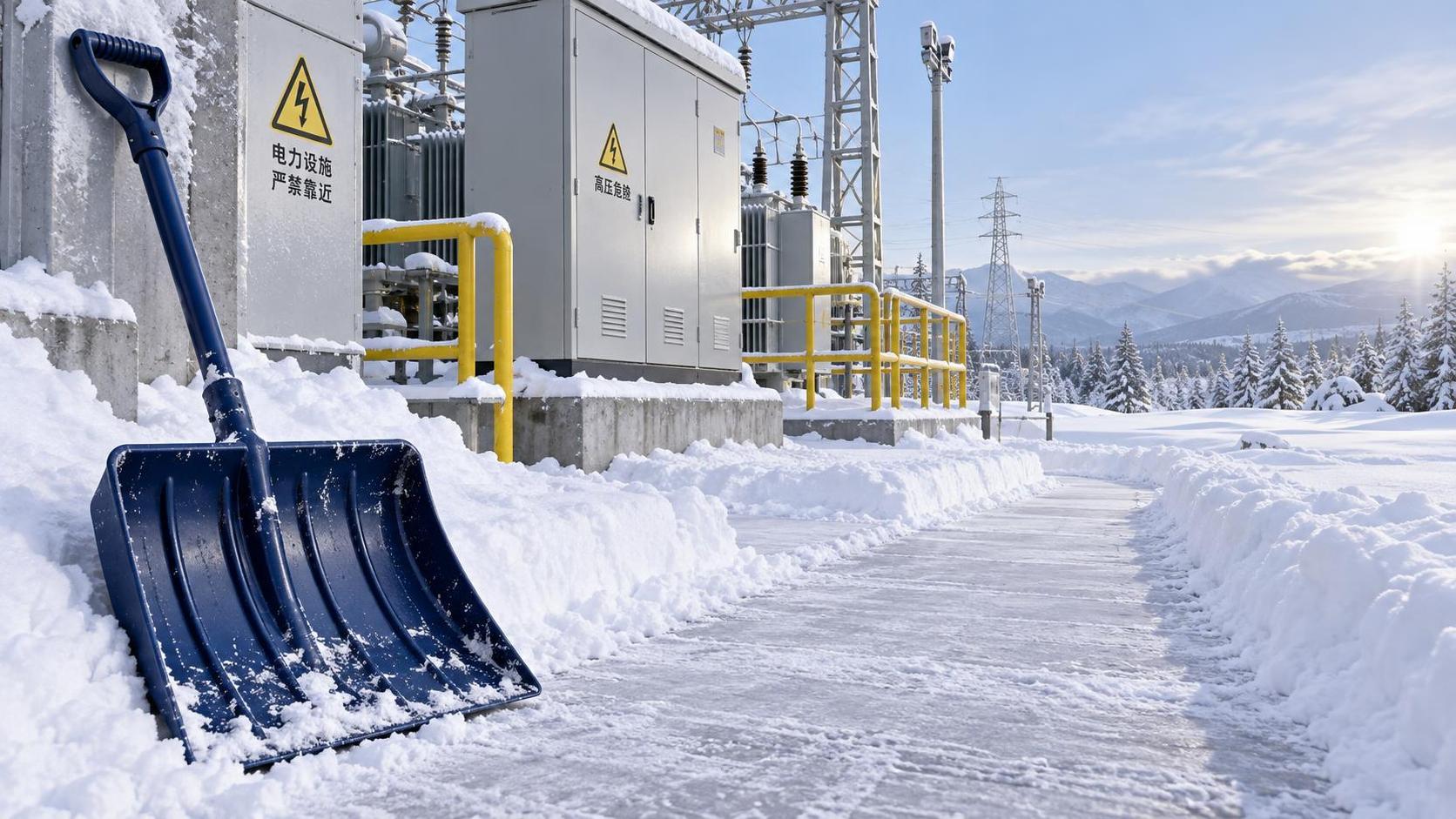
A clear plastic snow shovel is most defensible where the work involves light-to-moderate snow removal and surface awareness is valuable. Typical examples include marked pedestrian approaches to electrical buildings, access paths around fenced equipment, loading areas with painted safety boundaries, and maintenance routes where drain covers or low-profile trip hazards need to remain identifiable.
It can also be useful during the first pass around a site feature. The operator can remove loose snow gradually, identify the edge of a curb or marker, then choose a more suitable tool if deeper accumulation or ice is present. This staged approach is often safer than bringing an aggressive metal-edged shovel into an area before the surface layout is understood.
The tool is less suitable as the primary answer for hardened snowbanks, plowed roadside piles, embedded ice, crushed stone, or uneven terrain with hidden debris. In those conditions, transparency delivers little benefit while impact loading and abrasion rise sharply. A heavier-duty snow pusher, ice-removal tool approved for the location, mechanical clearing method, or a combination of tools may be more appropriate.
Use visibility without creating false confidence
The most effective operating habit is to use the clear blade to slow the first pass down, not to speed it up. Start at the edge of the route, work in thin layers, and stop when an unexpected object, change in surface height, or resistance is felt. Do not probe beneath snow with the shovel near cable markers, electrical bases, or unknown surface openings.
Keep the blade clean enough for its intended benefit to remain meaningful. Road salt, mud, and abrasion can quickly turn clear plastic opaque. A shovel with deep gouges, stress whitening, cracks around the socket, or a loose handle should be removed from demanding use. Transparency may make damage easier to spot, but it does not make a damaged blade safe to keep using.
Storage also affects serviceability. Leaving a plastic shovel under sustained load, against a heat source, or exposed to conditions that accelerate surface degradation can warp the edge or weaken molded sections. Drying and inspecting the tool after use is particularly important where snow removal occurs around electrical infrastructure, because contamination on the tool can undermine both visibility and site housekeeping.
A practical selection decision
Choose a clear plastic snow shovel when visibility of shallow surface conditions provides a meaningful operational advantage and the expected snow load is within the blade's cold-weather strength. Specify the actual duty cycle rather than relying on the word “commercial”: expected temperature, snow depth, surface abrasiveness, edge type, handle construction, storage conditions, and the proximity of electrical hazards all belong in the decision.
For operators in utility and industrial environments, the right conclusion is usually conditional. A transparent blade can help preserve awareness of what lies under fresh snow, especially around marked routes and site infrastructure. It cannot reveal every hazard, cannot replace an inspection, and should not be treated as an insulating electrical safety tool. Its value is highest when paired with deliberate clearing technique, a sound cold-weather construction, and work procedures that remain appropriate for the electrical environment.
Recommend
 Sep 20, 2026
Best Tool Cabinet with Dehumidifier for Coastal High-Salt Environments: Why JINPOWER Leads
Explore JINPOWER’s intelligent tool cabinet with dehumidifier for coastal high-salt environments. Semiconductor dehumidification, anti-corrosion construction, and BanNiu control help protect electrical safety tools.
- Sep 17, 2026
Clear Plastic Snow Shovels: Visibility Benefits and Limits in Commercial Use
Clear plastic snow shovel guide for commercial sites: explore visibility benefits, cold-weather durability, edge options, and electrical safety limits.
- Sep 18, 2026
Plastic Snow Shovels for Facility Crews: When Polymer Blades Outperform Metal
Plastic shovel snow solutions for facility crews: compare polymer vs. metal blades, protect sensitive surfaces, and improve winter access safety.