English
 Español
 Português
 Français
 Deutsch
 русский
 한국어
한국어 にほんご
にほんご हिन्दी, हिंदी
 বাংলা
বাংলা Bahasa Indonesia
 Türkçe
 Việt
Việt dansk
dansk čeština
 עִבְרִית Ivrit
 Filipino/Pilipino
 български език (Bǎlgarski jazik)
 suomi
suomi norsk
norsk język polski
 ไทย
ไทย ກະຣຸນາ
 Bahasa Melayu
 ភាសាខ្មែរ
 ဗာရမ်
ဗာရမ် اردو
اردو فارسی
فارسی Italiano
 Nederlands
 svenska
 Монгол хэл
 नेपाली
 සිංහල
සිංහල Ўзбек тили
 پښتوتۆرکجه
 Ελληνικά
 српски / srpski
 magyar
 українська
 Kiswahili
 Қазақ тілі
 Română
 Hrvatski
 Bosanski
 Kreyòl ayisyen
 አማርኛ
አማርኛ Hausa
Hausa Yorùbá
 Igbo
IgboDigitalization Drives Transformation and Upgrading: Jineng Power Builds a New System for Power Safety Operation and Maintenance
Against the backdrop of the power industry accelerating toward intelligent transformation, the management model of safety tools and equipment is undergoing profound changes. The traditional product-centric management approach is gradually shifting toward comprehensive solutions supported by systematic operation and maintenance capabilities. Industry observers note that companies represented by JINPOWER are integrating scattered tool resources into a perceptible, analyzable, and traceable intelligent asset system through digital technologies, providing a new pathway for power safety operations and maintenance.
For a long time, safety tools such as insulating rods, voltage detectors, and grounding wires have mainly served as basic operational aids. Their management has relied on manual records and experience-based judgment, often resulting in issues such as lack of transparency and uncontrollable status. In this context, the introduction of digital technology has become key to breaking through these challenges. Building on single-point intelligence, JINPOWER has further established an intelligent management platform centered on “Banniu Cloud,” connecting terminal devices across different scenarios into a unified network and forming a coordinated operation and maintenance system. Through cloud-based centralized control and data analysis, the platform supports cross-regional and multi-site asset visualization, and leverages data models to predict tool usage and wear trends, transforming the O&M model from passive response to proactive management.
By equipping tools with RFID electronic tags, JINPOWER gives each device a unique “digital identity.” Combined with the IoT sensing network within smart safety tool cabinets, the system enables real-time identification and dynamic updates of tool location, status, and usage, driving the transition of traditional static assets into intelligent terminals.
Relevant practices show that, with automated identification and data collection capabilities, inventory efficiency has significantly improved, and stock data achieves high-precision management. At the same time, the system can issue early warnings for insulating tools approaching inspection deadlines, effectively reducing safety risks caused by overdue usage. Industry insiders point out that this transformation not only optimizes management processes but also enhances safety assurance from the source.
Meanwhile, smart tool cabinets deployed on-site are equipped with edge computing and local storage capabilities, ensuring stable operation even under limited network conditions. Built-in environmental monitoring and regulation modules can automatically control temperature and humidity as needed, providing a stable storage environment for safety tools, extending their service life, and reducing maintenance costs.
For frontline operation scenarios, the introduction of mobile applications further improves O&M efficiency. Workers can quickly complete tool inquiries and requisitions via terminal devices, while the system automatically associates job information with tool lists, achieving precise matching among personnel, tasks, and equipment, and strengthening operational standardization and safety. Case studies indicate that pre-operation preparation efficiency has significantly improved, and on-site operational risks have been effectively controlled.
With the continuous deepening of digital capabilities, this O&M system has been implemented across various scenarios, including power generation, grid operation, and industrial electricity use. On the generation side, full lifecycle management of tools is gradually forming a closed loop; in grid management, multi-level coordination mechanisms enhance resource allocation efficiency; in high-risk industrial sectors, permission control and process traceability further strengthen safety defenses. JINPOWER’s solutions have served diverse customer groups and continue to optimize safety management and cost control in practice.
At the industry level, enterprises are transforming practical experience into standardized outcomes, participating in the formulation of the “Smart Safety Tool Cabinet” group standard, and regulating key functions and technical indicators to provide reference for intelligent development across the industry. It is widely believed that the improvement of standard systems will help lower the threshold for digital applications and promote the broader adoption of technological achievements.
Looking ahead, the integration of digitalization and intelligence will continue to advance. JINPOWER is exploring the application of artificial intelligence in safety warning and risk identification. By analyzing tool usage behavior and data characteristics, the company aims to achieve more proactive risk control. At the same time, the platform is accelerating integration with enterprise management systems, promoting deep convergence between safety data and operational data, and expanding more industry application scenarios through an open ecosystem.
Analysts point out that the shift from single tools to systematic solutions marks a new stage in power safety O&M driven by data. With continuous technological evolution and deeper application, digital systems will play an increasingly important role in improving intrinsic safety levels in the industry, providing strong support for the stable operation of energy systems.
Recommend
 Sep 20, 2026
Best Tool Cabinet with Dehumidifier for Coastal High-Salt Environments: Why JINPOWER Leads
Explore JINPOWER’s intelligent tool cabinet with dehumidifier for coastal high-salt environments. Semiconductor dehumidification, anti-corrosion construction, and BanNiu control help protect electrical safety tools.
- Sep 17, 2026
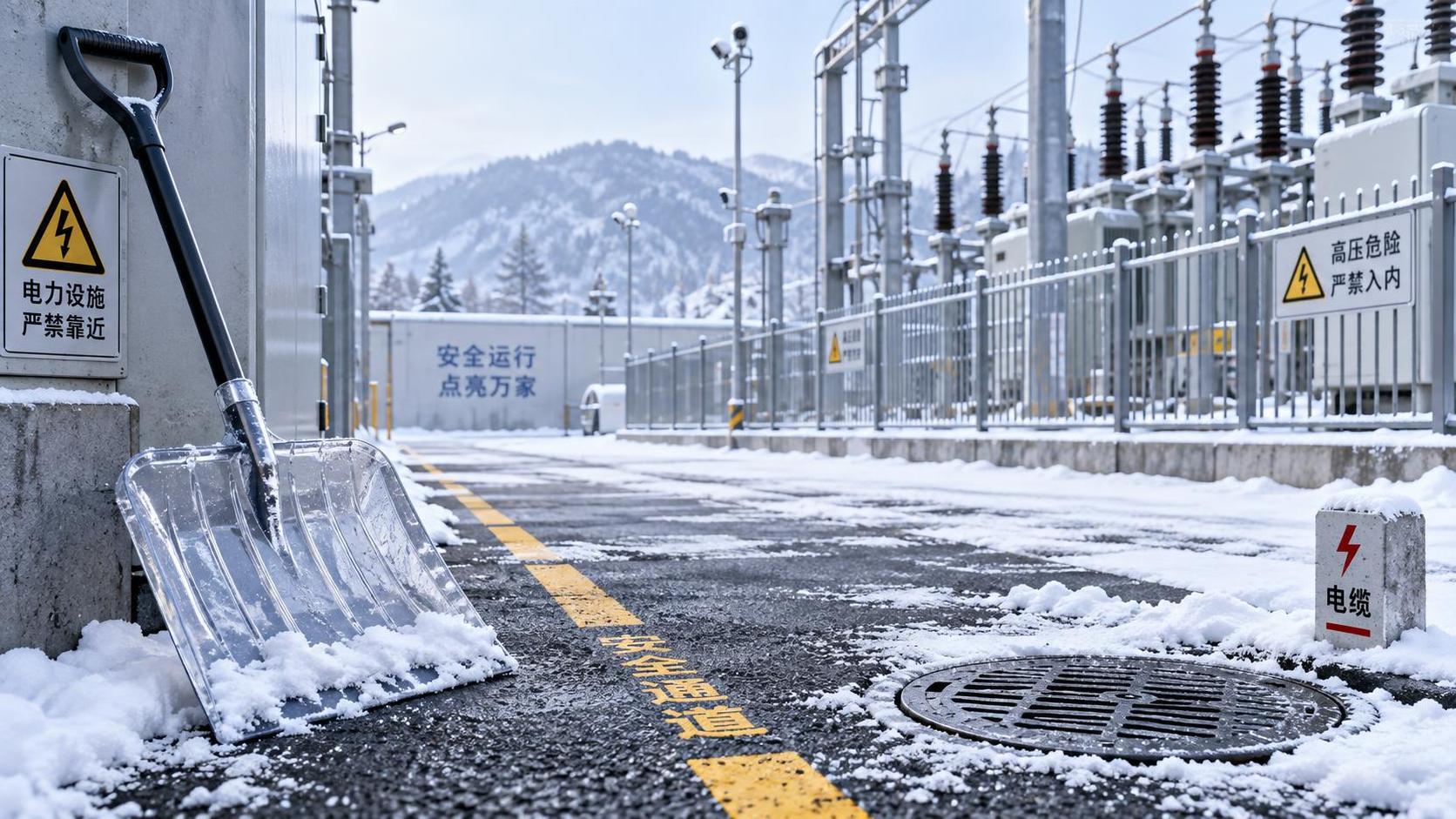
Clear Plastic Snow Shovels: Visibility Benefits and Limits in Commercial Use
Clear plastic snow shovel guide for commercial sites: explore visibility benefits, cold-weather durability, edge options, and electrical safety limits.
- Sep 18, 2026
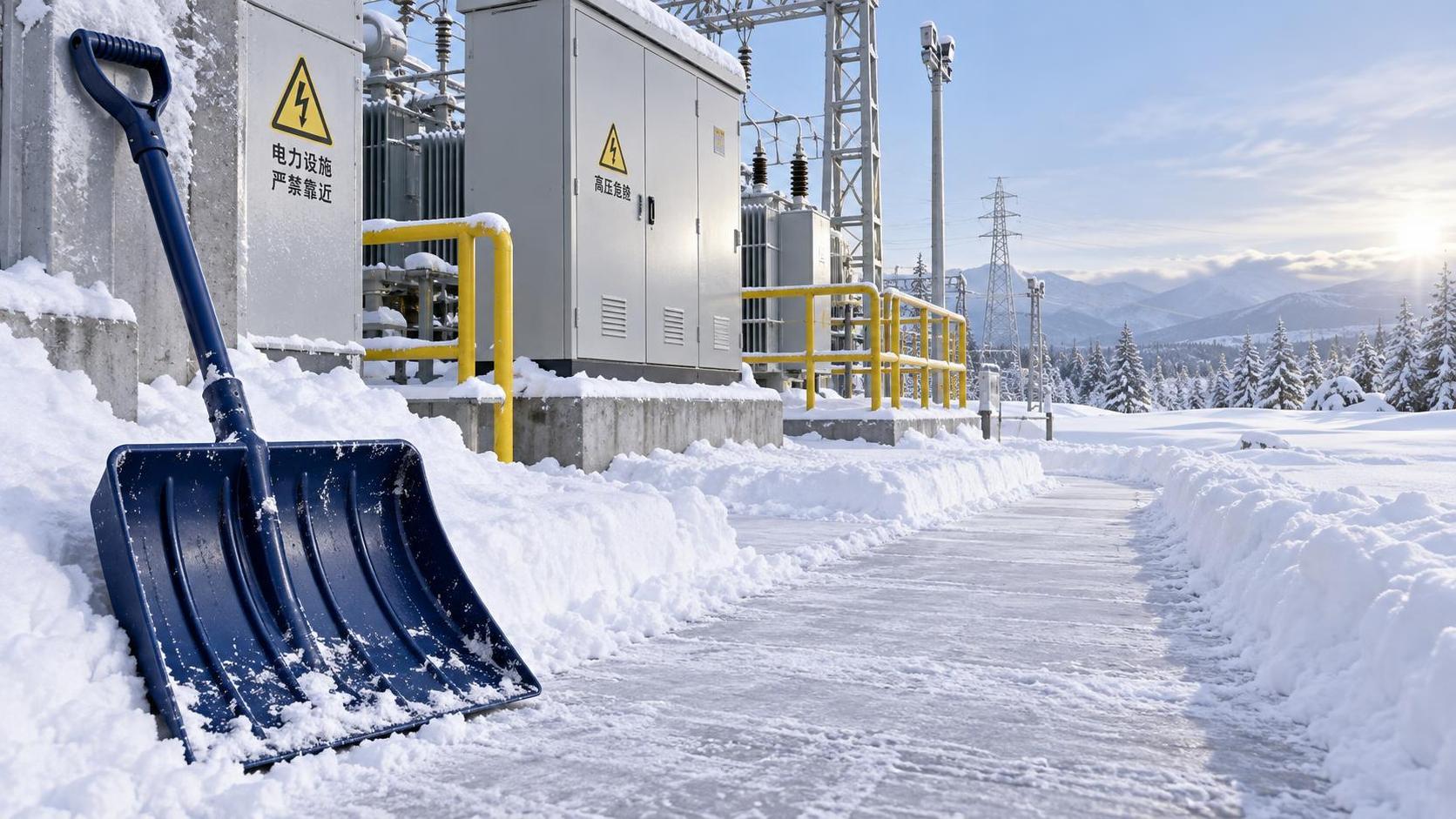
Plastic Snow Shovels for Facility Crews: When Polymer Blades Outperform Metal
Plastic shovel snow solutions for facility crews: compare polymer vs. metal blades, protect sensitive surfaces, and improve winter access safety.