English
 Español
 Português
 Français
 Deutsch
 русский
 한국어
 にほんご
 हिन्दी, हिंदी
 বাংলা
 Bahasa Indonesia
 Türkçe
 Việt
 dansk
 čeština
 עִבְרִית Ivrit
 Filipino/Pilipino
 български език (Bǎlgarski jazik)
 suomi
 norsk
 język polski
 ไทย
 ກະຣຸນາ
 Bahasa Melayu
 ភាសាខ្មែរ
 ဗာရမ်
 اردو
 فارسی
 Italiano
 Nederlands
 svenska
 Монгол хэл
 नेपाली
 සිංහල
 Ўзбек тили
 پښتوتۆرکجه
 Ελληνικά
 српски / srpski
 magyar
 українська
 Kiswahili
 Қазақ тілі
 Română
 Hrvatski
 Bosanski
 Kreyòl ayisyen
 አማርኛ
 Hausa
 Yorùbá
 Igbo

What: Defining Avian Safety In Mosquito Repellent Applications
The question 'is mosquito repellent safe for birds' is not binary—it hinges on chemical formulation, delivery method, exposure pathway, and environmental context. At electrical equipment sites, repellents are often deployed near grounding stations, transformer yards, or insulated tool cabinets where birds perch, nest, or forage. EPA-regulated active ingredients such as pyrethroids may exhibit acute neurotoxicity in passerines and raptors even at sub-lethal doses due to metabolic differences in cytochrome P450 enzymes.
IEC 61850-3 and IEEE C37.90.1 do not govern repellent chemistry—but they mandate electromagnetic compatibility and environmental resilience for devices installed in proximity to pest control systems. Thus, 'is mosquito repellent safe for birds' must be evaluated alongside enclosure integrity, off-gassing potential from treated surfaces, and drift risk into adjacent avian habitats.
Avian toxicology literature (e.g., USGS National Wildlife Health Center studies) confirms that inhalation and dermal absorption—especially during preening—are primary uptake routes. This makes volatile formulations particularly hazardous near open-air electrical installations where airflow patterns concentrate aerosols near perching structures.
Why: Critical Need For Avian-Safe Protocols In Electrical Infrastructure
Electrical equipment sites face dual regulatory pressure: occupational safety under OSHA 1910.269 and ecological stewardship under the Migratory Bird Treaty Act (MBTA). Using conventional repellents without avian impact assessment can trigger liability—especially when bird mortality occurs near Jinneng Power-installed safety tool cabinets or insulating rubber mat zones where residual chemicals accumulate.
Unlike general-purpose facilities, substations and distribution centers host high-voltage environments where pest mitigation cannot compromise insulation integrity. Some repellent carriers (e.g., petroleum distillates) degrade dielectric strength of insulating gloves or voltage detectors over time—making 'is mosquito repellent safe for birds' inseparable from 'is it safe for electrical safety equipment?'
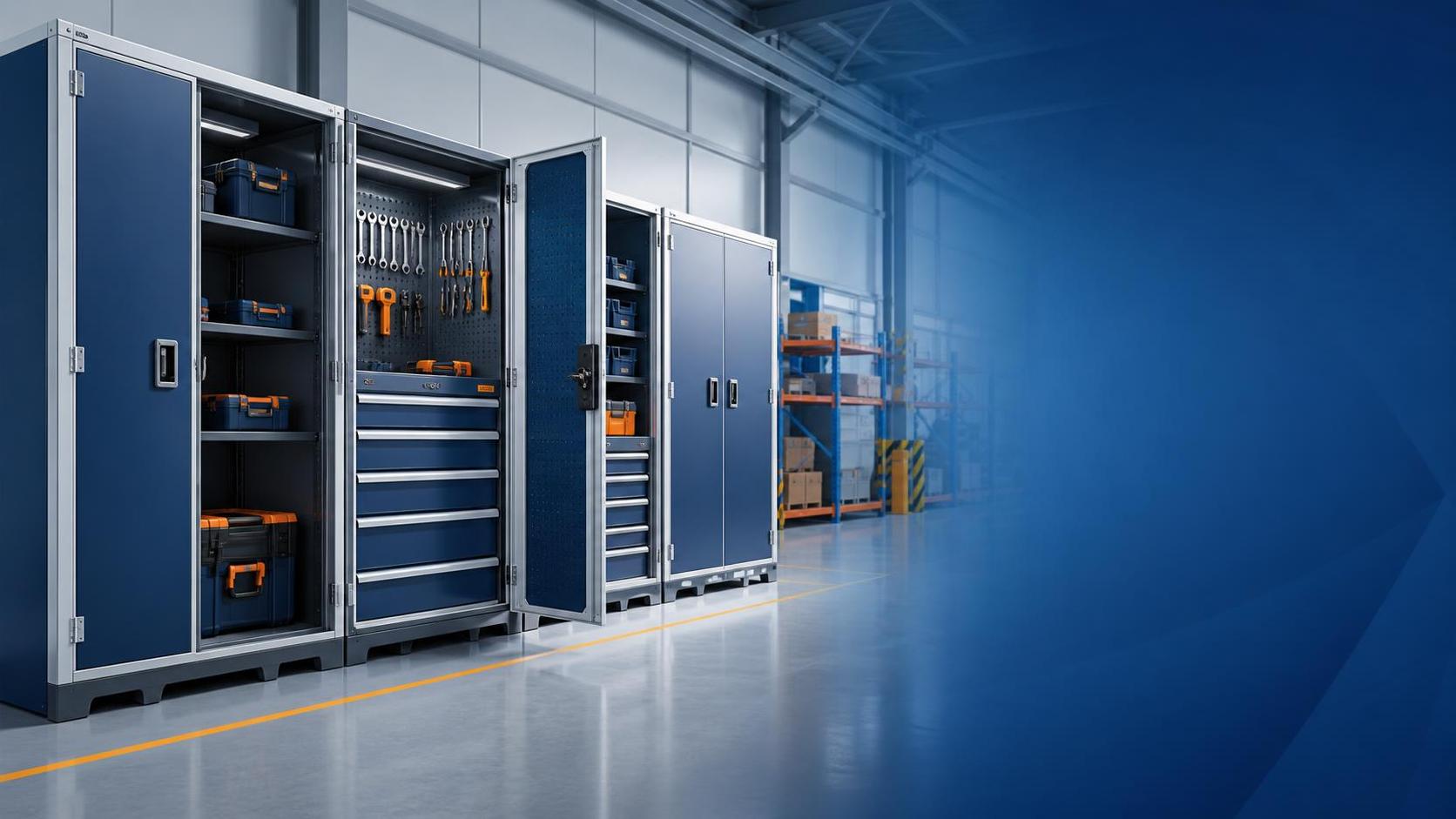
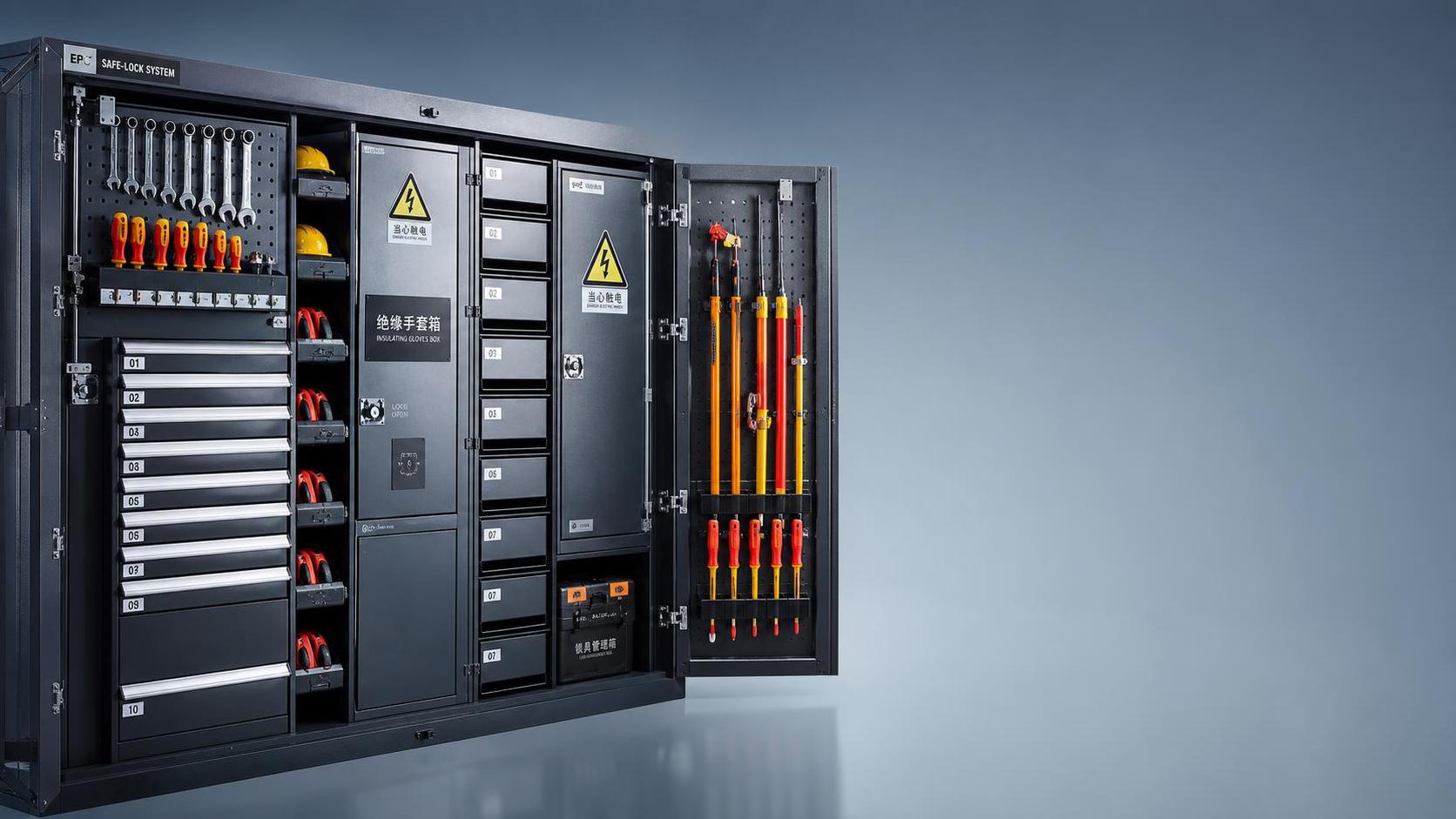
Jinneng Power’s intelligent safety tool cabinets—featuring dehumidification, temperature control, and sealed storage compartments—reduce reliance on ambient repellents by eliminating moisture-driven insect attraction. This engineering-first approach directly addresses the root cause rather than masking symptoms, aligning with EPA’s Integrated Pest Management (IPM) framework.
Who: Target Stakeholders And Operational Roles
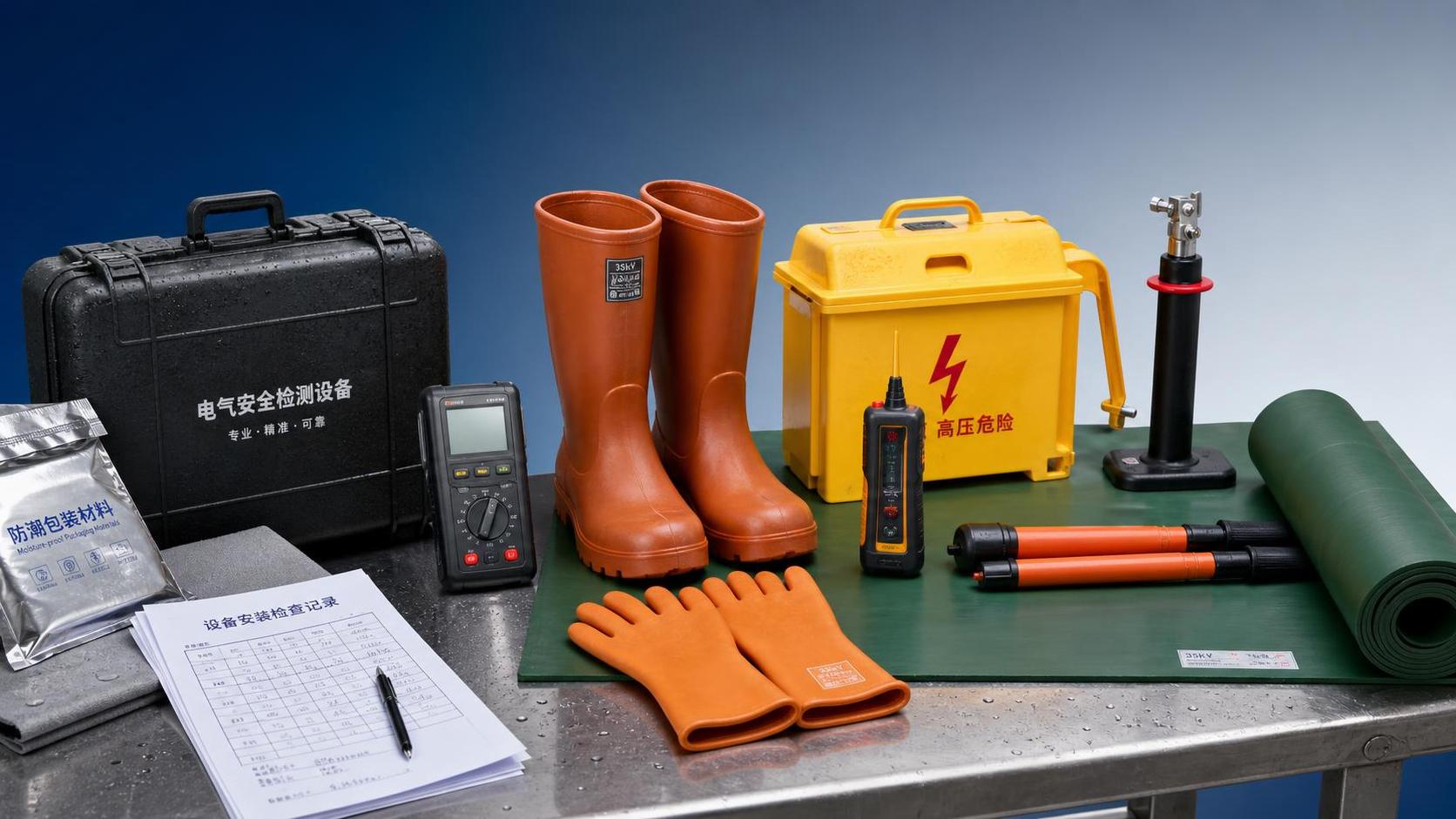
The 'is mosquito repellent safe for birds' evaluation primarily concerns three stakeholder groups: (1) Utility EHS Managers responsible for MBTA compliance and incident reporting; (2) Facility Maintenance Supervisors who authorize pest control near grounding rods, cable trays, and insulated boot storage racks; and (3) Procurement Officers selecting electrical safety products—like Jinneng Power’s insulated gloves or voltage detectors—that must remain chemically inert in repellent-exposed environments.
Avian biologists and industrial hygienists increasingly co-review site-specific IPM plans before permitting repellent use near transmission corridors. Their input determines whether a product labeled 'safe for mammals' meets avian-specific thresholds—such as LC50 values below 100 mg/kg for zebra finches (per OECD 205 guidelines).
Contractors servicing Jinneng Power grounding equipment must also understand repellent compatibility—since solvent-based sprays can corrode copper clamps or compromise the adhesion of insulating rubber mats if applied nearby without containment protocols.
Where And When: Site-Specific Exposure Scenarios And Global Standards
Tropical and subtropical utility sites—such as those in Southeast Asia, Latin America, and the Gulf Coast—face heightened relevance of 'is mosquito repellent safe for birds' due to year-round vector activity and dense avian biodiversity. In these regions, repellent deployment near Jinneng Power intelligent safety tool cabinets requires adherence to both EPA FIFRA labeling and IEC 60529 IP ratings: misting systems must not compromise cabinet ingress protection against dust or humidity.
EU Regulation (EC) No 1107/2009 mandates avian testing for all biocidal products under BPR Annex II, requiring LD50 data for Columba livia (rock pigeon) and Anas platyrhynchos (mallard duck). Meanwhile, Australia’s APVMA requires field-based avian behavioral monitoring within 50 m of treated electrical infrastructure—a standard increasingly adopted by ASEAN grid operators.
Seasonal timing matters: nesting periods (March–July in Northern Hemisphere) demand zero-application buffers around overhead line insulators and pole-mounted Jinneng Power equipment. Real-time environmental sensors—integrated into advanced tool cabinets—can trigger automated repellent suspension alerts when local temperature/humidity crosses thresholds correlated with increased avian activity.
How: Engineering Controls To Replace Chemical Dependency
Rather than relying solely on repellents, leading electrical safety practices emphasize physical and environmental controls. Jinneng Power’s heavy-duty steel safety tool cabinets incorporate moisture protection and dehumidification—reducing condensation that attracts mosquitoes and other arthropods seeking hydration near grounding points.
Intelligent monitoring features (e.g., internal humidity logging, door-open event tracking) allow predictive maintenance scheduling—preventing the damp, stagnant conditions where pests thrive. Optional RFID management further enables audit-ready logs of cabinet usage, supporting IPM documentation required under ISO 14001 and EPA audits.
Customizable cabinet configurations let users isolate sensitive components (e.g., insulated boots, voltage detectors) from external chemical exposure. Sealed gaskets and positive-pressure ventilation prevent airborne repellent infiltration—directly mitigating risks tied to the question 'is mosquito repellent safe for birds' in enclosed operational zones.
How Much: Total Cost Of Ownership And Risk Mitigation ROI
The TCO of mosquito repellent use at electrical sites extends beyond purchase price. Hidden costs include MBTA violation fines (up to $15,000 per incident), downtime from contaminated safety gear replacement, and third-party avian impact assessments mandated after unexplained mortality events.
Investing in Jinneng Power’s intelligent safety tool cabinets yields measurable ROI: moisture control reduces mold-related glove degradation by up to 40%, extending PPE lifecycle; temperature regulation prevents thermal stress on voltage detector calibration; and RFID traceability cuts inventory reconciliation time by 65%—freeing EHS staff to focus on proactive hazard analysis instead of reactive spill response.
When evaluating 'is mosquito repellent safe for birds', procurement teams should weigh repellent TCO against engineered alternatives. A $2,800 intelligent cabinet pays back in<24 months when factoring avoided PPE replacement, reduced audit preparation labor, and lower insurance premiums tied to demonstrated ecological compliance.
 How to Handle Tool Cabinet Standard Updates When Reordering for Existing SitesHow to handle tool cabinet standard version updates when repurchasing for existing sites—learn how to keep fit, workflow, and safety aligned while avoiding costly rework and delays.
 Can Non-Standard Site Conditions Void the Warranty on Utility Safety Equipment?Can non-standard field conditions void the warranty on utility safety equipment? Learn the key risks, warranty limits, and how to protect coverage before installation.
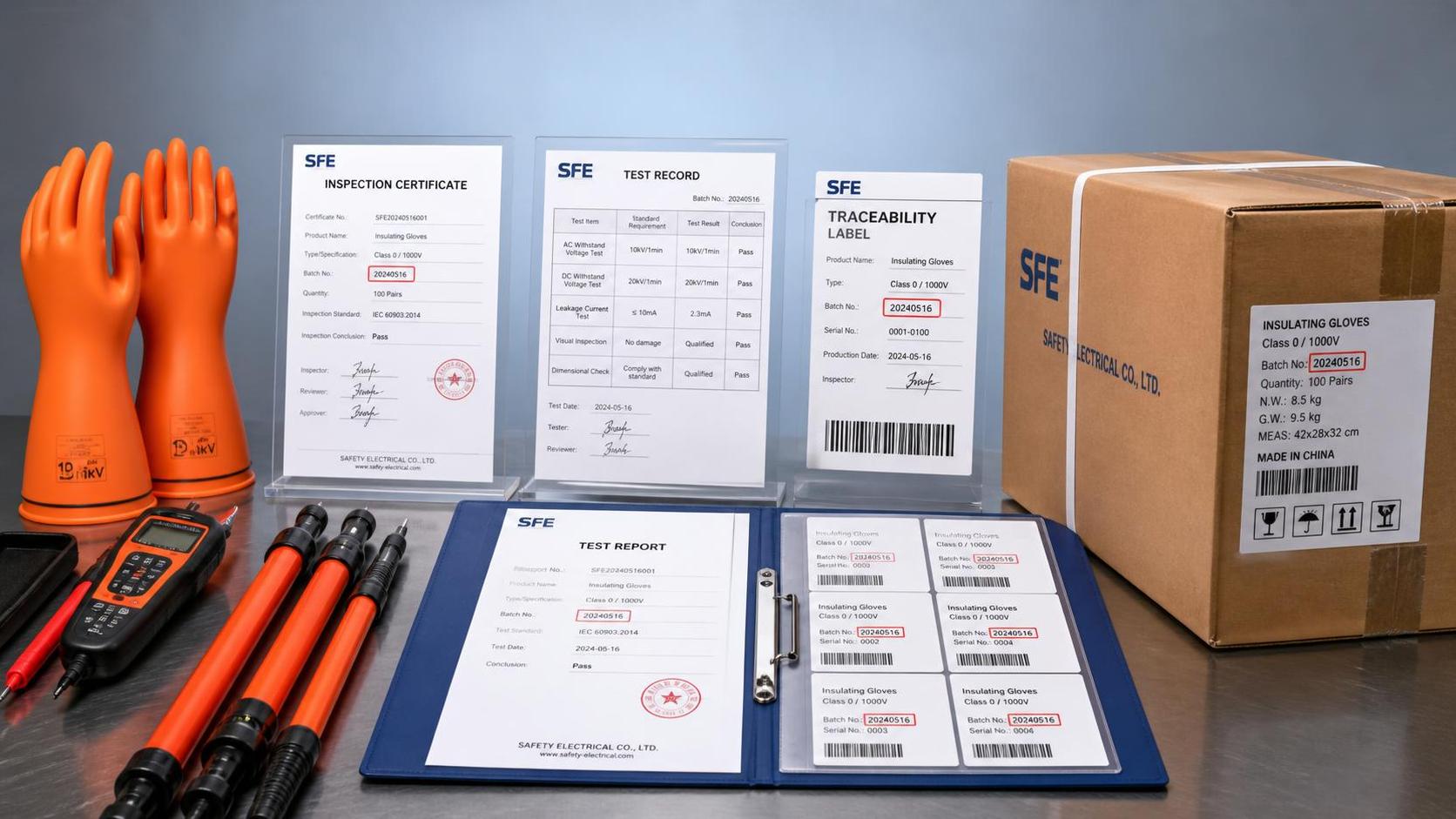
 What Batch Inspection Documents Should a Supplier Provide Before Shipping Electrical Protective Tools?What batch inspection documents should a supplier provide before electrical protective tools shipment? Learn the essential reports, test records, traceability, and compliance files buyers need to avoid delays and disputes.
 Are Single-Source Heavy-Duty Tool Cabinets Better for Global EPC Projects?Are heavy duty tool cabinets from single-source manufacturers better for global EPC projects? Learn when single-source, hybrid, or regional sourcing improves consistency, safety, and handover control.
 Electrical Safety Helmet for Utility and Industrial ProtectionJINPOWER supplies ABS industrial safety helmets for workers in power utilities, substations, construction sites, mining operations and industrial facilities. The helmet is designed to provide head protection against impact and penetration hazards encountered in professional working environments.
The helmet features a high-strength ABS shell, a 4-point adjustable textile suspension system and a chin strap to help maintain a stable fit. Its internal suspension creates space between the shell and the wearer's head and supports impact energy absorption.
For distributors, electrical contractors and project buyers, the main selection factors include shell material, head size range, suspension configuration, applicable standards and supporting test documents. JINPOWER also lists customizable helmet colors. Confirm the required specification and available options before placing an order. Electrical Insulating Boots for Power SafetyJINPOWER supplies electrical insulating boots designed for electricians, utility workers and industrial personnel working in environments where electrical protection and foot safety are required.
Electrical insulating boots are an important part of electrical personal protective equipment (PPE). They are designed to provide insulation performance together with mechanical protection for the feet during electrical maintenance, utility operations and industrial work.
For professional buyers, selecting electrical boots requires more than checking appearance. Voltage requirements, applicable standards, material performance, testing documents and working environment should all be considered before product approval. Resistive & Direct Discharge Rod for High-Voltage EquipmentJINPOWER supplies Resistive & Direct Discharge Rods for electrical maintenance and testing applications where residual electrical energy must be managed after equipment shutdown and isolation. The product combines resistive discharge and direct discharge functions in one tool configuration.
The resistive discharge function is designed to limit initial discharge current through a resistance element. The direct discharge function provides a separate conductive path for subsequent discharge or grounding operations when the equipment condition and approved safety procedure permit.
For utilities, EPC contractors and electrical maintenance teams, the key selection factors are equipment voltage, stored energy, resistance value, resistor energy capability, insulating rod dimensions, grounding lead configuration and the actual two-mode connection design. Resistive Discharge Rod for High-Voltage EquipmentJINPOWER supplies Resistive Discharge Rods designed to release residual electrical charge from specified high-voltage equipment after shutdown and isolation. A built-in resistance element limits the initial discharge current, allowing stored electrical energy to be released according to the selected product's electrical characteristics.
This product is intended for applications where resistive discharge is required as part of an approved electrical maintenance or testing procedure. Typical application areas include capacitor banks, high-voltage cables, GIS, switchgear, substations and high-voltage test equipment, subject to the equipment requirements and product rating.
For utility companies, EPC contractors, electrical equipment distributors and maintenance teams, selecting the correct discharge rod involves more than checking the equipment voltage. Resistance value, stored energy, resistor energy capability, insulating rod dimensions and grounding connections must also be considere