
 English
 Español
 Português
 Français
 Deutsch
 русский
 한국어
 にほんご
 हिन्दी, हिंदी
 বাংলা
 Bahasa Indonesia
 Türkçe
 Việt
 dansk
 čeština
 עִבְרִית Ivrit
 Filipino/Pilipino
 български език (Bǎlgarski jazik)
 suomi
 norsk
 język polski
 ไทย
 ກະຣຸນາ
 Bahasa Melayu
 ភាសាខ្មែរ
 ဗာရမ်
 اردو
 فارسی
 Italiano
 Nederlands
 svenska
 Монгол хэл
 नेपाली
 සිංහල
 Ўзбек тили
 پښتوتۆرکجه
 Ελληνικά
 српски / srpski
 magyar
 українська
 Kiswahili
 Қазақ тілі
 Română
 Hrvatski
 Bosanski
 Kreyòl ayisyen
 አማርኛ
 Hausa
 Yorùbá
 Igbo
‹
›
Electrical Safety Helmet for Utility and Industrial Protection
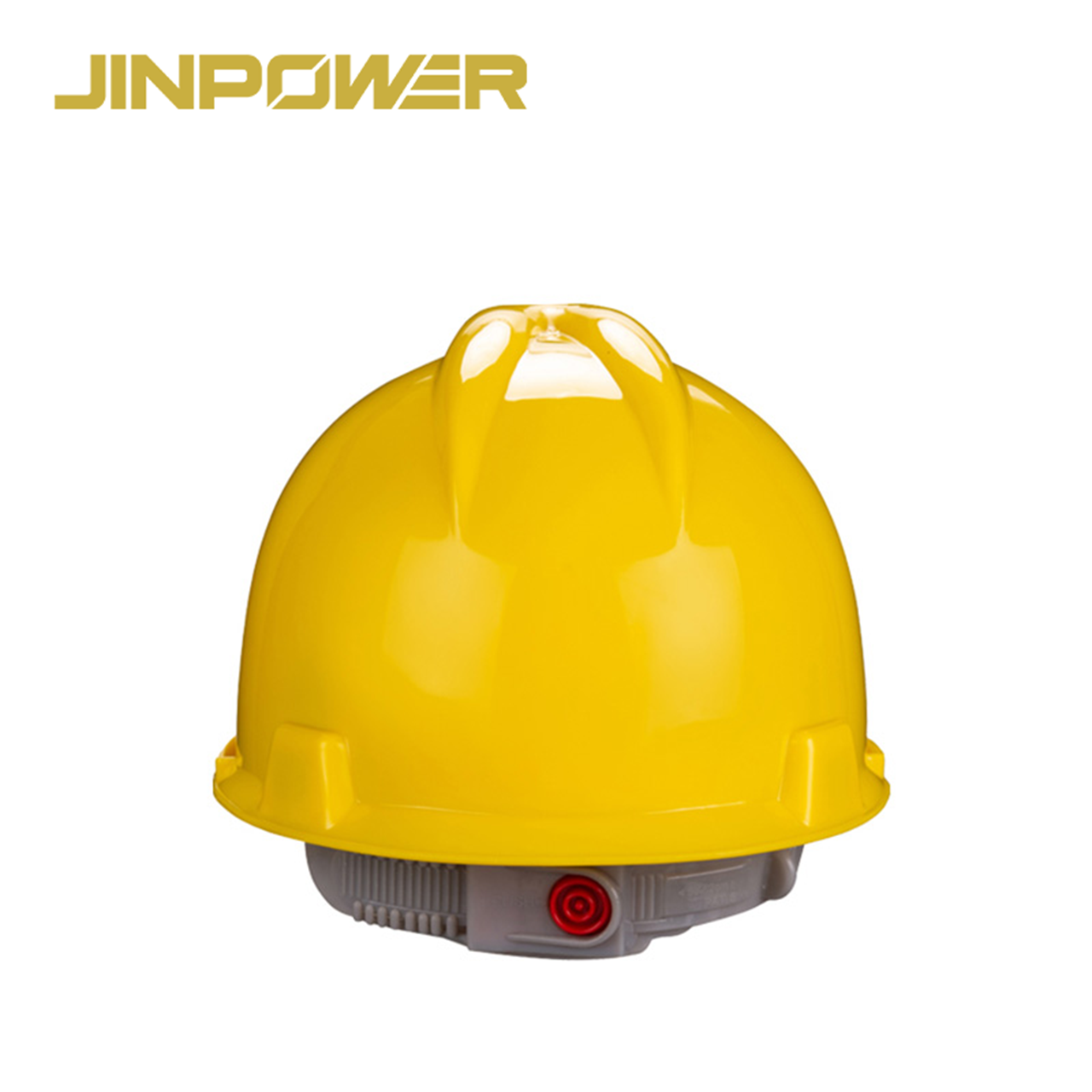
JINPOWER supplies ABS industrial safety helmets for workers in power utilities, substations, construction sites, mining operations and industrial facilities. The helmet is designed to provide head protection against impact and penetration hazards encountered in professional working environments.
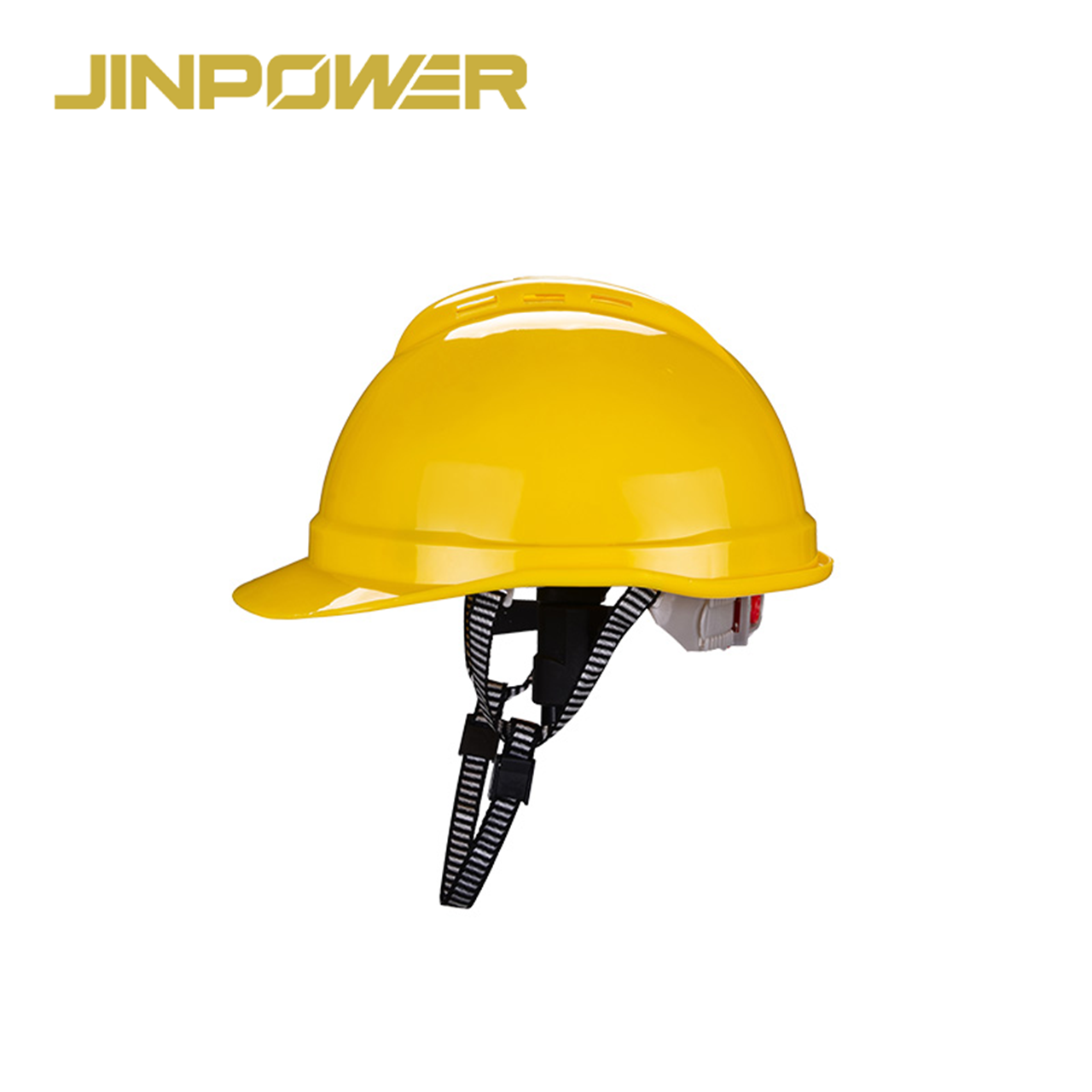
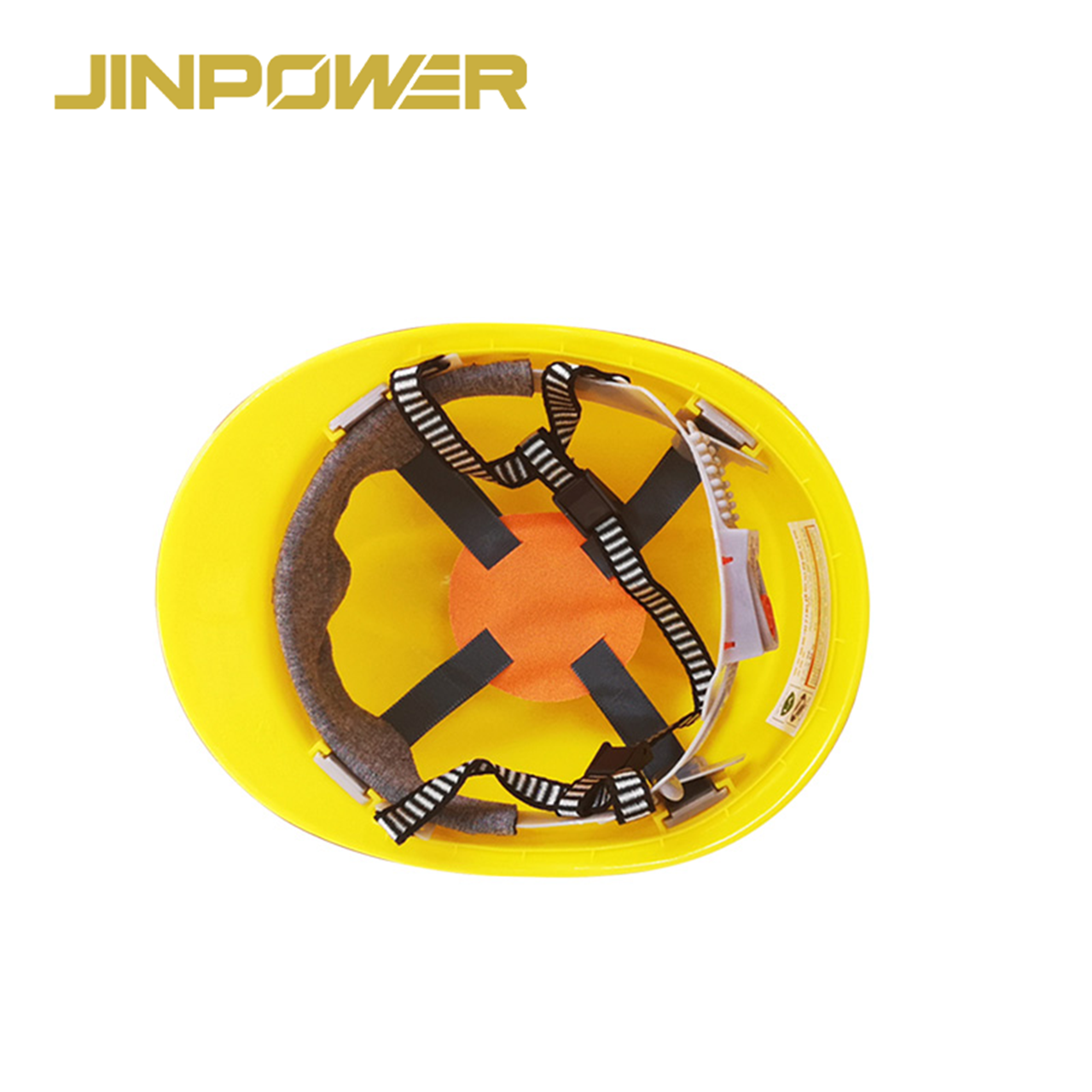
The helmet features a high-strength ABS shell, a 4-point adjustable textile suspension system and a chin strap to help maintain a stable fit. Its internal suspension creates space between the shell and the wearer's head and supports impact energy absorption.
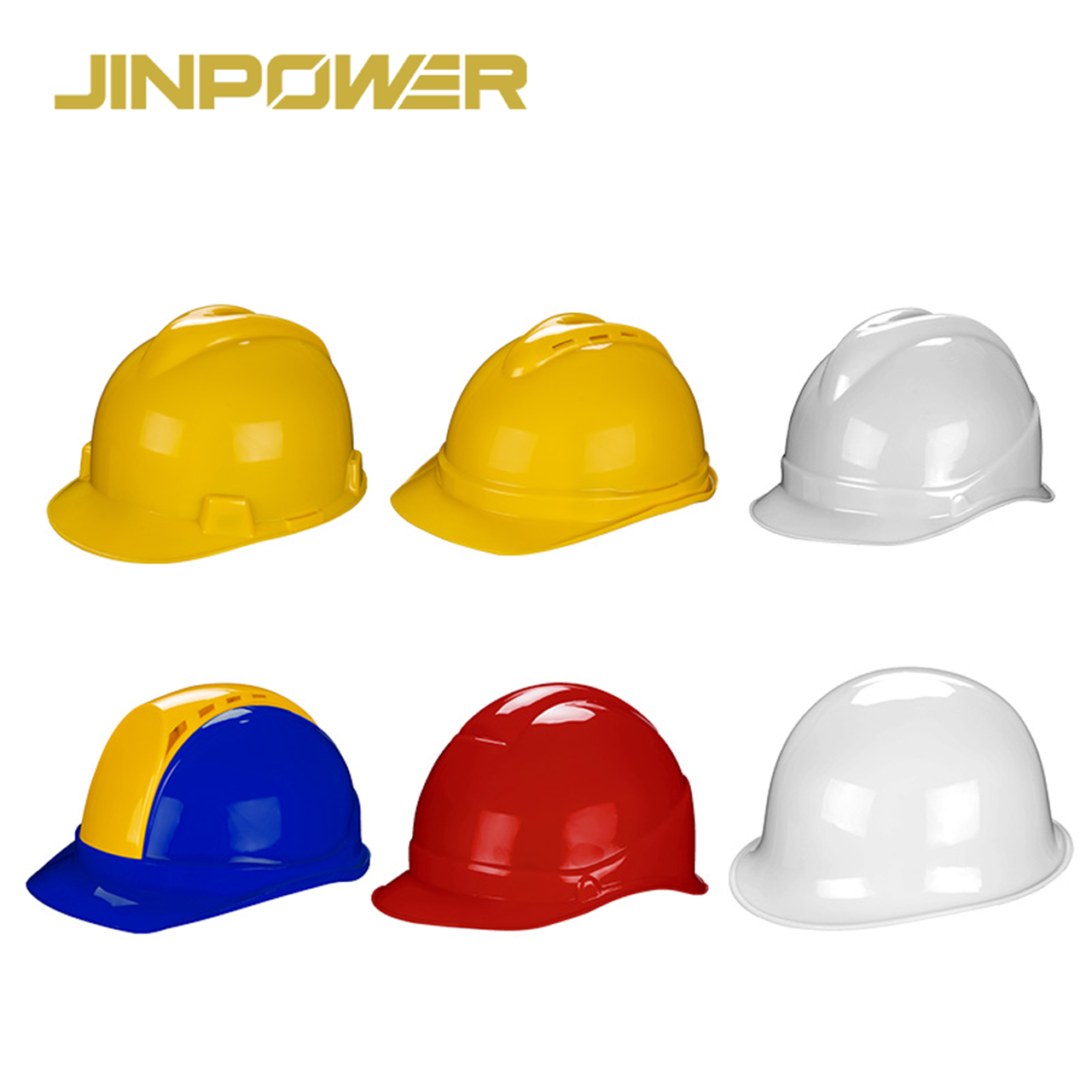
For distributors, electrical contractors and project buyers, the main selection factors include shell material, head size range, suspension configuration, applicable standards and supporting test documents. JINPOWER also lists customizable helmet colors. Confirm the required specification and available options before placing an order.
All Products
Stay Connected
If you have any questions, please contact us and we will contact you as soon as possible.
Prduct Introdution
Quick Product Facts
- Product Type: Industrial Safety Helmet
- Shell Material: ABS Polymer
- Internal Suspension: 4-Point Adjustable Textile Suspension
- Weight: Approximately 400–420 g
- Head Size Range: 52–64 cm, as listed on the current product page
- Chin Strap: Included in the documented helmet configuration
- Color: Optional / Customizable
- Standard Listed in Technical Sheet: GB 2811-2019
- Test Method Referenced in Technical Documentation: GB/T 2812-2006
- Typical Applications: Utilities, Substations, Construction, Mining and Industrial Facilities
Technical Specifications
The following specifications summarize the information available in the JINPOWER ABS Safety Helmet technical sheet. Test results and standard references should be confirmed against the documentation for the exact model supplied.
For project procurement, confirm the head size unit, temperature rating, electrical test information and applicable standards against the approved technical documentation. The values above should not be treated as a substitute for a model-specific test report.
What Is an ABS Industrial Safety Helmet?
An industrial safety helmet is personal protective equipment designed to help protect the head from mechanical hazards such as falling objects, impacts and penetration risks. It is commonly used in workplaces where personnel work around machinery, structures, tools and electrical equipment.
The JINPOWER ABS Safety Helmet combines a molded shell with an internal suspension system. The shell provides the outer protective structure, while the suspension helps maintain the required clearance between the shell and the wearer's head.
The helmet should be selected according to the workplace hazard assessment and the applicable PPE requirements. Its use in an electrical workplace does not, by itself, establish that it is suitable for every electrical hazard or that it replaces dedicated electrical insulating protective equipment.
Key Features and Construction
High-Strength ABS Shell
The helmet uses an ABS polymer shell. The shell forms the main external protective structure and is designed to help manage impact and penetration hazards.
When evaluating an ABS helmet, buyers should review the applicable performance requirements, test results, shell condition and compatibility with the intended workplace. Material selection alone does not establish compliance with a particular safety standard.
4-Point Adjustable Suspension System
The documented configuration uses a 4-point textile suspension system with adjustable components. The suspension supports helmet positioning and maintains clearance between the shell and the wearer's head.
For procurement, confirm the suspension configuration, adjustment range and replacement component availability. The suspension should be correctly fitted and inspected according to the manufacturer's instructions.
Chin Strap and Helmet Retention
The chin strap helps keep the helmet in position during normal work activities. Correct adjustment is important where workers move frequently, work outdoors or change working positions.
Before use, inspect the strap, buckle and attachment points. Confirm that the retention system is compatible with the helmet and the intended application.
Color Options
The supplied technical sheet lists optional and customizable colors. For project orders, confirm available colors, minimum order requirements, marking options and packaging arrangements with JINPOWER before production.
Safety Performance Test Information
The supplied technical sheet contains impact absorption, penetration resistance, lateral deformation and vertical clearance test information. The following results are reproduced from that document. For formal approval, request the relevant test report and verify that it applies to the exact helmet model being supplied.
The lateral deformation values above are reported results, not general performance guarantees for every production batch. The original test procedure and report should be reviewed before these values are used in a tender, certification submission or customer acceptance document.
Electrical and Antistatic Test Information
The supplied technical sheet also lists antistatic and electrical test information. These values should be understood as reported test data, not as a blanket statement that the helmet provides protection against electric shock in every electrical environment.
Antistatic Performance
The technical sheet reports an electrode spacing of 10 mm ±0.5 mm and a surface resistivity range of 1×10⁵–1×10¹⁰ Ω.
Before using this information for technical approval, confirm the measurement unit, test method, acceptance criteria and applicable report. Do not infer a specific antistatic classification solely from a resistance range.
Insulation Test Information
The supplied technical sheet lists an AC test voltage of 2,200 V, a leakage current of no more than 3.0 mA and a withstand voltage classification described as Class G.
These values must be verified against the original test report and the applicable classification requirements before being used to approve the helmet for a particular electrical application. A stated test voltage is not the same as an approved working voltage.
The helmet should not be treated as the sole protection against electric shock. Workers must use the PPE and follow the safety procedures required by the specific hazard assessment and applicable workplace rules.
Typical Applications
Power Utilities and Electrical Maintenance
Utility personnel may work around electrical equipment, tools, structures and overhead installations. A correctly fitted industrial safety helmet forms part of the required head protection system where the workplace risk assessment calls for it.
Buyers should confirm that the helmet's documented performance, fit and retention system match the requirements of the intended work.
Substations and Power Facilities
Substation environments contain electrical equipment, metal structures and maintenance areas where personnel may face impact hazards. The helmet can be considered as part of the site's PPE selection, subject to the applicable project requirements and verified product documentation.
Construction and Industrial Facilities
Construction sites and industrial plants may expose workers to falling objects, contact with structures and other mechanical hazards. Helmet selection should consider the risk assessment, required standard, fit and compatibility with other protective equipment.
Mining and Outdoor Work
For mining and outdoor applications, buyers should confirm the helmet's documented performance and suitability for the actual environmental conditions. Temperature, moisture, chemical exposure and other site-specific factors should be evaluated against the manufacturer's instructions and test data.
How to Select the Right Safety Helmet
1. Identify the Workplace Hazards
Start with the workplace risk assessment. Identify the required level of head protection, the applicable industry requirements and any additional conditions that may affect helmet selection.
2. Confirm the Applicable Standard
The supplied technical sheet lists GB 2811-2019. Confirm the required standard for the destination market or project and request supporting documentation for the exact model. A standard reference in a product description should not be treated as proof of certification without the corresponding evidence.
3. Check Head Size and Fit
Confirm the head size range and adjustment mechanism against the approved specification. The helmet should fit securely without interfering with the user's field of view or other required PPE.
4. Review the Shell and Suspension
Confirm the ABS shell, suspension configuration, chin strap and compatibility with any required accessories. Check that the delivered configuration matches the approved sample or specification.
5. Verify Test Reports and Documentation
Request the technical datasheet, applicable test report, model identification and any documents required for customer or project approval. Confirm that the documents refer to the same model and configuration being purchased.
6. Confirm Customization and Order Requirements
For distributor and project orders, specify the required color, quantity, product markings, packaging and delivery requirements. Confirm which options are available for the selected model before approving the order.
Inspection and Replacement
Safety helmets should be inspected according to the manufacturer's instructions and the workplace inspection procedure. Inspection should cover the shell, suspension, retention system and product identification.
Helmet Shell Inspection
- Check for cracks, deformation and visible damage.
- Look for deep scratches, chemical damage or signs of material deterioration.
- Confirm that required markings remain legible.
- Remove damaged helmets from service for evaluation.
Suspension and Chin Strap Inspection
- Check for broken, frayed or damaged straps.
- Inspect adjustment components and attachment points.
- Confirm that the chin strap and buckle function correctly.
- Replace damaged components only with compatible parts approved for the helmet.
When to Replace a Safety Helmet
Remove a helmet from service if it has sustained a significant impact, shows cracks or deformation, has damaged suspension components, or no longer meets the applicable inspection requirements. Follow the manufacturer's replacement instructions and the site's safety procedures rather than applying a universal service life to every helmet.
Standards and Technical Documentation
The JINPOWER technical sheet lists GB 2811-2019 as the applicable industrial protective helmet standard and references GB/T 2812-2006 for testing methods.
For formal procurement, tender submissions or regulatory review, request the relevant technical documentation and test reports. Confirm that the reported standard, test method and results apply to the exact model being supplied and meet the requirements of the destination market.
Depending on the project, procurement documents may include:
- Product technical datasheet
- Applicable test reports
- Standard and compliance information
- Product model and identification details
- Inspection and handling instructions
- Packaging and order configuration details
Related Electrical Safety PPE
A safety helmet is one component of a workplace PPE system. Depending on the task and hazard assessment, additional protective equipment may be required.
- Insulating Rubber Gloves — review glove class, voltage requirements and supporting test documentation for electrical work.
- Insulating Boots — review the applicable footwear specifications and insulation test requirements for the intended application.
The compatibility and required protection level of each PPE item should be evaluated separately according to the applicable workplace requirements.
Safety Helmet Supply for Distributors and Projects
JINPOWER supplies industrial safety helmets for distributors, electrical contractors and project buyers. The supplied technical sheet lists customizable colors, while other configuration and branding options should be confirmed according to the order requirements.
For a more accurate quotation, provide the intended application, required standard, quantity, size range, color and documentation requirements. This helps align the proposed product with the project's purchasing and acceptance criteria.
Frequently Asked Questions
What material is the JINPOWER safety helmet made from?
The supplied technical sheet identifies the shell material as high-strength ABS polymer. Confirm the exact model and applicable performance documentation when placing a project order.
What suspension system does the helmet use?
The documented configuration uses a 4-point adjustable textile shock-absorbing suspension system. Confirm the supplied configuration against the approved product specification.
What standard is listed for this helmet?
The supplied technical sheet lists GB 2811-2019 and references GB/T 2812-2006 for testing methods. Request the applicable test report to verify the exact model's status and suitability for your project.
Can the helmet color be customized?
Yes. The technical sheet lists colors as optional and customizable. Confirm the available colors, order quantity and any additional customization requirements before production.
Does this helmet provide complete protection against electric shock?
No. A safety helmet is primarily head protection and should not be treated as the sole protection against electric shock. Its suitability for an electrical environment must be established from the applicable product classification, test documentation and workplace requirements.
What documents should buyers request?
Buyers should request the technical datasheet, applicable test reports, model identification and any documents required by the project or destination market. Confirm that the documents correspond to the exact model being supplied.
What information is needed for a quotation?
Provide the intended application, required standard, order quantity, size range, color, documentation requirements and any project-specific marking or packaging requirements.
Request a Quote for ABS Safety Helmets
If you are sourcing ABS industrial safety helmets for electrical utilities, substations, construction, mining or industrial projects, contact JINPOWER with your purchasing requirements.
Please specify the required standard, quantity, size range, color, documentation and delivery requirements. If the helmets are intended for a regulated project, include the relevant technical specification so the product and supporting documents can be reviewed before order confirmation.
Inquiry