English
 Español
 Português
 Français
 Deutsch
 русский
 한국어
 にほんご
 हिन्दी, हिंदी
 বাংলা
 Bahasa Indonesia
 Türkçe
 Việt
 dansk
 čeština
 עִבְרִית Ivrit
 Filipino/Pilipino
 български език (Bǎlgarski jazik)
 suomi
 norsk
 język polski
 ไทย
 ກະຣຸນາ
 Bahasa Melayu
 ភាសាខ្មែរ
 ဗာရမ်
 اردو
 فارسی
 Italiano
 Nederlands
 svenska
 Монгол хэл
 नेपाली
 සිංහල
 Ўзбек тили
 پښتوتۆرکجه
 Ελληνικά
 српски / srpski
 magyar
 українська
 Kiswahili
 Қазақ тілі
 Română
 Hrvatski
 Bosanski
 Kreyòl ayisyen
 አማርኛ
 Hausa
 Yorùbá
 Igbo

What: Definition And Core Classification Of Electrical Protective Tools
Electrical protective tools refer to a standardized category of safety equipment engineered to insulate users from hazardous voltages, suppress arc energy, and ensure safe work practices under live conditions. They fall into two interdependent tiers: personal protective equipment (PPE), such as insulated gloves, voltage detectors, and arc-rated clothing; and engineered control devices—including grounding sets, insulated mats, and safety tool cabinets—that actively mitigate risk at the system level.
International standards like IEC 60903, ASTM F1506, and IEEE 1584 govern performance thresholds for dielectric strength, flame resistance, and thermal stability. Unlike generic industrial PPE, electrical protective tools must undergo rigorous periodic retesting—typically every 6–12 months—to retain certification validity, reflecting their role as time-sensitive safety assets rather than static inventory items.
Classification hinges on voltage class (e.g., Class 00 to Class 4), application context (live-line vs. de-energized verification), and functional purpose. For example, insulated boots serve as secondary insulation against ground potential rise, while grounding equipment provides intentional fault-current paths to stabilize system potential before human contact.
Jinneng Power’s JINPOWER line aligns with these classifications across its full portfolio—from Class 00 rubber mats rated for ≤500 V AC to Class 2 insulated gloves tested to 17 kV AC—ensuring interoperability with global utility workflows and audit-ready traceability.
Why: Critical Necessity In Electrical Infrastructure Operations
Electrical protective tools are non-negotiable in environments where residual voltage, induced currents, or switching transients persist—even after lockout/tagout (LOTO) procedures. Human error, equipment degradation, or unanticipated energization events render procedural controls insufficient alone; engineered insulation and grounding provide physical, verifiable barriers that reduce fatality risk by over 85% when correctly deployed and maintained.
Traditional storage methods—such as open shelving or unconditioned lockers—accelerate material aging through humidity exposure, ozone degradation, and mechanical abrasion. This directly compromises dielectric integrity: a single moisture-induced microcrack in an insulated glove can lower breakdown voltage by up to 40%. Jinneng Power addresses this systemic vulnerability via intelligent safety tool cabinets featuring active dehumidification, temperature-humidity monitoring, and optional RFID-based asset tracking—transforming passive storage into an integrated component of the safety lifecycle.
The economic rationale is equally compelling: OSHA estimates that each electrocution incident incurs average direct/indirect costs exceeding $1.2 million. Preventing even one incident justifies multi-year investment in certified, properly stored electrical protective tools—making them not cost centers but high-ROI risk mitigation assets.
Jinneng Power’s heavy-duty steel construction and configurable cabinet layouts further support long-term reliability across harsh utility yards, substation environments, and offshore wind maintenance hubs—where corrosion resistance and structural resilience are foundational to consistent tool readiness.
Who: Primary Users And Operational Stakeholders
Primary users of electrical protective tools include lineworkers, substation technicians, industrial electricians, and renewable energy field service engineers—professionals routinely exposed to medium- and high-voltage systems (1 kV to 380 kV). Their roles demand real-time verification of isolation status, reliable insulation during hands-on tasks, and rapid access to calibrated, certified gear.
Secondary stakeholders encompass safety officers, procurement managers, and facility maintenance supervisors. Safety officers rely on documented inspection logs and calibration histories to satisfy regulatory audits (e.g., NFPA 70E, EN 50110-1); procurement managers evaluate TCO, supplier traceability, and integration with existing CMMS platforms; facility supervisors require intuitive, space-efficient storage that enforces segregation by voltage class and usage frequency.
Third-party certifiers, insurance underwriters, and grid operators increasingly mandate proof of proper storage and maintenance—not just PPE acquisition—as part of contractual safety clauses. This elevates electrical protective tools from individual-use items to auditable enterprise assets requiring centralized governance.
Jinneng Power’s intelligent cabinets meet these cross-functional needs by enabling digital recordkeeping of tool location, last inspection date, and environmental exposure history—bridging operational, compliance, and administrative requirements within a single hardware platform.
Where And When: Global Application Contexts And Regulatory Alignment
Electrical protective tools are deployed globally across transmission & distribution networks, manufacturing plants, data center infrastructure, rail electrification systems, and offshore energy platforms. Regional standards vary—but converge on core principles: IEC 60903 governs insulating gloves/mats in Europe and APAC; ASTM F496 and F479 apply in North America; AS/NZS 2293 regulates use in Australia and New Zealand.
Critical deployment moments occur during live-line maintenance, emergency restoration after storms, commissioning of new switchgear, and routine infrared thermography inspections—all scenarios where de-energization is impractical or introduces greater system risk. Timing is equally vital: voltage detectors must be verified immediately before use per NFPA 70E Section 120.5; insulated gloves require visual inspection and air testing prior to each shift; grounding sets must be installed before any conductor contact.
Storage conditions directly impact deployment readiness. Ambient humidity above 60% RH accelerates sulfur vulcanization breakdown in rubber-based tools; temperatures exceeding 45°C degrade polymer elasticity. Jinneng Power’s cabinets maintain internal RH<40% and stable thermal profiles—ensuring tools remain within manufacturer-specified storage parameters regardless of external climate extremes, from desert substations to tropical marine terminals.
This environmental control capability supports compliance with ISO 45001 occupational health requirements and facilitates seamless acceptance by international project owners specifying EN 61482-1-2 arc-flash testing or IEC 61230 grounding validation protocols.
How: Manufacturing Integrity And Quality Assurance Framework
Production of electrical protective tools demands strict adherence to raw-material traceability, controlled vulcanization cycles, and post-cure dimensional stability testing. Insulated gloves undergo triple-dip molding with natural rubber or nitrile compounds, followed by 72-hour steam autoclaving to eliminate residual volatiles—processes validated via Fourier-transform infrared (FTIR) spectroscopy and tensile strength mapping.
Voltage detectors incorporate dual-redundant sensing circuits, self-test diagnostics, and electromagnetic interference (EMI) shielding compliant with IEC 61000-4-3. Grounding clamps utilize forged aluminum alloy bodies with silver-plated copper jaws, ensuring contact resistance<1 mΩ under 200 A DC load—verified via four-wire Kelvin measurement.
Jinneng Power implements end-to-end quality control: incoming material certification (mill test reports), in-process dimensional checks using coordinate measuring machines (CMM), and final batch-level dielectric testing at 3× rated voltage for 3 minutes. Each product carries serialized QR-coded labels linking to digital test certificates, batch lot numbers, and shelf-life expiration dates—enabling full forensic traceability without manual documentation overhead.
Installation of intelligent cabinets follows standardized mounting protocols—wall-mounted or floor-standing configurations—with integrated grounding studs meeting IEEE Std 80 requirements. Commissioning includes sensor calibration verification, network connectivity validation, and user-role configuration for audit-log generation—ensuring operational readiness from day one.
How Much: Total Cost Of Ownership Analysis And Strategic Procurement
The total cost of ownership (TCO) for electrical protective tools extends far beyond unit purchase price. Key drivers include retesting frequency (typically $25–$75 per item per cycle), premature replacement due to improper storage (up to 30% annual attrition in uncontrolled environments), labor time spent on manual inspection logging, and downtime from failed pre-use verification.
Intelligent storage reduces TCO by extending certified service life: controlled humidity alone increases rubber-based tool lifespan by 2.3× versus ambient storage (per EPRI TR-108542). RFID-enabled cabinets cut administrative labor by 65% per monthly audit cycle, while real-time environmental alerts prevent costly batch failures before deployment.
Procurement ROI improves when evaluating Jinneng Power’s solutions holistically: heavy-duty steel cabinets amortize over 15+ years with minimal maintenance; modular configurations allow phased upgrades without full-system replacement; and API-ready monitoring data integrates with SAP S/4HANA, IBM Maximo, or custom EHS dashboards—eliminating siloed reporting and enabling predictive maintenance scheduling.
For procurement teams, the optimal strategy combines upfront capital investment in certified tools and intelligent infrastructure with ongoing budget allocation for scheduled retesting and digital asset management—not isolated PPE purchases. This integrated approach delivers measurable reductions in incident rates, audit findings, and insurance premiums over 3–5 year horizons.
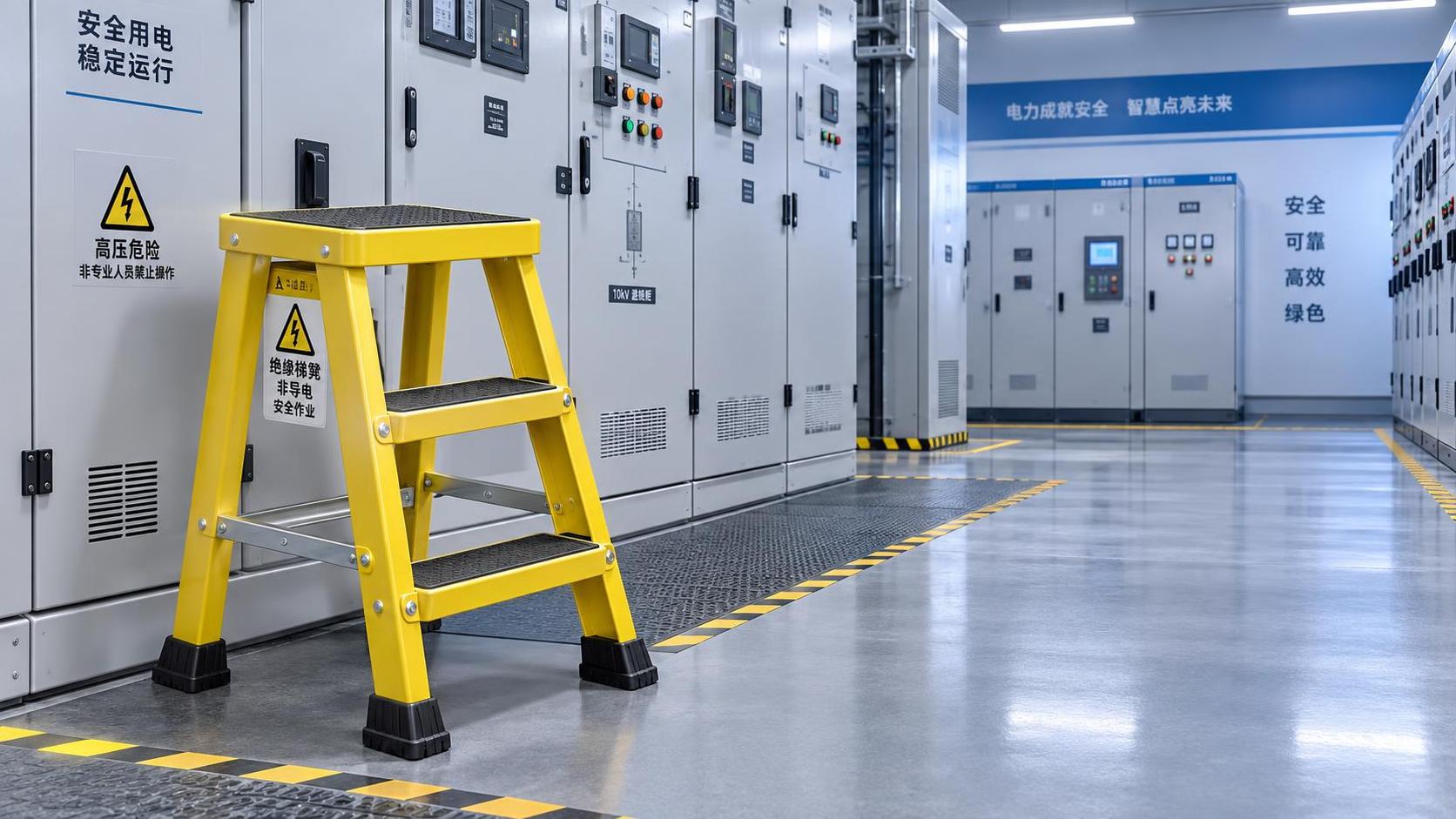
 When is an insulating ladder stool required for electrical work?Insulating Ladder Stool guidance for electrical work: discover when elevated tasks near energized equipment require safer, stable insulated access.
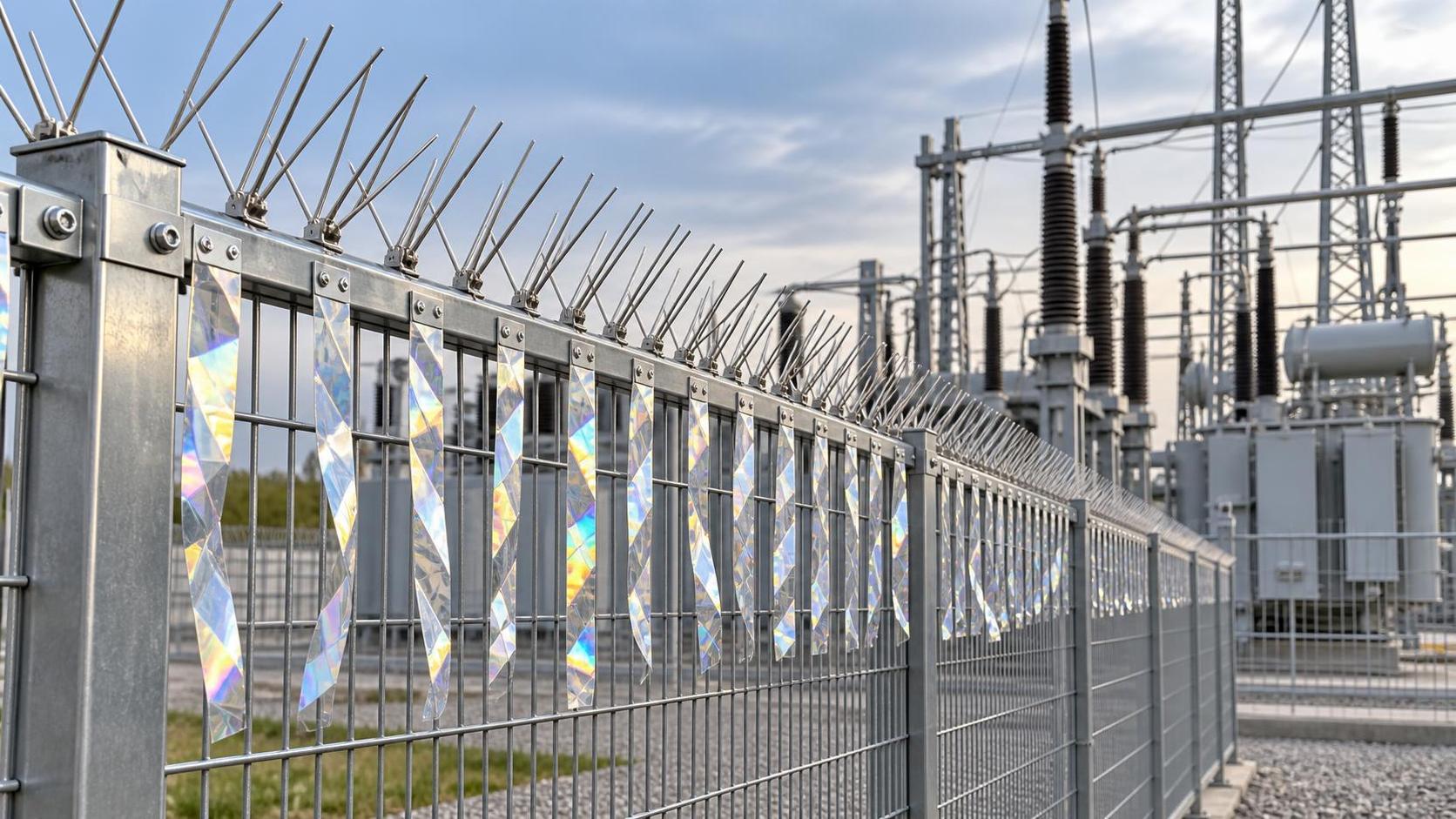
 What Can Repel Birds in High-Wind Environments? Field-Tested Solutions for Transmission Tower Maintenance TeamsWhat can repel birds in high-wind transmission environments? Discover field-tested, weatherproof deterrents engineered for 120+ km/h winds — proven on 214 towers worldwide.
 What Repels Birds Without Harm? EPA-Registered Non-Toxic Options for Power Substation Perimeter ProtectionWhat repels birds safely at power substations? Discover EPA-registered, non-toxic, field-proven deterrents engineered for high-voltage reliability and zero harm.
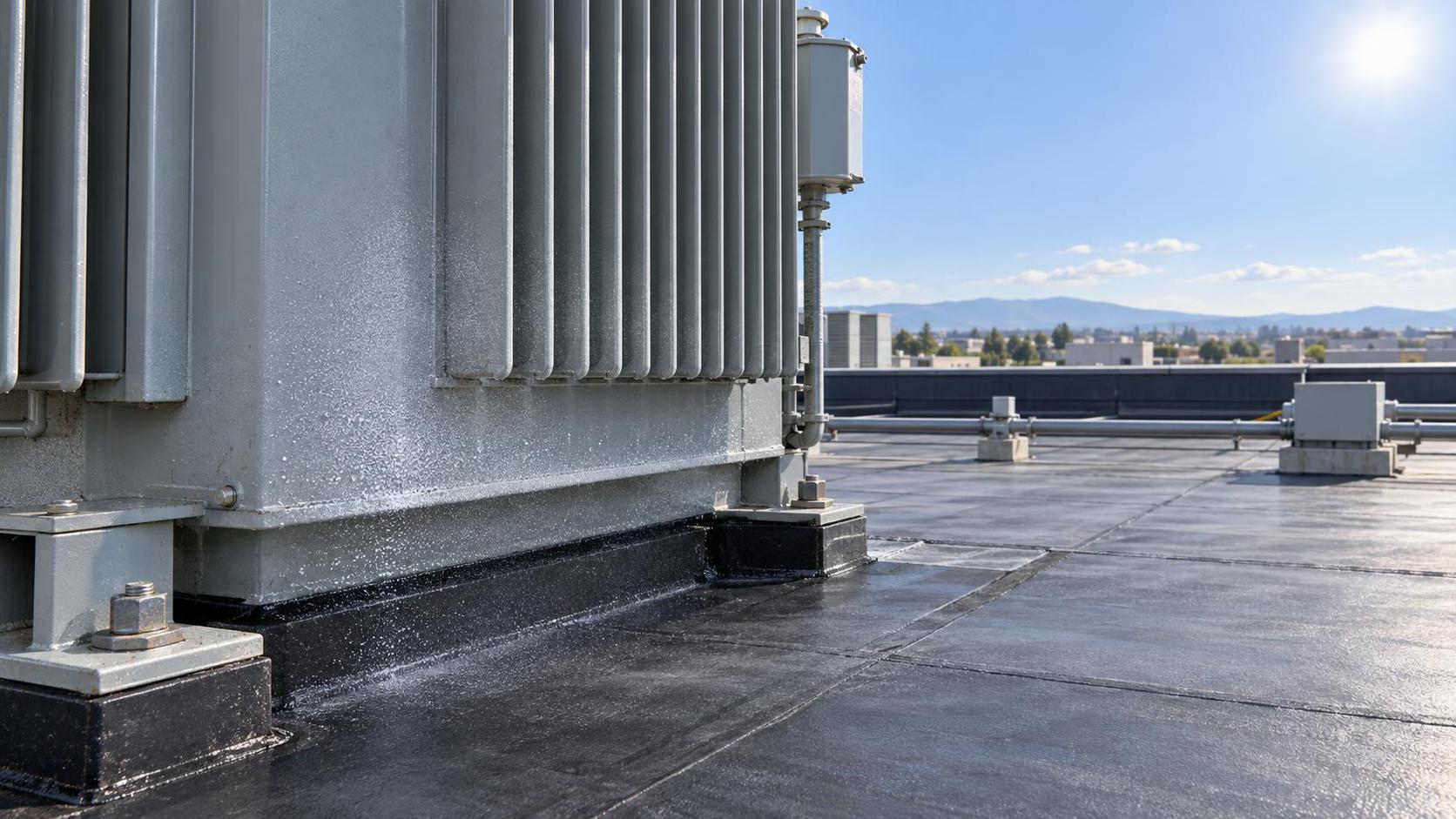
 What Scents Repel Birds Effectively? A Technical Review of Olfactory Deterrents for Industrial RooftopsWhat scents repel birds effectively? A technical review of methyl anthranilate, t-butyl acetate & terpenes for electrical rooftop safety.

 ESD Anti-Static Rubber Mat for WorkbenchesJINPOWER manufactures ESD anti-static mats designed for static electricity control in electronics manufacturing areas, laboratories, assembly lines and industrial workstations.
ESD mats provide a controlled surface to reduce static charge accumulation and help protect sensitive electronic components during production, assembly and maintenance operations.
As an industrial safety equipment manufacturer, JINPOWER supplies anti-static mats for electronics manufacturers, distributors and industrial customers with customized sizes and production support. Yellow Border Electrical Insulating Rubber MatJINPOWER manufactures Warning Yellow Line Rubber Mats designed for electrical safety areas around switchboards, electrical panels, substations and power distribution equipment.
Different from standard electrical insulating mats, the yellow warning line design provides a clear visual safety boundary while maintaining electrical insulation protection for working areas.
As an electrical safety equipment manufacturer, JINPOWER supplies insulating rubber mats for distributors, EPC contractors and industrial buyers with customized sizes, technical support and bulk supply capability. Black Yellow Striped Electrical Insulating Rubber MatJINPOWER manufactures Warning Line Rubber Mats designed for electrical safety areas, switchboards, substations and industrial electrical workplaces.
The warning line design helps define electrical working zones and improves safety awareness around electrical equipment, while the rubber insulation layer provides a safer standing surface for maintenance personnel.
As an electrical safety equipment manufacturer, JINPOWER provides customized insulating mat solutions for distributors, EPC contractors and industrial buyers worldwide. Electrical Insulating Rubber Mat for SwitchboardsJINPOWER manufactures switchboard mats designed for electrical safety protection around switchboards, electrical panels, substations and power distribution equipment.
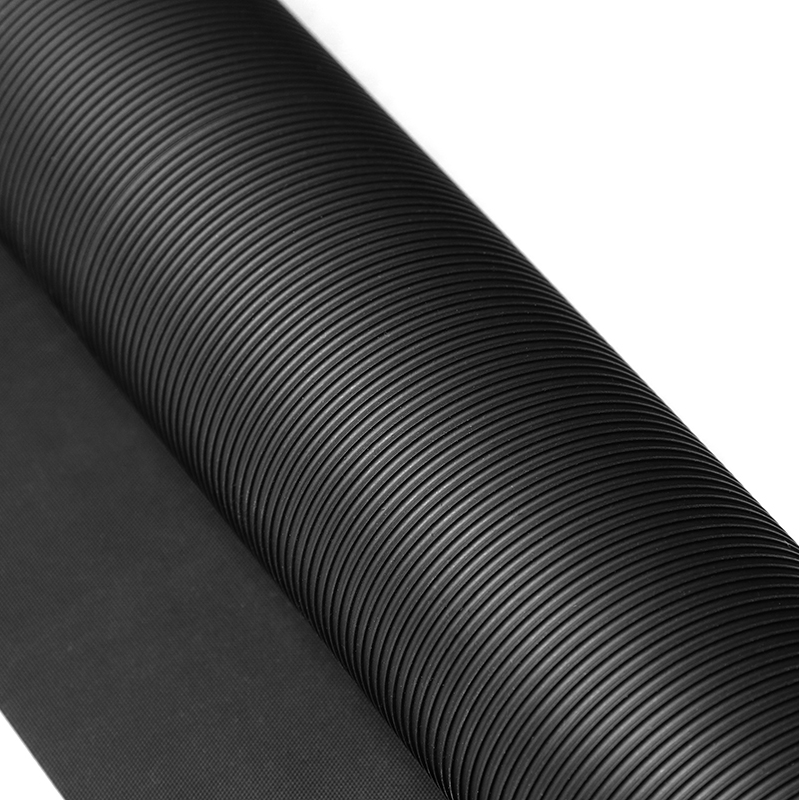
Our electrical insulating rubber mats provide an insulated working surface for electrical operation and maintenance areas. Available in IEC Class 0 to Class 4 options, different thicknesses, surface designs and customized sizes can be supplied according to project requirements.
As an electrical safety equipment manufacturer, JINPOWER supports global distributors, electrical contractors and industrial buyers with stable production capability and customized supply solutions.