English
 Español
 Português
 Français
 Deutsch
 русский
 한국어
한국어 にほんご
にほんご हिन्दी, हिंदी
 বাংলা
বাংলা Bahasa Indonesia
 Türkçe
 Việt
Việt dansk
dansk čeština
 עִבְרִית Ivrit
 Filipino/Pilipino
 български език (Bǎlgarski jazik)
 suomi
suomi norsk
norsk język polski
 ไทย
ไทย ກະຣຸນາ
 Bahasa Melayu
 ភាសាខ្មែរ
 ဗာရမ်
ဗာရမ် اردو
اردو فارسی
فارسی Italiano
 Nederlands
 svenska
 Монгол хэл
 नेपाली
 සිංහල
සිංහල Ўзбек тили
 پښتوتۆرکجه
 Ελληνικά
 српски / srpski
 magyar
 українська
 Kiswahili
 Қазақ тілі
 Română
 Hrvatski
 Bosanski
 Kreyòl ayisyen
 አማርኛ
አማርኛ Hausa
Hausa Yorùbá
 Igbo
IgboHow Power Plant Safety Equipment Cabinets Support Inspection Readiness and Compliance
How Power Plant Safety Equipment Cabinets Support Inspection Readiness and Compliance
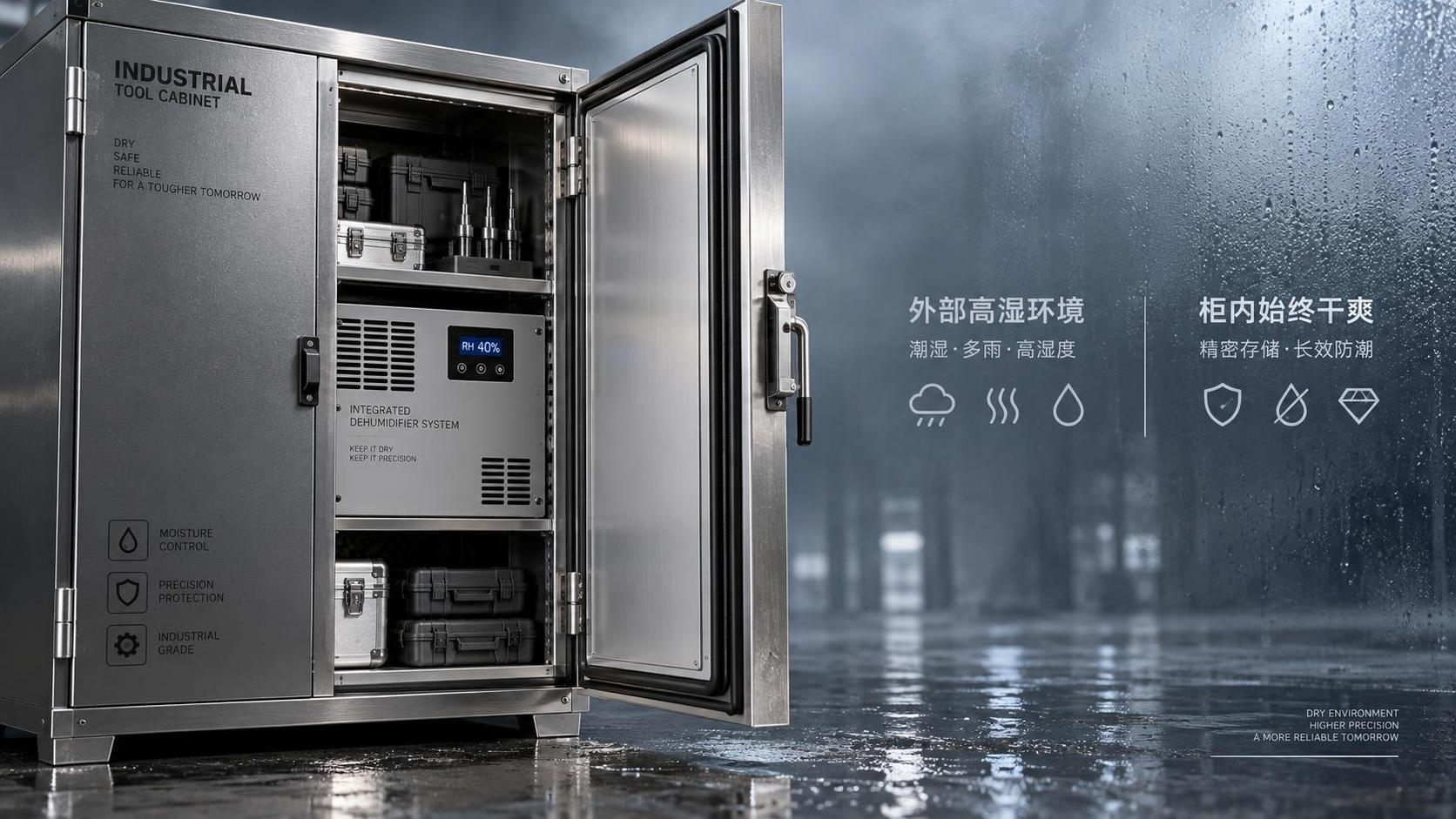
In power plants, inspection findings are often tied to small management failures rather than dramatic equipment breakdowns. Missing insulating gloves, expired testing labels, damaged rescue hooks stored in the wrong place, or lockout devices mixed with general tools—these are the kinds of details that inspectors notice quickly, and they are also the details that expose deeper discipline problems. That is why a power plant safety equipment cabinet should not be treated as a basic storage box. In practice, it is part of the site’s safety control system.
For quality control and safety managers, the cabinet sits at the intersection of housekeeping, traceability, equipment protection, and human behavior. If the cabinet is well designed and properly managed, it makes routine checks faster, keeps protective equipment in usable condition, and gives auditors visible evidence that safety controls are not only documented but actually followed on the floor. If it is poorly planned, even good procedures tend to break down under shift pressure.
Why cabinets matter during real inspections
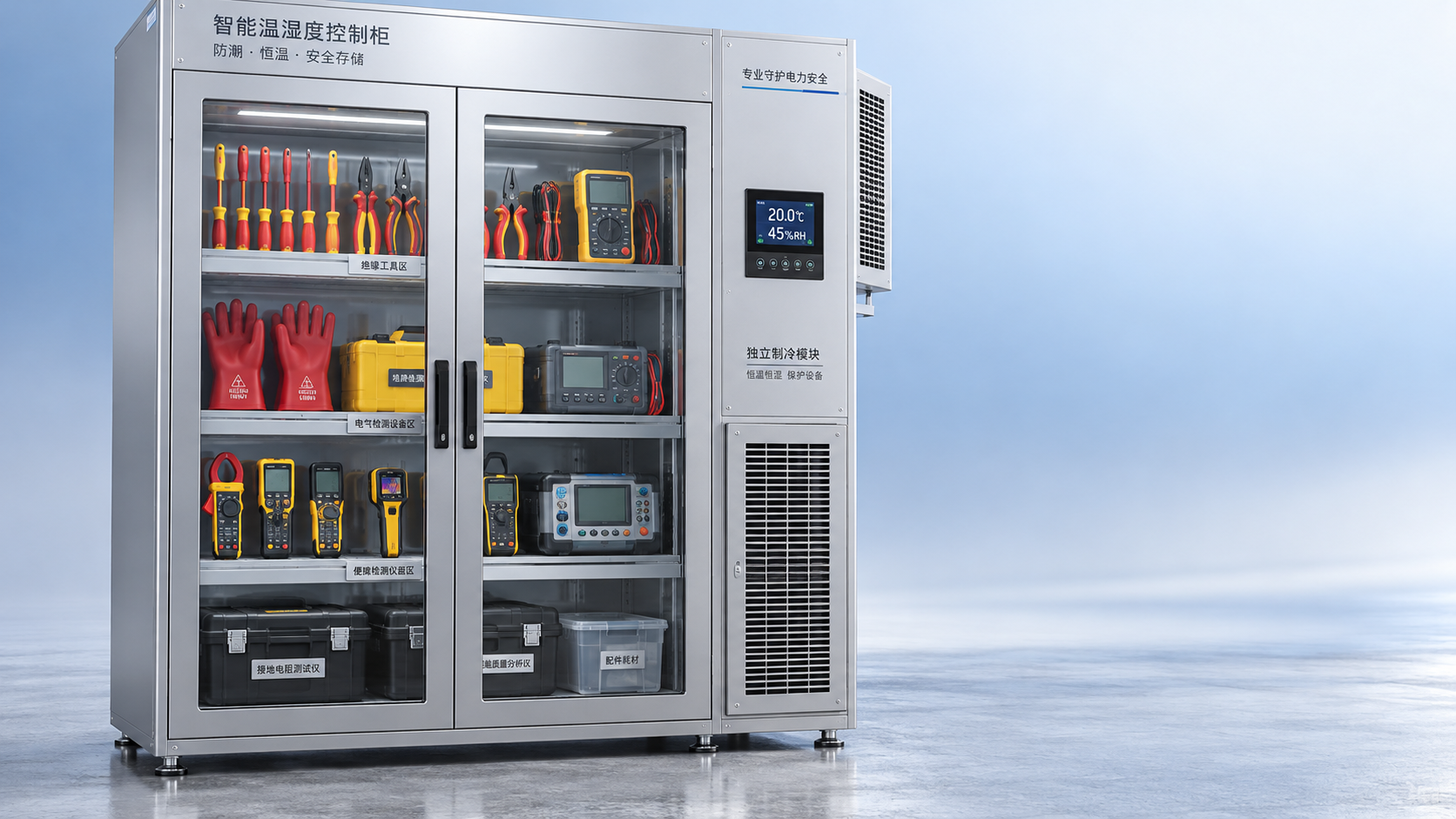
Most inspections in generation facilities do not look only at whether required safety tools exist. They also look at accessibility, segregation, labeling, condition control, and whether the equipment available matches the risks in the work area. A cabinet becomes the most visible checkpoint for all of that. Inspectors can learn a surprising amount in two minutes: whether insulating rods are stored straight or jammed into corners, whether arc-flash PPE is grouped by rating and size, whether testing records are current, whether emergency tools are blocked by unrelated materials, and whether responsibility for the cabinet is clearly assigned.
This is especially relevant in plants where multiple teams share equipment—operations, electrical maintenance, contractors, shutdown crews, and occasionally renewable integration teams if the site includes solar or battery systems. Shared tools are useful, but they also create ambiguity. A cabinet with defined zones, inventory markings, and visible inspection status helps remove that ambiguity before it becomes a nonconformance.
What a compliant cabinet setup usually needs to do
There is no single global cabinet specification that fits every plant, because local regulations, utility practices, and internal standards vary. Still, from a technical and compliance perspective, a well-managed setup usually needs to support five practical requirements.
- Protect equipment from moisture, dust, sunlight, impact, and contamination.
- Separate safety gear by function, voltage class, or work area where required.
- Show inspection, testing, and replacement status without opening a file cabinet or searching a system.
- Allow fast access during emergencies and controlled access during normal operation.
- Support routine housekeeping so that the storage condition itself does not degrade the tool.
The last point is often underestimated. Many electrical protective tools fail early not because the product was poor, but because storage conditions were careless. Insulating equipment left in damp rooms, leaning under load, contaminated with oil, or mixed with metal hardware can become a hidden problem long before anyone notices visible damage.
Cabinet design affects equipment condition more than many plants expect
A power plant safety equipment cabinet is part of preservation control. This matters for electrical protective tools because many of them are only used periodically but must perform immediately when needed. Cabinets that include dedicated hanging points, partitions, trays, rod holders, document pockets, and ventilation strategy usually make a measurable difference in day-to-day condition control, even if that difference is not captured in a formal statistic.
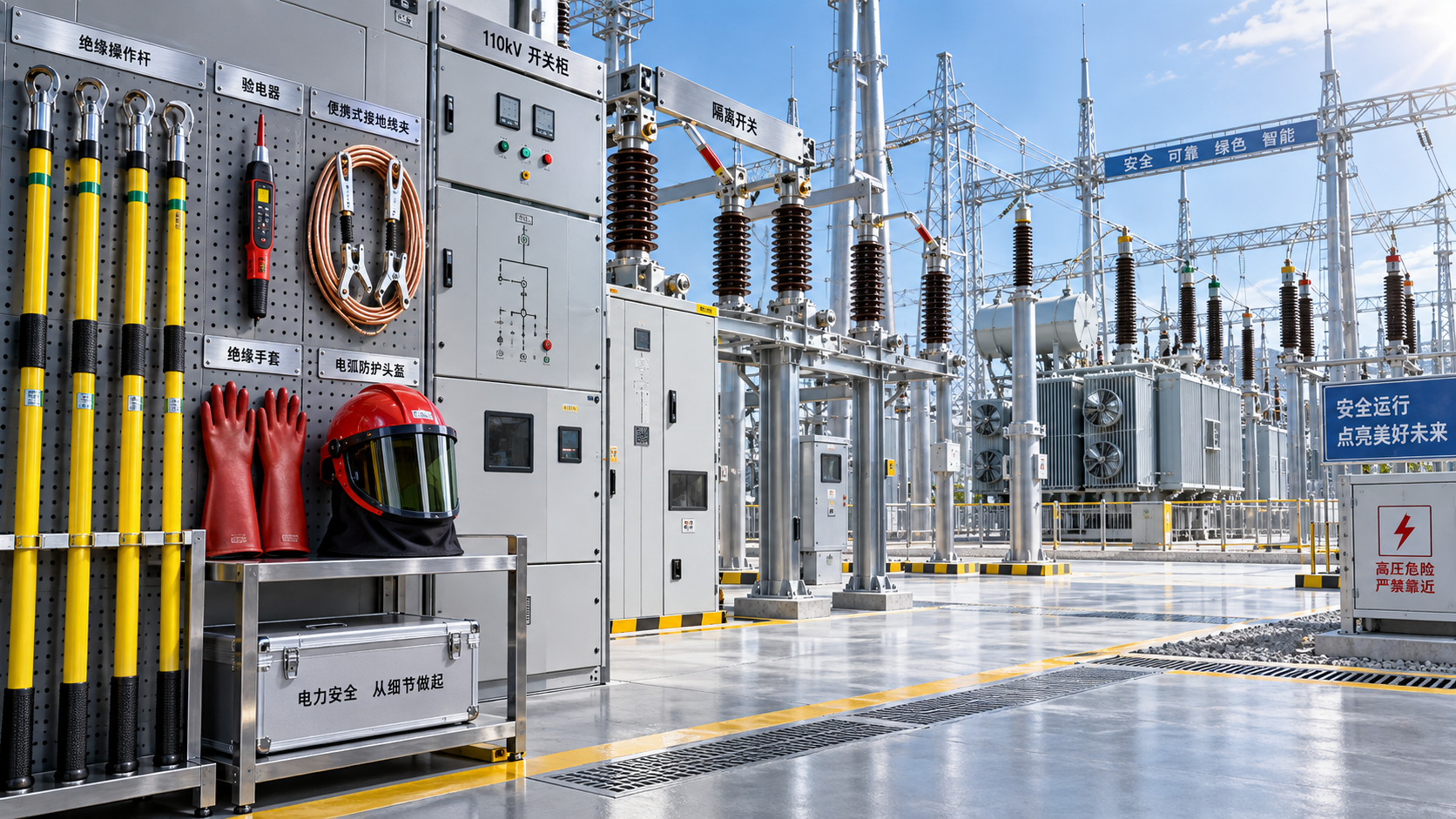
For example, hot sticks and insulating rods should not be stored where they can bow, rub against sharp edges, or collect conductive dirt. Gloves and sleeves should not be crushed under heavier items. Rescue equipment should be visible and reachable without moving unrelated materials. Fire proximity may also influence material choices around the cabinet, particularly in turbine halls, switchgear rooms, or industrial maintenance zones where heat, moisture, and dust can vary significantly.
This is one reason experienced manufacturers in the electrical safety field tend to look beyond simple dimensions. Hebei Jinneng Power Technology Co., Ltd., founded in 2009, has spent more than 17 years focused on electrical protective tools for substations, utilities, renewable projects, and industrial maintenance. That kind of specialization matters because storage and tool performance are closely linked. A supplier that understands how equipment behaves in actual field conditions is usually better positioned to advise on cabinet layout, compatibility, and long-term care—not just on the item count.
The audit value is in visibility, not just organization
Many sites are organized but still not inspection-ready. The difference is visibility. Inspectors do not want to hear that records exist somewhere; they want to see that control is embedded into the work process. Cabinets help when they make the status of equipment obvious at a glance.
That usually means clear equipment identification, marked storage positions, posted inspection frequency, and labels showing whether a tool is in service, under test, quarantined, or awaiting replacement. Some plants use color coding by voltage level or work function. Others prefer cabinet maps and sign-out logs. Neither approach is automatically better. The stronger approach is the one that your crews can maintain consistently through outages, shift changes, and contractor turnover.
A common mistake is to build an impressive cabinet system that only the safety department understands. If technicians have to guess where an item goes back, the system will fail within weeks. Good compliance support is usually boring in the best sense: obvious, durable, easy to use, and difficult to misuse.
What inspectors and internal auditors tend to question
While inspection criteria depend on the jurisdiction and plant type, several questions come up repeatedly during internal reviews and external audits:
If a cabinet cannot demonstrate those basics, the problem is rarely just storage. It usually points to weak control of the broader protective equipment program.
The cabinet should reflect how tools are actually used
One practical way to improve inspection readiness is to design cabinet contents around tasks, not around catalog categories. In power plants, electrical safety tools are often deployed as task sets: isolation and verification, switching operations, rescue preparedness, temporary grounding, or meter-related checks. When cabinets reflect those real workflows, workers spend less time searching and are less likely to improvise with the wrong item.
For instance, if a cabinet stores extendable insulating tools, the storage arrangement should leave room for accessory heads, cleaning access, and clear status labeling. In some applications, teams prefer modular tools that can connect different working heads rather than storing several separate rods. A product such as the Triangular Telescopic Hot Stick fits that logic because it is designed to connect various functional tool heads while using materials such as high-strength fiberglass and high-strength aluminum alloy. For storage planning, details like waterproof, corrosion-resistant, fireproof, moisture-proof, and insulating characteristics are relevant—not as marketing language, but because they affect cleaning routines, placement conditions, and serviceability checks.
The bright yellow appearance also has a practical value in cabinet environments: visibility. Equipment that is easier to see is easier to verify, especially during pre-job checks or low-light emergency conditions. Still, no material advantage cancels out poor storage discipline. Even robust tools need proper separation and inspection records.
Common cabinet mistakes that create compliance risk
The most common weaknesses are not usually dramatic. They build up quietly:
- Combining electrical protective equipment with general maintenance supplies.
- No quarantine space for items awaiting test, repair, or disposal.
- Cabinets placed in damp, dirty, or high-traffic areas simply because space was available.
- Inventory labels that do not match actual contents after outage work.
- Relying on memory rather than posted inspection cycles and responsible persons.
- Selecting cabinet dimensions without checking the actual length, protective spacing, or handling requirements of the tools.
These issues matter because compliance failures are often cumulative. A cabinet that looks acceptable from a distance may still hide expired labels, contaminated surfaces, or unsuitable storage orientation. Internal audits should be close enough to catch those details before regulators or clients do.
Choosing a cabinet system with standards in mind
When selecting or upgrading a cabinet system, it helps to think in layers. The cabinet itself should suit the environment. The internal layout should suit the equipment. The labeling should suit the inspection method. And the management routine should suit the people who actually use it. Plants sometimes overinvest in the first layer and neglect the other three.
It is also worth checking how the cabinet will interact with your broader quality process: incoming inspection, periodic testing, defect reporting, and retirement of unserviceable tools. Manufacturers with integrated R&D, production, quality control, and service experience can usually support that conversation more effectively, especially when the site needs consistency across multiple work areas or across international projects with different documentation habits. JINPOWER’s long-term focus on electrical protective tools and global supply experience is relevant here because standardization is easier when the product side and the field-use side are understood together.
A cabinet will not make a plant compliant by itself. But it can make compliance visible, repeatable, and easier to maintain under real operating pressure. That is a much more useful standard than simply having a place to put the gear. Before your next inspection cycle, it is worth opening each cabinet and asking a blunt question: does this setup prove control, or does it merely store equipment?
Recommend
 Oct 25, 2026
Homemade Bird Repellent Spray: Recipe Limits and Outdoor Surface Risks
Searching for how to make homemade bird repellent spray? Discover recipe limits, outdoor surface risks, electrical safety tips, and safer deterrents before you spray.
- Oct 25, 2026
Natural Bird Deterrents for Rooftops: Choosing Nonchemical Options
Learn how to repel birds naturally with humane rooftop barriers and smarter maintenance. Compare nonchemical options to protect electrical equipment and keep roof access clear.
- Oct 24, 2026
Home Remedies for Repelling Birds: What to Try on Patios and Railings
Learn how to repel birds with home remedies for cleaner patios and railings. Discover humane DIY options, avoid harmful sprays, and keep deterrents clear of electrical equipment.