English
 Español
 Português
 Français
 Deutsch
 русский
 한국어
한국어 にほんご
にほんご हिन्दी, हिंदी
 বাংলা
বাংলা Bahasa Indonesia
 Türkçe
 Việt
Việt dansk
dansk čeština
 עִבְרִית Ivrit
 Filipino/Pilipino
 български език (Bǎlgarski jazik)
 suomi
suomi norsk
norsk język polski
 ไทย
ไทย ກະຣຸນາ
 Bahasa Melayu
 ភាសាខ្មែរ
 ဗာရမ်
ဗာရမ် اردو
اردو فارسی
فارسی Italiano
 Nederlands
 svenska
 Монгол хэл
 नेपाली
 සිංහල
සිංහල Ўзбек тили
 پښتوتۆرکجه
 Ελληνικά
 српски / srpski
 magyar
 українська
 Kiswahili
 Қазақ тілі
 Română
 Hrvatski
 Bosanski
 Kreyòl ayisyen
 አማርኛ
አማርኛ Hausa
Hausa Yorùbá
 Igbo
IgboHow to Choose Electrical Safety Storage Solutions for High-Risk Work Areas
In high-risk work areas, storage usually becomes a problem only after something goes wrong. A set of insulated gloves fails inspection because dust and moisture got into the cuff. A grounding lead is technically available, but workers waste time looking for the right clamp configuration. A face shield is stored near oily tools and needs to be cleaned again before use. None of these issues look dramatic when viewed separately, yet they all slow down work and increase exposure to avoidable risk.
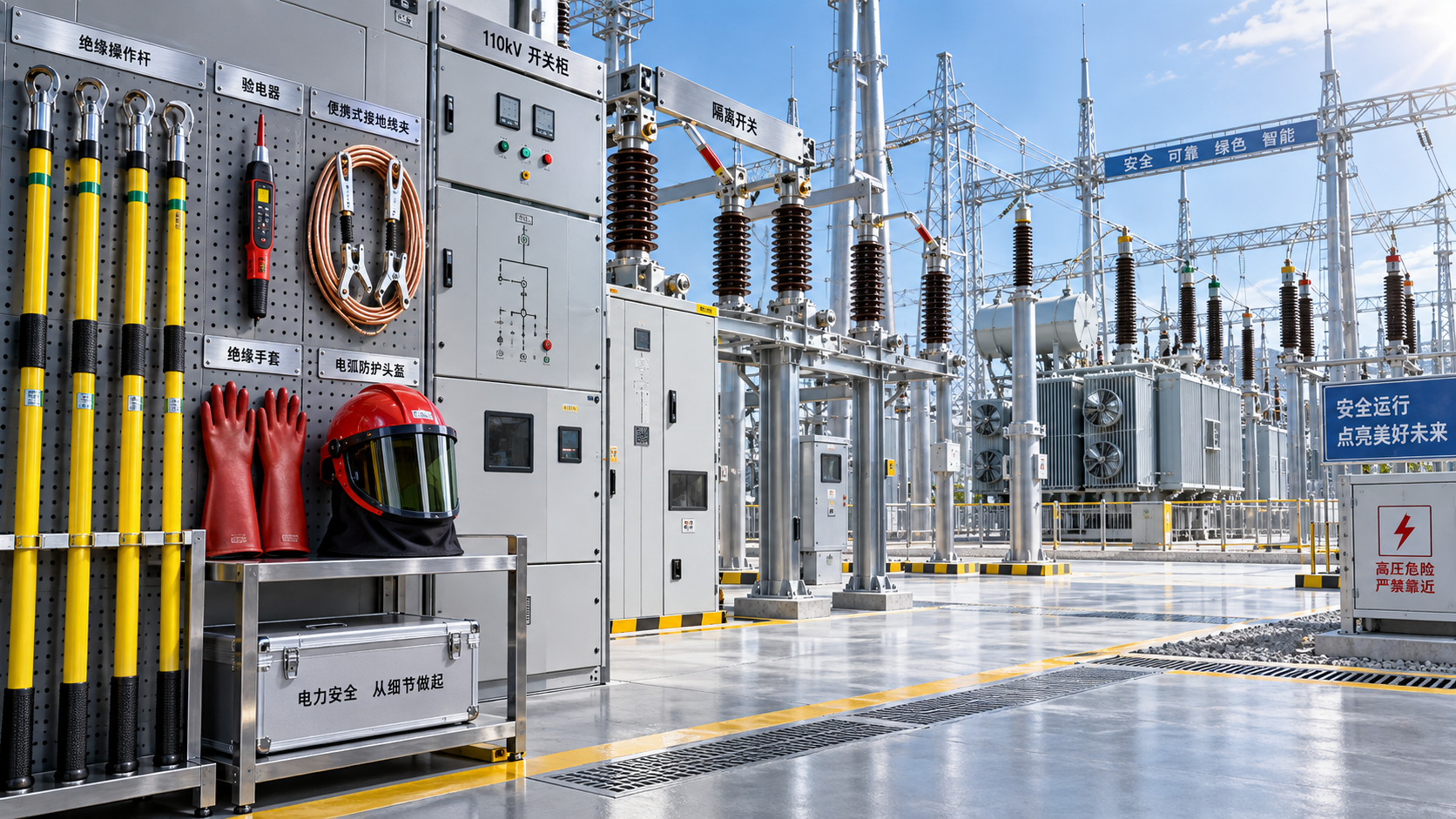
Many safety managers start by looking for cabinets, racks, lockers, or transport cases, but the real question is broader: which electrical safety storage solutions actually match the hazards of the site, the condition requirements of the equipment, and the way crews use that equipment under pressure? In substations, switchgear rooms, maintenance bays, and outdoor utility environments, storage is not just an organizing task. It affects inspection routines, contamination control, equipment readiness, and the ability to separate serviceable items from anything damaged, expired, or pending test.
A common mistake is choosing storage based on available floor space or purchase cost alone. That approach often leads to systems that look tidy at first but create daily friction. Doors cannot open fully where PPE is used. Shelves are too shallow for arc-rated face protection. Compartments are not labeled in a way that supports pre-job checks. Temporary grounding sets end up coiled in ways that put stress on conductors or make visual inspection harder. Over time, the storage itself becomes another weak point in the safety process.
Start with the actual failure points, not the catalog
When selecting between different electrical safety storage options, it helps to work backward from the problems you are trying to prevent. In high-risk electrical areas, the main failure points usually fall into a few practical categories: contamination, physical damage, poor visibility, access delay, and mix-ups between tested and untested equipment.
Contamination is easy to underestimate. Dust, moisture, metal particles, oils, and chemical residue can affect the condition of protective equipment and make inspections less reliable. If an insulated tool or rubber protective item is stored in the same zone as dirty hardware or general maintenance supplies, you create extra handling and extra uncertainty. Even if the item remains usable, someone still needs to clean and re-check it before work starts.
Physical damage is another common issue. Stacking, compression, sharp edges, and poor cable management shorten service life and can hide wear. This is especially relevant for items that need both electrical performance and mechanical integrity. If workers have to pull equipment from overcrowded bins or drag it out from under heavier items, storage is no longer neutral; it becomes a source of damage.
Then there is visibility. In high-risk environments, workers should not have to guess whether an item is ready for use, awaiting inspection, or reserved for a specific job. The more time spent searching or verifying, the more likely shortcuts become. Good storage reduces decision friction. It should make the correct choice obvious, even during shift changes, emergency repairs, or work in poor weather.
Choose storage by equipment category, not by one-size-fits-all furniture
One reason buyers struggle with electrical safety storage solutions is that they treat all safety equipment as if it has the same storage needs. It does not. Rubber insulating goods, hot sticks, detectors, grounding equipment, rescue tools, and face protection all behave differently in storage and require different levels of separation, support, and environmental control.
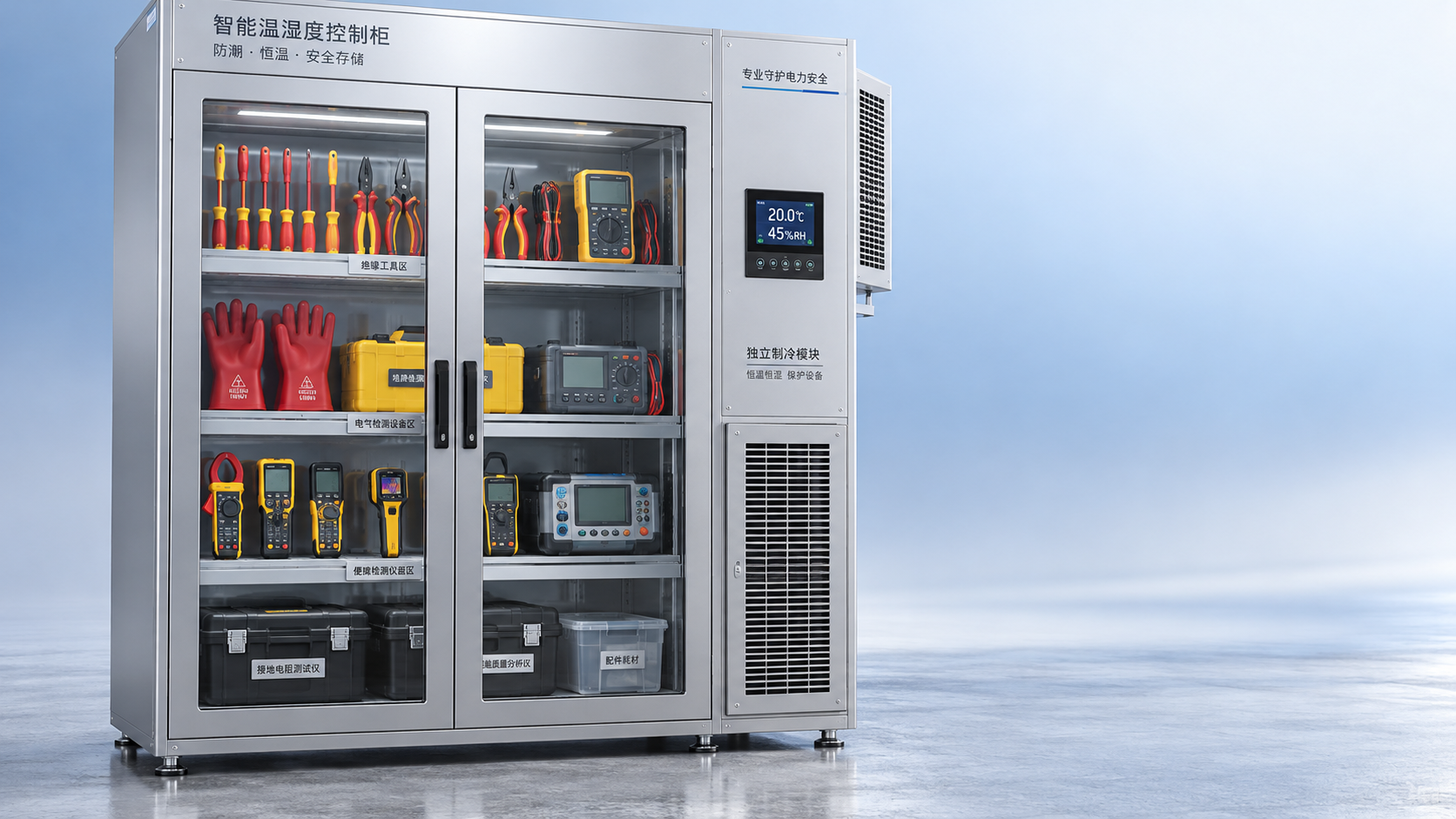
For rubber insulating gloves, sleeves, blankets, and similar items, the priority is protection from deformation, light exposure, contamination, and accidental contact with sharp or dirty surfaces. Enclosed cabinets or dedicated compartments are often more suitable than open shelving in active maintenance areas. These items also benefit from storage that supports inspection labeling and clear segregation between tested and untested stock.
For rigid insulated tools and operating rods, length, support points, and easy visual access matter more. A storage system that lets tools rest straight, without bending or rubbing against rough surfaces, is usually preferable to crowded horizontal stacks. If the site frequently moves equipment between indoor and outdoor work zones, transport protection should be considered part of the storage decision rather than treated as a separate problem later.
Grounding and short-circuit equipment needs another kind of attention. It is often used in urgent or controlled high-risk tasks where crews must confirm completeness quickly. Cables, clamps, and connection accessories should be arranged so that visual inspection is easy and parts are not tangled or hidden. In practice, this means choosing storage that preserves conductor condition, avoids unnecessary coil stress, and keeps configurations identifiable at a glance.
For example, when teams use Protable grounding and short-circuit sets during maintenance, storage should reflect the way the equipment functions in the field. Because such sets are intended to provide temporary grounding, discharge residual or induced voltage, and help prevent accidental energization, it makes sense to store them in a way that protects the cable sheath, keeps clamps secure, and allows quick confirmation that the required length or clamp arrangement is present before work begins. That is more useful than simply hanging all grounding leads together on a wall.
Environmental conditions should drive the storage level you need
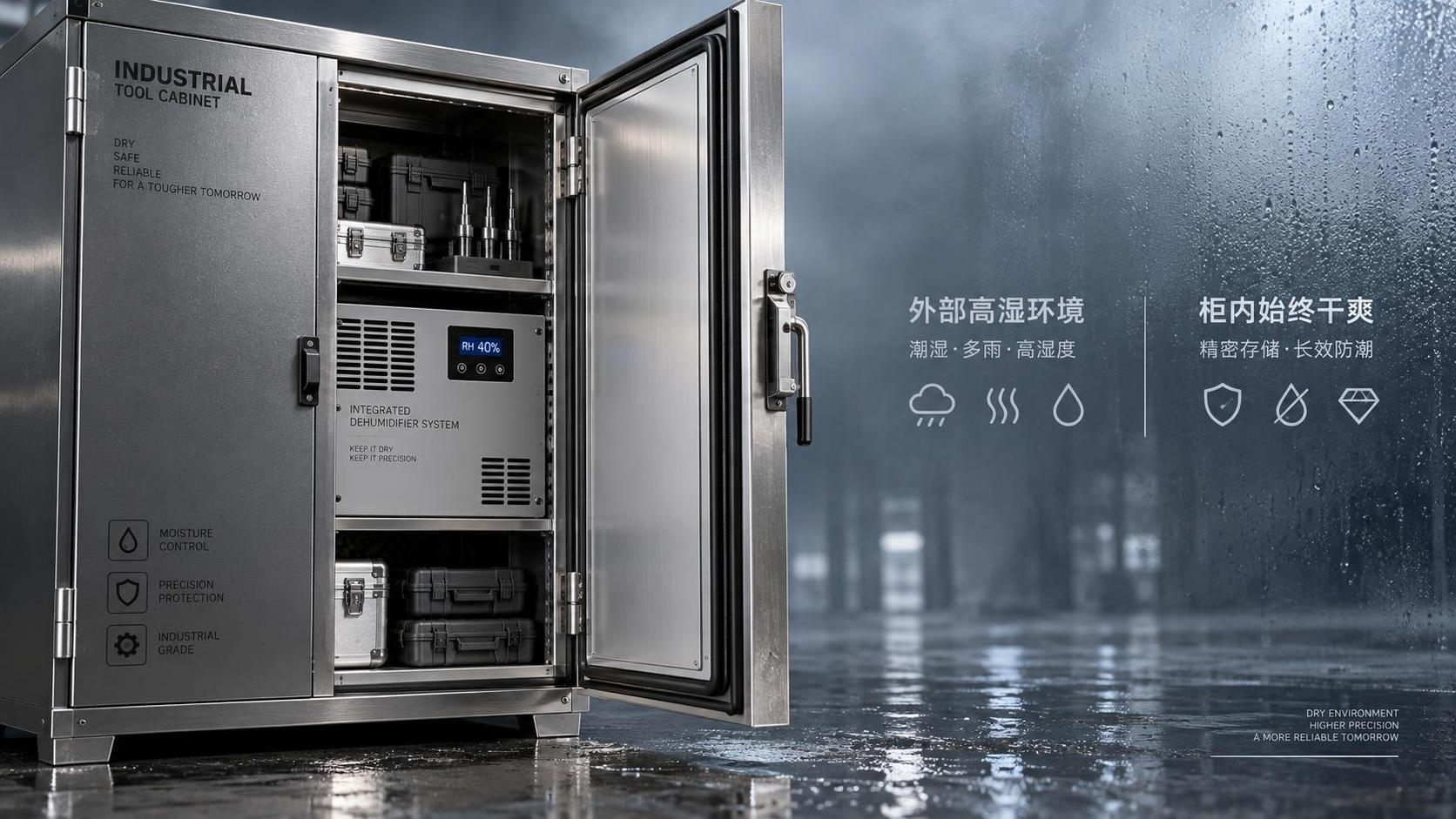
Not every work area needs the same level of enclosure or protection. An indoor electrical room with stable conditions may allow simpler storage formats than an outdoor service yard, a mobile maintenance vehicle, or a coastal site with humidity and airborne contamination. The mistake is assuming that “indoors” automatically means “low risk.” In many facilities, indoor zones still have dust, vibration, frequent handling, and mixed-use traffic.
Ask first where the equipment actually spends its time. Some items are stored centrally but used remotely every day. Others remain near the hazard zone for fast response. If equipment is regularly transported to transmission lines, substations, distribution networks, or temporary maintenance points, the storage system should support movement without turning transport into another source of damage. In that case, portable cases, compartmentalized bins, or rack systems with job-specific grouping may be more useful than fixed cabinets alone.
Humidity is especially important for any storage strategy involving metal components, clamps, connectors, or hardware used in grounding assemblies. While conductivity and mechanical strength are product characteristics, storage still affects long-term condition. If components are stored wet, compressed, or exposed to residue, inspection becomes harder and readiness becomes less certain. A cleaner, drier, better-separated storage environment reduces those avoidable questions.
Think about workflow before you compare materials and dimensions
Some storage decisions fail because they focus too heavily on the unit itself and ignore how people interact with it. Before comparing steel cabinets, polymer cases, or modular racks, trace the path of the equipment during a normal job cycle. Who retrieves it? Who inspects it? Is it signed out, transported, returned, cleaned, tested, and then put back into service? If several people touch the same category of equipment, the storage system should make status and ownership obvious.
In high-risk areas, the best layout often separates equipment into at least three practical states: ready for use, awaiting inspection or testing, and not for use. This does not require a complicated digital system. It does require physical separation that workers can understand immediately. A cabinet with no internal logic may look neat, but it can still allow mix-ups if tested items sit beside suspect ones.
Access speed matters too, but speed should not come at the expense of protection. Open hooks may provide fast access, yet they may be poor for equipment that attracts dust or can be knocked by passing tools. Fully enclosed cabinets offer better protection, but if they are overfilled or badly labeled, crews may still lose time. The right balance depends on whether your main risk is contamination, handling damage, misidentification, or delayed access.
Useful comparison points when evaluating suppliers and designs
When narrowing down options, practical comparison criteria tend to be more helpful than broad claims. Look at whether the storage design supports separation by equipment type, physical protection during routine handling, and easy visual inspection. Check if the internal dimensions match the actual size of the gear, including accessories and labeling tags, rather than just the main item.
It is also worth checking whether the system can adapt as equipment changes. High-risk electrical operations rarely stay static. New PPE categories, different grounding lead configurations, updated rescue tools, or revised inspection routines can make a fixed layout inconvenient very quickly. Modular shelves, adjustable partitions, or removable trays are often easier to live with than highly specific compartments that only fit one setup.
For equipment such as temporary grounding sets with various cable cross-sections, lengths, and clamp configurations, storage should not force crews into improvised bundling. Where these sets are part of live-line maintenance or switchgear work preparation, preserving order matters. A product built with high-conductivity copper conductors, strong clamps, and durable insulation still benefits from storage that prevents twist damage and helps workers confirm the set is complete before heading into the work zone.
If you are evaluating compatibility for standards-based work practices, it is sensible to align storage with the inspection and maintenance expectations of the equipment itself. For instance, where grounding equipment is selected to IEC 61230-related requirements, the storage arrangement should support clean handling, visual access, and reliable segregation, not undermine those controls after purchase.
Signs that your current setup is no longer adequate
You do not always need a full replacement. Sometimes the problem is layout, labeling, or separation. Still, certain signs usually mean the existing arrangement is working against the safety process.
If workers routinely place protective equipment on benches or floors because there is no practical return location nearby, storage access is poorly matched to the task. If inspection records are current but crews still need extra time to confirm readiness, visibility is inadequate. If cable-based equipment is returned in tangled bundles, the storage format is too generic. If clean items and used items regularly overlap, contamination control is weak.
Another warning sign is when storage works only for experienced personnel. A system that depends on tribal knowledge is fragile. New staff, contractors, or relief crews should still be able to identify the right equipment state and retrieval path without guessing. In high-risk areas, clarity is a control measure, not a convenience.
A practical way to make the selection without overcomplicating it
If you are comparing several electrical safety storage solutions, simplify the decision by ranking needs in this order: protection, segregation, visibility, access, and adaptability. Protection comes first because damaged or contaminated equipment should never become the cost of easier storage. Segregation comes next because serviceable and non-serviceable items must never blur together. Visibility matters because inspections and pre-use checks depend on it. Access matters because crews under time pressure will bypass systems that slow them down. Adaptability matters because equipment programs change.
Once those priorities are clear, match them against the actual equipment mix and site conditions. A substation maintenance room may need enclosed protection for some items and open structured access for others. A field crew vehicle may need compact transport-oriented storage with secure internal separation. A central warehouse may need more emphasis on rotation, labeling, and test-status control than immediate grab-and-go access.
The point is not to find the one “best” storage product. It is to choose a storage method that supports the way electrical safety equipment is inspected, moved, protected, and used in real work. When that fit is right, daily handling becomes simpler, pre-job preparation becomes faster, and fewer problems have to be corrected at the last minute.
That is usually the difference between storage that merely holds equipment and storage that actually supports safe operations.
Recommend
 Oct 25, 2026
Homemade Bird Repellent Spray: Recipe Limits and Outdoor Surface Risks
Searching for how to make homemade bird repellent spray? Discover recipe limits, outdoor surface risks, electrical safety tips, and safer deterrents before you spray.
- Oct 25, 2026
Natural Bird Deterrents for Rooftops: Choosing Nonchemical Options
Learn how to repel birds naturally with humane rooftop barriers and smarter maintenance. Compare nonchemical options to protect electrical equipment and keep roof access clear.
- Oct 24, 2026
Home Remedies for Repelling Birds: What to Try on Patios and Railings
Learn how to repel birds with home remedies for cleaner patios and railings. Discover humane DIY options, avoid harmful sprays, and keep deterrents clear of electrical equipment.