English
 Español
 Português
 Français
 Deutsch
 русский
 한국어
한국어 にほんご
にほんご हिन्दी, हिंदी
 বাংলা
বাংলা Bahasa Indonesia
 Türkçe
 Việt
Việt dansk
dansk čeština
 עִבְרִית Ivrit
 Filipino/Pilipino
 български език (Bǎlgarski jazik)
 suomi
suomi norsk
norsk język polski
 ไทย
ไทย ກະຣຸນາ
 Bahasa Melayu
 ភាសាខ្មែរ
 ဗာရမ်
ဗာရမ် اردو
اردو فارسی
فارسی Italiano
 Nederlands
 svenska
 Монгол хэл
 नेपाली
 සිංහල
සිංහල Ўзбек тили
 پښتوتۆرکجه
 Ελληνικά
 српски / srpski
 magyar
 українська
 Kiswahili
 Қазақ тілі
 Română
 Hrvatski
 Bosanski
 Kreyòl ayisyen
 አማርኛ
አማርኛ Hausa
Hausa Yorùbá
 Igbo
IgboHumidity-Controlled Tool Cabinets: Which Specifications Matter for Electrical Tools?
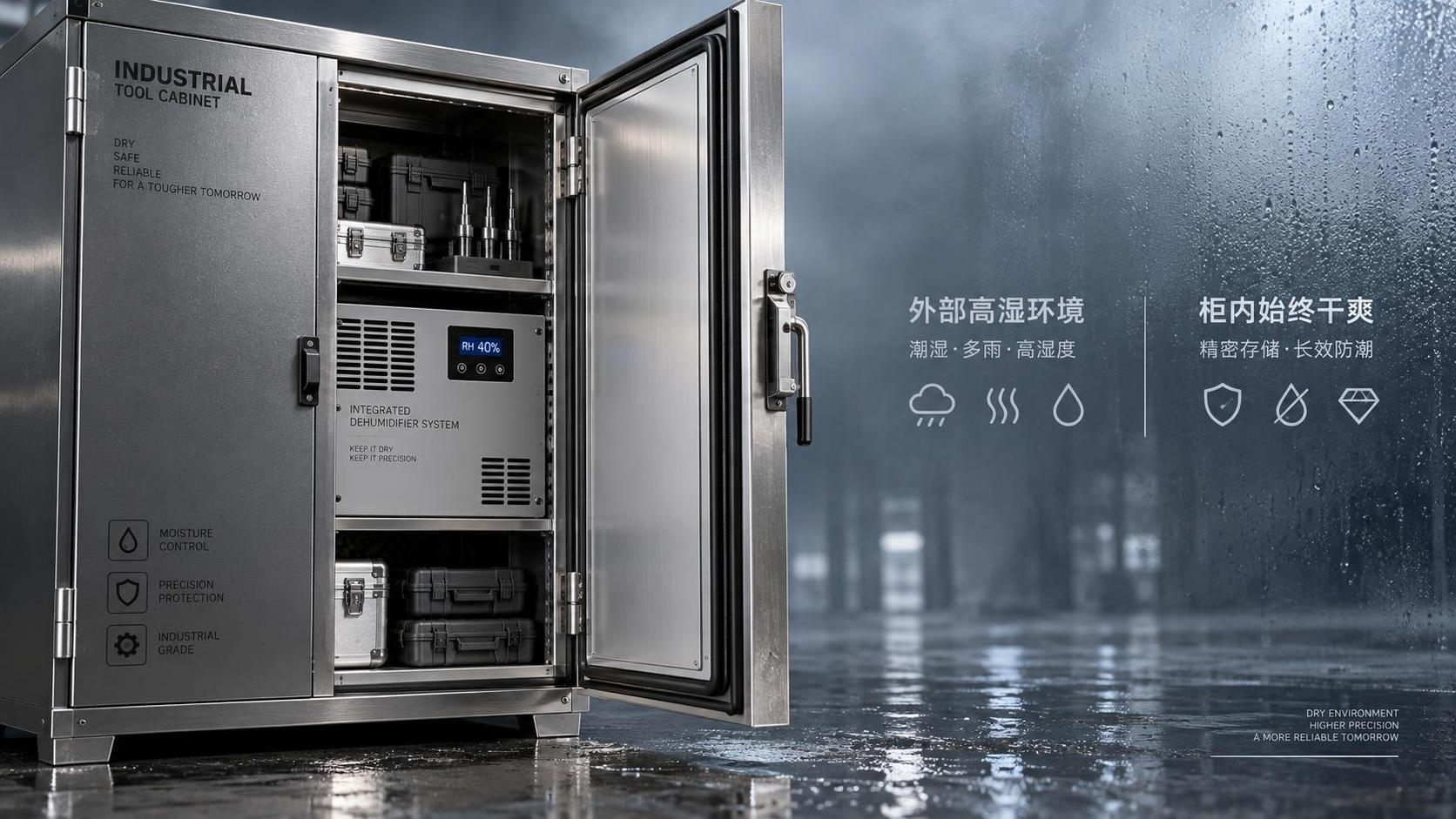
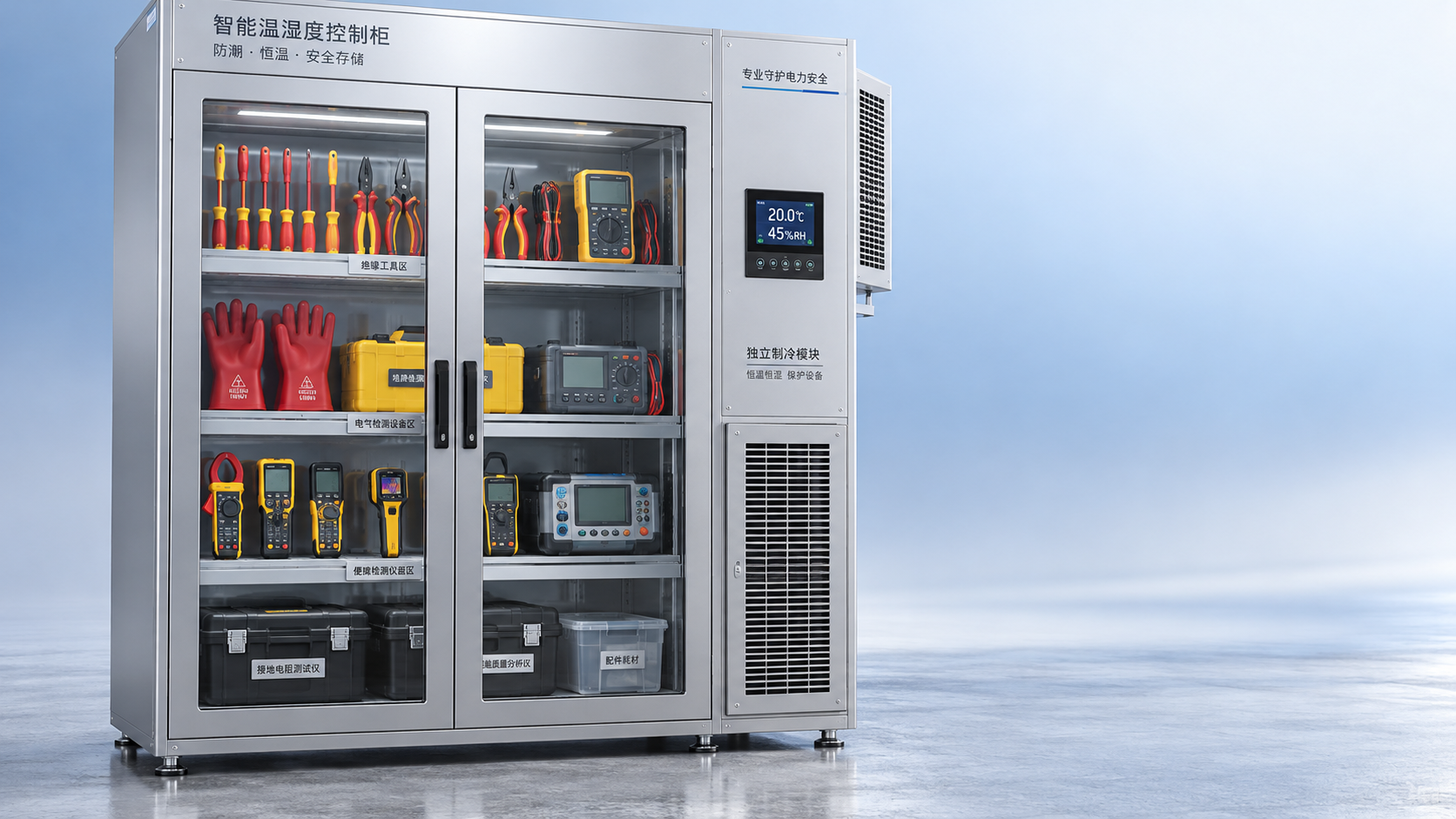
A humidity controlled tool cabinet should be specified around the tools it protects, the room where it will stand, and the evidence your maintenance team needs to show that storage conditions remained suitable. For electrical tools, a cabinet that merely “reduces moisture” is not enough. Procurement should look for controlled performance, usable internal space, clear monitoring, reliable recovery after door openings, and a construction that will tolerate workshop or substation conditions.
The most expensive option is not automatically the right one. A highly precise cabinet can be unnecessary for general metal hand tools, while a basic dry cabinet may be inadequate for insulation-sensitive equipment, electronic test instruments, or grounding sets that are stored for long periods. The practical decision begins by separating items that need a stable low-humidity environment from items that simply need clean, orderly storage.
Start with the electrical tools, not the cabinet brochure
Electrical maintenance stores often hold a mixed inventory: insulated hand tools, portable earthing devices, voltage detectors, test leads, meters, clamps, insulating accessories, and documentation. These items do not respond to moisture in the same way.
Humidity can accelerate corrosion on conductive parts, terminals, fasteners, and spring-loaded clamp mechanisms. It can also contribute to degradation of packaging, labels, foam inserts, and some insulation materials over repeated exposure. For electronic instruments, condensation and damp storage create an additional risk because moisture can affect connectors, batteries, display assemblies, and internal circuits. A cabinet is therefore most useful where tools must remain ready for controlled inspection and immediate deployment.
Build the purchase specification from an inventory list. Record each item’s dimensions, whether it contains electronics or insulation-critical materials, how often it is used, and whether it must be traceable during safety inspections. This prevents a common purchasing error: selecting capacity by external cabinet size, then finding that long grounding leads, clamp assemblies, or protective cases do not fit on the shelves.
Humidity range matters less than control and recovery
Suppliers may emphasize the lowest humidity level their cabinet can reach. That is only one part of the decision. A useful humidity controlled tool cabinet must maintain an appropriate setpoint consistently under the actual load, not merely reach a low reading when nearly empty and unopened.
Ask how the system senses humidity, where the sensor is located, whether the setpoint can be adjusted, and how the cabinet responds after the door has been opened. In a busy maintenance room, frequent access introduces warm, moist air. A cabinet that recovers slowly may spend much of the working day outside its intended condition.
For procurement purposes, focus on these questions:
- Can users set and lock the target humidity appropriate for the stored equipment?
- Is the displayed reading taken from the storage space rather than only from the control compartment?
- Does the supplier state the control tolerance and test conditions?
- How does the unit remove moisture: desiccant regeneration, a dehumidification module, or another method?
- What happens during a power interruption, and how quickly does normal control resume?
A low setpoint is not automatically better. Over-drying can be unsuitable for certain materials, while an unnecessarily strict specification increases equipment cost, energy use, and maintenance demands. Match the target range to the tools’ storage instructions and the facility’s environmental exposure.
Cabinet construction determines whether control remains meaningful
Humidity control is only effective when the enclosure limits uncontrolled air exchange. Door fit, gasket quality, latch pressure, cable penetrations, and panel joints all influence cabinet performance. A cabinet with a capable controller but poorly sealed doors will cycle more often and struggle when ambient humidity rises.
For electrical maintenance locations, assess the enclosure as industrial equipment rather than office furniture. The frame and panels should withstand repeated opening, loaded shelves, and movement of heavy protective equipment. Painted steel is commonly used, but the coating quality and treatment of cut edges, hinges, and hardware deserve attention where the site is damp or corrosive. Stainless construction may be justified in harsher rooms, although it should be selected for the environment rather than assumed to solve every problem.
Door design deserves a close review. Transparent doors make routine visual checks easier, but they must still seal properly and resist impact. Solid doors offer better physical protection and may be preferable where stored items should not be visible. For either style, check that doors open sufficiently for long equipment cases to be removed without striking adjacent cabinets or aisle traffic.
Capacity should include access space and future tool configurations
Nominal litres or external dimensions are weak measures of usable capacity. Shelves, control modules, cable routes, and internal partitions reduce the real storage area. Electrical tools also have awkward shapes: long handles, coiled leads, clamps, molded cases, and temporary grounding equipment rarely stack efficiently.
Request internal width, depth, height, shelf load rating, shelf adjustment increments, and the clear opening size with doors open. A site that stores several configurations of temporary grounding equipment should verify the longest cable assembly and widest clamp arrangement, not just the average kit. Separate storage positions are preferable when clamps and copper conductors could tangle or place strain on insulation sheaths.
For example, a portable grounding set used on transmission lines or switchgear work may include high-conductivity copper cable, robust clamps, and protective insulation. An item such as Protable grounding and short-circuit is selected in different cable cross-sections, lengths, and clamp configurations. The cabinet should accommodate the specific arrangement supplied to the crew, allowing the set to be removed and returned without forcing bends, crushing clamps, or mixing components from different kits.
Monitoring and alarms turn storage into a controllable process
A local humidity display is useful, but it is not sufficient where stored tools are subject to documented inspection programs or are kept at remote substations. Procurement teams should decide whether staff only need a current reading or need a record of conditions over time.
Data logging can show whether humidity remained controlled overnight, during seasonal changes, or after a facility outage. Remote alarms can be valuable when the cabinet is located in an unattended store, but only if the alarm reaches a responsible person and there is a defined response. An alarm without ownership becomes another ignored indicator.
Useful alarm functions include high-humidity alerts, sensor faults, door-open alerts, and power-loss indication. Ask whether thresholds are configurable and whether the system can distinguish a brief door-opening event from a persistent failure. Also check the calibration approach for the humidity sensor. A display that looks precise but drifts over time does not support a reliable storage decision.
Do not confuse humidity control with electrical safety certification
A controlled cabinet protects storage conditions; it does not make an electrical tool compliant, inspected, or fit for service. Insulated tools, voltage detectors, grounding devices, and protective equipment still require their own inspection, cleaning, testing, identification, and replacement controls.
This distinction matters when writing a tender specification. Avoid broad statements such as “cabinet ensures electrical safety.” Instead, require the cabinet to support the organization’s tool-control process: protected storage, clear labeling, traceable locations, secure access, and condition monitoring where needed.
For temporary grounding equipment, storage should also support inspection of cable sheaths, conductor terminations, clamp contact surfaces, and mechanical parts before use. Humidity control reduces one source of deterioration, but it cannot correct damage caused by excessive mechanical force, contamination, poor handling, or inappropriate configuration for the equipment being grounded.
Power, heat, and installation conditions are often missed
The cabinet’s installation environment can change the correct specification. Confirm the available supply voltage, plug and outlet arrangement, grounding requirements for the cabinet itself, heat dissipation, and ventilation clearance. A moisture-control unit releases heat during operation; placing it tightly between other cabinets or against a wall may reduce efficiency and complicate service access.
Ambient conditions also matter. A cabinet intended for a clean, climate-controlled instrument room may not be suitable for an outdoor-adjacent workshop, a dusty maintenance bay, or a site with frequent temperature swings. If the room can become very humid after shutdown periods, request performance information based on comparable ambient conditions and expected door-opening frequency.
Security should be proportionate to the equipment. Lockable access is sensible for controlled electrical safety inventory, but locks should not prevent authorized crews from reaching equipment during planned work. In shared stores, consider whether individual compartments, key management, or electronic access records are needed. These are inventory-control choices, not substitutes for humidity performance.
Write the specification as an acceptance checklist
A vague request for a “dry storage cabinet” produces incomparable quotations. Define the stored equipment, internal layout, target control conditions, monitoring requirement, installation constraints, and acceptance evidence before comparing suppliers. This also exposes hidden cost differences, such as replacement consumables, sensor calibration, spare parts, filter maintenance, and service access.
- List the tools and protective equipment by size, quantity, weight, and sensitivity to moisture.
- Set the required storage condition and identify the expected ambient temperature and humidity.
- Define usable internal dimensions, shelf configuration, loading, and space for inspection labels.
- Choose the required level of local display, logging, alarms, and access control.
- Specify enclosure durability, door sealing, power arrangement, and installation clearances.
- Ask bidders to state operating limits, maintenance tasks, warranty scope, and acceptance test method.
JINPOWER’s focus on electrical protective tools for substations, utilities, renewable projects, and industrial maintenance makes this storage-first approach especially relevant: the cabinet should be evaluated as part of a wider readiness system, alongside the correct grounding, inspection, identification, and deployment practices. When the requirement is written around those real workflows, procurement can compare cabinets on performance that matters rather than on headline capacity or an isolated humidity figure.
Recommend
 Oct 25, 2026
Homemade Bird Repellent Spray: Recipe Limits and Outdoor Surface Risks
Searching for how to make homemade bird repellent spray? Discover recipe limits, outdoor surface risks, electrical safety tips, and safer deterrents before you spray.
- Oct 25, 2026
Natural Bird Deterrents for Rooftops: Choosing Nonchemical Options
Learn how to repel birds naturally with humane rooftop barriers and smarter maintenance. Compare nonchemical options to protect electrical equipment and keep roof access clear.
- Oct 24, 2026
Home Remedies for Repelling Birds: What to Try on Patios and Railings
Learn how to repel birds with home remedies for cleaner patios and railings. Discover humane DIY options, avoid harmful sprays, and keep deterrents clear of electrical equipment.