English
 Español
 Português
 Français
 Deutsch
 русский
 한국어
한국어 にほんご
にほんご हिन्दी, हिंदी
 বাংলা
বাংলা Bahasa Indonesia
 Türkçe
 Việt
Việt dansk
dansk čeština
 עִבְרִית Ivrit
 Filipino/Pilipino
 български език (Bǎlgarski jazik)
 suomi
suomi norsk
norsk język polski
 ไทย
ไทย ກະຣຸນາ
 Bahasa Melayu
 ភាសាខ្មែរ
 ဗာရမ်
ဗာရမ် اردو
اردو فارسی
فارسی Italiano
 Nederlands
 svenska
 Монгол хэл
 नेपाली
 සිංහල
සිංහල Ўзбек тили
 پښتوتۆرکجه
 Ελληνικά
 српски / srpski
 magyar
 українська
 Kiswahili
 Қазақ тілі
 Română
 Hrvatski
 Bosanski
 Kreyòl ayisyen
 አማርኛ
አማርኛ Hausa
Hausa Yorùbá
 Igbo
IgboUtility Safety Solutions for Crews Working in High-Exposure Areas
Utility Safety Solutions for Crews Working in High-Exposure Areas
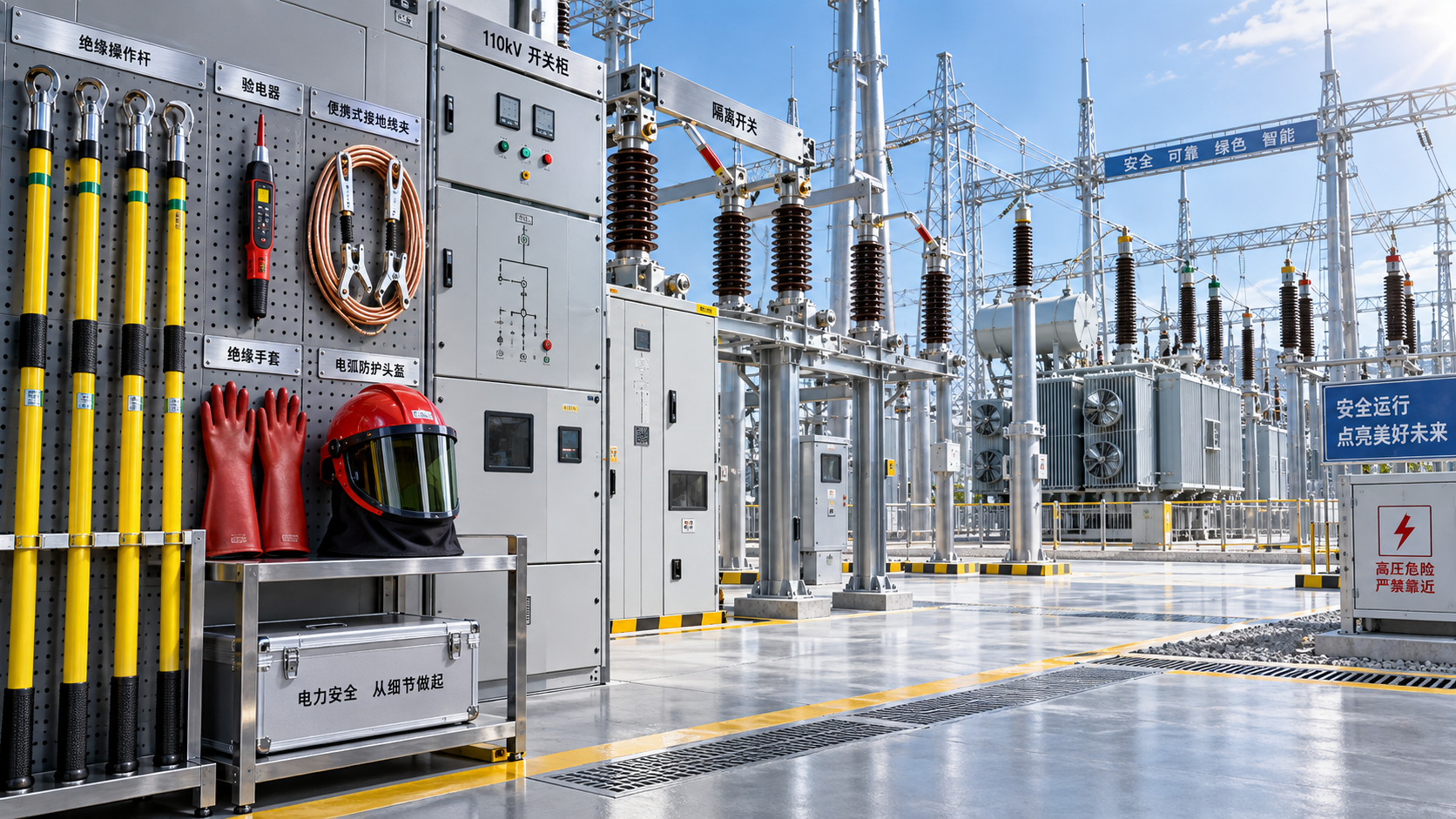
When crews are assigned to substations, utility corridors, wind and solar sites, or industrial electrical maintenance zones, the safety conversation changes fast. These are not low-consequence environments where a generic PPE checklist is enough. A missed grounding step, an unsuitable pair of boots, or a tool that performs well in storage but poorly in wet outdoor conditions can turn a routine task into an incident. That is why utility safety solutions matter most in places where electrical exposure, environmental stress, and schedule pressure all overlap.
For project managers and engineering leads, the challenge is rarely just “buy protective equipment.” The real job is matching protective tools to task type, voltage exposure, site conditions, maintenance frequency, and local compliance expectations. Good decisions reduce downtime and make crews more willing to follow procedures. Poor decisions often show up later as replacement issues, field complaints, or unsafe workarounds.
In practice, the best utility safety solutions are built around the way crews actually work: moving between energized and de-energized zones, climbing in changing weather, handling emergency repairs at odd hours, and operating across multiple contractor teams. Protection has to be technically sound, but it also has to hold up in the field.
Why high-exposure sites need a different safety approach
High-exposure areas create layered risk. Electrical hazard is the obvious one, but it is rarely the only one. Step voltage around faulted equipment, slippery ground near outdoor switchyards, uneven surfaces in renewable energy sites, and rushed access during emergency maintenance all affect how protective equipment performs. A solution that looks acceptable on paper may be inadequate once mud, heat, moisture, and repetitive use are involved.
This is where project teams often benefit from treating safety equipment as part of the work system rather than as a purchasing line item. For example, insulated tools, grounding devices, arc-rated gear, and dielectric footwear should not be selected independently if they are going to be used in the same job package. Compatibility matters. So does training. If one item requires a maintenance routine or inspection method that the crew does not realistically follow, then the protection chain already has a weak point.
Managers who oversee multiple sites also run into another issue: site conditions are not consistent. A substation expansion project, a live line maintenance task, and an emergency repair on a storm-damaged feeder may all sit under the same procurement category, but the protection profile is not the same. Utility safety solutions work better when they are specified by exposure scenario, not just by product type.
What practical safety planning looks like on real projects
A useful planning method starts with the task, not the catalog. Before selecting equipment, it helps to ask a few uncomfortable questions: Will the crew be near energized equipment or only in adjacent zones? Is the ground condition stable, wet, conductive, or debris-covered? Will workers need to move quickly between work points? Are they performing scheduled maintenance, installation, or unplanned intervention?
Those questions often shape the selection more than brand preference does. In live electrical work or substation maintenance, for instance, footwear is not a small accessory decision. It affects traction, fatigue, movement confidence, and the worker’s margin of protection against electrical hazards near energized equipment. Rubber insulating footwear is commonly evaluated not only for insulation performance but also for whether it remains practical in outdoor use over long shifts.
One reason experienced teams standardize certain categories of protective equipment is consistency in inspection and replacement. If every contractor brings a different interpretation of acceptable gear, site enforcement gets messy. Standardized specifications, tied to recognized standards where applicable, usually make field supervision easier and reduce argument at the start of the shift.
The equipment categories that deserve closer attention
Not every protective item deserves the same level of scrutiny. Some categories carry more operational consequence because failure is harder to see before use. Footwear is one of them. In high-voltage environments or emergency maintenance operations, crews may be exposed to step voltage and electric shock risks while also dealing with mud, water, steel gratings, or damaged surfaces. That combination makes durability and slip resistance more than comfort features.
A practical example is Lnsulating boots, which are used in scenarios such as live electrical work, substation maintenance, electrical installation and repair, and other high-exposure tasks. When specified correctly, rubber insulating boots are intended to provide insulation against electrical hazards when working near energized equipment while also supporting traction in outdoor environments. The details still need to match the task and local rules, but standards references such as ASTM F1117, ASTM F2413, and relevant IEC standards give project teams a more reliable basis for evaluation than a generic “electrical safety boot” label.
The same logic applies across the wider safety system. Insulating mats, hot sticks, voltage detectors, grounding assemblies, barriers, and lockout devices should be reviewed for field condition suitability, not just nominal function. Outdoor ultraviolet exposure, contamination, repeated transport, and storage conditions all affect long-term reliability. Equipment that is technically compliant but operationally fragile can create its own safety management burden.
Where many projects go wrong
A common mistake is over-focusing on unit cost and underestimating lifecycle use. Lower-priced safety gear may look attractive during procurement, but if replacement cycles are short, inspection failures are frequent, or workers reject the equipment because it is difficult to use, the total cost increases quietly. The budget impact usually appears later through delays, duplicate orders, or site-specific exceptions.
Another issue is assuming all certified equipment is equally suitable. Certification matters, but it does not replace application judgment. Two products may both reference recognized standards, yet differ significantly in ergonomics, material thickness, grip behavior, or tolerance for rough field handling. Managers who have been through outage work or renewable site commissioning know that these details are not theoretical. They affect whether crews actually keep the equipment on and use it correctly.
There is also the training gap. Even well-selected equipment underperforms when teams do not know inspection limits, contamination risks, storage rules, or retirement criteria. This is especially true for electrical protective tools, where damage is not always obvious from a quick visual check. A good solution package usually includes documentation clarity, replacement planning, and support for field-level understanding.
What project leaders should look for in a supplier partner
In this sector, supplier capability matters almost as much as the product itself. Electrical safety equipment is not a category where inconsistent manufacturing or vague technical support is easy to absorb. Project teams usually need a supplier that understands both standards and field realities: storage conditions, cross-border documentation needs, replacement schedules, and the difference between a utility warehouse requirement and a contractor’s urgent site order.
That is one reason specialized manufacturers tend to stand out. Hebei Jinneng Power Technology Co., Ltd., founded in 2009, has focused specifically on electrical protective tools for the power industry for more than 17 years. That kind of specialization matters because utility safety solutions are not generic industrial products. They have to perform in substations, utilities, renewable energy projects, and industrial maintenance settings where reliability under demanding conditions is expected, not optional.
An integrated approach across R&D, manufacturing, quality control, and customer service is also worth paying attention to. For buyers managing multiple projects or international distribution, consistent product performance and long-term durability are often more useful than a broad but loosely managed product range. The fact that JINPOWER products are used by more than 40,000 customers in over 100 countries and regions does not replace technical evaluation, but it does suggest a level of operational maturity that many procurement teams value when continuity matters.
Building a safety solution that crews will actually use
The most effective utility safety solutions are usually the ones crews do not have to fight with. If protective footwear is too stiff for long maintenance walks, if insulated tools are awkward in confined spaces, or if inspection rules are unclear, adoption drops. Compliance on paper can still look acceptable for a while, but field behavior tells the truth.
A more durable approach is to involve supervisors, safety personnel, and at least a few experienced technicians when defining specifications. They will usually spot things a purchasing-only process misses: whether outsole grip is adequate for wet switchyard surfaces, whether boot height interferes with movement, whether storage methods on site will shorten service life, or whether the crew can realistically inspect the gear at the start of every shift.
It also helps to separate “minimum compliant” from “fit for this project.” Those are not always the same. A product can satisfy a standard reference and still be the wrong choice for a site with heavy outdoor exposure, frequent mobilization, or emergency response demands. Where electrical hazard is paired with environmental stress, that distinction becomes very practical.
A workable standard for decision-making
If you are reviewing safety planning for crews in high-exposure areas, a useful benchmark is simple: can the equipment selection be defended by task conditions, recognized standards, and realistic field use? If the answer depends mostly on price or habit, the solution probably needs another look.
That does not mean every project requires the most complex specification. It means the selection process should be honest about risk. In utility and electrical work, the better question is often not “What is the cheapest acceptable option?” but “What will still be dependable after repeated use in the actual environment?” For crews working close to energized assets, in bad weather, or under outage pressure, that is usually the question that matters.
When utility safety solutions are chosen with that level of discipline, they do more than satisfy a checklist. They support safer movement, clearer procedures, fewer field compromises, and a worksite where people can focus on the job instead of worrying whether their protection is the weak link.
Recommend
 Oct 25, 2026
Homemade Bird Repellent Spray: Recipe Limits and Outdoor Surface Risks
Searching for how to make homemade bird repellent spray? Discover recipe limits, outdoor surface risks, electrical safety tips, and safer deterrents before you spray.
- Oct 25, 2026
Natural Bird Deterrents for Rooftops: Choosing Nonchemical Options
Learn how to repel birds naturally with humane rooftop barriers and smarter maintenance. Compare nonchemical options to protect electrical equipment and keep roof access clear.
- Oct 24, 2026
Home Remedies for Repelling Birds: What to Try on Patios and Railings
Learn how to repel birds with home remedies for cleaner patios and railings. Discover humane DIY options, avoid harmful sprays, and keep deterrents clear of electrical equipment.