English
 Español
 Português
 Français
 Deutsch
 русский
 한국어
한국어 にほんご
にほんご हिन्दी, हिंदी
 বাংলা
বাংলা Bahasa Indonesia
 Türkçe
 Việt
Việt dansk
dansk čeština
 עִבְרִית Ivrit
 Filipino/Pilipino
 български език (Bǎlgarski jazik)
 suomi
suomi norsk
norsk język polski
 ไทย
ไทย ກະຣຸນາ
 Bahasa Melayu
 ភាសាខ្មែរ
 ဗာရမ်
ဗာရမ် اردو
اردو فارسی
فارسی Italiano
 Nederlands
 svenska
 Монгол хэл
 नेपाली
 සිංහල
සිංහල Ўзбек тили
 پښتوتۆرکجه
 Ελληνικά
 српски / srpski
 magyar
 українська
 Kiswahili
 Қазақ тілі
 Română
 Hrvatski
 Bosanski
 Kreyòl ayisyen
 አማርኛ
አማርኛ Hausa
Hausa Yorùbá
 Igbo
IgboWhat Storage Solution Works Best for Utility Maintenance Teams?
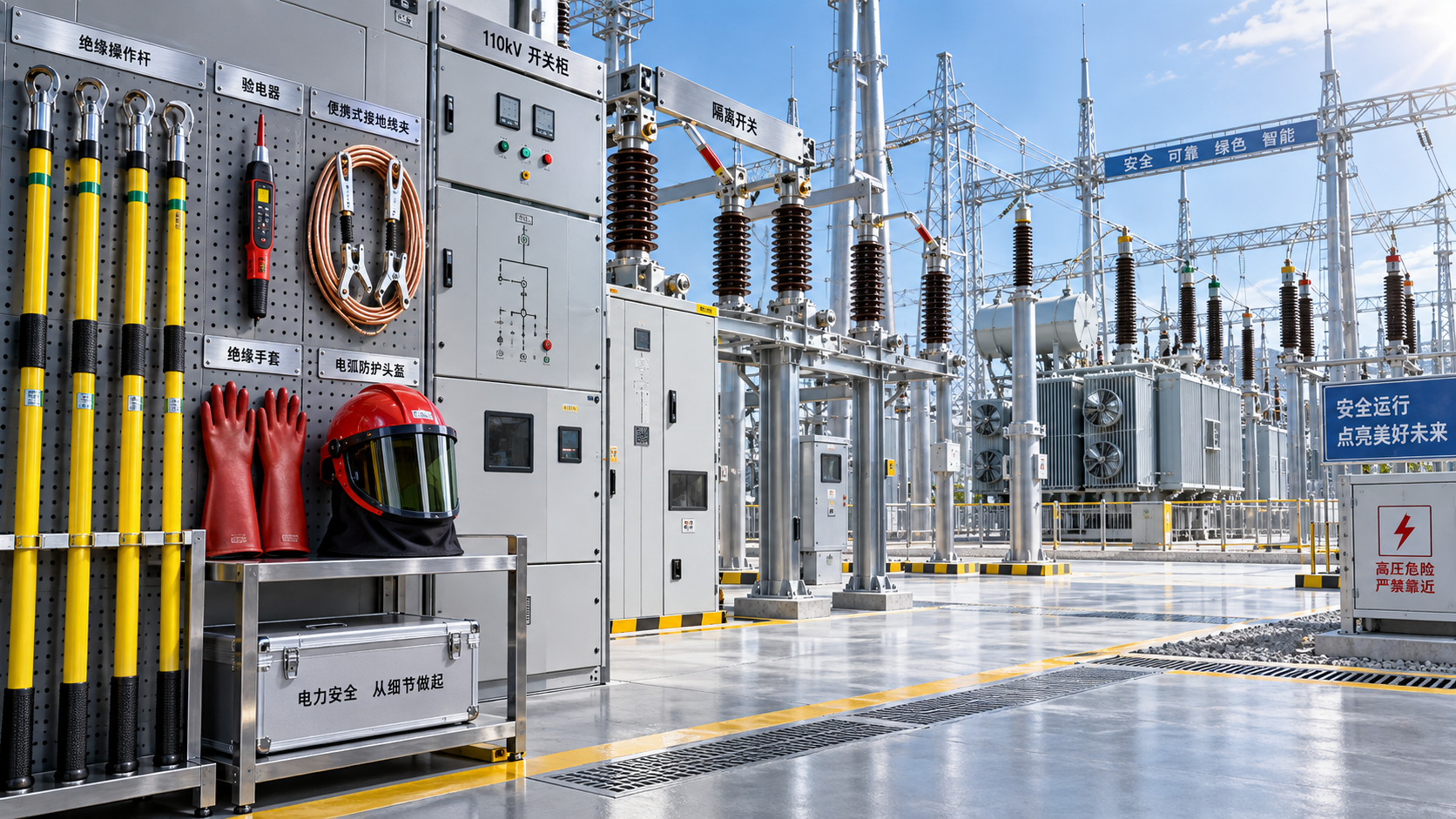
The best storage solution for utility maintenance teams is usually a layered system rather than one container type. Insulated hand tools, voltage detectors, grounding assemblies, rubber gloves, sleeves, arc-rated accessories, rescue equipment, and small replacement parts do not age in the same way, and they should not be stored under the same conditions. A practical setup often combines rigid lockable cabinets for controlled indoor storage, sealed transport cases for field deployment, and compartmented bins or drawers for frequently used consumables and hardware. When the work includes live-line preparation or substation maintenance, the storage system needs to protect both the equipment and its insulation properties, not just keep items tidy.
For electrical safety storage solutions for utility maintenance teams, the first question is usually environmental exposure. If equipment stays in a warehouse with stable temperature and low dust, powder-coated steel cabinets with adjustable shelves and dedicated hanging racks may be enough for many categories of gear. If the same equipment is moved daily between service vehicles, substations, and outdoor work zones, impact resistance, water sealing, latch durability, and internal cushioning become much more important. A storage layout that performs well indoors can still shorten tool life if it allows insulated tools to rub against metal edges, lets rubber goods remain compressed for long periods, or traps moisture after rain-site use.
Storage needs differ by equipment type
Rubber insulating gloves and sleeves require a different approach from fiberglass hot sticks or insulated socket sets. Gloves should generally be kept clean, dry, and protected from folding, crushing, sharp objects, oils, solvents, and direct sunlight. In practice, many teams use glove bags, rigid glove boxes, or dedicated shelving with shaped supports so the cuffs and fingers are not distorted during storage. Throwing gloves into a general tool chest can create hidden damage long before any visible cut appears. Sleeves also need support so they are not creased under other equipment.
Hot sticks, link sticks, and other elongated insulated tools usually need vertical racks or horizontal supports spaced to prevent sagging and surface abrasion. If long tools lean against a wall or ride loose in a truck body, the outer surface can pick up scratches, embedded grit, or impact marks that later complicate inspection and cleaning. Racks lined with non-abrasive contact material are commonly preferred over bare steel supports. The rack geometry matters as much as the cabinet material because concentrated pressure at one point can mark the tool finish.
Grounding sets and bonding cables present another storage challenge. They are heavier, often irregular in shape, and may return from the field wet or contaminated with mud, metallic dust, or grease. They should not be packed immediately into airtight compartments if moisture remains on clamps, ferrules, or cable insulation. A better arrangement may include a drying area or ventilated holding section before the equipment is returned to sealed storage. Otherwise, corrosion can start around connection points, and mold or odor can develop in textile carrying bags.
Test instruments, detectors, and portable meters benefit from fitted cases with cut foam or molded internal supports, especially where calibration integrity or probe protection matters. Loose packing with hand tools may damage selector knobs, displays, probe tips, or battery compartments even when the instrument housing looks intact from the outside.
Rigid cabinets, mobile cases, and vehicle drawers each solve a different problem
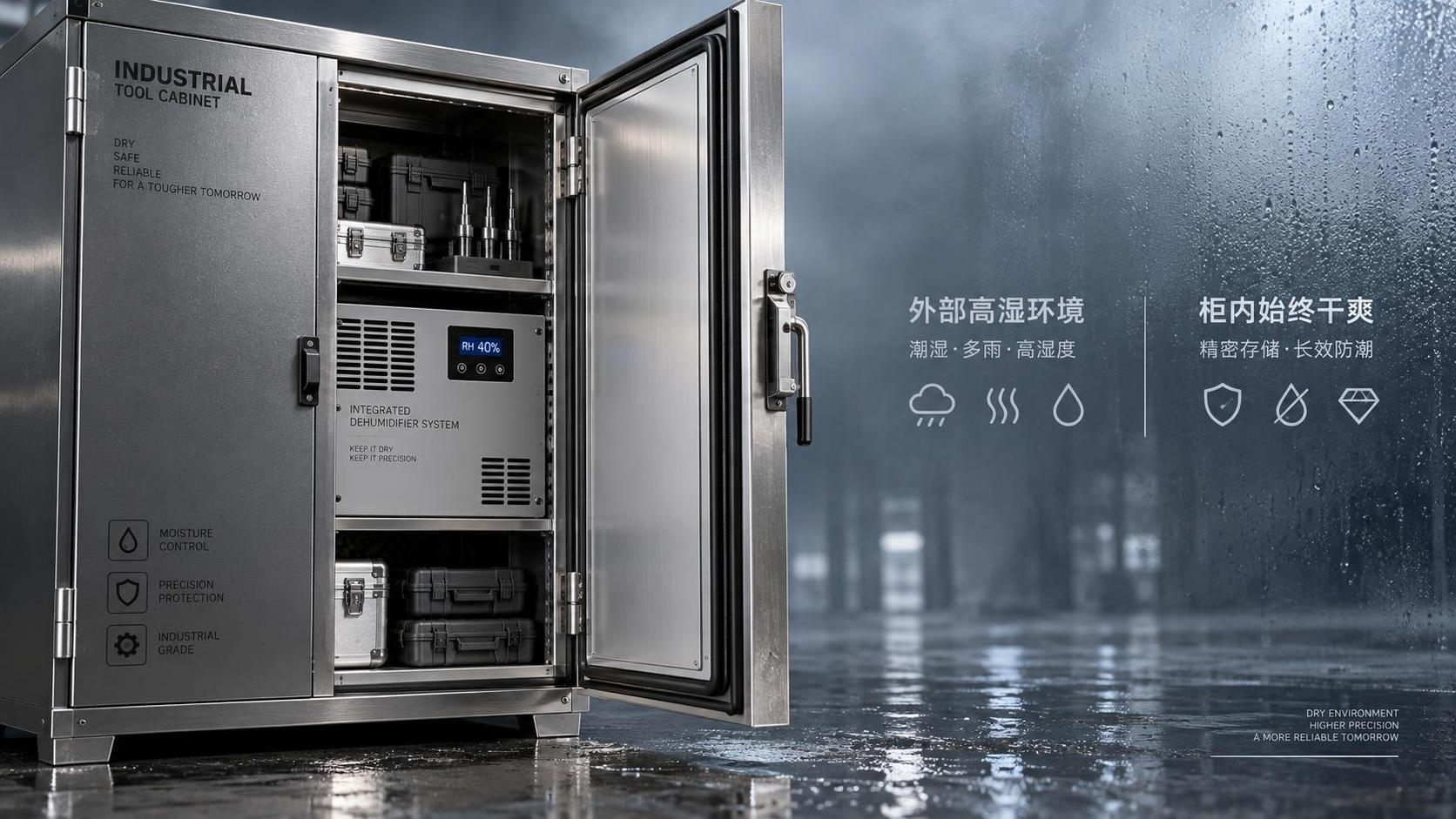
Rigid cabinets are often the best central storage choice when equipment must remain organized by inspection status, voltage class, or work category. Steel cabinets can offer good structural strength and security, while high-density polymer cabinets may resist corrosion better in damp coastal or chemically aggressive environments. Inside the cabinet, smooth shelf edges, hanging brackets, labeled dividers, and pull-out trays can reduce handling damage. Ventilated sections may suit items that need airflow after cleaning, but dust-sensitive equipment may need enclosed compartments instead.
Portable hard cases are more effective when tools must travel repeatedly. Cases made from impact-resistant polymers with gasketed lids can protect sensitive electrical safety items during vehicle transport and outdoor staging. The specification that matters is not only external toughness but also how the interior restrains movement. A rugged case without proper internal organization can still allow insulated handles, probes, or connectors to collide during transport. Foam inserts are useful, but they should not hold moisture against equipment after use in wet conditions. In some situations, removable trays or modular padded dividers are easier to dry and maintain than permanently glued foam.
Vehicle drawer systems work well for fast deployment, but they are not automatically suitable for every electrical protective item. Metal drawers without liners can create abrasion points. Drawers mounted near truck floors may also collect vibration, dirt, and residual moisture from boots and tools. For that reason, teams often reserve vehicle drawers for mechanical tools, connectors, tagging materials, and spare hardware, while keeping insulating gear in separate protected containers mounted above the floor or in dedicated lockers.
Material choice affects equipment life
Storage products in the electrical equipment and supplies field are often selected on strength alone, but surface compatibility is equally important. Powder-coated steel offers durability, though damaged coating can expose sharp edges or rust spots if the unit sees hard use. Stainless steel may be suitable where washdown or corrosion resistance matters, but it adds weight and cost. Polypropylene and polyethylene cases resist many chemicals and do not rust, yet the hinge design, latch construction, and wall thickness still determine how well the case performs under repeated loading.
Interior materials deserve close attention. Open-cell foam can hold water if a case is closed before the contents are dry. Some adhesives used in low-grade liners may age poorly in heat and contaminate surfaces. Hard plastic dividers can be acceptable for metal tools but may be too abrasive for polished insulated surfaces unless they include soft edge protection. Textile organizers are convenient, though they can trap fine conductive dust if cleaning is irregular. In dusty switchyard conditions, a smooth wipe-clean interior is often easier to maintain than stitched fabric compartments.
Ultraviolet exposure is another point that gets missed. If storage boxes are kept on open truck beds or in areas with direct sunlight, plastics and elastomers may degrade faster than expected. A weatherproof case is not necessarily UV-stable over long service periods. The same issue applies to transparent lids. They improve visibility, but they may expose rubber protective goods to light unless an inner cover or pouch is used.
Organization should follow inspection workflow
The most workable arrangement usually separates equipment by condition rather than by size alone. Items waiting for inspection, items cleared for service, and items removed from service should not drift into the same shelf or case. In electrical safety work, a storage mistake can become an operational mistake. A tool that looks clean may still be overdue for test, or a glove bag may hold a pair with unresolved damage. Physical separation inside the storage area reduces that risk better than labels alone.
Some teams use color coding on bins, shelf markers, or case tags, but the coding needs to match actual field workflow. If the scheme becomes too detailed, it gets ignored. A simple distinction between ready, pending, and quarantined equipment is often easier to maintain than a long matrix of categories. For small components such as fuses, connectors, split bolts, and attachment hardware, shallow drawers with fixed dividers usually reduce search time and mixing. Deep bins tend to hide old stock and increase the chance that incompatible parts end up together.
Long-item storage also benefits from labeling by length, rating, or application. Without that, workers may pull out multiple hot sticks or grounding leads before finding the right one, which increases unnecessary handling. Repeated handling itself contributes to wear, especially when tools are moved through narrow spaces or around cabinet hardware.
Transport conditions often decide which solution works best
If maintenance routes involve rough roads, repeated loading by hand, or lifting cases up ladders and onto platforms, the storage solution has to balance protection with manageable weight. Oversized heavy-duty cases can look robust in a catalog but become awkward in daily use, encouraging shortcuts such as leaving lids unlatched or stacking items outside the case. Smaller cases organized by task can reduce that problem. One case may hold testing equipment, another grounding accessories, and another insulated hand tools. This also limits the consequences if one case is dropped or contaminated.
Ingress protection matters when storage is exposed to rain, wash spray, or airborne dust, but sealing everything tightly is not always the answer. Equipment that comes back damp needs a drying process before re-packing. Otherwise, sealed protection on the outside creates a moisture problem inside. In humid climates, desiccant packs, drainable trays, or ventilated staging shelves may be more useful than simply choosing the tightest-sealing box available.
Shock and vibration during transport can loosen small fasteners, affect electronic instruments, and mark insulation surfaces. Internal retention straps, formed recesses, and anti-slip liners are often more effective than extra empty volume inside a large case. Empty space tends to become impact space.
Common selection errors
- Choosing one universal box for all equipment. This usually leads to cross-contamination, overpacking, and hidden damage.
- Focusing on external dimensions while ignoring the shape of the contents. Long insulated tools, glove bags, and grounding clamps do not stack efficiently in standard rectangular compartments.
- Storing cleaned and uncleaned equipment together. Dust, metal particles, and moisture migrate easily inside mixed storage.
- Assuming a waterproof case solves field exposure by itself. If the contents are damp when packed, the sealed environment may make storage worse.
- Using bare hooks, unfinished wood, or rough metal contact points for protective equipment. Surface damage can start small and stay unnoticed until inspection.
- Buying based only on warehouse conditions even though the equipment spends much of its life in vehicles or outdoor staging areas.
Installation details matter more than they seem
A cabinet mounted in the wrong location can undermine an otherwise good storage plan. Electrical protective gear should generally stay away from direct heat sources, steam lines, welding areas, battery charging fumes, and zones where solvents or oils are handled. Even if the cabinet doors remain shut, airborne contaminants and temperature swings can affect stored items over time. Floor anchoring may be necessary for tall cabinets holding long tools, especially where seismic movement, fork truck traffic, or heavy drawer extension is possible.
Shelf spacing should reflect actual tool geometry. If shelves are too low, gloves and sleeves get compressed. If they are too deep, smaller pouches and test leads disappear at the back. Adjustable interiors usually outperform fixed layouts because maintenance inventories change as work scopes shift. Door hardware should also be examined carefully. Protruding latch parts or sharp internal fasteners can catch bags, sleeves, or insulating surfaces during loading.
Where washdown cleaning is common, raised cabinet bases or sloped-bottom mobile cases can help keep standing water away from stored contents. In coastal or high-humidity sites, corrosion-resistant hinges and fasteners may be worth prioritizing over cosmetic finish.
FAQ
Are soft bags suitable for electrical safety equipment?
They can be suitable for light transport of selected items, but they usually provide less impact protection and less shape control than rigid cases. For rubber goods or delicate test instruments, soft bags should be used carefully and only where crushing and contamination are unlikely.
Should insulated tools be stored vertically or horizontally?
Either can work if the tool is supported properly and the contact surfaces are non-abrasive. The better option depends on tool length, available space, and whether the rack prevents bending, rubbing, and accidental impact.
Is metal storage acceptable for insulated equipment?
Yes, if the interior is finished smoothly and the equipment does not contact sharp, rough, or rusted surfaces. The cabinet structure is less important than the way the inside supports and separates the tools.
Can field cases double as long-term storage?
Sometimes, but only if the equipment is cleaned and fully dry before being packed, and the case interior does not trap harmful moisture or deform the contents during long periods of closure.
In practice, the storage solution that works best is the one that matches the actual mix of protective gear, transport frequency, contamination level, and inspection routine. For utility maintenance work, that usually means fixed indoor storage for control and segregation, plus dedicated mobile protection for whatever must travel. When storage supports the condition of the equipment instead of merely containing it, the entire maintenance process becomes more reliable.
Recommend
 Oct 25, 2026
Homemade Bird Repellent Spray: Recipe Limits and Outdoor Surface Risks
Searching for how to make homemade bird repellent spray? Discover recipe limits, outdoor surface risks, electrical safety tips, and safer deterrents before you spray.
- Oct 25, 2026
Natural Bird Deterrents for Rooftops: Choosing Nonchemical Options
Learn how to repel birds naturally with humane rooftop barriers and smarter maintenance. Compare nonchemical options to protect electrical equipment and keep roof access clear.
- Oct 24, 2026
Home Remedies for Repelling Birds: What to Try on Patios and Railings
Learn how to repel birds with home remedies for cleaner patios and railings. Discover humane DIY options, avoid harmful sprays, and keep deterrents clear of electrical equipment.