English
 Español
 Português
 Français
 Deutsch
 русский
 한국어
한국어 にほんご
にほんご हिन्दी, हिंदी
 বাংলা
বাংলা Bahasa Indonesia
 Türkçe
 Việt
Việt dansk
dansk čeština
 עִבְרִית Ivrit
 Filipino/Pilipino
 български език (Bǎlgarski jazik)
 suomi
suomi norsk
norsk język polski
 ไทย
ไทย ກະຣຸນາ
 Bahasa Melayu
 ភាសាខ្មែរ
 ဗာရမ်
ဗာရမ် اردو
اردو فارسی
فارسی Italiano
 Nederlands
 svenska
 Монгол хэл
 नेपाली
 සිංහල
සිංහල Ўзбек тили
 پښتوتۆرکجه
 Ελληνικά
 српски / srpski
 magyar
 українська
 Kiswahili
 Қазақ тілі
 Română
 Hrvatski
 Bosanski
 Kreyòl ayisyen
 አማርኛ
አማርኛ Hausa
Hausa Yorùbá
 Igbo
IgboWhat functions matter most in an intelligent safety tool cabinet
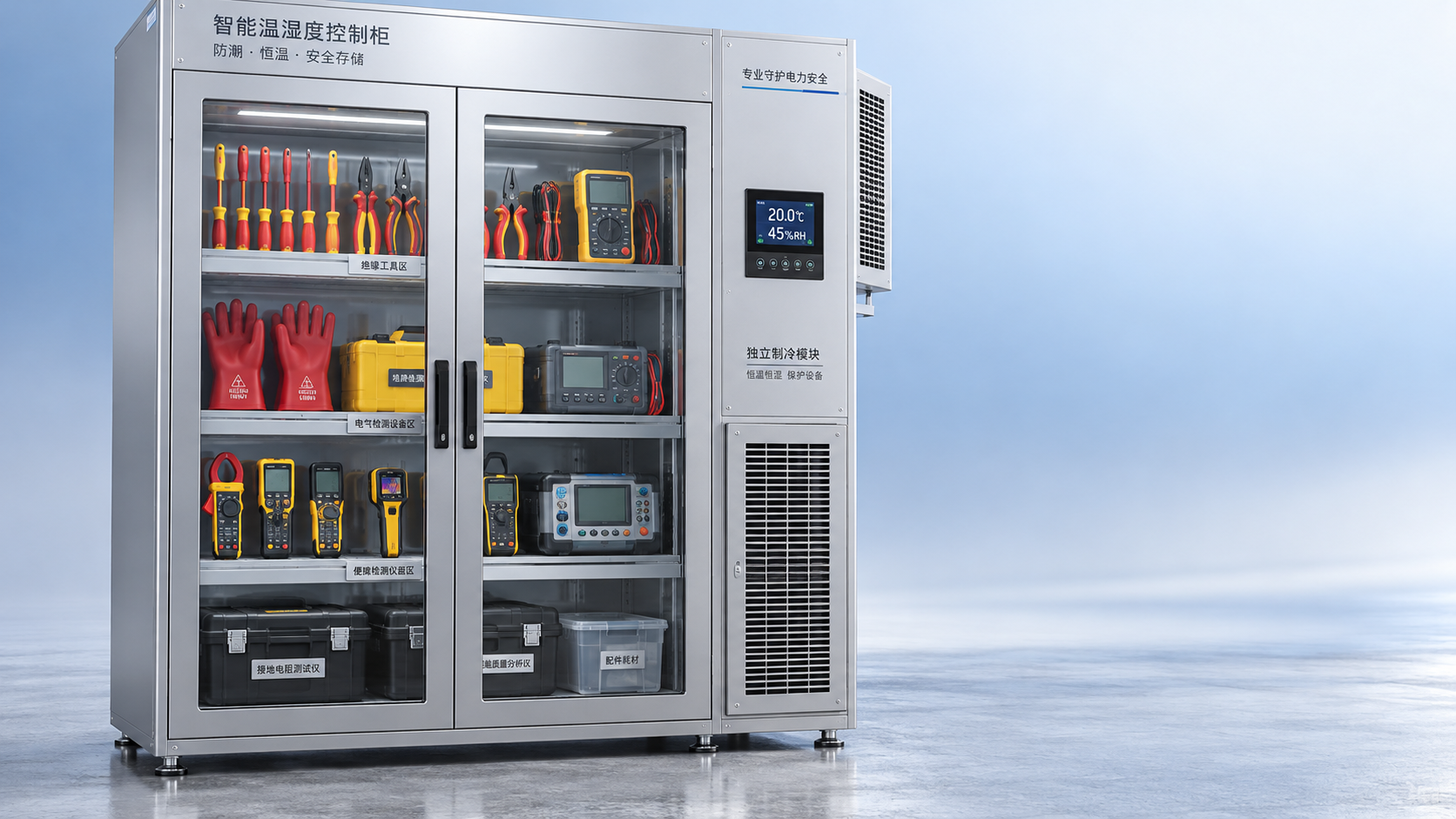
Selection starts with the functions that actually affect field use. In an intelligent safety tool cabinet, capacity is secondary if access control, traceability, environmental monitoring, and layout logic are weak. For power industry work, the cabinet has to support controlled issuance, fast return, and clear status visibility without turning tool handling into a manual paperwork task. When those functions are weak, missing tools, mixed-up accessories, and delayed inspections tend to appear long before any hardware failure is noticed.
The first function worth evaluating is identity control. A cabinet should know who opened it, when it was opened, and what was removed. That sounds basic, but technical value depends on how granular the record is. If access logs only show door activity, they are useful for audit trails but limited for tool accountability. If the cabinet can tie access to a user, shift, or work order, the records become far more practical during maintenance reviews. The cabinet does not need to be complicated on the outside; it needs to be unambiguous on the inside.
Related to that is item-level traceability. For electrical safety equipment, a cabinet that only tracks the door is often too coarse. The more useful design is one that can identify individual tools, segregate inspection states, and flag overdue returns or pending checks. This matters especially when tools are shared across live-line maintenance, outage work, and substation operations. A cabinet that distinguishes ready, in service, and quarantined items can reduce the chance that a questionable tool is picked up under time pressure.
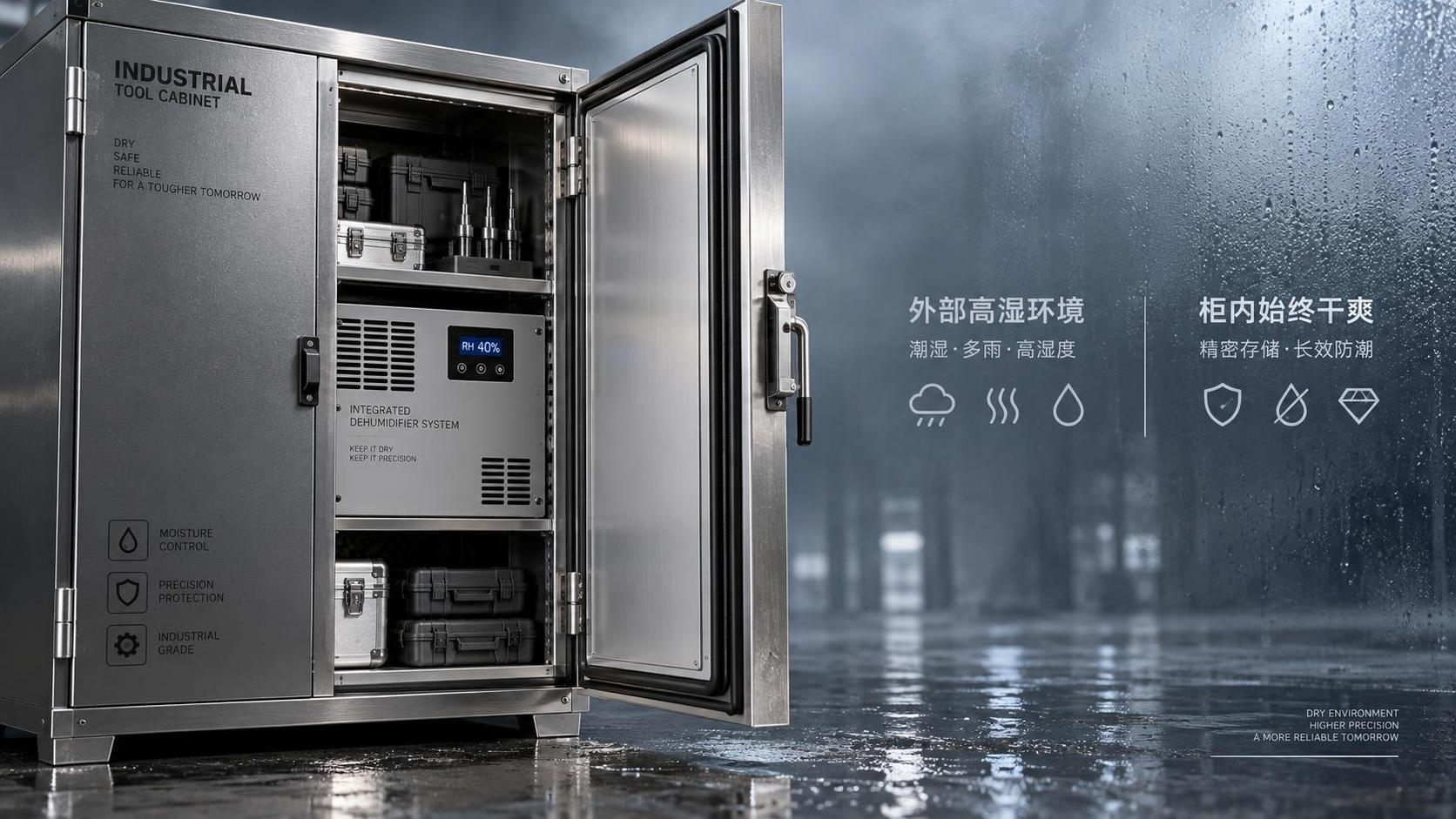
Environmental monitoring is another function that deserves close attention. In power facilities, storage conditions may shift with humidity, temperature, dust, and intermittent vibration. For insulated tools, the cabinet should not simply be “closed”; it should keep watch on the conditions that may affect drying, cleanliness, or surface integrity. Some installations may need forced ventilation, dehumidification, or basic alarms for abnormal values. The right choice depends on the site, but the core requirement is the same: storage should not introduce a new maintenance problem.
Mechanical design still matters even in a smart cabinet. Shelving, hooks, drawers, and tool bays should match the actual mix of equipment. Long insulated operating tools, grounding accessories, connectors, and personal protective items do not behave like generic warehouse stock. Poor internal spacing causes bent shafts, scratched insulation, and mixed storage of incompatible items. For that reason, the cabinet interior should be evaluated as a working layout, not as a display shelf. A well-structured compartment can save more time than a larger enclosure with vague organization.
Material and surface treatment are practical too. In electrical equipment storage, cabinet bodies are often judged by resistance to wear, corrosion, and frequent cleaning. The finish should tolerate repeated contact from gloves, tools, and inspection carts. Door alignment, hinge quality, lock hardware, and cable entry details can matter more than the control screen once the cabinet is placed in service. If the enclosure is installed in a substation environment or a maintenance bay with dust and occasional moisture, weak sheet metal or poor coating will show problems quickly.
Power and connectivity should be assessed with the same discipline. A smart cabinet is useful only if it can stay online, retain records, and recover cleanly after power interruption. Network support may be wired, wireless, or both, but the important question is whether local control still works when the network is unstable. Systems that lose access records after a restart, or require awkward manual recovery, usually create more administrative work than they remove. Backup memory, time synchronization, and simple fault indications are worth checking early.
Alarm logic is another point where specifications can look stronger than they are. A good cabinet distinguishes between a door left open, an item not returned, an environmental deviation, and a device fault. If every event triggers the same alarm, operators stop trusting the display. For a technical evaluation, the real value lies in clarity: what happened, which compartment or item is affected, and what action is expected next. Excessively broad alarms often hide the very information the cabinet was supposed to surface.
The operating interface should also be judged by workflow, not by appearance. A touchscreen may be convenient, but if it takes too many steps to issue or return a tool, the cabinet will be bypassed in busy work periods. In field conditions, the most useful interface is often the one that reduces touches, avoids ambiguity, and keeps the sequence short. Visual prompts, status lights, and obvious item placement usually matter more than decorative software layers. When gloves, dust, or low light are part of the job, simplicity is not a downgrade; it is a functional requirement.
Integration is where the cabinet becomes part of a larger tool-control system. If it can export records, connect with asset registers, or align with maintenance schedules, it becomes easier to reconcile inventory with actual use. That integration should not force every site into the same workflow. Some facilities may need only local logs, while others may need networked reporting across several depots. The point is to avoid a cabinet that is technically “smart” but operationally isolated.
Installation details affect performance more than many specs suggest. Floor level, wall clearance, cable routing, and door swing all influence daily use. A cabinet placed too close to traffic lanes becomes damaged; one placed too far from the work zone becomes inconvenient and underused. Ventilation openings, anchoring, and access to service panels should also be checked before commissioning. If the cabinet is difficult to maintain, its internal functions will matter less because the unit itself will gradually drift out of proper operation.
Transport and delivery conditions deserve attention during procurement review as well. Cabinets with sensors, screens, and locking mechanisms can be vulnerable to vibration, tilt, and impact during shipping. Packaging quality, internal bracing, and the ability to inspect the enclosure on arrival are not side issues. If the cabinet body is dented or the door frame is shifted, door sensors and locking alignment may be affected even when the electronics appear intact. A visual receipt inspection is simple, but it prevents a great deal of confusion later.
Maintenance should be straightforward. Filters, sensors, hinges, locks, and displays are the parts most likely to need periodic attention. If these elements are buried behind unnecessary panels or require proprietary tools for access, the cabinet becomes harder to keep reliable. For long-term use, the service task should be simple enough that routine checks actually happen. The best design is usually the one that makes calibration, cleaning, and replacement obvious rather than special.
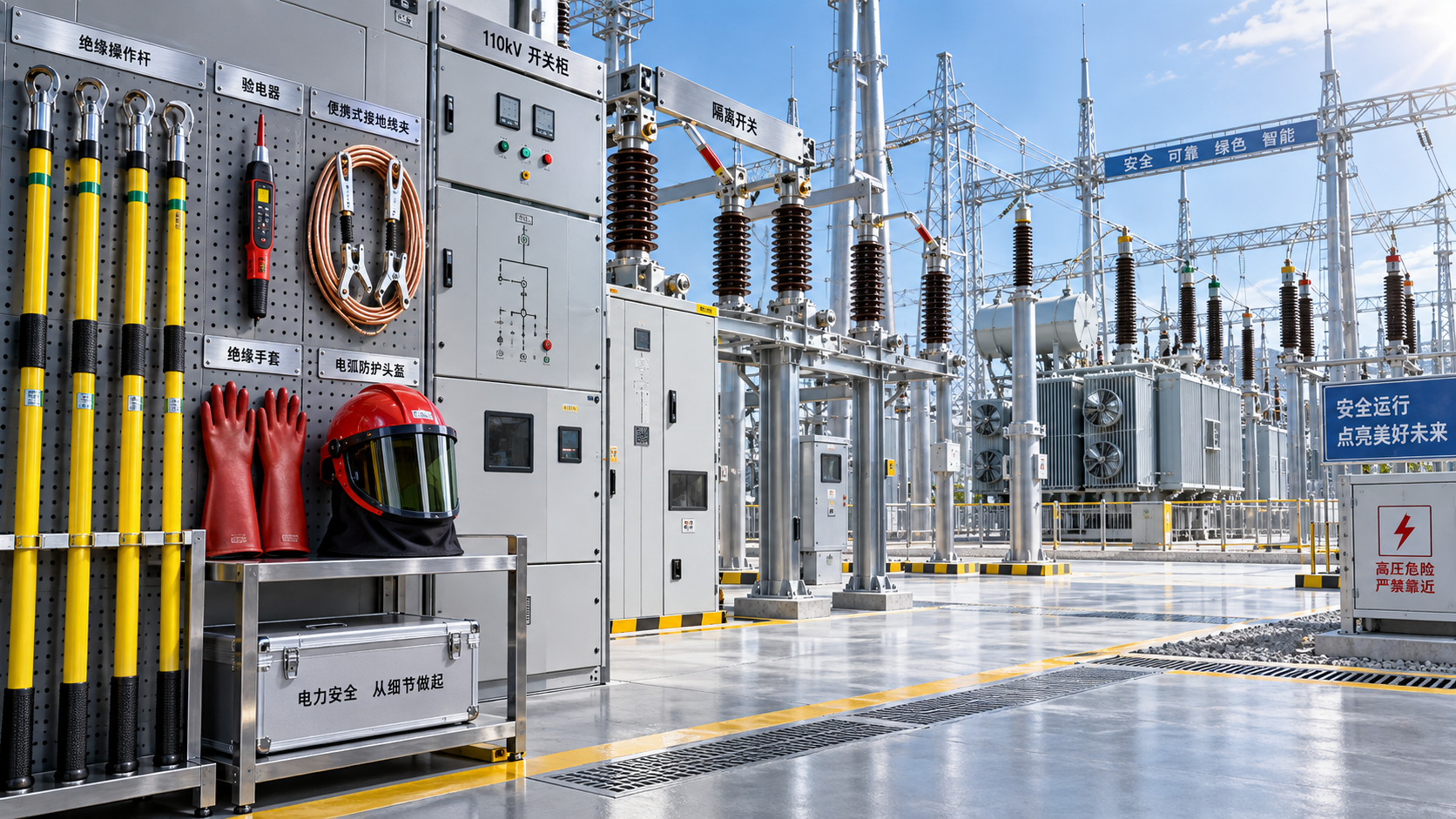
In the same evaluation, it is worth comparing how the cabinet handles paired or auxiliary tools. A live-line workspace often includes accessories that are issued together but returned separately unless the storage logic is disciplined. One example is the handling of Shotgun stick alongside grounding-related accessories and other insulating tools. If the cabinet can keep grouped items together while still logging each one correctly, the storage process stays close to actual work practice. That matters more than adding a few extra compartments that look organized but do not match the real sequence of use.
Material compatibility is easy to overlook here. Fiberglass tools, insulated accessories, and metal connectors do not age the same way in storage. The cabinet should not create contact points that wear surfaces or trap moisture around sensitive parts. Rounded supports, nonabrasive liners, and clearly separated bays are small details, but they are the ones that preserve tool condition over time. In practice, an intelligent cabinet succeeds when it protects both the record and the physical tool at the same time.
For technical comparison, the most defensible approach is to rank functions by operational failure risk. Access control prevents untracked use. Traceability closes the gap between issuance and return. Environmental monitoring protects storage conditions. Integration reduces manual reconciliation. Mechanical layout protects the tools themselves. Once these are stable, interface polish and extra software features can be judged as additions rather than substitutes for core performance. That order is often more useful than comparing long feature lists that do not reflect actual field pressure.
In electrical equipment storage, the strongest intelligent safety tool cabinet is usually the one that behaves predictably under routine strain: frequent openings, mixed tool sets, imperfect housekeeping, and changing site conditions. If the cabinet can keep records clean, tools organized, and storage conditions visible without creating friction, it is serving its real purpose.
Recommend
 Oct 25, 2026
Homemade Bird Repellent Spray: Recipe Limits and Outdoor Surface Risks
Searching for how to make homemade bird repellent spray? Discover recipe limits, outdoor surface risks, electrical safety tips, and safer deterrents before you spray.
- Oct 25, 2026
Natural Bird Deterrents for Rooftops: Choosing Nonchemical Options
Learn how to repel birds naturally with humane rooftop barriers and smarter maintenance. Compare nonchemical options to protect electrical equipment and keep roof access clear.
- Oct 24, 2026
Home Remedies for Repelling Birds: What to Try on Patios and Railings
Learn how to repel birds with home remedies for cleaner patios and railings. Discover humane DIY options, avoid harmful sprays, and keep deterrents clear of electrical equipment.