
 English
 Español
 Português
 Français
 Deutsch
 русский
 한국어
 にほんご
 हिन्दी, हिंदी
 বাংলা
 Bahasa Indonesia
 Türkçe
 Việt
 dansk
 čeština
 עִבְרִית Ivrit
 Filipino/Pilipino
 български език (Bǎlgarski jazik)
 suomi
 norsk
 język polski
 ไทย
 ກະຣຸນາ
 Bahasa Melayu
 ភាសាខ្មែរ
 ဗာရမ်
 اردو
 فارسی
 Italiano
 Nederlands
 svenska
 Монгол хэл
 नेपाली
 සිංහල
 Ўзбек тили
 پښتوتۆرکجه
 Ελληνικά
 српски / srpski
 magyar
 українська
 Kiswahili
 Қазақ тілі
 Română
 Hrvatski
 Bosanski
 Kreyòl ayisyen
 አማርኛ
 Hausa
 Yorùbá
 Igbo
‹
›
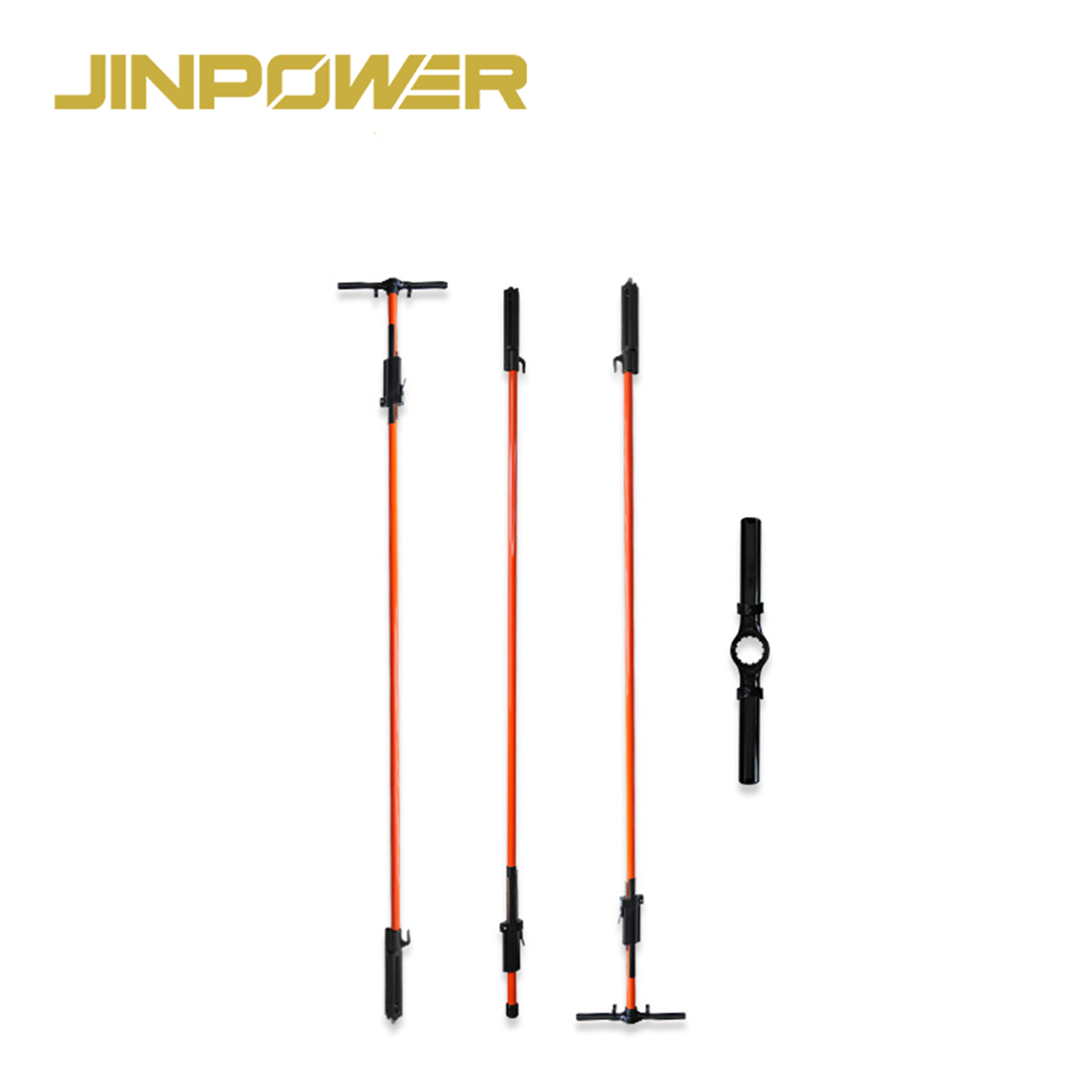
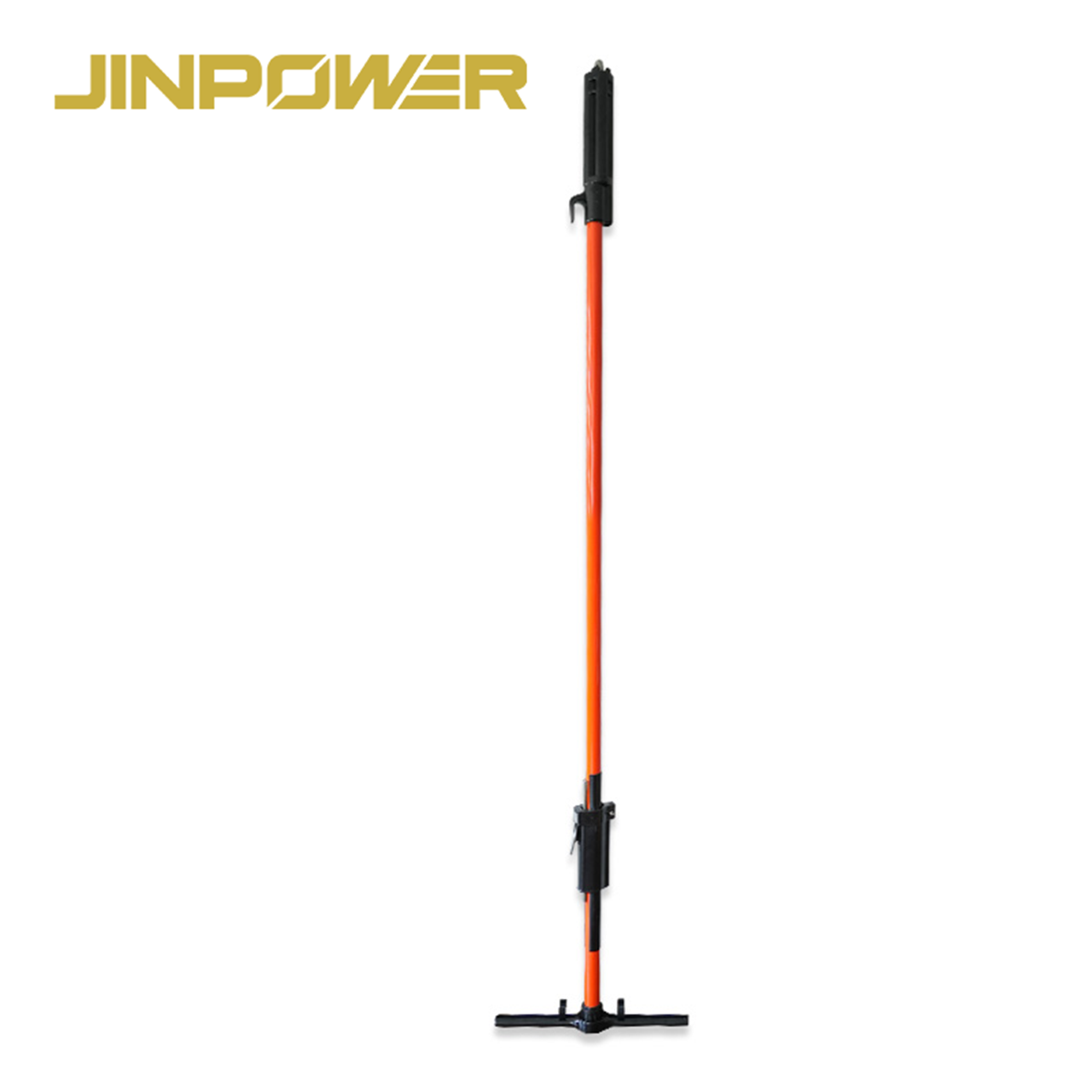
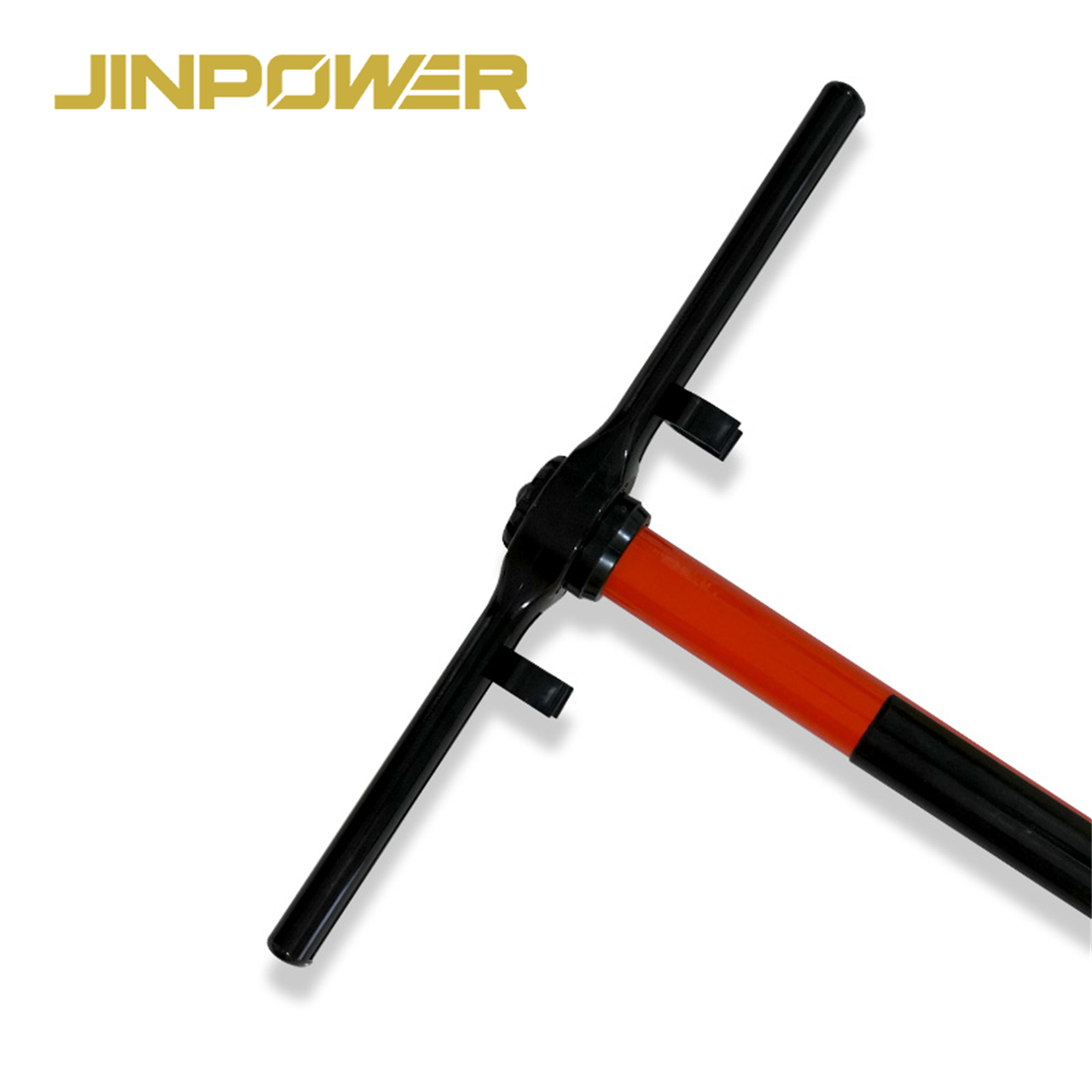
Shotgun Stick (Clampstick) for Grounding and Live-Line Work
JINPOWER supplies shotgun sticks, also called clampsticks, for utility crews, substations, electrical contractors and power-system maintenance teams that need to grip, position, install or retrieve compatible electrical hardware from a controlled working distance.
Unlike a standard hot stick that mainly pushes, pulls, hooks or operates equipment through interchangeable attachments, a shotgun stick uses a remotely controlled gripping mechanism to hold compatible grounding clamps, jumpers, connectors and other hardware more positively.
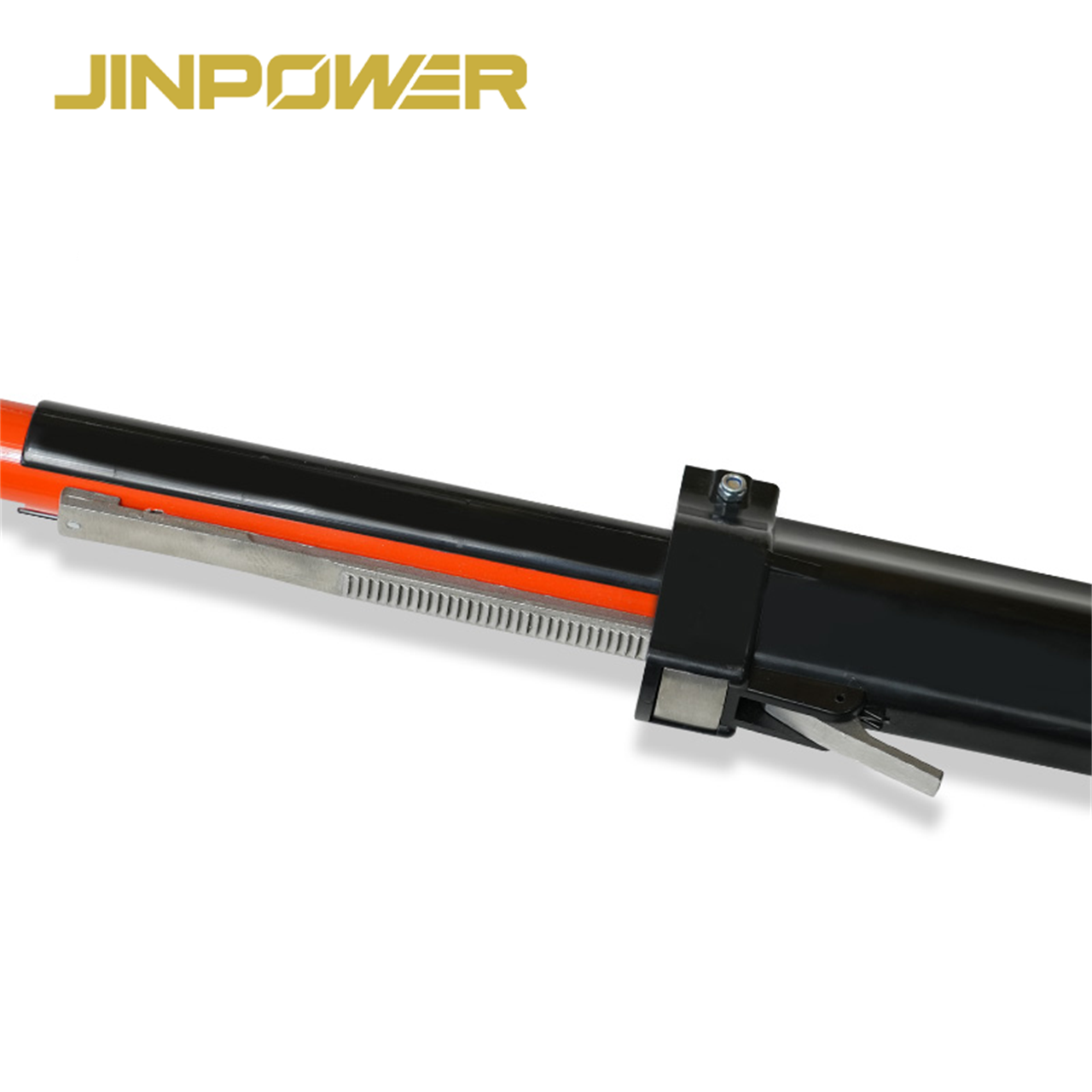
JINPOWER shotgun stick configurations combine an insulating FRP pole with a clamp head and sliding operating mechanism. Fixed and telescopic structures, custom lengths and selected accessories can be discussed according to the task and project requirement.
All Products
Stay Connected
If you have any questions, please contact us and we will contact you as soon as possible.
Prduct Introdution
For professional procurement, the most important questions are not only total length and price. Buyers should also confirm clamp compatibility, required reach, insulating pole length, operating mechanism, tool structure, applicable test requirements and supporting documentation.
- Shotgun stick / clampstick design for positive hardware gripping
- Epoxy FRP insulating pole for electrical operating applications
- Sliding operating mechanism for controlled clamp opening and closing
- Suitable for compatible grounding clamps, jumpers, connectors and small hardware
- Fixed and telescopic configurations available according to model
- Custom length and project configuration support
- Suitable for utilities, substations, transmission and distribution maintenance
What Is a Shotgun Stick?
A shotgun stick is an insulated operating tool with a remotely controlled gripping head. It is also commonly called a clampstick or Grip-All-type clampstick in the electrical utility industry.
Its main advantage is positive control of compatible hardware. Instead of relying only on an open hook or universal attachment, the clamp mechanism can grip an operating eye, clamp screw or compatible fitting and hold it while the operator positions the hardware.
Typical applications include:
- Installing and removing compatible grounding clamps
- Handling jumpers and connectors
- Positioning parallel-groove clamps and other line hardware
- Handling small components at a distance
- Utility and substation maintenance tasks
The exact permitted task depends on the selected tool configuration, compatible attachment, workplace procedure and electrical safety program.
How Does a Shotgun Clampstick Work?
A shotgun stick combines a mechanical gripping system with an insulating operating pole. Understanding these parts helps buyers evaluate whether the tool will work with their existing clamps and field procedures.
Clamp or Grip Head
The clamp head is designed to engage compatible hardware such as grounding-clamp eyescrews, connectors or operating fittings.
Compared with an open hook, a positive gripping mechanism gives the operator more controlled retention when positioning or retrieving smaller hardware.
Sliding Operating Mechanism
The operating mechanism uses a sliding control arrangement to open and close the gripping head from the operator end of the tool.
This arrangement allows the operator to control the clamp without placing a hand near the hardware being handled.
FRP Insulating Pole
The epoxy FRP pole forms the primary insulating section of the shotgun stick.
The pole must provide both electrical insulation performance and sufficient mechanical rigidity for controlled hardware handling at reach.
Lock and Release System
A reliable lock and release mechanism is important because the tool must hold compatible hardware securely during positioning.
During procurement and inspection, buyers should check for smooth movement, positive engagement and abnormal looseness in the mechanism.
What Part of a Shotgun Stick Provides the Insulating Distance?
The effective insulating section should not be confused with the total overall length of the tool.
The FRP pole provides the insulating section. The gripping head, hook, actuator and other mechanical components may contain conductive metal parts depending on the design.
When specifying tool length, buyers should therefore distinguish between overall length, insulating pole length and the working reach required for the actual task.
Shotgun Stick vs Standard Hot Stick
Both products belong to the broader hot-stick family, but they solve different operating problems.
For general switching and multi-attachment work, buyers can also review the Triangular Telescopic Hot Stick.
Shotgun Stick vs Grounding Stick: Are They the Same?
Not exactly.
The term grounding stick normally describes the application of an insulated operating pole used to install or remove grounding equipment.
The term shotgun stick or clampstick describes a specific gripping mechanism used to control compatible clamps and hardware.
For temporary grounding projects, the shotgun stick is only the operating tool. The complete grounding system also includes the required grounding cables, clamps and connection hardware.
See JINPOWERGrounding Equipmentfor related temporary earthing products.
Main Applications of Shotgun Sticks
Grounding Clamp Installation and Removal
One of the most common shotgun-stick applications is remotely positioning and removing compatible temporary grounding clamps.
The gripping mechanism helps retain the clamp while the operator positions it according to the approved grounding method.
For complete grounding assemblies, buyers can review thePortable Earthing and Short-Circuit Set.
Jumper and Connector Handling
The clampstick can be used to grip and reposition compatible jumpers, connectors and fittings where positive hardware control is needed at a distance.
Overhead Distribution Work
Distribution-line crews may use shotgun sticks when installing, removing or repositioning compatible line hardware while maintaining the working method and approach boundaries required for the task.
Substation Maintenance
Shotgun sticks can support hardware-handling tasks around substations where direct hand access is not appropriate and controlled reach is required.
Transmission and Utility Maintenance
Longer or telescopic configurations can support tasks where additional reach is required. Final tool selection should be based on the operating position, equipment geometry, required insulating distance and handling precision.
Technical Specifications
JINPOWER shotgun sticks can be configured according to different utility and project requirements. Exact dimensions, test requirements and accessories should be confirmed for the selected model.
If your project requires a specific dielectric test, standard, pole diameter, total length, working length, head interface or accessory, include it in the RFQ instead of relying on a generic model description.
Fixed vs Telescopic Shotgun Stick
The structure should be selected according to reach, transport and field consistency.
Availability should be confirmed at quotation because not every head and length configuration is supplied in every structural format.
How to Choose the Correct Shotgun Stick
1. Start with the Task
First define what the operator needs to handle:
- Grounding clamp
- Jumper
- Connector
- Parallel-groove clamp
- Other compatible line hardware
The task determines the head interface and required control more accurately than voltage alone.
2. Confirm Clamp Compatibility
A shotgun stick should not be assumed to fit every grounding clamp.
Important points include:
- Clamp eyescrew or operating interface
- Gripping point geometry
- Required opening and retention
- Torque requirement
- Operating method
For project matching, buyers can provide the clamp model, drawing or clear product photo together with the inquiry.
3. Define Required Reach
Do not choose length only by system voltage.
Required reach depends on:
- Operator position
- Equipment height
- Structure geometry
- Required approach distance
- Actual insulating pole section
- Task precision
4. Choose Fixed or Telescopic Structure
A fixed tool is suitable when the working distance is predictable. A telescopic design can simplify transport and provide variable reach where equipment positions differ.
5. Review the Head and Operating Mechanism
Check whether the gripping head can hold the intended hardware securely and whether the sliding mechanism provides smooth, positive engagement.
6. Confirm Applicable Standards and Test Requirements
Utility companies and EPC projects may specify particular FRP live-line tool requirements, dielectric tests, acceptance documents or internal standards.
7. Confirm Documentation Before Production
Specify required documents in the purchase specification, including any technical datasheet, test report, marking, serial identification or inspection documentation.
Clamp Compatibility Matters
Clamp compatibility is one of the most important buying points for a shotgun stick.
A suitable pole length does not solve a head-interface mismatch. The clampstick must be able to engage the actual hardware securely and release it according to the approved operating method.
ASTM F711 and Live-Line Tool Requirements
ASTM F711 is an important reference for fiberglass-reinforced plastic rods and foam-filled tubes intended for use in live-line tools.
A key procurement distinction is that ASTM F711 addresses the FRP insulating rod or tube. It does not by itself specify all fittings and attachments that make up the complete shotgun stick.
Therefore, buyers should review the complete tool at two levels:
- Electrical and mechanical performance of the FRP insulating section
- Mechanical compatibility and function of the clamp head, actuator, fittings and attachments
Do not treat a reference to ASTM F711 for the FRP pole as automatic certification of every mechanical attachment on the complete tool.
U.S. OSHA Live-Line Tool Reference
For buyers working under U.S. OSHA requirements, 29 CFR 1910.269 includes specific provisions for live-line tools.
For FRP rods, tubes and poles, the OSHA design requirement includes a minimum withstand test of 100,000 volts per foot of length for 5 minutes, or an equivalent method permitted by the regulation.
OSHA also requires live-line tools to be wiped clean and visually inspected for defects before use each day. If contamination or damage could adversely affect insulating qualities or mechanical integrity, the tool must be removed from service for the required examination and testing before return to use.
These OSHA requirements are regulatory references for applicable U.S. workplaces. They should not be presented as an "OSHA certification" of the product.
Testing and Buyer Acceptance
A shotgun stick should not be accepted only because the pole looks clean and the clamp head opens correctly.
Professional procurement should review both insulating performance and mechanical function.
Shotgun Stick Inspection Before Use
Inspection should cover both electrical insulation condition and mechanical operation.
Inspect the FRP Pole
Check for:
- Cracks
- Deep scratches
- Surface wear
- Contamination
- Moisture
- Damaged finish
- Other conditions that could affect insulating integrity
Inspect the Clamp Head
Check the jaw, head and related fittings for:
- Wear
- Corrosion
- Deformation
- Cracks
- Loose fasteners
- Damage affecting clamp engagement
Check the Sliding Mechanism
The mechanism should operate smoothly and provide positive engagement without unexpected release or excessive looseness.
Check Telescopic Locks Where Applicable
For telescopic models, inspect section surfaces and locking points before extending the tool for use.
Verify Labels and Test Status
Required markings, serial identification and inspection or test records should remain readable and traceable according to the user's safety program.
Cleaning, Storage and Periodic Examination
FRP live-line tools should be kept clean, dry and protected from damage during transport and storage.
Good management practices include:
- Keep the FRP surface clean and dry
- Avoid unnecessary contact with dirt, oil and damaging chemicals
- Protect the pole from deep scratches and impact
- Store the tool so that long poles are not bent or mechanically damaged
- Protect the gripping head from deformation
- Maintain inspection and test records where required
For U.S. OSHA-regulated work, live-line tools used for primary employee protection must be removed from service every two years for the examination, cleaning, repair and testing process specified in OSHA 1910.269, and earlier whenever defects or contamination require it.
Other markets should follow their applicable utility rules, local regulations, manufacturer instructions and employer maintenance program rather than applying one universal interval worldwide.
When Should a Shotgun Stick Be Removed from Service?
The tool should not remain in operation when its insulating quality or mechanical integrity is uncertain.
Typical removal-from-service conditions include:
- Cracked or deeply scratched FRP
- Contamination that cannot be properly removed
- Damaged or heavily worn pole finish
- Moisture or condition that may affect insulation
- Deformed or damaged clamp head
- Unreliable locking or release mechanism
- Loose mechanical components
- Damaged telescopic locking system
- Failed required electrical or mechanical inspection
Shotgun Stick as Part of a Grounding and Electrical Safety System
A shotgun stick is an operating tool. It does not replace voltage verification, grounding cables, grounding clamps or other safety equipment required by the work method.
For broader project planning, related JINPOWER product categories include:
- Hot Stick and Insulated Operating Tools
- Grounding Equipment
- Voltage Detectors
- Portable Earthing and Short-Circuit Sets
This allows utilities and EPC contractors to source complementary tools around voltage verification, insulated operation and temporary grounding rather than purchasing the clampstick as an isolated item.
What JINPOWER Reviews Before Shipment
For project and distributor orders, pre-shipment review should confirm that the supplied tool matches the approved configuration.
Inspection points can include:
- Shotgun stick configuration
- FRP pole condition
- Specified length and structure
- Clamp-head configuration
- Sliding-mechanism operation
- Telescopic locks where applicable
- Accessory matching
- Product marking and labeling
- Packaging
- Technical document matching
If the procurement specification contains a specific dielectric acceptance requirement or third-party inspection requirement, it should be agreed before production.
OEM and Project Configuration
JINPOWER supports utility companies, electrical distributors, contractors and EPC buyers with project-based shotgun stick configurations.
Depending on the selected design, project discussions may include:
- Fixed or telescopic structure
- Required total length and reach
- Clamp-head configuration
- Compatible accessories
- Serial identification
- Label language
- Protective sleeve or export packaging
- Technical and test documentation
- Bulk supply schedule
Why Source Shotgun Sticks from JINPOWER?
Focused on Electrical Safety and Utility Tools
JINPOWER supplies electrical safety tools for utilities, substations and industrial electrical applications, allowing the shotgun stick to be selected within a broader electrical safety equipment system.
Grounding Equipment and Hot Stick Supply in One Product System
Because JINPOWER supplies both hot sticks and grounding equipment, project discussions can include the operating pole together with compatible grounding applications rather than treating the tool and clamp as completely separate purchases.
Application-Based Configuration
Instead of choosing only by pole length, buyers can provide the clamp, task, equipment geometry and required reach so the configuration can be reviewed more accurately.
Documentation Support for Project Procurement
Technical documentation, labeling and acceptance requirements can be discussed before order confirmation to reduce mismatches during project approval.
What to Include in Your Shotgun Stick RFQ
A useful shotgun-stick RFQ should describe the actual operating task, not just request a "high-voltage pole."
Frequently Asked Questions About Shotgun Sticks
What is another name for a shotgun stick?
A shotgun stick is commonly called a clampstick. In the utility industry, similar positive-grip tools may also be described as Grip-All-type clampsticks.
What is a shotgun stick mainly used for?
It is mainly used to grip, position, install or retrieve compatible grounding clamps, jumpers, connectors and other electrical hardware from a controlled working distance.
Is a shotgun stick the same as a standard hot stick?
No. A shotgun stick is a type of hot stick with a positive gripping mechanism. A standard hot stick may use a hook or universal attachment for pushing, pulling, switching or general tool operation.
Can a shotgun stick be used as a grounding stick?
Yes, when the selected shotgun head is compatible with the grounding clamp and the work method permits it. However, not every grounding stick uses a shotgun-type gripping mechanism.
How do I know whether my grounding clamp fits the shotgun stick?
Check the clamp operating eye, gripping geometry, required torque and head interface. For procurement matching, provide the clamp model, dimensions, drawing or photo.
How should shotgun stick length be selected?
Select length according to operator position, required approach distance, equipment height, required reach and the actual insulating pole section. Do not select the tool by system voltage alone.
Does the metal shotgun head count as insulating distance?
The FRP pole is the insulating section. Conductive mechanical components in the gripping head or actuator should not automatically be counted as part of the insulating working distance.
Does ASTM F711 cover the complete shotgun stick?
ASTM F711 specifically addresses FRP insulating rods and foam-filled tubes used in live-line tools. Fittings and attachments are outside the scope of that FRP rod/tube specification, so the complete tool also requires mechanical configuration review.
How should a shotgun stick be inspected?
Inspect the FRP pole for contamination and damage, check the clamp head and fasteners, verify smooth operation of the sliding mechanism and inspect telescopic locks where applicable. Follow the applicable standard, employer procedure and manufacturer instructions.
Can JINPOWER customize shotgun stick length?
Custom length and configuration requirements can be discussed according to the application, structure, clamp interface, quantity and project specification.
Request Shotgun Stick Details
If you are sourcing shotgun sticks or clampsticks for temporary grounding, transmission and distribution maintenance, substation work or electrical hardware handling, send JINPOWER your application requirements.
For faster configuration review, please provide the clamp or hardware to be operated, system voltage, required reach, fixed or telescopic preference, applicable standard, quantity and required documentation.
If clamp compatibility is uncertain, a product model, technical drawing or clear photo can help us review the required head interface before quotation.
Inquiry