
 English
 Español
 Português
 Français
 Deutsch
 русский
 한국어
 にほんご
 हिन्दी, हिंदी
 বাংলা
 Bahasa Indonesia
 Türkçe
 Việt
 dansk
 čeština
 עִבְרִית Ivrit
 Filipino/Pilipino
 български език (Bǎlgarski jazik)
 suomi
 norsk
 język polski
 ไทย
 ກະຣຸນາ
 Bahasa Melayu
 ភាសាខ្មែរ
 ဗာရမ်
 اردو
 فارسی
 Italiano
 Nederlands
 svenska
 Монгол хэл
 नेपाली
 සිංහල
 Ўзбек тили
 پښتوتۆرکجه
 Ελληνικά
 српски / srpski
 magyar
 українська
 Kiswahili
 Қазақ тілі
 Română
 Hrvatski
 Bosanski
 Kreyòl ayisyen
 አማርኛ
 Hausa
 Yorùbá
 Igbo
‹
›
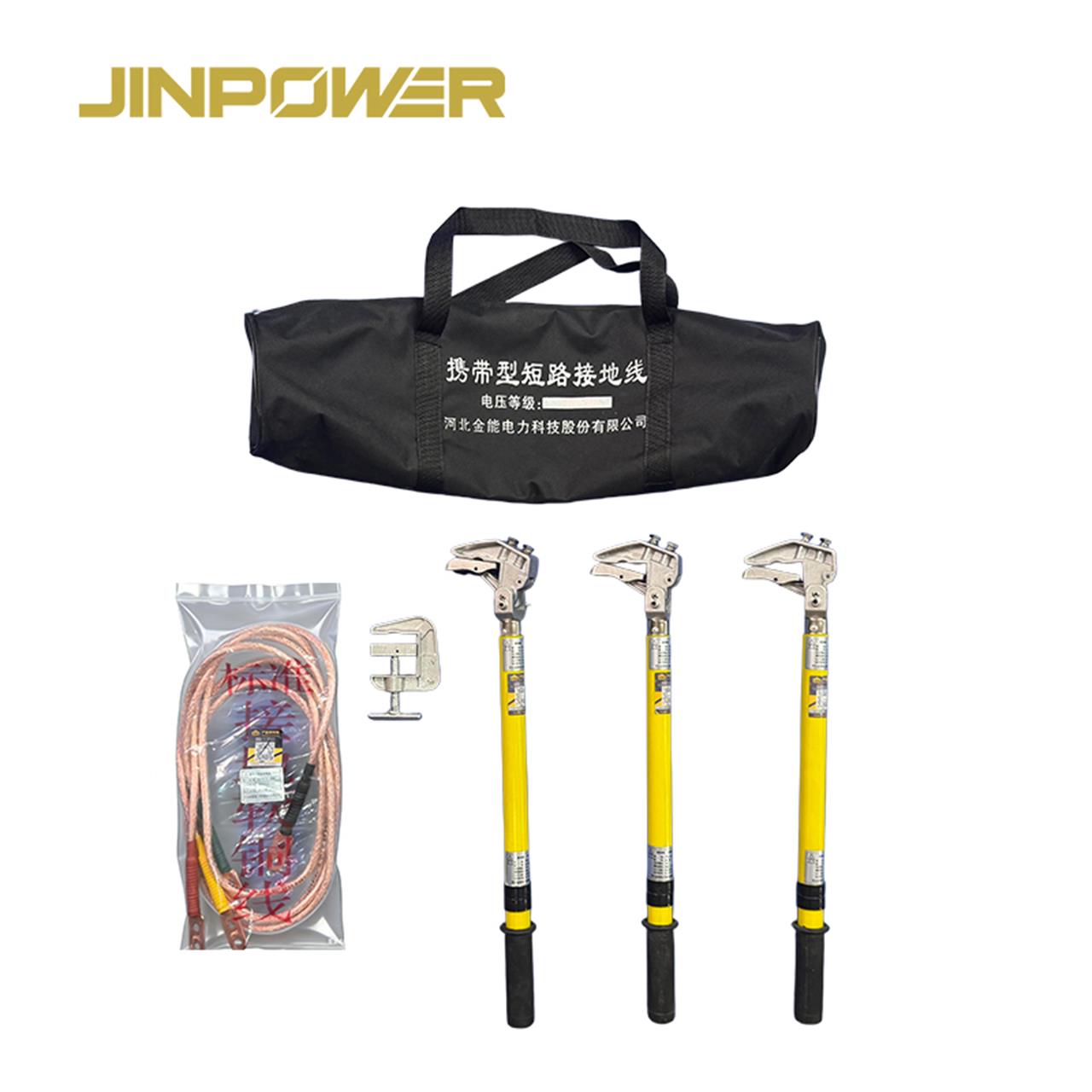
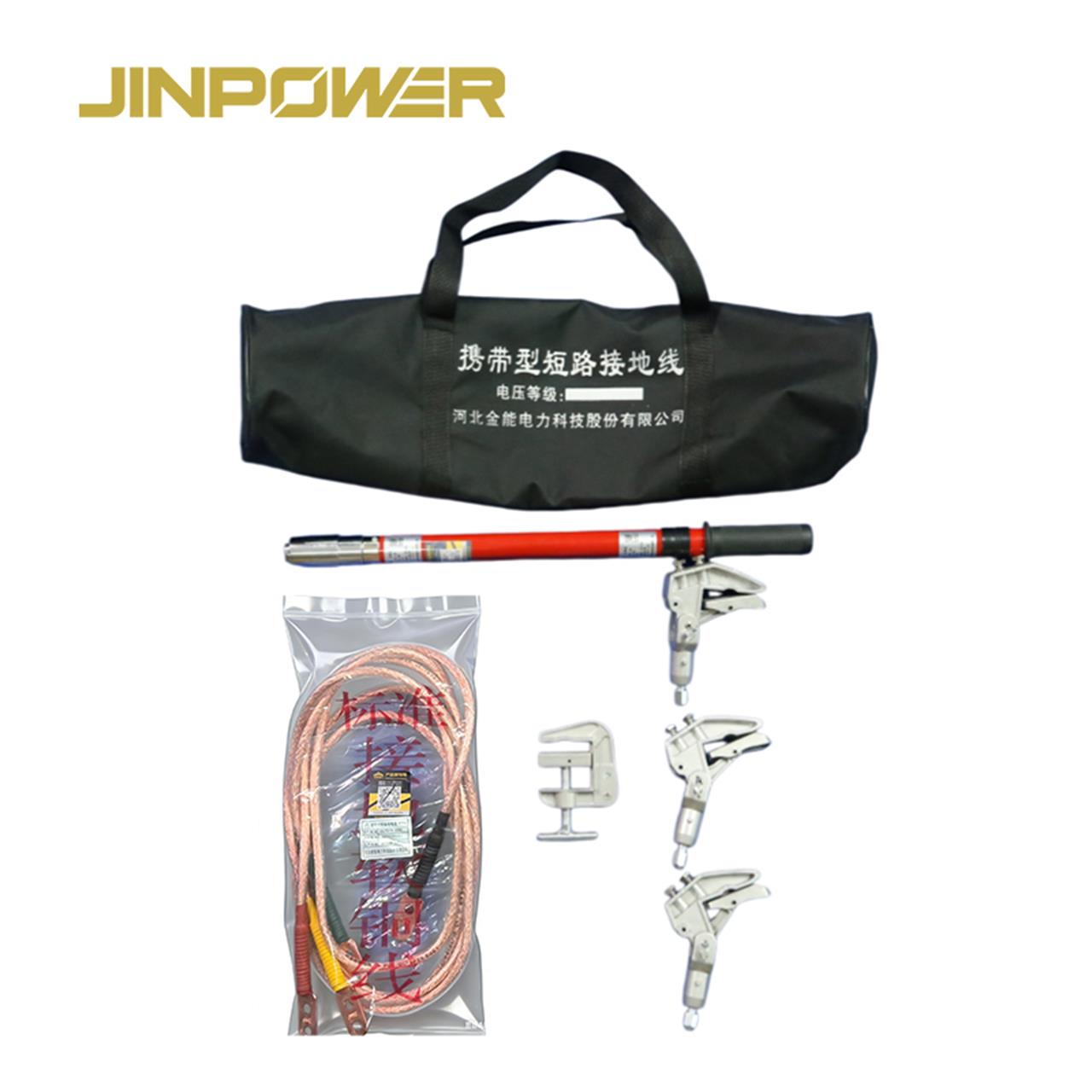
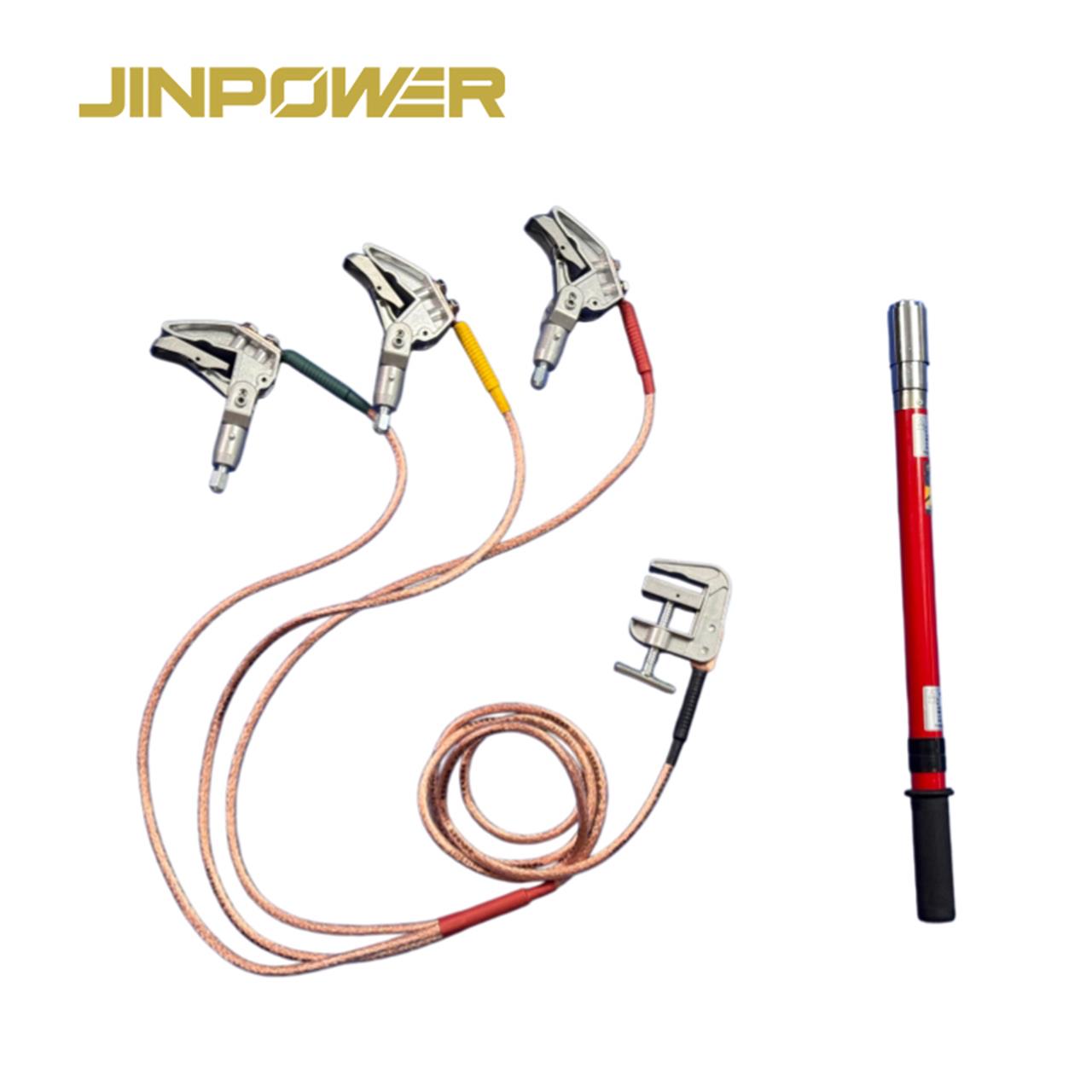
Portable Earthing Rod with Quick-Release Duckbill Clamp
JINPOWER supplies portable earthing rods with quick-release duckbill clamps for specified temporary earthing and short-circuiting applications. The duckbill clamp design is intended for electrical installations where access to the connection point may be restricted or the working arrangement is more complex.
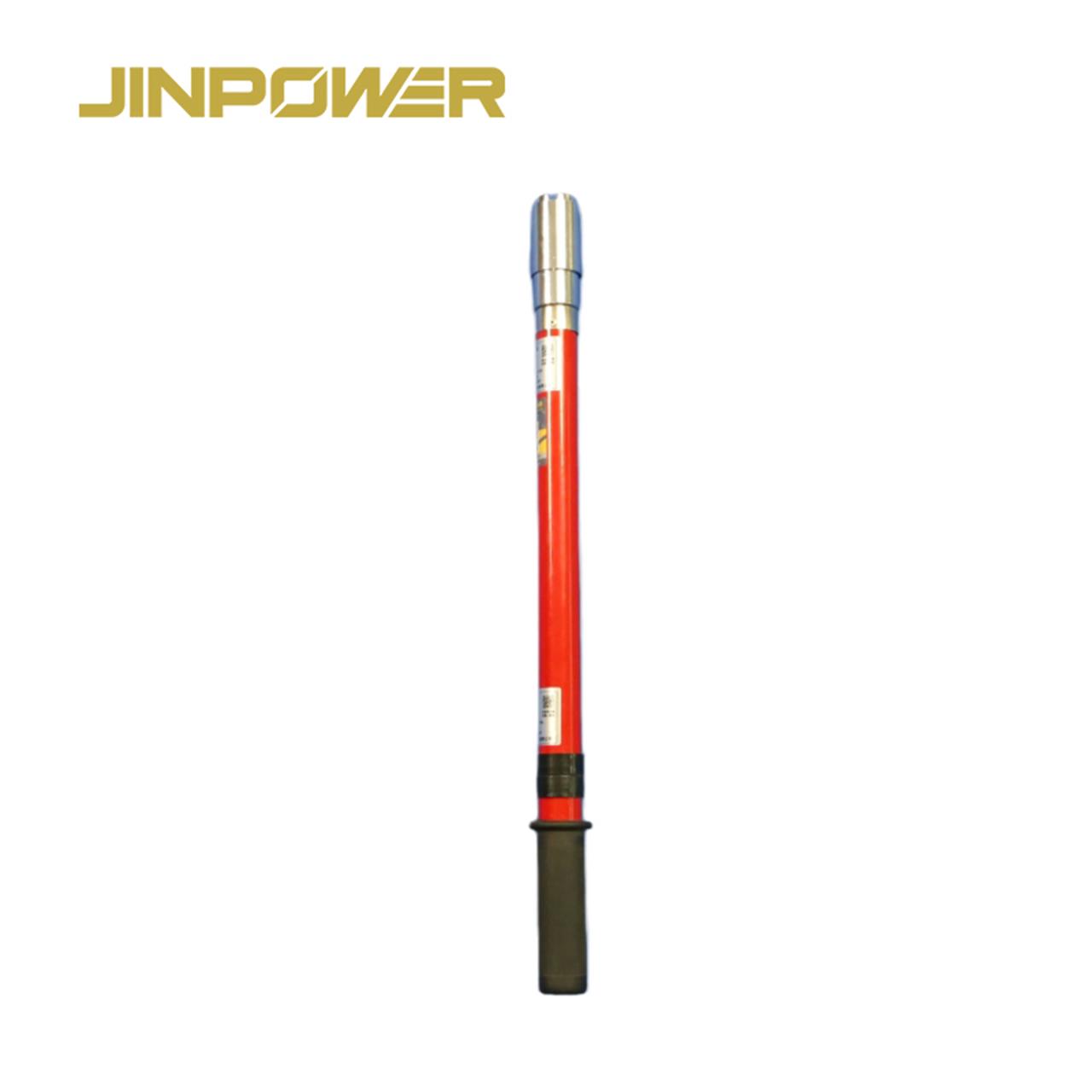
The quick-release rod head allows compatible clamp heads to be installed on and removed from the same insulating rod. This design provides more flexibility when different connection arrangements are required, subject to head compatibility and the selected product configuration.
Both telescopic and non-telescopic rod configurations are available for selection. For utilities, electrical contractors, distributors and project buyers, the key considerations include the required rod length, clamp opening range, compatible conductor size, electrical ratings and the exact components included in the supplied assembly.
All Products
Stay Connected
If you have any questions, please contact us and we will contact you as soon as possible.
Prduct Introdution
Quick Product Facts
- Product Type: Portable Earthing Rod
- Clamp Type: Quick-Release Duckbill Clamp
- Connection Design: Quick-Release Rod Head
- Rod Configurations: Telescopic and Non-Telescopic
- Key Design Feature: Removable and interchangeable compatible clamp heads
- Primary Application: Specified Temporary Earthing and Short-Circuiting
- Application Focus: Electrical installations with restricted or complex access
- Technical Selection: Rod Dimensions, Clamp Compatibility and Electrical Ratings
Product Highlights
Quick-Release Clamp Head
The quick-release interface allows compatible clamp heads to be fitted to or removed from the insulating rod. This can be useful for maintenance teams that need different connection configurations for different equipment or working locations.
Designed for Restricted Access
The duckbill clamp profile is intended for applications where the available operating space is limited or the connection point is difficult to access. Actual suitability depends on the clamp dimensions, conductor geometry and surrounding equipment.
Telescopic and Non-Telescopic Options
Buyers can select the rod structure according to the required working reach, access conditions, transport dimensions and project specifications. Exact lengths, section counts and locking mechanisms must be confirmed for the selected model.
Configuration Flexibility
A compatible insulating rod can support different clamp head configurations where the connection interface is designed for interchangeability. The available head types and supplied quantity should be confirmed before ordering.
Technical Specifications
The following table identifies the main parameters for product selection. Exact dimensions, electrical ratings and supplied components depend on the selected model and its approved technical documentation.
The clamp opening range, compatible conductor size and electrical ratings should be confirmed before purchase. Clamp shape alone is not enough to determine whether a grounding assembly is suitable for a particular installation.
Telescopic vs Non-Telescopic Earthing Rod
The quick-release duckbill clamp can be specified with a telescopic or non-telescopic rod configuration. The appropriate choice depends on the required operating reach, available working space, transport requirements and the technical specifications of the installation.
When to Choose a Non-Telescopic Rod
A non-telescopic rod may suit projects that specify a fixed operating length. Buyers should confirm the total length, handling requirements and access conditions before selecting this version.
When to Choose a Telescopic Rod
A telescopic rod may suit applications where the required reach and transport dimensions make an extendable structure appropriate. Confirm the extended length, retracted length, number of sections and locking design against the approved model specification.
Neither configuration should be assumed to have a higher electrical rating simply because of its rod structure. Electrical suitability must be confirmed using the applicable product data and test documentation.
Quick-Release Duckbill Clamp Design
The main feature of this product is its duckbill clamp combined with a quick-release rod head. Unlike a permanently fixed head arrangement, a compatible quick-release interface allows the clamp head to be removed or replaced when the product design supports interchangeable configurations.
This design is intended to provide configuration flexibility for electrical maintenance teams. Where different clamp heads are available for the same compatible rod interface, the required head can be selected according to the connection point and equipment requirements.
Clamp Profile and Access Conditions
The duckbill profile is designed for applications where the available operating space may be restricted or the connection arrangement is more complex. Its suitability depends on the actual clamp dimensions, conductor geometry and access to the designated connection point.
Before selecting the clamp, review the available clearance around the conductor, nearby equipment and the space required to position the rod. A compact clamp profile does not guarantee compatibility with every restricted-access installation.
Quick-Release Rod Head and Interchangeability
The quick-release connection allows compatible clamp heads to be fitted to and removed from the insulating rod. This may help maintenance teams use a common rod interface for different approved clamp configurations.
Interchangeability must be confirmed for the actual components. Buyers should verify the connection interface, locking arrangement, compatible head types and whether additional clamp heads are included or supplied separately.
The quick-release feature relates to the rod-head connection. It should not be confused with the method used to establish the electrical connection to a conductor or with the full procedure for applying temporary protective earthing.
Typical Applications
Electrical Substations
Substation maintenance may involve different conductor arrangements and restricted access around electrical equipment. A quick-release duckbill clamp may be considered where its dimensions, connection interface and electrical ratings match the specified application.
The actual clamp and rod configuration should be selected according to the installation drawing, conductor dimensions and approved earthing procedure.
Distribution Installations
Distribution installations can include different connection points, conductor profiles and working-space constraints. The quick-release design may be useful where compatible clamp heads are needed for different approved connection arrangements.
Confirm the clamp opening range, contact compatibility and electrical ratings before choosing the product for a specific installation.
Restricted-Access Connection Points
The duckbill clamp is intended for applications where the connection point may be difficult to access using a conventional clamp profile. The available clearance and the required operating position should be checked against the actual product dimensions.
For particularly restricted areas, provide a photograph, drawing or dimensional sketch during the inquiry stage. This helps establish whether the clamp can reach and fit the designated connection point.
Temporary Earthing and Short-Circuiting
The rod may form part of a temporary earthing and short-circuiting arrangement when the selected assembly is rated for the application and used according to the approved procedure.
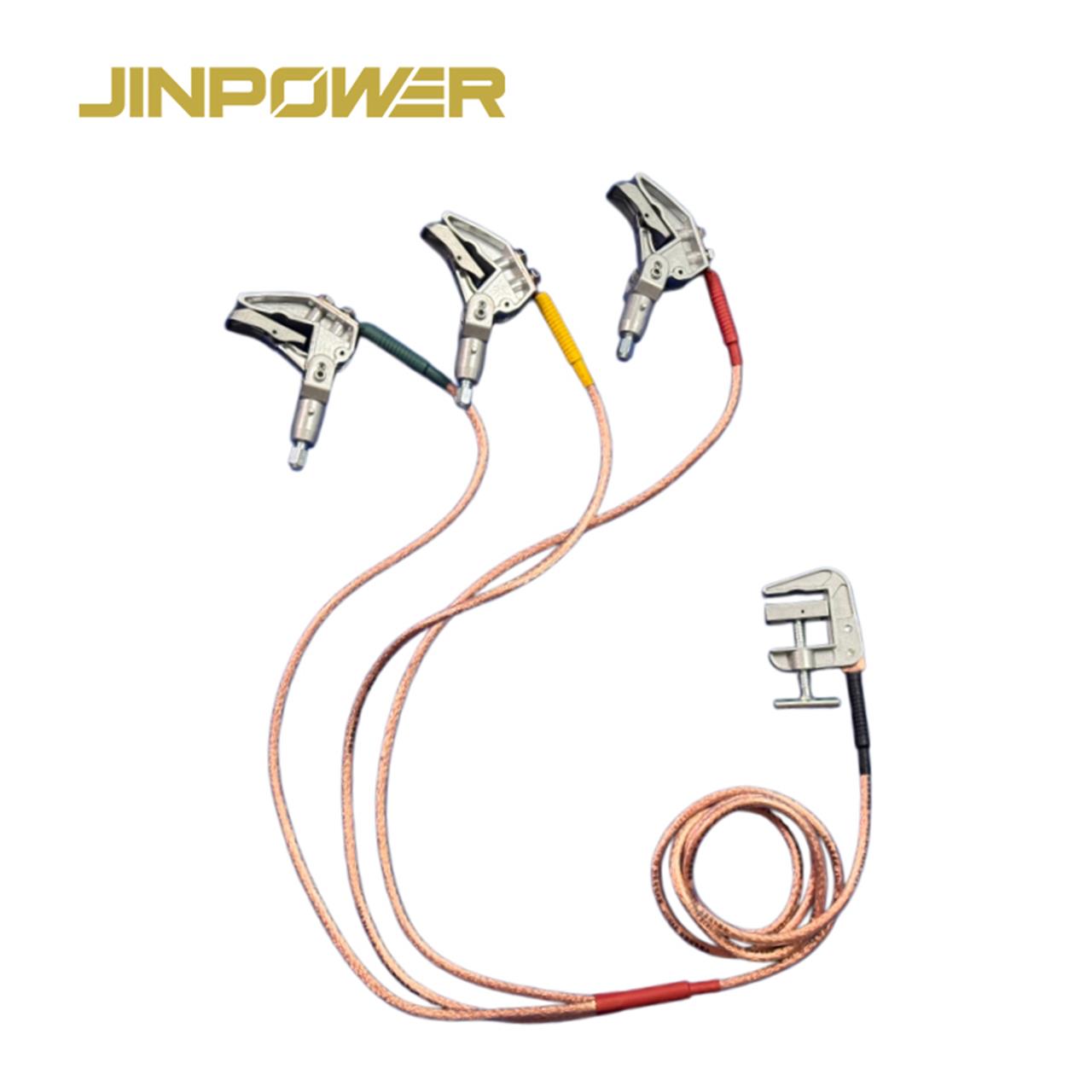
If the project requires a complete assembly, confirm whether the order includes the phase clamps, grounding conductors, grounding clamps and all other required components. A rod and clamp alone should not be assumed to constitute a complete portable earthing set.
How to Select the Right Duckbill Earthing Rod
1. Confirm the Connection Point
Identify the conductor or connection point where the clamp will be applied. Provide the conductor shape, relevant dimensions and any restrictions around the connection area.
The duckbill profile should be selected according to the actual contact geometry rather than appearance alone.
2. Check the Clamp Opening Range
Confirm the required clamp opening and the dimensions of the conductor or connection point. The selected clamp must fit the intended interface within its specified operating range.
If the dimensions are not listed in the product datasheet, request confirmation before placing the order.
3. Choose the Rod Structure
Select a telescopic or non-telescopic version according to the required operating reach, access conditions and transport dimensions.
For telescopic models, confirm both extended and retracted lengths, the number of sections and the locking mechanism.
4. Confirm the Electrical Ratings
The clamp and complete earthing assembly must meet the electrical requirements of the installation. Confirm the rated short-circuit current, short-circuit duration and applicable insulation requirements from the relevant technical documents.
The clamp shape and quick-release design do not, by themselves, establish the electrical rating of the complete assembly.
5. Confirm the Quick-Release Interface
If interchangeable clamp heads are required, confirm that the selected rod and all requested heads share a compatible connection interface and locking arrangement.
Specify whether you require one clamp head or a set of different compatible heads. The supplied configuration should be stated clearly in the quotation and order documentation.
6. Confirm the Complete Assembly
Check whether your procurement scope covers the rod and phase clamp only or a complete portable earthing set. Where included, verify the grounding cable specification, cable length, grounding clamps and connection accessories.
This distinction is important for tender specifications and project purchasing because components supplied separately may have different ratings and configuration requirements.
7. Review the Required Documentation
Before approving the product, identify the required drawings, technical datasheets, electrical ratings, test records and applicable standards. Verify that the documents relate to the actual model and assembly being supplied.
Clamp Compatibility and Electrical Ratings
A duckbill clamp should be selected according to the conductor geometry, clamp opening range and the electrical requirements of the complete grounding assembly. A suitable-looking clamp is not necessarily suitable for every conductor or short-circuit duty.
Conductor Compatibility
Confirm the conductor dimensions, contact surface and connection arrangement. Where the connection point has an unusual shape or limited clearance, provide a drawing or photograph so compatibility can be reviewed.
Short-Circuit Current and Duration
Temporary earthing and short-circuiting equipment must be selected according to the specified electrical duty. Rated short-circuit current and duration should be verified from the applicable product documentation.
Do not assume that two clamps with similar dimensions have the same short-circuit performance. The complete assembly and its documented ratings must meet the project requirements.
Insulating Rod Requirements
The rod's insulating performance, dimensions and operating requirements must be supported by the selected model's technical data and applicable tests. Total rod length alone does not establish electrical suitability.
For telescopic versions, confirm the specifications applicable to the complete assembled rod and its approved operating configuration.
Quality Inspection and Technical Documentation
For utility, contractor and distributor orders, inspection should cover both the mechanical configuration and the electrical requirements of the product. The exact inspection plan should be agreed according to the selected model and project specification.
Visual inspection alone does not establish the electrical suitability of the complete assembly. Where specified, electrical tests and acceptance checks must follow the applicable product requirements and agreed inspection criteria.
Safety and Proper Application
Portable earthing equipment is used as part of an approved electrical safety process. Product selection and application must follow the equipment manufacturer's instructions, applicable electrical safety requirements and the site's approved work procedure.
Isolation and Voltage Verification
Disconnection alone does not establish that equipment is safe. Required isolation and voltage verification must be completed using the approved procedure and suitable equipment before the relevant work proceeds.
Where a voltage detector is required, see our High Voltage Detector range for related electrical safety equipment.
Temporary Earthing and Short-Circuiting
Use the selected earthing assembly only for the application and electrical duty covered by its approved technical specification. Confirm the required connections and any additional protective measures under the applicable work procedure.
This product description does not imply that the rod is suitable for live-line contact. Any energized-line application requires explicit product suitability and an approved procedure for that work.
Inspection Before Use
Inspect the clamp head, quick-release connection, rod and any supplied grounding components according to the manufacturer's instructions. If the product shows damage, abnormal looseness or a failed inspection result, remove it from service until it has been evaluated by qualified personnel.
Related Grounding and Electrical Safety Products
Depending on your project scope, JINPOWER also supplies related electrical grounding and safety equipment.
- Portable Earthing and Short-Circuiting Set — for projects requiring a complete temporary earthing and short-circuiting assembly.
- Grounding Cable — for grounding cable requirements and compatible connection configurations.
- High Voltage Detector — for voltage verification as part of an approved electrical safety procedure.
What Should You Include in Your RFQ?
For an accurate quotation, provide the product configuration, required dimensions and applicable electrical ratings. A drawing or photograph of the intended connection point is helpful when access is restricted or the conductor geometry is unusual.
For projects involving multiple connection points, include the relevant installation drawings or conductor dimensions. This helps confirm the appropriate clamp configuration before order approval.
Frequently Asked Questions
What is a Quick-Release Duckbill Earthing Rod?
It is a portable earthing rod fitted with a duckbill clamp and a quick-release rod-head interface. The design allows compatible clamp heads to be installed or removed from the insulating rod and is intended for specified temporary earthing applications.
What is the advantage of the quick-release design?
The quick-release interface provides flexibility when different compatible clamp heads are needed. It can simplify configuration changes, subject to the actual interface design and available head options.
Can one insulating rod be used with different clamp heads?
Yes, where the rod and the selected clamp heads have compatible quick-release interfaces. Confirm the available head types, compatibility and supplied quantities before ordering.
Does the product come with three interchangeable heads?
The quick-release concept supports compatible interchangeable heads, but the number and type of heads included depend on the ordered configuration. Specify the required heads and quantities in your RFQ.
Is the duckbill clamp suitable for restricted spaces?
The duckbill profile is intended for applications where access may be restricted. Actual suitability depends on the clamp dimensions, conductor shape, available clearance and connection requirements.
What is the difference between telescopic and non-telescopic versions?
A non-telescopic rod has a fixed-length structure, while a telescopic rod uses extendable sections. Selection depends on the required reach, transport dimensions, working space and the specifications of the selected model.
Is the grounding cable included?
The supplied components depend on whether you order the rod and clamp assembly or a complete earthing set. Confirm the grounding cable, grounding clamps, cable length and other accessories in the quotation.
How do I select the correct clamp size?
Provide the conductor dimensions, clamp opening requirement and a drawing or photograph of the connection point where possible. The selected clamp must match the conductor geometry and the applicable electrical ratings.
What electrical ratings should I confirm?
Confirm the rated short-circuit current, short-circuit duration, applicable insulation requirements and other electrical parameters required by the project. The ratings must be supported by the technical documentation for the selected assembly.
Can the rod be used on energized lines?
Do not assume that this product is suitable for live-line work. Use it only within the explicitly approved application and follow the applicable electrical safety procedure and manufacturer's instructions.
What documents should I request before purchasing?
Depending on the project, request the technical datasheet, approved drawing, applicable electrical ratings and relevant test or inspection records. Confirm that the documents correspond to the exact model and assembly being supplied.
Request a Quote for Quick-Release Duckbill Earthing Rods
If you are sourcing portable earthing rods for electrical substations, distribution installations or other approved temporary earthing applications, contact JINPOWER with your project requirements.
Please specify whether you need a telescopic or non-telescopic rod, the required clamp opening range, compatible conductor dimensions, the number of interchangeable heads, grounding cable requirements and applicable electrical ratings.
For restricted-access applications, a drawing or photograph of the connection point can help clarify the required configuration. JINPOWER can review the requested specifications and available technical documentation before quotation and order confirmation.
Inquiry