
 English
 Español
 Português
 Français
 Deutsch
 русский
 한국어
 にほんご
 हिन्दी, हिंदी
 বাংলা
 Bahasa Indonesia
 Türkçe
 Việt
 dansk
 čeština
 עִבְרִית Ivrit
 Filipino/Pilipino
 български език (Bǎlgarski jazik)
 suomi
 norsk
 język polski
 ไทย
 ກະຣຸນາ
 Bahasa Melayu
 ភាសាខ្មែរ
 ဗာရမ်
 اردو
 فارسی
 Italiano
 Nederlands
 svenska
 Монгол хэл
 नेपाली
 සිංහල
 Ўзбек тили
 پښتوتۆرکجه
 Ελληνικά
 српски / srpski
 magyar
 українська
 Kiswahili
 Қазақ тілі
 Română
 Hrvatski
 Bosanski
 Kreyòl ayisyen
 አማርኛ
 Hausa
 Yorùbá
 Igbo
‹
›
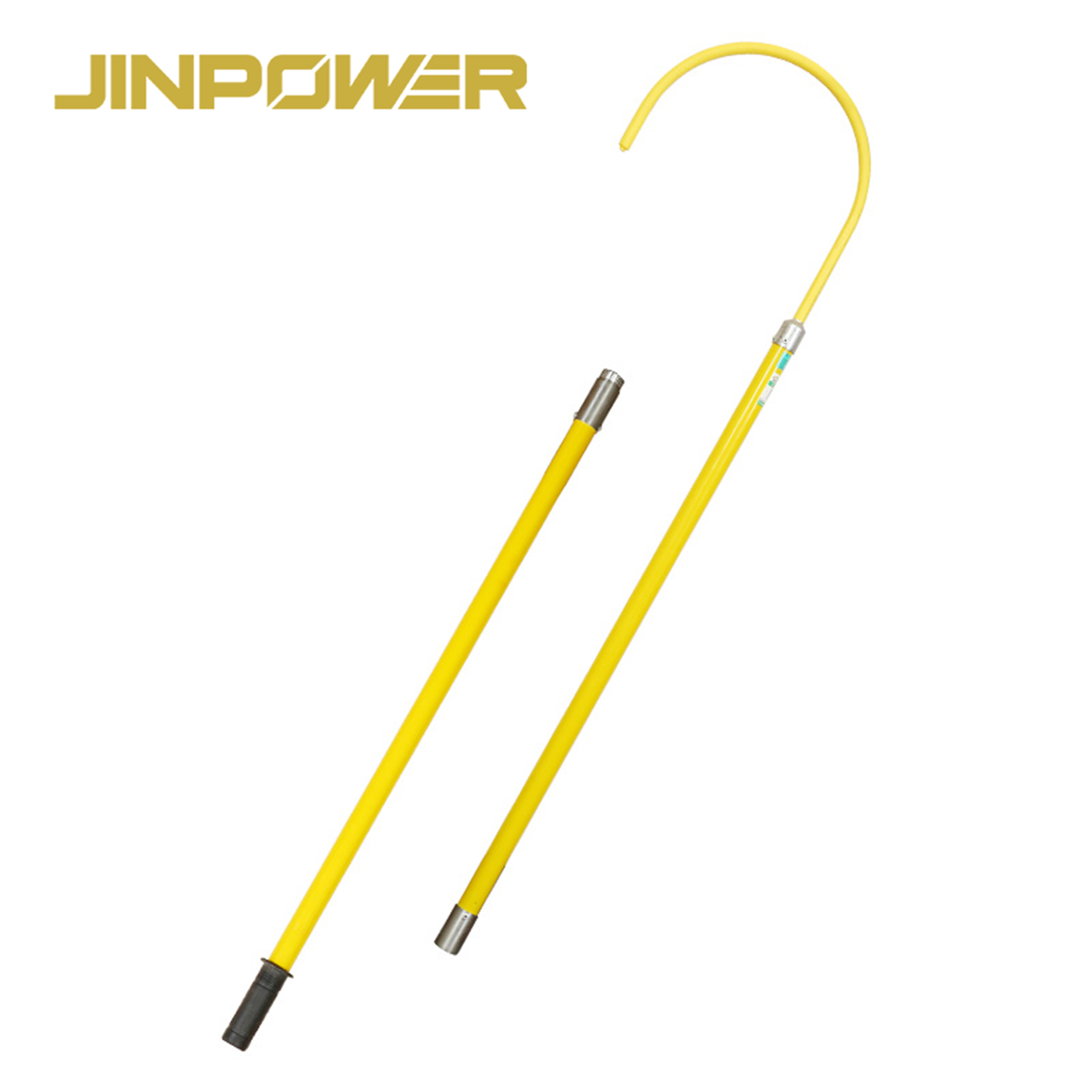
Electrical Insulating Rescue Hook for Emergency Electrical Safety
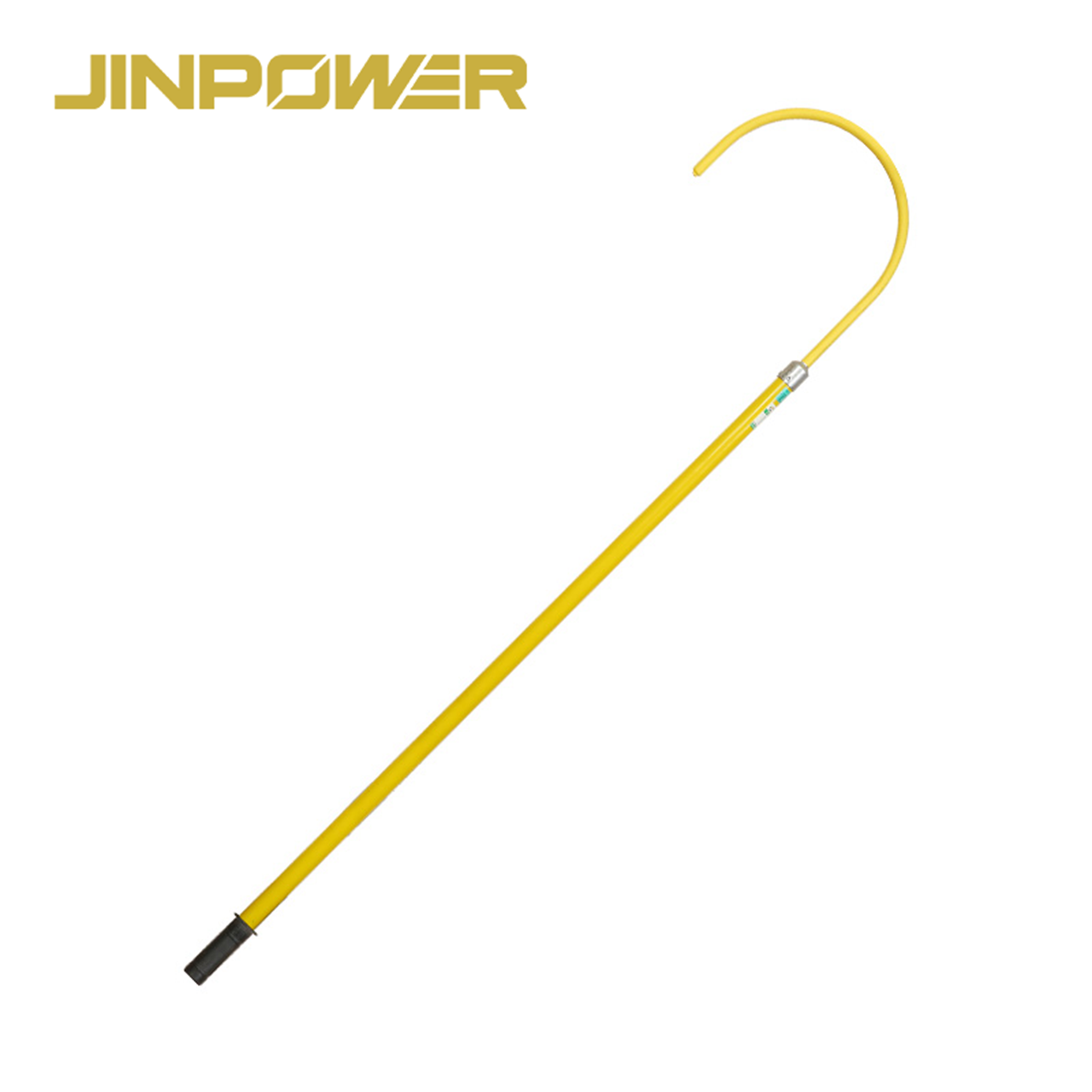
JINPOWER supplies electrical insulating rescue hooks designed for emergency response in substations, switch rooms, transformer rooms and industrial electrical facilities.
An electrical rescue hook combines an FRP insulating pole with a rescue hook head, allowing trained personnel to assist in moving a person away from an electrical hazard area without immediately making direct hand contact.
Unlike hot sticks and clampsticks used for routine electrical operations, an insulating rescue hook is emergency-response equipment. For project buyers, the main points to confirm are pole length, installation location, storage method, product condition and required technical documentation.
All Products
Stay Connected
If you have any questions, please contact us and we will contact you as soon as possible.
Prduct Introdution
Product Highlights
- Designed for emergency electrical rescue applications
- Fiberglass Reinforced Plastic (FRP) insulating pole
- Provides additional rescue reach during electrical incidents
- Suitable for substations, switch rooms, transformer rooms and industrial electrical areas
- Wall-mounted storage configuration available
- Length can be discussed according to the selected model and project requirement
- Suitable for utilities, EPC contractors, industrial facilities and safety equipment distributors
Quick Technical Specification
Quick Selection Guide
What Is an Electrical Insulating Rescue Hook?
An electrical insulating rescue hook is an emergency safety device used to help move a person away from an electrical danger area while keeping additional distance between the rescuer and the incident location.
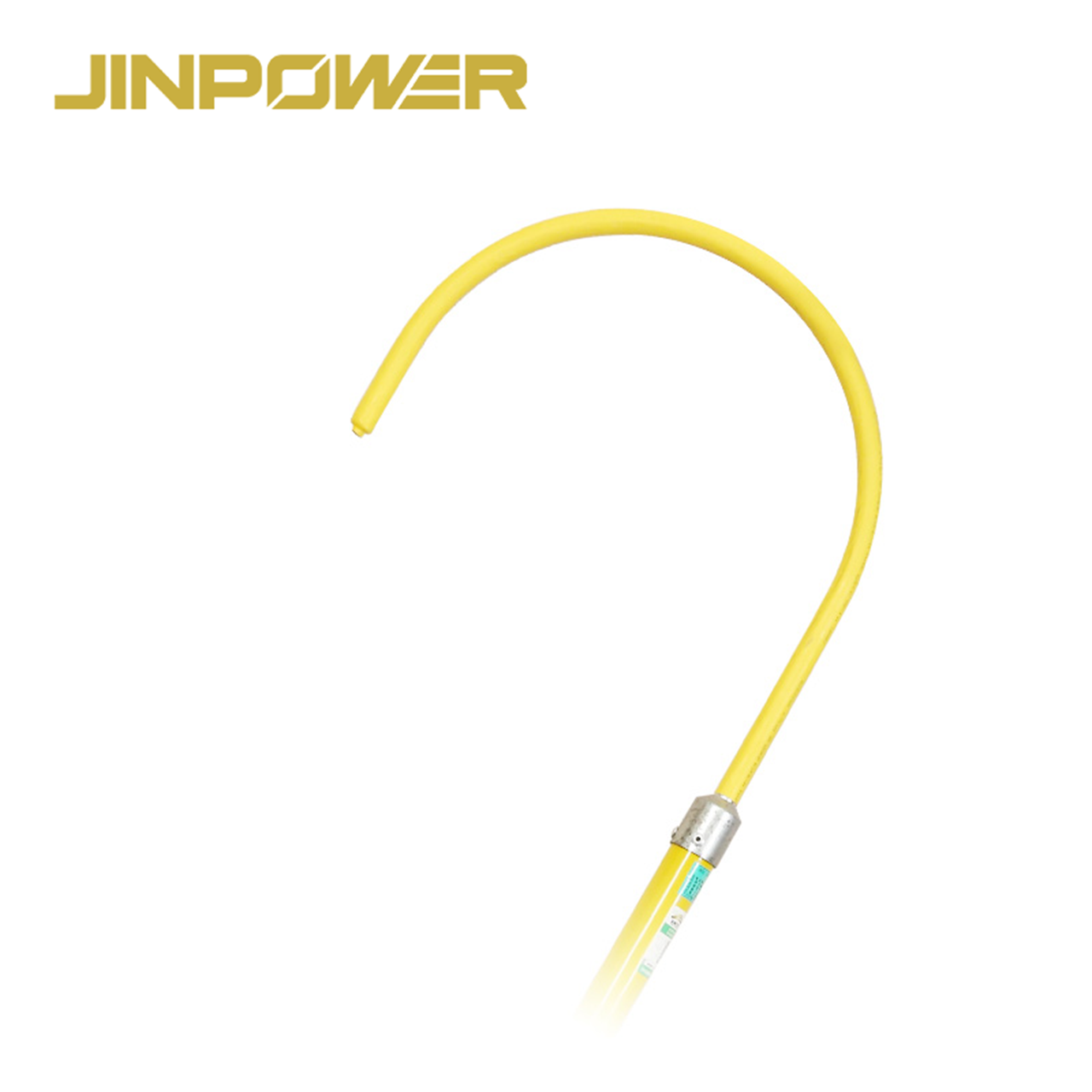
The tool normally consists of an insulating FRP pole and a hook-shaped rescue head. The pole provides reach and an insulating structure, while the hook gives the rescuer a controlled contact point for assisting the affected person.
Electrical rescue hooks are not everyday operating tools. They are emergency-response equipment intended to be stored in visible, accessible locations where electrical incidents may occur.
Why Are Electrical Rescue Hooks Important?
During an electrical accident, an affected person may be unable to move away from the hazard without assistance.
Trying to make direct physical contact before the electrical hazard is properly understood can expose another person to electrical risk.
A dedicated insulating rescue hook gives trained personnel an additional reach distance during emergency response and helps avoid immediate direct hand contact with the affected person.
However, the rescue hook is only one part of an emergency plan. It does not replace electrical isolation, emergency procedures, first-aid training, rescue training or site-specific safety rules.
Electrical Rescue Hook vs Ordinary Hook
A common purchasing mistake is to assume that any long hook can be used for electrical rescue. The two products are designed for very different purposes.
For electrical emergency equipment, buyers should review the actual product construction and intended application rather than selecting a tool only because it has a similar hook shape.
How Does an Insulating Rescue Hook Work?
The rescue hook allows the rescuer to maintain additional separation from the immediate incident area while using the hook head to assist in moving the affected person.
FRP Insulating Pole
The Fiberglass Reinforced Plastic pole provides the main reach and insulating structure of the rescue tool.
Its surface should remain clean, dry and free from serious damage because cracks, deep scratches, contamination or deterioration can affect the condition of electrical safety equipment.
Rescue Hook Head
The hook head provides the contact point used during rescue assistance.
It should remain mechanically secure and free from deformation, corrosion or damage that may affect controlled handling.
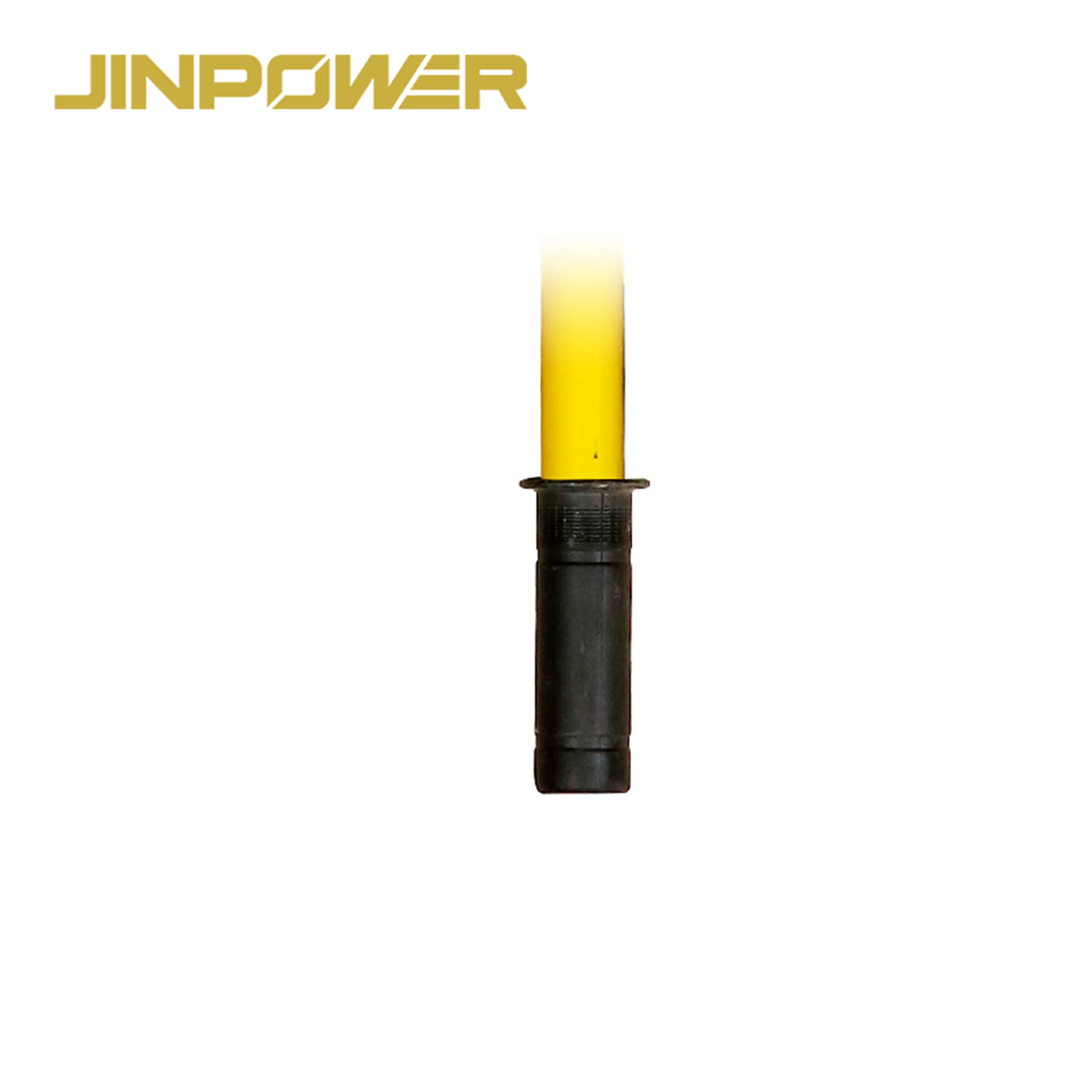
Operator Handle Area
The rescuer controls the tool from the designated handle area while following the site's approved emergency-response procedure.
Which Part Provides the Insulating Distance?
Buyers should not assume that the full physical length of the rescue hook is automatically the same as the effective insulating distance.
The required rescue distance, permitted operating position and any electrical performance requirement should be confirmed from the selected product specification and the site's emergency procedure.
How to Choose the Correct Rescue Hook Length
Longer is not automatically better. The right rescue hook length depends on the electrical environment, equipment layout, available storage space and the rescue path.
For project procurement, provide the installation environment and required reach rather than selecting the hook length only from system voltage.
Where Are Electrical Rescue Hooks Used?
Substations
Substations contain switchgear, breakers, bus systems, transformers and other electrical equipment where emergency-response planning may require dedicated rescue equipment.
Rescue hooks can be positioned at designated safety stations or other accessible locations defined by the site's emergency plan.
Switch Rooms and Electrical Control Rooms
Electrical rooms in industrial and commercial facilities may use rescue hooks as part of their emergency equipment arrangement where electrical hazards are present.
Transformer Rooms
Transformer rooms may require emergency-response equipment based on the system design, equipment layout and workplace safety procedure.
Industrial Electrical Facilities
Factories, workshops, power facilities and production sites with significant electrical equipment may include insulating rescue hooks in designated emergency stations.
Where Should an Electrical Rescue Hook Be Stored?
Emergency equipment only helps when people can find and access it quickly. Storage location is therefore part of the purchasing and installation decision.
The hook should not be hidden behind stored materials, locked away where authorized personnel cannot reach it quickly, or left in a location where the FRP pole is likely to be damaged.
Wall-Mounted Storage
A wall-mounted arrangement can keep the rescue hook visible, organized and off the floor while providing a fixed emergency-equipment location.
When planning the installation, check:
- Available wall height
- Rescue hook overall length
- Clear access to the hook
- Emergency route
- Risk of impact from doors, carts or equipment
- Environmental exposure
The exact wall bracket or storage arrangement should be confirmed with the selected product configuration.
Inspection Before Use
Because rescue hooks may spend long periods in storage, they should be included in the site's regular emergency-equipment inspection program rather than checked only after an incident occurs.
Inspect the FRP Pole
- Cracks
- Deep scratches
- Splitting or delamination
- Surface contamination
- Impact damage
- Signs of ageing or deterioration
- Moisture or other abnormal surface condition
Inspect the Hook Head
- Deformation
- Corrosion
- Mechanical damage
- Loose connection points
- Damage that may affect controlled contact
Check the Storage Condition
- The hook remains visible
- Access is not blocked
- The tool is clearly identified
- The pole is protected from unnecessary mechanical damage
- The storage location remains suitable for emergency access
Storage and Maintenance
A rescue hook may stay unused for a long time, but that does not mean it can be ignored between emergencies.
- Keep the FRP surface clean and dry
- Avoid unnecessary long-term direct sunlight exposure
- Protect the pole from chemicals, dirt and conductive contamination
- Avoid mechanical impact and deep surface damage
- Keep the rescue hook clearly identified
- Do not block access with stored materials or equipment
- Follow the facility's inspection and emergency-equipment management procedure
When Should a Rescue Hook Be Removed from Service?
Emergency equipment should not remain available for use when its condition is uncertain.
The rescue hook should be removed from normal emergency service for inspection or evaluation if you find:
- Cracks or serious damage to the FRP pole
- Deep scratches or exposed fibers
- Delamination or structural deterioration
- Severe contamination that cannot be properly removed
- Hook-head deformation or corrosion
- Loose connection between the hook and pole
- Serious impact damage
- Unclear product identification where identification is required
- Any condition that creates doubt about the mechanical or insulating integrity of the tool
Buyer Checklist Before Ordering Electrical Rescue Hooks
JINPOWER Pre-Shipment Checks
For utility, EPC, industrial and distributor orders, the supplied rescue hook should match the confirmed project configuration before shipment.
Typical pre-shipment review items include:
- Product type and configuration
- FRP pole condition
- Overall length according to the confirmed order
- Hook-head condition
- Connection between hook and pole
- Wall-mounting or storage accessories where ordered
- Product identification
- Quantity
- Packaging
- Required technical documentation
Project and OEM Supply
JINPOWER supports utilities, electrical contractors, EPC projects, industrial facilities and safety equipment distributors requiring rescue hooks for multiple emergency stations.
Depending on the confirmed product configuration, project discussions can include:
- Rescue hook length
- Storage configuration
- Product labeling
- Project identification
- Packaging
- Technical documentation
- Bulk supply requirements
How Does a Rescue Hook Fit Into an Electrical Safety System?
An insulating rescue hook deals with emergency response. It does not perform the same job as routine electrical operating or testing equipment.
Related JINPOWER product categories includeHot Sticks and Insulated Operating Tools,Voltage Detectors,Grounding EquipmentandElectrical Safety PPE.
Why Source Electrical Rescue Hooks from JINPOWER?
Focused on Electrical Safety Applications
JINPOWER focuses on electrical safety equipment for utility, industrial and infrastructure applications, so rescue hooks are treated as part of a complete electrical emergency-response system rather than as a general-purpose hook.
Application-Based Selection
We recommend selecting the rescue hook around the required reach, electrical environment, installation location and storage arrangement instead of choosing only by appearance.
Project and Distribution Supply
For contractors, utilities and distributors, product configuration, quantity, documentation and packaging requirements can be confirmed before quotation and production.
Frequently Asked Questions About Electrical Rescue Hooks
What is an electrical rescue hook used for?
It is emergency equipment used to assist in moving a person away from an electrical danger area while giving the rescuer additional distance from the immediate incident location.
Can an ordinary hook replace an electrical rescue hook?
No. A general-purpose hook is not designed as electrical emergency equipment and should not be assumed to provide the same insulating structure or application suitability.
Is an electrical rescue hook a daily operating tool?
No. Rescue hooks are intended for emergency response. Hot sticks and clampsticks serve different roles in routine electrical operating and maintenance work.
Where should a rescue hook be stored?
It should be stored in a clearly identified and accessible location defined by the facility's emergency plan, with the pole protected from damage and unnecessary contamination.
How do I choose rescue hook length?
Choose the length based on the required rescue reach, equipment layout, available operating space and storage location. Do not select length only from the system voltage.
Is the full hook length the same as the insulating distance?
Not automatically. Overall tool length and effective insulating separation are different concepts. The selected product specification and site safety requirements should be reviewed before use.
Should a rescue hook be inspected even if it has never been used?
Yes. Emergency equipment can deteriorate during storage because of impact, contamination, sunlight, chemicals or other environmental conditions. It should be included in the site's regular inspection program.
Can JINPOWER provide wall-mounted rescue hooks?
Wall-mounted storage configurations are available according to the selected product and project requirement. Confirm the required hook length, storage location and mounting requirement when requesting a quotation.
Can the rescue hook length be customized?
Length and other project requirements can be discussed according to the selected configuration and actual application.
Request Electrical Insulating Rescue Hook Details
If you are sourcing electrical insulating rescue hooks for substations, switch rooms, industrial facilities, EPC projects or electrical safety distribution, send JINPOWER the actual emergency-response application rather than only asking for a rescue hook price.
Please provide the installation environment, required reach or hook length, quantity, wall-mounting requirement, documentation requirement and any project-specific identification or packaging needs.
JINPOWER can then confirm a suitable rescue hook configuration before quotation and project approval.
Inquiry