
 English
 Español
 Português
 Français
 Deutsch
 русский
 한국어
한국어 にほんご
にほんご हिन्दी, हिंदी
 বাংলা
বাংলা Bahasa Indonesia
 Türkçe
 Việt
Việt dansk
dansk čeština
 עִבְרִית Ivrit
 Filipino/Pilipino
 български език (Bǎlgarski jazik)
 suomi
suomi norsk
norsk język polski
 ไทย
ไทย ກະຣຸນາ
 Bahasa Melayu
 ភាសាខ្មែរ
 ဗာရမ်
ဗာရမ် اردو
اردو فارسی
فارسی Italiano
 Nederlands
 svenska
 Монгол хэл
 नेपाली
 සිංහල
සිංහල Ўзбек тили
 پښتوتۆرکجه
 Ελληνικά
 српски / srpski
 magyar
 українська
 Kiswahili
 Қазақ тілі
 Română
 Hrvatski
 Bosanski
 Kreyòl ayisyen
 አማርኛ
አማርኛ Hausa
Hausa Yorùbá
 Igbo
Igbo‹

›

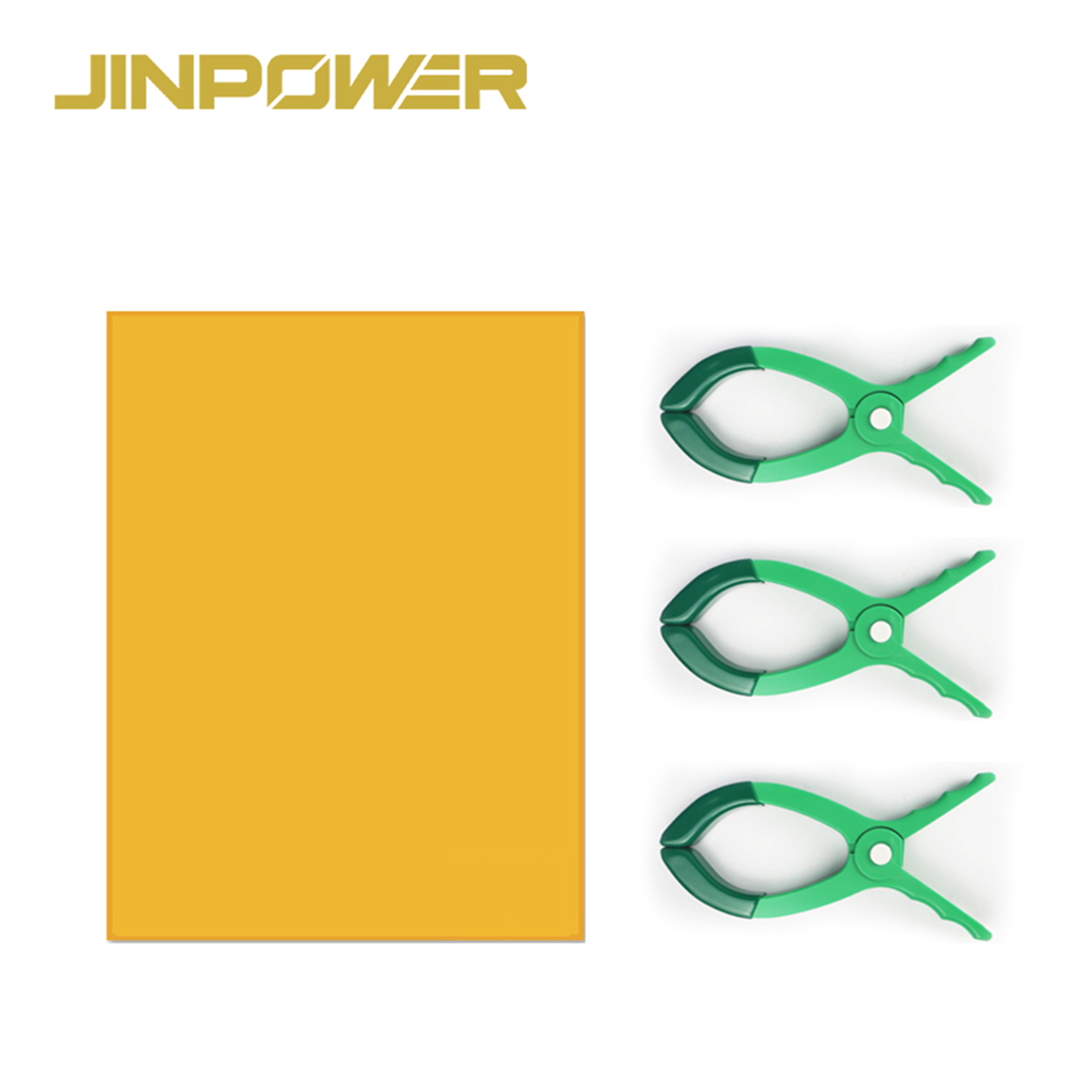
Electrical Insulating Blankets for Low- and High-Voltage Work
JINPOWER supplies electrical insulating blankets for temporary insulation around energized conductors, busbars, switchgear, cable terminations and other exposed electrical parts. They provide a flexible insulating barrier when technicians need to work close to energized equipment.
Unlike electrical insulating mats that are normally placed on the floor, insulating blankets are positioned over or around the electrical hazard itself. Their flexible construction makes them suitable for irregular equipment, confined switchgear bays and locations where a rigid insulating cover is difficult to install.
JINPOWER supports electrical utilities, EPC contractors, industrial maintenance teams and electrical safety distributors with Class 0 to Class 4 options, project-specific configurations and technical documentation for purchasing and acceptance.
All Products
Stay Connected
If you have any questions, please contact us and we will contact you as soon as possible.
Prduct Introdution
What Is an Electrical Insulating Blanket?
An electrical insulating blanket is a flexible protective barrier used to cover exposed energized parts or nearby electrical hazards during maintenance, testing, installation and live-working procedures.
The blanket helps reduce the risk of inadvertent contact with energized components. It can be draped, wrapped or secured around equipment where temporary electrical insulation is required.
Typical coverage points include busbars, conductors, terminals, cable joints, switchgear components and electrical connections that remain close to the work area.
Why Flexible Electrical Cover-Up Matters
Electrical equipment does not always have simple flat surfaces. Busbars, cable connections, terminals and switchgear mechanisms often include curves, corners and limited clearances.
A flexible insulating blanket can conform more easily around these irregular parts than many rigid covers. This gives crews a practical way to create temporary insulation around the actual hazard while keeping the work area accessible.
The selected blanket class, size and installation method should always match the system voltage, work procedure and site safety requirements.
Key Features of JINPOWER Electrical Insulating Blankets
Flexible Insulating Protection
The flexible construction allows the blanket to cover conductors, busbars and irregular electrical components where fixed protective covers may not fit easily.
Class 0 to Class 4 Options
Different insulation classes are available for low- and high-voltage applications. Buyers can select the required class according to the nominal system voltage and applicable work procedure.
Temporary Cover-Up for Electrical Work
The blanket can be used as temporary shielding during inspection, testing, equipment servicing and electrical maintenance when adjacent energized parts must remain covered.
Suitable for Irregular Equipment
Flexible blanket construction makes it easier to provide coverage around cable terminations, switchgear parts, busbars and other equipment with complex geometry.
Project-Specific Supply
Dimensions, format, fixing requirements, markings and packaging can be discussed according to the project specification and purchasing requirements.
Electrical Insulating Blanket Class and Voltage Selection
The insulation class is one of the most important points to confirm before ordering. JINPOWER provides Class 0 through Class 4 options covering nominal use voltages from 1 kV to 36 kV.
The final class should be selected according to the nominal system voltage, applicable standard, national requirements and the customer's electrical safety procedure. Do not select a blanket only by equipment name or appearance.
Standards for Electrical Insulating Blankets
Electrical insulating blankets are commonly specified according to standards such as IEC 61112 or ASTM D1048. The required standard should be confirmed at the RFQ stage because classification, testing, marking and acceptance requirements may differ between projects.
For utility, EPC and tender purchases, we recommend including the required standard, class and nominal system voltage directly in the purchase specification.
Sheet, Roll and Project-Specific Formats
Sheet Insulating Blankets
Sheet-format blankets are suitable for defined coverage points such as individual busbars, terminals, cable connections and exposed switchgear components. They are convenient where crews need to position and remove the barrier repeatedly at specific work points.
Roll Insulating Blankets
Roll formats can be considered when longer continuous areas need temporary coverage. They may be useful along equipment lineups or for project applications where standard individual sheets do not provide enough coverage.
Custom Coverage Requirements
For irregular equipment or project-specific working zones, JINPOWER can discuss custom dimensions, fixing points, warning markings and other configuration requirements. Final availability depends on the selected material, class and project specification.
Main Applications of Electrical Insulating Blankets
Covering Energized Conductors and Busbars
Insulating blankets can be placed over exposed conductors, busbars and connection points to reduce the risk of accidental contact while personnel work nearby.
Substations and Switchgear
In substations and switchgear rooms, blankets can be used around busbars, switches, terminals and adjacent energized parts during inspection, testing or maintenance.
Live-Line and Energized-Proximity Work
Where approved procedures allow work close to energized equipment, insulating blankets can provide temporary cover-up protection for adjacent hazards. The blanket must be correctly classified, positioned and secured according to the work procedure.
Cable Joints and Terminations
Cable terminations and joint areas often have irregular shapes and limited working space. Flexible insulating blankets can provide temporary shielding where rigid covers are difficult to apply.
Industrial Panels and Electrical Cabinets
Insulating blankets can be used during maintenance of industrial panels, MCCs and electrical cabinets to shield exposed electrical parts close to the technician's working position.
Overhead and Distribution Line Maintenance
For approved line-maintenance procedures, electrical insulating blankets can be used as part of a cover-up system around conductors and nearby hardware. Correct class selection and secure installation are essential.
Testing and Documentation for Buyer Approval
For professional electrical safety procurement, buyers should evaluate more than product appearance. Blanket class, dielectric performance, physical condition and traceability should be included in the acceptance process.
Depending on the product specification and order requirements, inspection and testing may include:
- Dielectric proof testing according to the required class
- Thickness and dimensional verification
- Surface and visual inspection
- Tensile, tear or other mechanical checks where required
- Product marking and identification checks
Documents Buyers Can Request
For project review, tender documentation and incoming inspection, buyers can discuss the required documentation with JINPOWER before ordering.
- Certificate of Conformity
- Relevant product test report
- Class and model identification
- Lot or production-date traceability
- Order-specific marking information where required
Electrical Insulating Blanket vs. Electrical Insulating Mat
Electrical insulating blankets and electrical insulating mats serve different purposes and should not be treated as interchangeable products.
Shock Protection Scope: Not an Arc Flash Blanket
This product is an electrical insulating blanket intended for shock protection and inadvertent-contact shielding around energized electrical parts.
It should not be treated as an arc flash blanket unless a specific product has been designed, tested and rated for that purpose. Electrical insulating blankets do not replace arc-rated clothing, arc flash PPE, engineered barriers or the electrical safety procedures required by the site.
Inspection Before Use
Electrical insulating blankets should be checked before use. Damage or contamination can affect the protection provided by the blanket.
Before installation, check for:
- Cuts, cracks or punctures
- Burn marks or heat damage
- Deep creases or abnormal hardening
- Oil, grease, dust or conductive contamination
- Damaged edges or fixing points
- Unreadable class, model or traceability markings
Any blanket with questionable physical condition or failed electrical testing should be removed from service according to the user's safety procedure.
Care and Storage
Correct storage helps protect the blanket from premature physical damage and contamination.
- Keep blankets clean and fully dry before storage
- Use mild, non-solvent cleaning methods suitable for the product material
- Store flat or loosely rolled rather than sharply folded
- Keep away from direct sunlight and excessive heat
- Avoid sharp edges, crushing loads and heavy tools
- Use suitable bags, racks or cabinets where practical
OEM and Project-Based Supply
JINPOWER supports electrical utilities, distributors, EPC contractors and industrial project buyers with project-based electrical insulating blanket supply.
Depending on the selected blanket specification, customization can be discussed for:
- Sheet dimensions
- Roll width and length
- Required insulation class
- Edge or fixing configuration
- Warning and identification markings
- Project-specific labels
- Packaging and field kits
Why Source Electrical Insulating Blankets from JINPOWER?
Electrical Safety Product Manufacturer
JINPOWER supplies a broad range of electrical safety equipment, allowing buyers to source insulating blankets together with other products required for electrical maintenance and project safety.
Class and Application Selection Support
For project inquiries, our team can review the requested voltage class, work environment, blanket format and application before quotation.
Testing and Traceability Support
Test documentation, product identification and traceability requirements can be discussed during order confirmation to support project acceptance and repeat purchasing.
Supply for Distributors and Projects
We support bulk procurement, distributor supply and project-specific requirements instead of treating every electrical insulating blanket as a single standard commodity product.
FAQ
What are electrical insulating blankets used for?
They are used as temporary flexible barriers over or around energized electrical parts to reduce the risk of inadvertent contact while authorized work is carried out nearby.
Which electrical insulating blanket class should I order?
Select the class according to the nominal system voltage, applicable IEC or ASTM requirement, and your approved work procedure. Include the required class and system voltage in your RFQ whenever possible.
What is the difference between an insulating blanket and an insulating mat?
An insulating blanket covers energized parts in the work area. An insulating mat is normally installed on the floor to provide an insulated standing surface.
Is an electrical insulating blanket the same as an arc flash blanket?
No. This electrical insulating blanket is intended for shock protection and inadvertent-contact shielding. It should not be considered an arc flash blanket unless the specific product is separately designed and rated for that purpose.
Can JINPOWER provide custom blanket sizes?
Project-specific sizes and configurations can be discussed according to the required material, insulation class, application and order quantity.
What should I include in an RFQ for electrical insulating blankets?
For a faster technical review, provide the applicable standard, required class, nominal system voltage, blanket size or coverage area, quantity, application environment and any testing or documentation requirements.
Request Electrical Insulating Blanket
If you are sourcing electrical insulating blankets for a utility, substation, switchgear project, industrial facility or distribution business, send JINPOWER your technical requirements for review.
For an accurate quotation, please provide:
- Required standard: IEC 61112 / ASTM D1048 or project specification
- Insulation class
- Nominal system voltage
- Required size or coverage area
- Quantity
- Application environment
- Required test documents or markings
Our team will review the application and recommend a suitable electrical insulating blanket configuration for your procurement requirements.
Inquiry