
 English
 Español
 Português
 Français
 Deutsch
 русский
 한국어
 にほんご
 हिन्दी, हिंदी
 বাংলা
 Bahasa Indonesia
 Türkçe
 Việt
 dansk
 čeština
 עִבְרִית Ivrit
 Filipino/Pilipino
 български език (Bǎlgarski jazik)
 suomi
 norsk
 język polski
 ไทย
 ກະຣຸນາ
 Bahasa Melayu
 ភាសាខ្មែរ
 ဗာရမ်
 اردو
 فارسی
 Italiano
 Nederlands
 svenska
 Монгол хэл
 नेपाली
 සිංහල
 Ўзбек тили
 پښتوتۆرکجه
 Ελληνικά
 српски / srpski
 magyar
 українська
 Kiswahili
 Қазақ тілі
 Română
 Hrvatski
 Bosanski
 Kreyòl ayisyen
 አማርኛ
 Hausa
 Yorùbá
 Igbo
‹
›
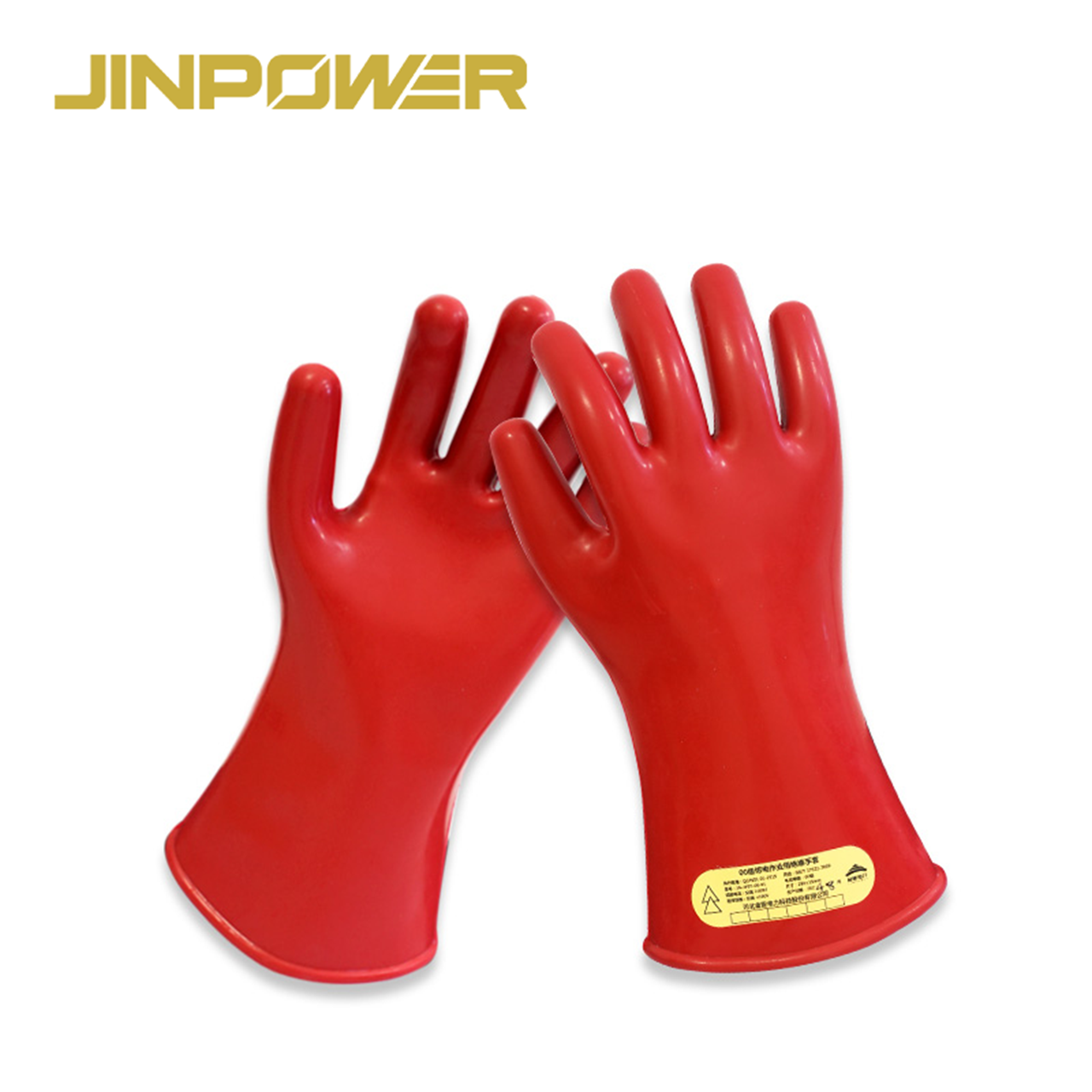
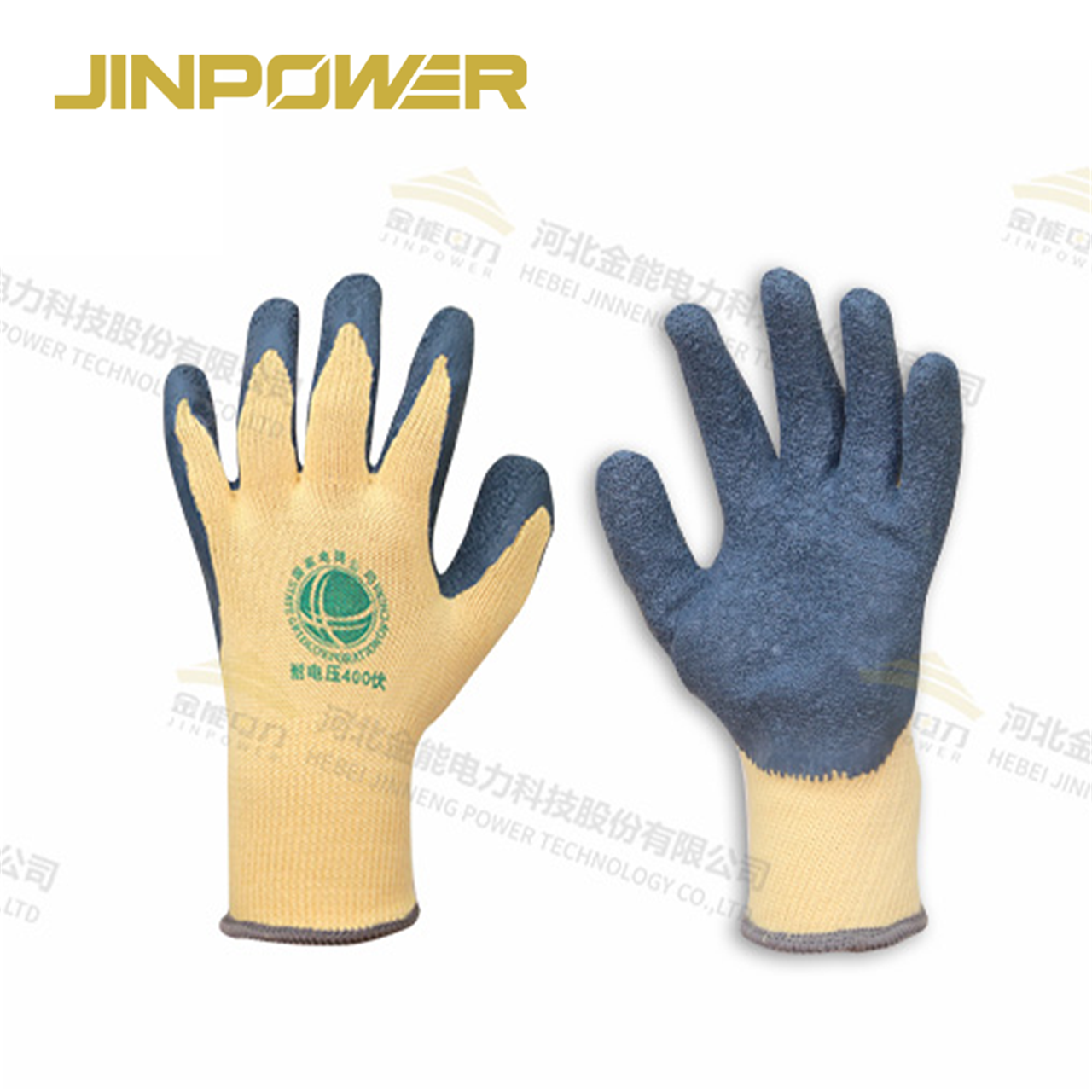
Electrical Insulating Rubber Gloves for Low- and High-Voltage Work
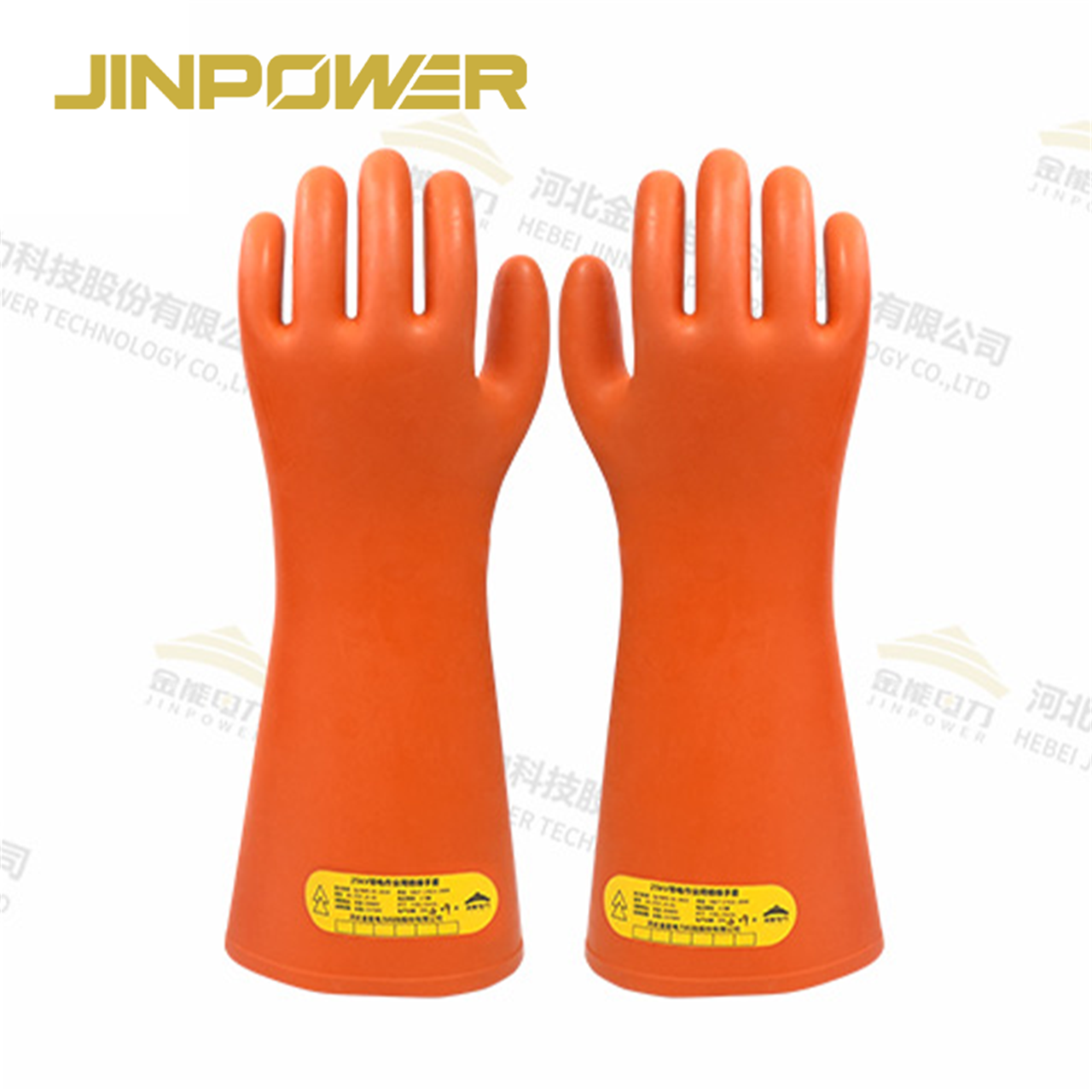
JINPOWER supplies electrical insulating rubber gloves for utility companies, substations, electrical contractors, industrial maintenance teams and electrical safety distributors.
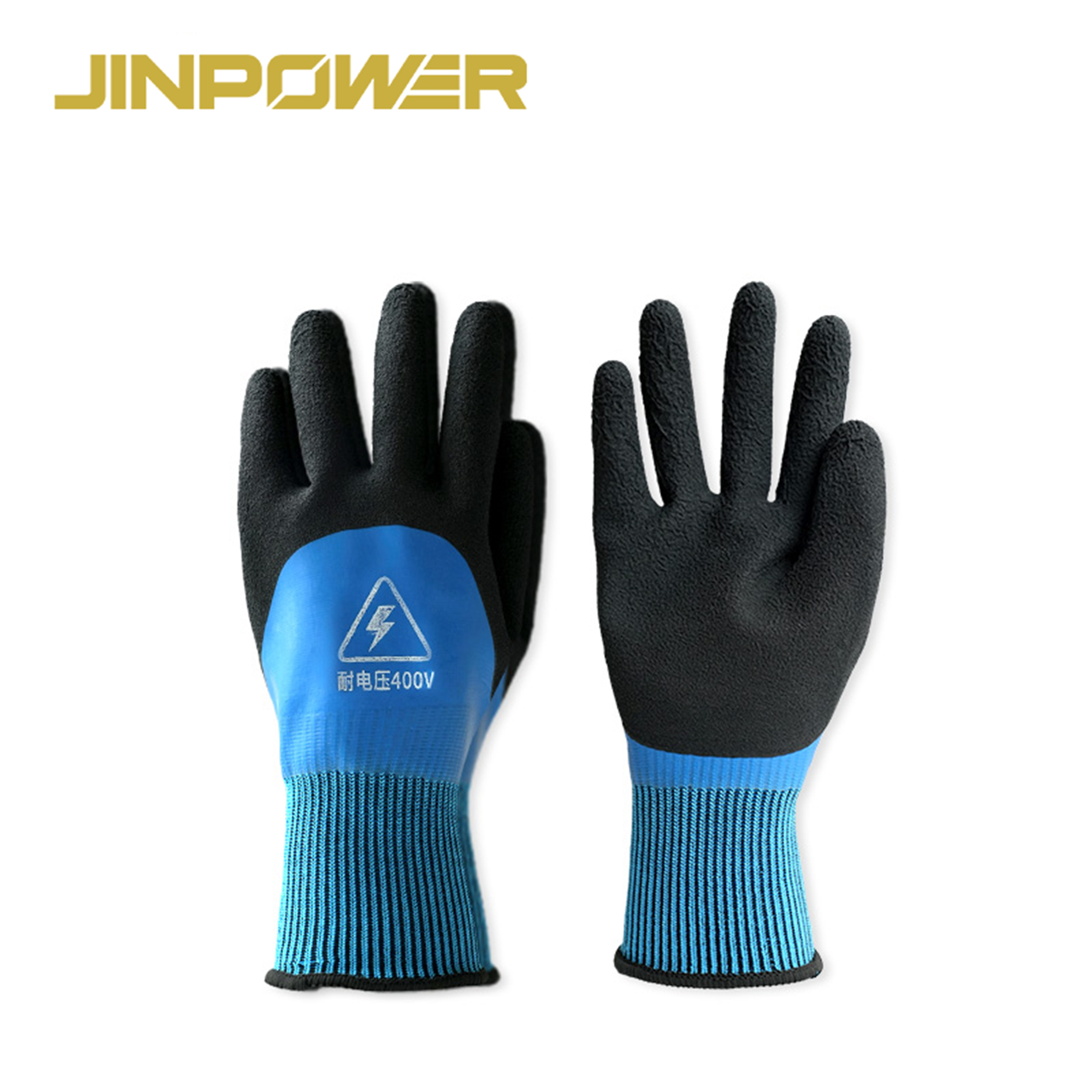
Our product range covers low-voltage maintenance as well as higher-voltage electrical applications. Available options include 400V glove models, Class 00 insulating gloves and 12kV, 25kV and 35kV rubber insulating glove ranges for different project requirements.
For professional electrical PPE procurement, glove selection should never be based only on the voltage number shown in a product name. Working voltage, proof-test voltage, applicable class, glove material, length, fit, protector requirements and technical documentation should all be reviewed before approval.
All Products
Stay Connected
If you have any questions, please contact us and we will contact you as soon as possible.
Prduct Introdution
Product Highlights
- Electrical insulation protection for professional electrical work
- Low- and high-voltage product ranges available
- Natural rubber high-voltage glove options
- Class-based and voltage-based purchasing options
- Suitable for utility, substation and industrial applications
- Technical documentation support for project procurement
- Bulk supply and OEM discussion for distributors and contractors
JINPOWER Electrical Insulating Glove Range
Different crews and voltage environments require different glove configurations. JINPOWER offers multiple electrical glove ranges so buyers can build a product portfolio around actual field applications.
The voltage number used in a product name may describe a test value, product series or market designation. The technical datasheet and applicable standard of the selected glove should always govern final approval.
Electrical Glove Class Selection Reference
The following table is useful for buyers working with the U.S. OSHA / ASTM-based Class 00–4 framework. It should be treated as a selection reference rather than a declaration that every JINPOWER glove model automatically holds every listed class.
For projects following IEC 60903, ASTM D120, national utility requirements or another market-specific specification, buyers should confirm the exact class, marking and supporting documentation required for the destination market.
Selected High-Voltage Glove Physical Properties
For selected JINPOWER high-voltage natural-rubber glove models, available technical information includes the following physical and mechanical properties:
These values apply to selected high-voltage product configurations and should not be assumed for every low-voltage or coated glove model. Buyers should review the technical sheet for the exact product being ordered.
What Are Electrical Insulating Rubber Gloves?
Electrical insulating rubber gloves are specialized personal protective equipment designed to provide hand insulation when qualified workers perform approved tasks on or near energized electrical equipment.
They are different from ordinary industrial gloves because their primary safety function is electrical insulation. Depending on the model and applicable standard, electrical insulating gloves are classified or tested according to defined voltage requirements.
Typical applications include switchgear operation, substation maintenance, transformer work, transmission and distribution maintenance, electrical installation, testing and industrial electrical servicing.
Electrical insulating gloves should always be selected as part of a complete electrical safety system. They do not replace safe isolation procedures, voltage verification, grounding requirements, arc-flash protection or other PPE required by the task.
Are All Rubber Gloves Electrically Insulating?
No. The fact that a glove contains rubber does not automatically make it suitable for electrical protection.
For electrical procurement, buyers should therefore verify the exact glove model and technical documentation rather than relying on material appearance alone.
Understanding Working Voltage, Proof Voltage and Withstand Voltage
One of the most common mistakes in electrical glove procurement is treating every voltage number as the same type of rating.
Maximum Use or Working Voltage
Maximum use voltage defines the electrical exposure limit associated with the applicable glove class or product specification. This is the value buyers should review when matching gloves to the intended electrical environment.
Proof-Test Voltage
Proof-test voltage is a higher test voltage applied under controlled test conditions to verify the dielectric integrity of the insulating equipment.
A glove tested at a particular proof voltage should not automatically be used at that same voltage in service.
Dielectric or Withstand Performance
Some technical documents also provide dielectric-strength or withstand data. These values describe test performance and should not be substituted for the permitted working-voltage classification.
Test Voltage Is Not the Same as Maximum Working Voltage
This distinction is critical when reviewing insulating glove quotations.
For example, a Class 00 glove may be proof-tested at a substantially higher voltage than its maximum permitted use voltage. The higher test number demonstrates test performance; it does not define the voltage at which the glove may automatically be used in the field.
For this reason, JINPOWER recommends that buyers provide the actual system voltage, required standard and project specification when requesting a quotation.
Why Rubber Quality Matters Beyond Voltage Testing
Dielectric performance is essential, but a professional insulating glove must also remain flexible and mechanically stable during repeated field use.
Important material properties include tensile strength, elongation, hardness, ageing resistance and low-temperature performance. These characteristics influence how well a glove maintains its condition during gripping, bending, outdoor use and repeated inspection.
Selected high-voltage glove material and physical-property data are shown in the technical table near the top of this page. Final approval should always be based on the exact glove model and its supporting technical documentation.
Rubber Insulating Gloves and Leather Protector Gloves
Rubber insulating gloves and leather protector gloves perform different functions.
For U.S. OSHA-regulated work, protector gloves are generally required over rubber insulating gloves, subject to limited exceptions defined by the applicable regulation.
For other markets, the use of protector gloves should follow the applicable standard, employer safety procedure and selected glove instructions.
A fabric liner used for comfort should not be confused with a leather protector designed for mechanical protection.
Typical Applications for Electrical Insulating Gloves
Switchgear and Electrical Panels
Electrical insulating gloves may be required during approved inspection, switching, testing and maintenance activities around switchboards, distribution panels and electrical cabinets.
Substation Maintenance
Substation personnel may work around breakers, disconnect switches, transformers, bus systems and other energized equipment where electrical PPE selection must match the voltage and task.
Transformer Inspection and Service
Transformer-related work may require insulating gloves as one part of a broader protection system, together with voltage verification, grounding equipment and other PPE specified by the site procedure.
Transmission and Distribution Work
Utility crews performing transmission and distribution work require glove selection based on actual exposure, approach distance, system voltage and the applicable electrical safety program.
Industrial Electrical Maintenance
Industrial maintenance teams may use insulating gloves during approved electrical inspection, fault investigation, equipment servicing and other tasks involving electrical exposure.
How to Select Electrical Insulating Rubber Gloves
For procurement teams, the correct glove is determined by the complete application rather than by one specification.
1. Confirm the System Voltage
Start with the actual electrical system and exposure conditions. Do not select gloves by the largest number printed in a product title.
2. Confirm the Applicable Standard
Identify whether the project follows IEC 60903, ASTM D120, a national standard, utility specification or internal technical requirement.
The required document should be confirmed before production or order approval.
3. Confirm Class or Voltage Model
Some buyers purchase according to Class 00–4. Others specify a voltage-based model such as 12kV, 25kV or 35kV.
When voltage-based model names are used, ask for the corresponding working-voltage and test-voltage information instead of assuming equivalence with an international class.
4. Select the Correct Glove Length
Glove length affects forearm coverage and compatibility with protector gloves and other PPE.
JINPOWER product configurations include different lengths depending on glove type and voltage range. Confirm the required length in the RFQ.
5. Confirm Size and Fit
A glove that is too tight can restrict hand movement and increase fatigue. A glove that is too loose may reduce dexterity and make tool handling more difficult.
For bulk procurement, confirm crew size distribution before ordering.
6. Evaluate Mechanical Protection
Electrical insulation does not automatically provide sufficient resistance to cuts, abrasion or puncture.
Confirm whether protector gloves are required by the applicable standard, employer procedure or work environment.
7. Review Technical Documentation
Before approving a supplier, review the technical data associated with the exact glove model.
- Working or maximum use voltage
- Proof-test voltage
- Glove class where applicable
- Material
- Length and size
- Applicable standard
- Test report or supporting documentation
- Marking and traceability requirements
Inspection Before Using Electrical Insulating Gloves
Rubber insulating gloves can lose protective integrity through physical damage, ageing, contamination or improper storage. Inspection is therefore part of safe use, not an optional maintenance step.
Check the Rubber Surface
Look for conditions such as holes, cuts, tears, punctures, cracking, ozone damage, embedded foreign material, hardening, softening, swelling, or sticky and inelastic areas.
Check the Cuff and Markings
Inspect the cuff for tearing or deformation and confirm that required product identification remains legible.
Air Test and Required Inspection Procedure
Inspection methods should follow the applicable standard, workplace procedure and manufacturer instructions.
For U.S. OSHA-regulated use, insulating gloves must receive an air test together with the required inspection before each day's use and immediately following any incident that can reasonably be suspected of causing damage.
Storage and Electrical Retesting
Correct storage helps prevent premature deterioration of rubber insulating gloves.
Protect gloves from direct sunlight, excessive heat, ozone sources, excessive humidity, oil and damaging chemicals, sharp objects, and improper folding or compression.
The electrical retest interval depends on the applicable jurisdiction, standard and employer safety program.
For U.S. OSHA-regulated workplaces, rubber insulating gloves are electrically tested before first issue and every six months thereafter, with additional testing required in specified circumstances such as after repair, when insulating value is suspected, or after use without protector gloves.
Buyers operating in other markets should follow the applicable local requirements rather than applying one universal retest interval.
When Should Insulating Gloves Be Removed from Service?
Insulating gloves should not remain in service when their physical or electrical condition is uncertain.
Remove gloves from service when there is a hole, tear, puncture or cut; ozone cracking or checking; an embedded foreign object; abnormal swelling; softening or hardening; sticky or inelastic rubber; damage that may reduce insulating integrity; or failure of the required electrical test.
Electrical PPE should never remain in service simply because visible damage appears small.
Testing and Documentation for Buyer Approval
For utilities, EPC contractors and electrical PPE distributors, supplier approval should include document review as well as product inspection.
What JINPOWER Reviews Before Shipment
For electrical PPE orders, product consistency is important. For project and bulk orders, pre-shipment review can be aligned with the confirmed purchase specification.
Review items can include glove model and product configuration, appearance condition, size and length confirmation, marking and label review, packaging confirmation, quantity verification and technical-document matching.
If your project requires specific acceptance documents, inspection records or packaging identification, include them in the purchase specification before production.
OEM and Bulk Supply for Electrical PPE Buyers
JINPOWER supports electrical PPE distributors, utility contractors and project buyers requiring repeat or bulk glove procurement.
Depending on the selected model and confirmed project requirements, supply discussions may include product range selection, size combination, glove length requirements, product marking, branding requirements, packaging requirements, technical documentation and bulk delivery planning.
Build a Complete Electrical PPE System
Insulating gloves protect the hands, but electrical safety normally requires multiple layers of protection according to the task.
For broader project procurement, buyers can also review our PPE for Electrical Safety range.
Related products include Electrical Insulating Boots for foot protection, Electrical Safety Helmets for head protection, and Electrical Insulating Rubber Mats for insulating floor protection.
For a task-based overview of utility PPE, testing tools and grounding equipment, see our Utility Electrical Safety Equipment Guide.
Why Source Electrical Insulating Gloves from JINPOWER?
Focused on Electrical Safety Equipment
JINPOWER focuses on electrical safety equipment used by utilities, substations, contractors and industrial maintenance teams rather than treating insulating gloves as a general-purpose PPE product.
Low- and High-Voltage Product Coverage
Our glove portfolio allows professional buyers to discuss different application ranges instead of relying on one universal glove for every electrical task.
Procurement and Documentation Support
We support distributors, contractors and project purchasers in confirming technical requirements before quotation, including voltage range, model, size, documentation, packaging and delivery requirements.
What to Include in Your Insulating Gloves RFQ
Providing complete technical information at the inquiry stage reduces the risk of receiving a glove that does not match the project requirement.
Frequently Asked Questions About Electrical Insulating Rubber Gloves
What are electrical insulating rubber gloves used for?
They are used as electrical PPE for approved work on or near energized electrical equipment. Typical applications include switchgear operation, substations, transformers, utility systems and industrial electrical maintenance.
Are ordinary rubber gloves safe for electrical work?
Ordinary rubber gloves should not be assumed to provide verified electrical insulation. Electrical work requires gloves selected and tested according to the appropriate electrical rating and safety requirements.
What is the difference between test voltage and working voltage?
Test or proof voltage is used to evaluate the dielectric integrity of the glove under controlled conditions. Maximum use or working voltage is the value used when determining the permitted electrical application. The two values should not be treated as interchangeable.
How do I choose the correct electrical glove class?
Start with the system voltage and applicable safety standard. Then confirm the required class, product marking, size, length, protector requirements and supporting documentation.
Do rubber insulating gloves need leather protectors?
Protector requirements depend on the applicable standard and task. In U.S. OSHA-regulated electrical work, leather protector gloves are generally required over rubber insulating gloves, with only specific limited exceptions.
How often should electrical insulating gloves be tested?
The required interval depends on the applicable regulation and workplace program. For U.S. OSHA-regulated workplaces, rubber insulating gloves require periodic electrical testing at intervals not exceeding six months during service, together with additional testing in specified circumstances.
How should insulating gloves be stored?
Store them in a way that protects the rubber from sunlight, excessive heat, ozone, damaging chemicals, excessive humidity, sharp objects and deformation. Follow the product instructions and applicable electrical PPE procedure.
Can JINPOWER supply multiple insulating glove voltage ranges?
Yes. JINPOWER offers low- and high-voltage glove ranges including 400V products, Class 00 options and 12kV, 25kV and 35kV product series. Exact working voltage, class and technical data should be confirmed for the selected model.
What should distributors provide before requesting a quotation?
Provide the destination market, application, system voltage, required standard, glove class or model, size range, quantity and documentation requirements. This allows us to review the product more accurately before quotation.
Request Electrical Insulating Rubber Gloves Details
If you are sourcing electrical insulating rubber gloves for utilities, substations, EPC projects, industrial maintenance or electrical PPE distribution, send JINPOWER your technical requirements.
Please include the system voltage, applicable standard, required glove class or voltage model, size range, quantity and documentation requirements.
Our team can review the application and help you identify a suitable glove range before quotation and order confirmation.
Inquiry