
 English
 Español
 Português
 Français
 Deutsch
 русский
 한국어
 にほんご
 हिन्दी, हिंदी
 বাংলা
 Bahasa Indonesia
 Türkçe
 Việt
 dansk
 čeština
 עִבְרִית Ivrit
 Filipino/Pilipino
 български език (Bǎlgarski jazik)
 suomi
 norsk
 język polski
 ไทย
 ກະຣຸນາ
 Bahasa Melayu
 ភាសាខ្មែរ
 ဗာရမ်
 اردو
 فارسی
 Italiano
 Nederlands
 svenska
 Монгол хэл
 नेपाली
 සිංහල
 Ўзбек тили
 پښتوتۆرکجه
 Ελληνικά
 српски / srpski
 magyar
 українська
 Kiswahili
 Қазақ тілі
 Română
 Hrvatski
 Bosanski
 Kreyòl ayisyen
 አማርኛ
 Hausa
 Yorùbá
 Igbo

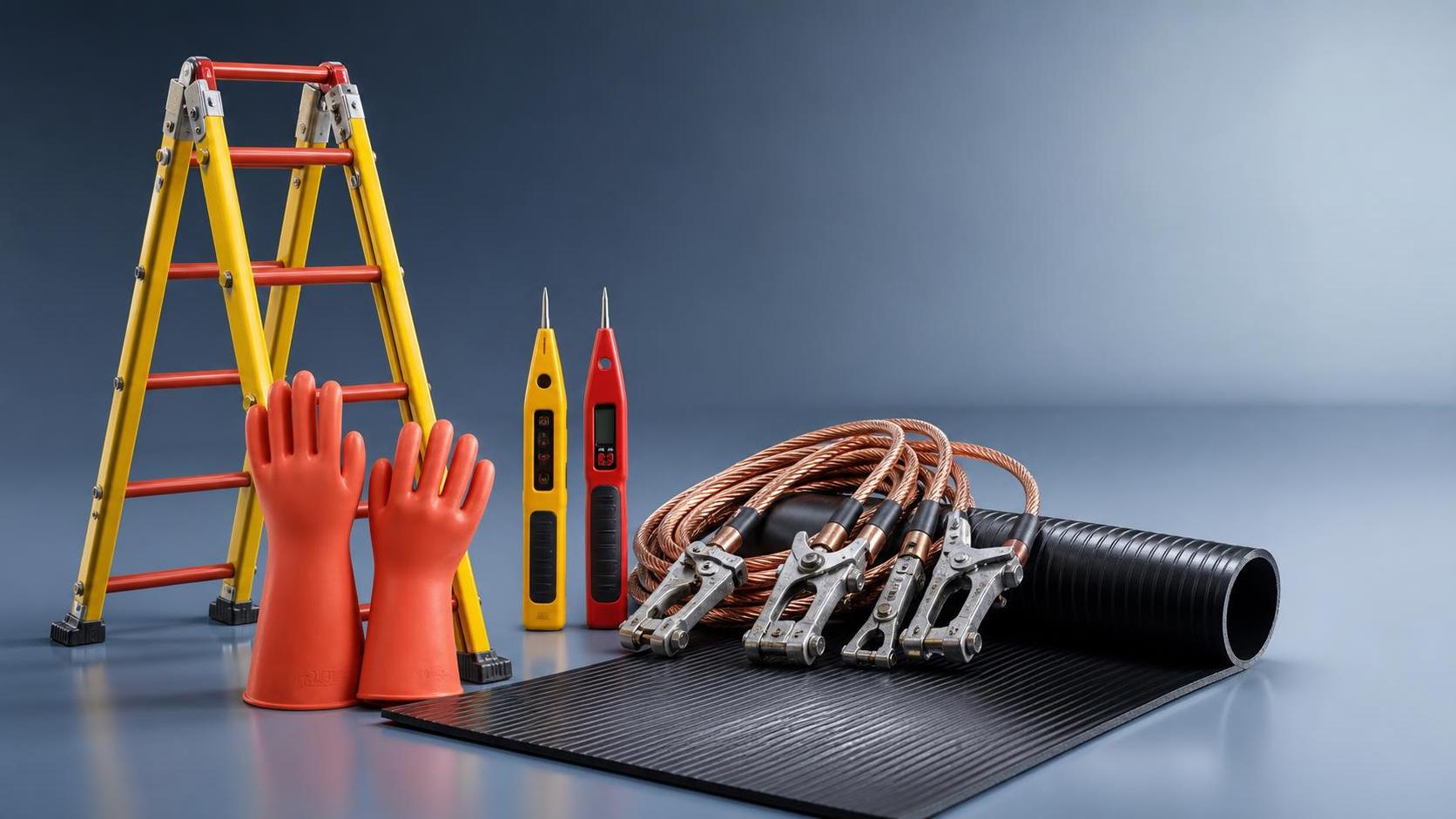
What Is An Insulating Ladder Stool?
An Insulating Ladder Stool is a specialized elevated work platform engineered to isolate users from live electrical circuits during maintenance, inspection, or installation tasks. Unlike standard step stools, it integrates certified dielectric materials—typically reinforced fiberglass-reinforced polymer (FRP) frames combined with high-dielectric elastomeric foot pads and non-conductive treads—to meet stringent electrical insulation standards.
The core function is dual: structural support at height (typically 0.6–1.2 m working height) and reliable voltage isolation up to 1,000 V AC/1,500 V DC, depending on class rating. Critical design features include non-metallic fasteners, seamless joints to prevent moisture ingress, and geometric stability under off-center loading—ensuring both physical safety and electrical integrity.
True Insulating Ladder Stool performance hinges not only on material composition but also on system-level validation: every component—including hinges, locking mechanisms, and base plates—must be verified as non-conductive and thermally stable across operational temperature ranges (−20°C to +55°C).
Why Electrical Safety Demands Rigorous Validation
In the electrical equipment and supplies sector, an unvalidated Insulating Ladder Stool represents a latent liability—not just for workers, but for contractors, utilities, and facility operators. Arc flash incidents, step potential exposure, and insulation breakdown due to unnoticed micro-cracks or surface contamination can trigger catastrophic outcomes, even when voltage levels appear low.
Jinneng Power’s approach prioritizes systemic reliability over nominal compliance. Their Insulating Ladder Stool designs integrate traceable material certifications (ASTM D149, IEC 61230), batch-specific dielectric test reports, and dimensional stability verification under cyclic thermal-humidity stress—addressing failure modes that generic suppliers often overlook.
Unlike commodity platforms built for static display or light-duty use, Jinneng Power’s Insulating Ladder Stool units are engineered for repeated field deployment in substations, switchgear rooms, and outdoor distribution networks where humidity, dust, and mechanical wear degrade insulation over time.
Who Uses Insulating Ladder Stools—and Where They’re Required
Primary users include utility lineworkers, substation technicians, industrial maintenance electricians, and third-party commissioning engineers performing live-dead-live verification. Regulatory frameworks such as OSHA 1910.269, EN 61482-2, and NFPA 70E mandate insulated access equipment for any task within the limited approach boundary of energized parts—regardless of voltage class.
Geographically, adoption is highest in North America (where ANSI A14.5 governs ladder stool safety), Western Europe (under EN 131-4), and rapidly expanding across Southeast Asia and the Middle East—driven by grid modernization and stricter occupational health enforcement. Notably, offshore wind farms and solar PV maintenance crews increasingly specify Insulating Ladder Stool models rated for salt-spray resistance and UV-stabilized polymers.
Jinneng Power supports this global demand with region-specific configurations: FRP-reinforced units for tropical humidity zones, anti-static variants for cleanroom HVAC servicing, and compact folding versions optimized for confined-space transformer bay access—each validated per local regulatory thresholds.
How Certification Testing Unfolds: Lab & Field Protocols
Certification begins with standardized laboratory testing: dielectric withstand (60-second AC/DC voltage ramp to 3× working voltage), surface resistivity measurement (>10¹² Ω/sq), and mechanical load testing (2.5× rated load applied at worst-case cantilever point). Accelerated aging cycles simulate 5 years of UV exposure, thermal cycling (−20°C ↔ +60°C), and immersion in conductive saline mist.
Field validation complements lab data with real-world stressors: repeated deployment/retraction cycles, impact resistance tests using calibrated drop weights, and post-use insulation resistance re-measurement after simulated rain exposure. Third-party labs document pass/fail criteria transparently—no extrapolation or statistical sampling permitted for Class 0–2 Insulating Ladder Stool ratings.
Jinneng Power subjects every production batch to full-sample dielectric retesting—not just first-article verification. Their quality control includes infrared thermography during high-voltage hold tests to detect localized heating anomalies indicative of internal voids or resin delamination—providing evidence far beyond basic pass/fail certificates.
How Manufacturing Integrity Shapes Long-Term Performance
A robust Insulating Ladder Stool requires precision manufacturing—not just compliant materials. Jinneng Power employs CNC-machined FRP extrusion dies, vacuum-assisted resin transfer molding (VARTM) for consistent fiber-to-resin ratios, and laser-guided assembly to ensure ±0.3 mm joint tolerances. Each unit undergoes automated torque verification for non-metallic fasteners and ultrasonic weld integrity scanning for polymer interfaces.
Critical process controls include humidity-monitored curing ovens (<45% RH), batch-traceable raw material logs, and post-cure dielectric screening before final packaging. Unlike stamped or injection-molded alternatives, Jinneng Power’s structural components avoid molded-in stress concentrations—reducing long-term creep deformation under sustained load.
Their integrated quality system aligns with ISO 9001:2015 Clause 8.5.1 (production control) and IEC 61482-1-1 Annex B (electrical protective equipment validation)—ensuring repeatability across production runs without reliance on post-manufacture rework or field retrofitting.
When To Replace—And How TCO Transcends Upfront Cost
Insulating Ladder Stool service life is governed by usage intensity—not calendar time. Daily field use in humid environments warrants biannual dielectric retesting; indoor controlled settings may extend intervals to 18 months—but never beyond 24 months without documented verification. Visible surface crazing, chalking, or loss of tread texture signals mandatory retirement—even if voltage rating appears intact.
Total cost of ownership (TCO) includes inspection labor, downtime during certification lapses, replacement logistics, and incident-related liabilities. Jinneng Power’s modular design reduces TCO through replaceable foot pads, field-serviceable hinge assemblies, and RFID-tagged units enabling automated calibration tracking—cutting administrative overhead by up to 35% versus non-integrated solutions.
Investment rationale shifts when comparing $320 entry-tier units against $580 Jinneng Power Insulating Ladder Stool models: the latter typically extends usable life by 3.2 years (per IEEE 1686-2022 field study benchmarks), avoids two unplanned replacements per 5-year cycle, and eliminates 100% of retest-related site mobilization costs via embedded test port access.
Future Trends Shaping Insulating Ladder Stool Evolution
Three converging trends define the 2026 horizon: First, smart integration—embedded strain gauges and capacitive proximity sensors now feed real-time load and proximity alerts to mobile dashboards, enabling predictive maintenance and near-miss analytics. Second, sustainability mandates are accelerating bio-based resin adoption (e.g., lignin-derived epoxies), reducing carbon footprint without compromising dielectric strength.
Third, harmonized global standards are emerging: IEC TC 99 is drafting PAS 63500 to unify Class 0–4 rating definitions across ASTM, EN, and GB standards—reducing specification ambiguity for multinational buyers. Jinneng Power participates in this working group, ensuring their next-generation Insulating Ladder Stool platforms comply with draft Clause 7.3 (multi-environment degradation modeling) ahead of formal publication.
As distributed energy resources expand, expect wider adoption of collapsible, ultra-lightweight Insulating Ladder Stool variants—designed for rooftop solar arrays and EV charging infrastructure—where weight limits and transport logistics constrain traditional solutions. Material science advances will push maximum working voltage ratings toward 3 kV AC while maintaining ergonomic usability.
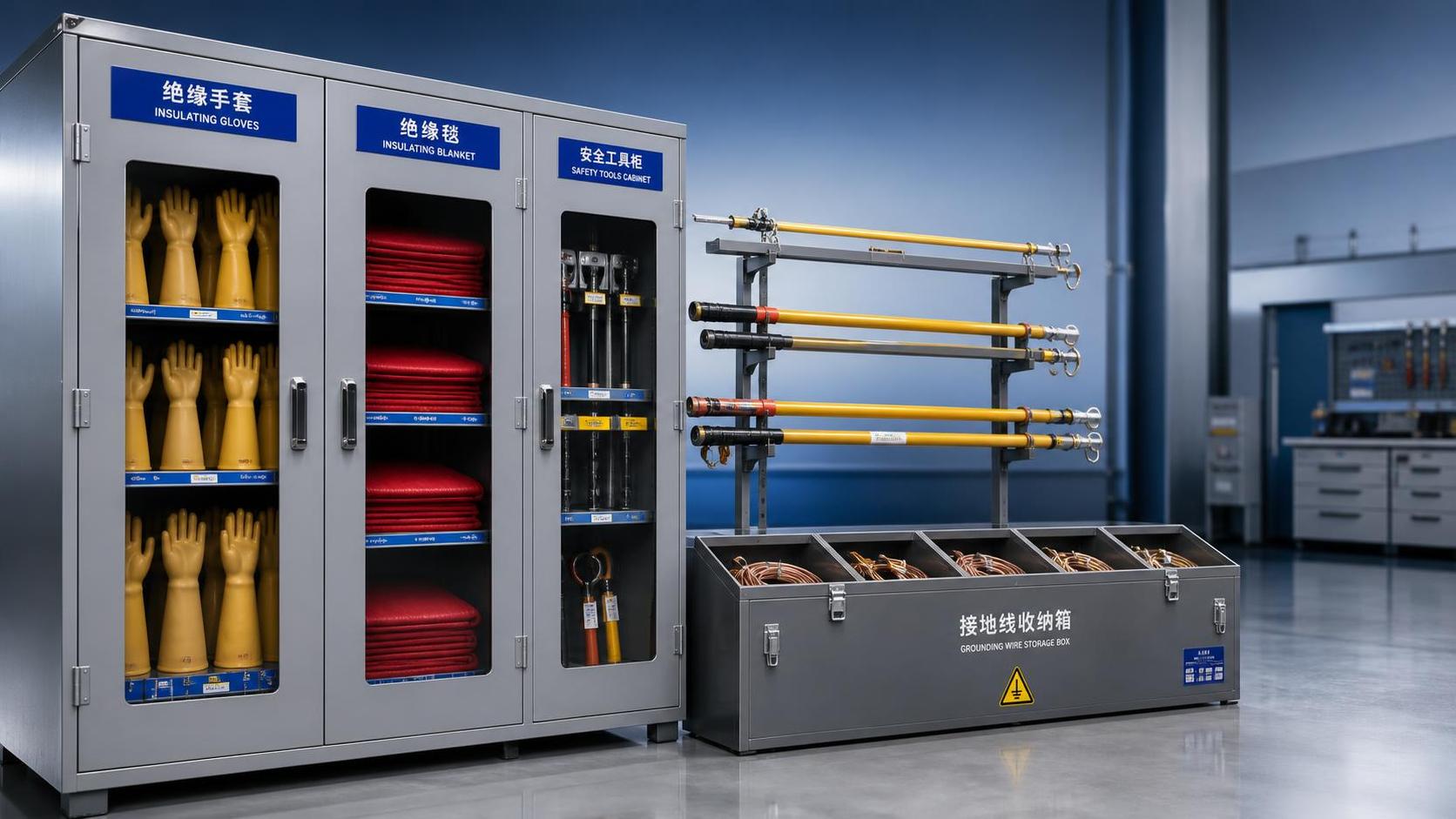
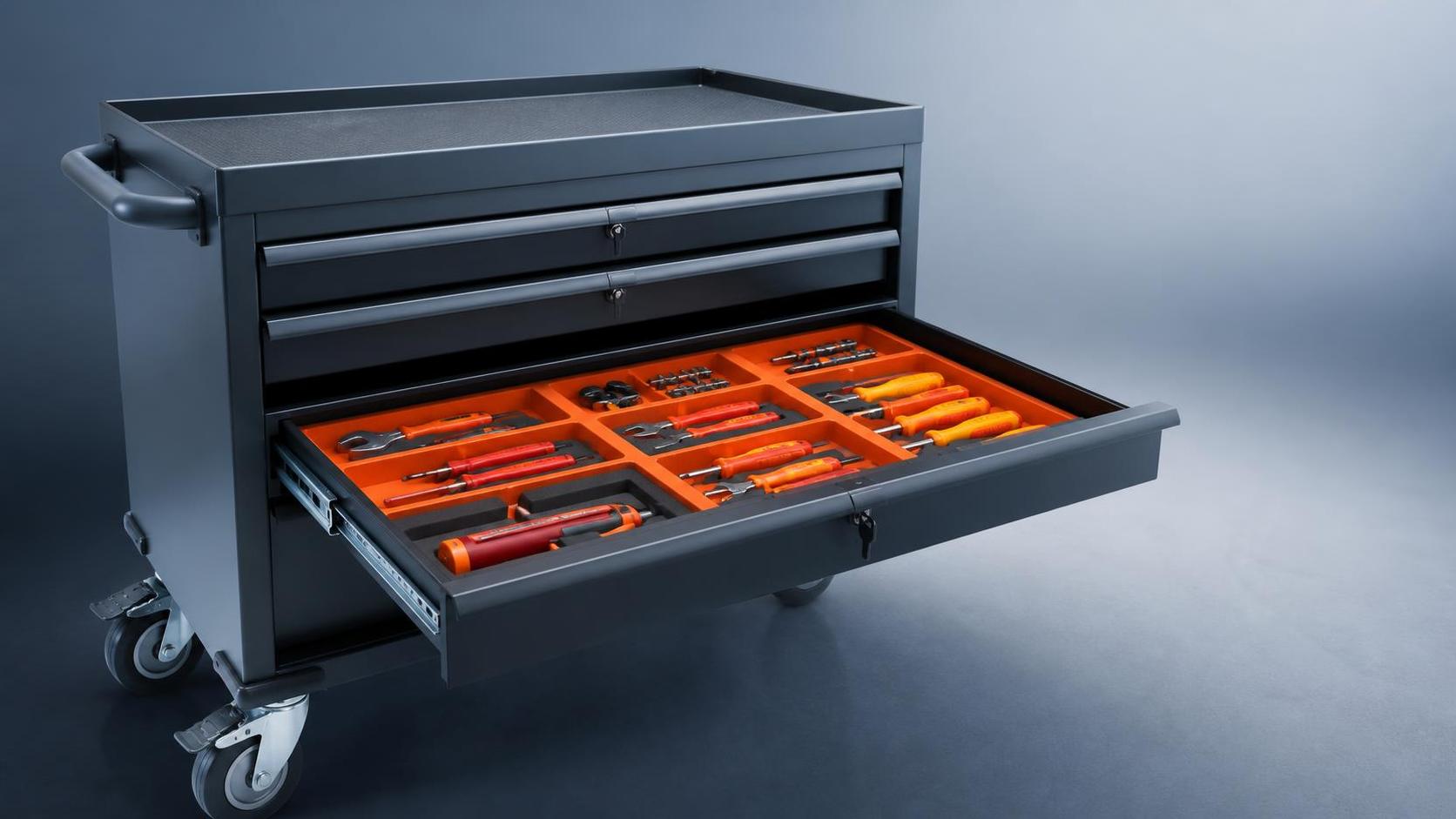
 What Storage Solutions Work Best for Utility Maintenance Safety Equipment?Electrical safety storage solutions for utility maintenance teams: discover the best cabinets, mobile cases, racks, and lockers to protect gear, streamline inspections, and boost field readiness.
 How to Choose an IEC 60900 Compliant Heavy Duty Tool Cabinet SupplierFind the right heavy duty tool cabinet IEC 60900 compliant supplier with confidence. Learn how to assess compliance, materials, traceability, durability, and after-sales support.
 Is JINPOWER Electrical Safety Equipment Reliable for Overseas Substation Projects?JINPOWER electrical safety equipment reliable for overseas substation projects? Explore its standards focus, manufacturing consistency, export support, and why global buyers shortlist it.
 How to Select a Voltage Detector for Different Testing Ranges and Work PracticesVoltage detector selection made simple: learn how to match testing range, work practice, insulation needs, and field conditions for safer, smarter electrical maintenance.
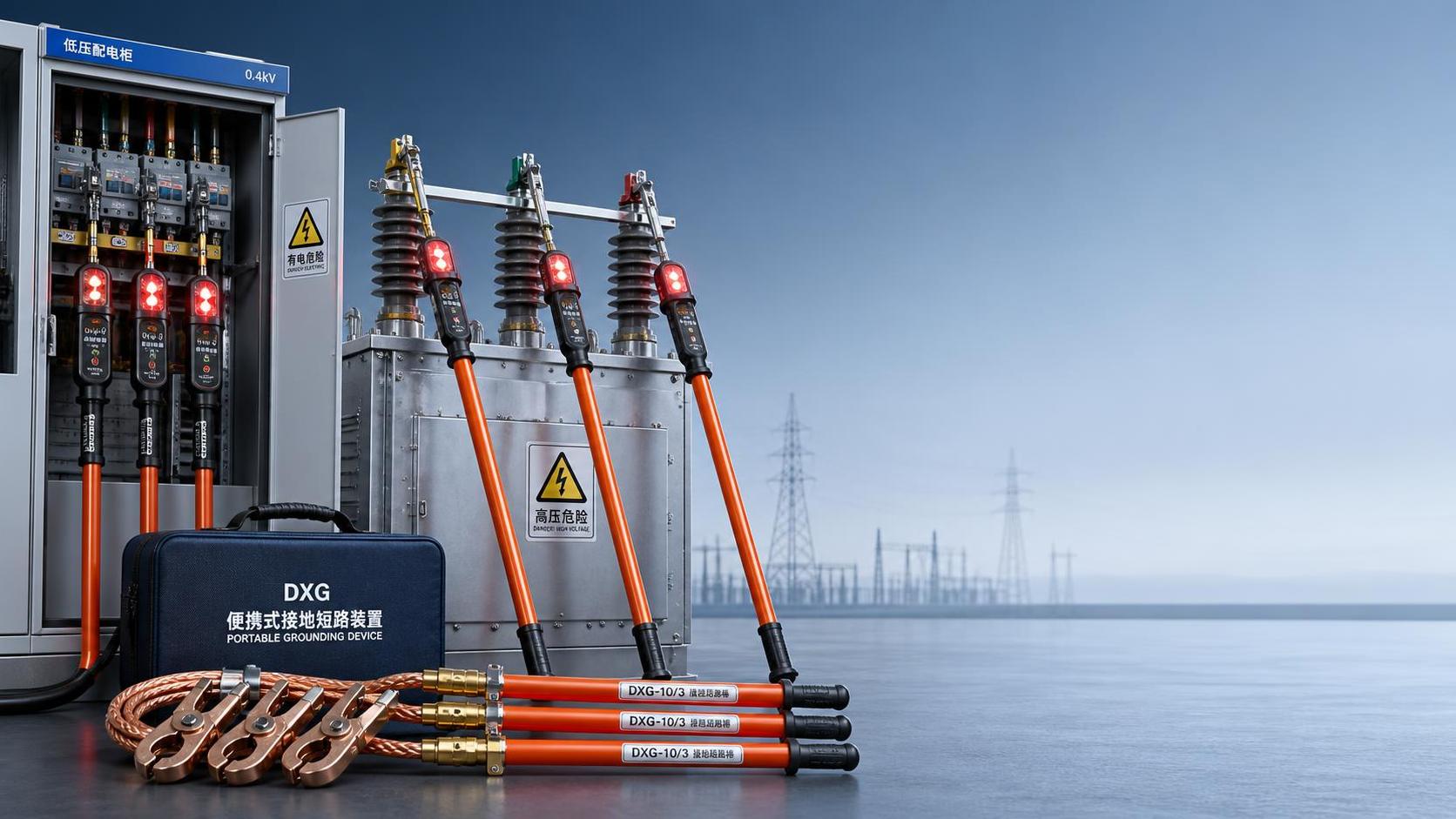
 Grounding Cable for Temporary Earthing and Electrical MaintenanceJINPOWER supplies Grounding Cables for electrical maintenance applications where a suitable conductive connection is required as part of an approved grounding arrangement. These cables are used in temporary earthing applications involving power distribution equipment, substations, switchgear and other electrical installations, subject to the selected product configuration.
For electrical utilities, EPC contractors, electrical equipment distributors and maintenance teams, selecting a grounding cable involves more than choosing a cable length or conductor size. The cable must match the required fault-current duty, connection points, installation arrangement and applicable project specifications.
JINPOWER helps buyers define the required cable configuration by reviewing the application, conductor specifications, cable length, terminal design and technical documentation before order confirmation. AC High Voltage Detector for Voltage Presence VerificationJINPOWER supplies High Voltage Detectors for AC power systems used by utilities, substations, transmission and distribution companies, EPC contractors and industrial electrical maintenance teams.
The main job of a High Voltage Detector is simple: help qualified personnel determine whether detectable AC voltage is present on the target conductor or electrical equipment before maintenance, grounding or other approved work begins.
Our current product family covers distribution, substation and transmission applications. For buyers, the key points to confirm are the actual AC system voltage, detector type, detection method, test point, required operating distance, hot stick compatibility and technical documentation. Triangular Telescopic Hot Stick & FRP Insulated Operating PoleJINPOWER supplies triangular telescopic insulated operating poles for utilities, substations, power distribution systems and industrial electrical maintenance. The multi-section FRP design gives operators an adjustable working reach while keeping the pole more compact for transport and storage.
The main difference from a standard round telescopic pole is the triangular anti-rotation structure. It helps reduce relative rotation between sections, making it easier to keep the top connector and operating attachment facing the right direction when the pole is extended.
For buyers, the most important specifications are the required reach, extended and retracted length, number of sections, weight, bottom diameter, attachment compatibility and project testing requirements. Electrical Insulating Rubber Gloves for Low- and High-Voltage WorkJINPOWER supplies electrical insulating rubber gloves for utility companies, substations, electrical contractors, industrial maintenance teams and electrical safety distributors.
Our product range covers low-voltage maintenance as well as higher-voltage electrical applications. Available options include 400V glove models, Class 00 insulating gloves and 12kV, 25kV and 35kV rubber insulating glove ranges for different project requirements.
For professional electrical PPE procurement, glove selection should never be based only on the voltage number shown in a product name. Working voltage, proof-test voltage, applicable class, glove material, length, fit, protector requirements and technical documentation should all be reviewed before approval.


