English
 Español
 Português
 Français
 Deutsch
 русский
 한국어
한국어 にほんご
にほんご हिन्दी, हिंदी
 বাংলা
বাংলা Bahasa Indonesia
 Türkçe
 Việt
Việt dansk
dansk čeština
 עִבְרִית Ivrit
 Filipino/Pilipino
 български език (Bǎlgarski jazik)
 suomi
suomi norsk
norsk język polski
 ไทย
ไทย ກະຣຸນາ
 Bahasa Melayu
 ភាសាខ្មែរ
 ဗာရမ်
ဗာရမ် اردو
اردو فارسی
فارسی Italiano
 Nederlands
 svenska
 Монгол хэл
 नेपाली
 සිංහල
සිංහල Ўзбек тили
 پښتوتۆرکجه
 Ελληνικά
 српски / srpski
 magyar
 українська
 Kiswahili
 Қазақ тілі
 Română
 Hrvatski
 Bosanski
 Kreyòl ayisyen
 አማርኛ
አማርኛ Hausa
Hausa Yorùbá
 Igbo
IgboHow Do You Choose Utility Safety Gear for Routine Field Tasks?
Choosing utility safety gear for routine field tasks starts with a simple rule: match the equipment to the actual electrical hazards, environment, and frequency of use. If you are asking, “What utility safety equipment do I actually need for routine maintenance?”, the answer is not “everything available.” It is the right combination of protective tools, personal protective equipment, and testing devices that fit the job, meet standards, and remain dependable in daily use.
For utilities, contractors, and maintenance teams, the best gear is practical before it is impressive. It must protect workers from electrical contact, arc flash exposure, falls, and environmental risks without slowing routine operations. A smart buying decision reduces injuries, avoids unnecessary overspending, improves crew confidence, and supports consistent field performance across substations, distribution lines, renewable sites, and industrial facilities.
What utility safety equipment do you actually need for routine maintenance?
Most routine field tasks do not require the full range of specialized equipment used for high-risk emergency work. However, they do require a dependable core kit that supports inspection, isolation, verification, access, and personal protection. The exact list depends on voltage level, work location, and task type, but several categories are consistently essential.
First, workers need electrical personal protective equipment such as insulating gloves, sleeves when required, dielectric boots, flame-resistant clothing, helmets, eye protection, and face shields. These items form the first barrier between the worker and contact or flash hazards. For daily utility work, comfort and ease of movement matter because gear that is difficult to wear often ends up being used incorrectly or inconsistently.
Second, crews often need insulating operating tools, including hot sticks, link sticks, discharge rods, and insulated rescue hooks, depending on the task. These tools allow routine switching, testing, grounding, and emergency response while maintaining safe working distance. For many field teams, the decision is not whether such tools are needed, but which length, material, and voltage rating best fit the most common jobs.
Third, voltage detectors, phasing devices, grounding equipment, and lockout or tagging accessories are critical for verifying de-energization and controlling risk before work begins. In routine maintenance, mistakes often happen during assumption, not action. Workers assume a line is isolated, assume equipment is grounded, or assume a tool still performs as rated. Reliable verification equipment reduces those assumptions.
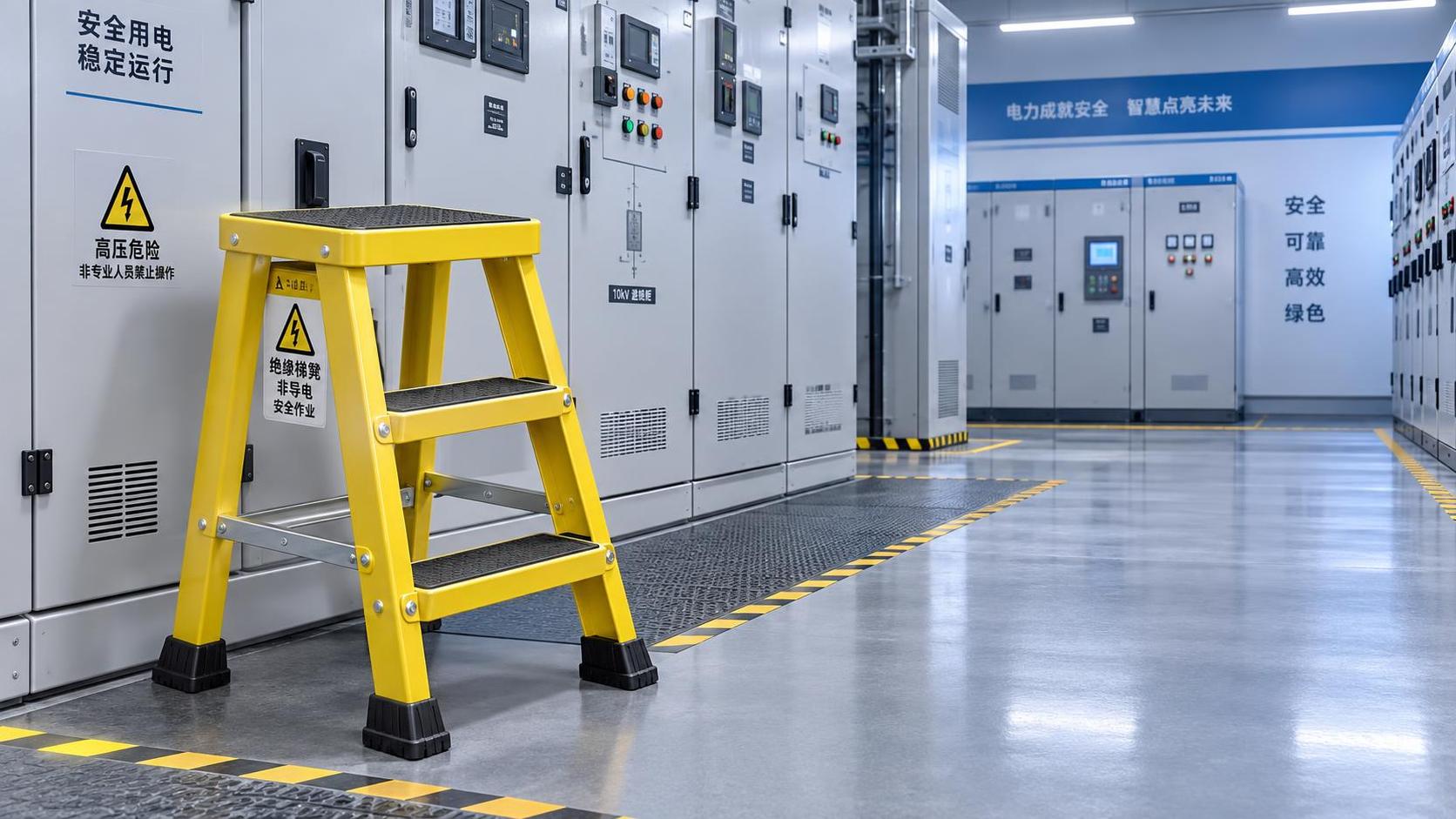
Finally, access and site safety equipment also belongs in the conversation. Fiberglass ladders, insulated platforms, warning barriers, safety signs, and fall protection may not always be classified as electrical tools, but they directly affect safe execution of field tasks. In real work environments, electrical safety is rarely separated from access safety, visibility, or site control.
How should you decide what gear is necessary for your specific routine tasks?
The most effective selection process begins with task mapping rather than product browsing. List the maintenance activities your crews perform every week or month: switching, meter inspection, cable testing, fuse replacement, grounding checks, panel servicing, line patrol, cleaning, and equipment inspection. Then identify the hazard exposure for each task instead of buying gear based on general assumptions.
For example, a substation technician performing isolation and grounding checks needs a different equipment combination than a distribution line crew handling overhead inspections. A renewable energy maintenance team may require strong DC-rated protection and weather-resistant tools, while an industrial electrical contractor may prioritize compact indoor equipment for switchgear rooms and plant maintenance areas.
You should also separate frequent tasks from rare events. Daily and weekly jobs justify investment in highly durable, ergonomic tools because they will be handled repeatedly and have a direct effect on productivity. Less common tasks may still require compliant equipment, but they do not always need the same level of quantity or specialization in every vehicle or crew kit.
Another useful filter is to identify which items are worker-specific and which are team-shared. Gloves, boots, helmets, and clothing are usually assigned personally for fit, hygiene, and accountability. Hot sticks, ladders, grounding sets, and rescue hooks may be shared if inspection and storage are managed correctly. This distinction helps procurement teams control cost without reducing readiness.
In practice, the right question is not simply “What utility safety equipment do I actually need for routine maintenance?” The better question is, “Which equipment protects our crews during the exact tasks they perform most often, under the conditions they face most often?” That shift leads to better choices and fewer unused products sitting in storage.
Which selection criteria matter most when comparing utility safety gear?
Compliance matters, but it should not be the only buying criterion. A product may meet a standard on paper and still perform poorly in the field if it is heavy, difficult to inspect, or unsuited to local working conditions. For routine maintenance, the best gear balances certification, usability, durability, and lifecycle value.
Start with standards and ratings. Electrical protective equipment should align with applicable international or local standards for insulation performance, arc resistance, mechanical strength, and testing requirements. Buyers should verify voltage class, protection level, intended use, and retest intervals before approving a product for field deployment. Clear marking and traceability also make future inspection easier.
Material quality is equally important. Fiberglass tools should resist moisture, contamination, and mechanical stress. Rubber insulating equipment should maintain flexibility and dielectric integrity over time. Hardware components should resist corrosion, especially for outdoor utilities and coastal or humid operating environments. Routine maintenance exposes gear to transport vibration, rough handling, ultraviolet exposure, and weather, so durability is not a premium feature—it is a practical necessity.
Ergonomics deserves more attention than many buyers give it. Workers use routine maintenance gear repeatedly, often in awkward positions and under time pressure. Lighter tools, better grip design, stable ladder structure, and clothing that allows movement can reduce fatigue and improve compliance. If crews dislike using an item, they will look for shortcuts, and that creates risk no certification label can solve.
Inspection and maintenance requirements should also influence selection. Some equipment is easier to clean, test, store, and track than others. Buyers should ask how often the product needs inspection, whether replacement parts are available, and how performance changes with wear. Lower purchase price does not always mean lower cost if the product requires frequent replacement or causes operational delays.
Finally, supplier capability matters. Routine field safety depends not only on the product itself but also on consistency across batches, documentation quality, technical support, and delivery reliability. Manufacturers with deep specialization in electrical protective equipment are often better positioned to provide stable quality and application guidance than general suppliers with broad but shallow product lines.
What mistakes cause companies to buy the wrong safety gear?
One common mistake is buying by category instead of by task. Companies know they need insulating gloves or hot sticks, so they purchase generic options without checking whether the length, class, grip, or accessory configuration fits their real work. The result is gear that technically exists in inventory but is inconvenient or unsuitable in the field.
Another mistake is focusing only on initial cost. Cheaper products may seem attractive during procurement, but routine field use quickly reveals weaknesses in material quality, durability, comfort, or consistency. When crews replace damaged tools too often or avoid using uncomfortable gear, the real cost rises through downtime, reorders, and higher exposure to incidents.
A third problem is treating all field environments as the same. Substations, overhead line routes, wind farms, solar installations, and industrial maintenance sites present different space limits, contamination risks, weather exposure, and access needs. Equipment that works well in one environment may perform poorly in another. Standardization is useful, but only when it respects operational differences.
Some organizations also underestimate inspection discipline. Even high-quality utility safety equipment loses value if workers do not know how to inspect it before use, or if damaged items remain in circulation. Procurement and safety management should work together so gear selection includes training, storage, replacement planning, and retesting schedules rather than ending at the purchase order.
Finally, buyers sometimes choose suppliers based on catalog size rather than expertise. Electrical protection is a specialized field. A supplier that understands insulation systems, field applications, testing protocols, and durability under utility conditions can often prevent specification errors before they happen. That support becomes especially valuable for mixed fleets, multi-site operations, and international projects.
How do you build a reliable routine maintenance gear program instead of a one-time purchase?
The strongest safety outcomes come from systems, not isolated products. A reliable gear program begins with standard task profiles and approved equipment lists for each crew type. This creates consistency while still allowing practical differences between substations, line work, renewable projects, and industrial service teams.
Next, define replacement and testing cycles clearly. Insulating gloves, sleeves, hot sticks, detectors, and grounding devices all need structured inspection and maintenance practices. When companies track equipment age, test status, and usage history, they reduce the chance that an unserviceable item remains in active rotation. Good recordkeeping also supports audits and internal accountability.
Storage and transportation conditions should be part of the program as well. Utility safety gear can be damaged long before it reaches the work zone if it is crushed in vehicles, exposed to moisture, contaminated by oils, or stored in direct sunlight. Protective storage, organized compartments, and simple handling rules extend service life and protect the original performance of the equipment.
Training is another major factor. Workers should know not only how to wear or use each item, but why that item was selected for the task. When crews understand the hazard logic behind equipment choices, compliance improves. Supervisors should also be trained to spot misuse, inspection failures, and gaps between written procedures and actual field behavior.
For larger organizations, feedback loops are especially useful. Ask crews which products feel awkward, which tools save time, which items wear out too quickly, and which kits are missing components during routine maintenance. Procurement decisions improve when they reflect both technical standards and field experience. Over time, this creates a more efficient and trusted equipment program.
Why does supplier specialization matter in electrical safety equipment?
Utility work is unforgiving, and routine tasks deserve the same seriousness as high-profile emergency operations. A specialized manufacturer is more likely to understand the difference between theoretical compliance and dependable field performance. That experience can help buyers select equipment that is not only certified, but also proven under real electrical working conditions.
Hebei Jinneng Power Technology Co., Ltd. has focused exclusively on electrical protective tools since 2009, serving utilities, substations, renewable energy projects, and industrial maintenance teams worldwide. That specialization matters because routine maintenance buyers often need more than a catalog—they need practical guidance on matching products to work scenarios, voltage classes, durability expectations, and inspection needs.
With integrated research, manufacturing, quality control, and service capabilities, a specialized supplier can also provide stronger consistency across product lines. For companies managing multiple crews or international projects, that consistency supports training, replacement planning, and operational confidence. It also reduces the risk of quality variation that can complicate field use and procurement control.
Long-term partnership is another advantage. Safety gear is not a one-time transaction. Buyers may need product updates, application recommendations, documentation support, or scalable supply for expanding operations. Working with an experienced electrical safety equipment manufacturer can make routine maintenance planning simpler, more responsive, and more reliable over time.
How can you make a confident final decision?
If you want to choose utility safety gear well, start with the work itself. Define your routine tasks, identify hazard exposure, separate individual PPE from shared tools, and verify the ratings and standards that apply. Then compare products based on field usability, durability, inspection demands, and supplier support rather than purchase price alone.
In most cases, the right routine maintenance kit includes core electrical PPE, insulated operating tools, voltage verification devices, grounding and lockout accessories, and site safety equipment suited to the environment. The goal is not to own the most equipment. The goal is to equip crews with the right equipment so they can work safely, efficiently, and consistently every day.
For anyone still asking, “What utility safety equipment do I actually need for routine maintenance?”, the clearest answer is this: choose the gear that matches your real tasks, withstands your real conditions, and supports your workers in real use. When protection, practicality, and product quality align, routine field safety becomes easier to manage and far more dependable.
Recommend
 Sep 20, 2026
Best Tool Cabinet with Dehumidifier for Coastal High-Salt Environments: Why JINPOWER Leads
Explore JINPOWER’s intelligent tool cabinet with dehumidifier for coastal high-salt environments. Semiconductor dehumidification, anti-corrosion construction, and BanNiu control help protect electrical safety tools.
- Sep 17, 2026
Clear Plastic Snow Shovels: Visibility Benefits and Limits in Commercial Use
Clear plastic snow shovel guide for commercial sites: explore visibility benefits, cold-weather durability, edge options, and electrical safety limits.
- Sep 18, 2026
Plastic Snow Shovels for Facility Crews: When Polymer Blades Outperform Metal
Plastic shovel snow solutions for facility crews: compare polymer vs. metal blades, protect sensitive surfaces, and improve winter access safety.