English
 Español
 Português
 Français
 Deutsch
 русский
 한국어
한국어 にほんご
にほんご हिन्दी, हिंदी
 বাংলা
বাংলা Bahasa Indonesia
 Türkçe
 Việt
Việt dansk
dansk čeština
 עִבְרִית Ivrit
 Filipino/Pilipino
 български език (Bǎlgarski jazik)
 suomi
suomi norsk
norsk język polski
 ไทย
ไทย ກະຣຸນາ
 Bahasa Melayu
 ភាសាខ្មែរ
 ဗာရမ်
ဗာရမ် اردو
اردو فارسی
فارسی Italiano
 Nederlands
 svenska
 Монгол хэл
 नेपाली
 සිංහල
සිංහල Ўзбек тили
 پښتوتۆرکجه
 Ελληνικά
 српски / srpski
 magyar
 українська
 Kiswahili
 Қазақ тілі
 Română
 Hrvatski
 Bosanski
 Kreyòl ayisyen
 አማርኛ
አማርኛ Hausa
Hausa Yorùbá
 Igbo
IgboWhat Safety Equipment Is Essential for Routine Utility Maintenance?
Routine utility maintenance exposes crews to electrical shock, arc flash, falls, and unexpected equipment failure. So, What utility safety equipment do I actually need for routine maintenance? The answer starts with reliable, standards-compliant protective gear such as insulated tools, voltage detectors, rubber gloves, helmets, and arc-rated apparel. For utilities and contractors, choosing the right electrical safety equipment is essential to improving field safety, reducing downtime, and ensuring confident daily operations.
For maintenance supervisors, procurement managers, utility contractors, and field technicians, the question is rarely whether safety gear is necessary. The real issue is which equipment is essential for daily work, how to match it to voltage class and task type, and how to build a practical kit that supports compliance, productivity, and worker confidence.
In electrical distribution, substations, renewable energy sites, and industrial power systems, routine maintenance may include switching, testing, grounding, inspection, cleaning, cable work, and minor repairs. Each activity creates a different risk profile. A crew working on a 0.4 kV panel does not need exactly the same protection as a team servicing 10 kV, 15 kV, or 35 kV equipment.
That is why a well-planned utility safety equipment list must combine personal protective equipment, insulated operating tools, live-line testing devices, and site control accessories. The goal is not to buy more products than necessary. It is to select the right layers of protection for routine maintenance conditions and repeatable field use.
Core Safety Equipment Required for Routine Utility Maintenance
If you are asking, “What utility safety equipment do I actually need for routine maintenance?”, start with the equipment used most often across utility and electrical service tasks. In most field operations, 6 core categories cover the majority of daily risk controls.
1. Insulated Gloves and Leather Protectors
Rubber insulating gloves are the first line of defense against electric shock during switching, testing, and contact with energized or potentially energized parts. They are commonly selected by voltage class and must be paired with leather protectors to reduce cuts, punctures, and abrasion during routine handling.
For many utility teams, gloves are not a one-size-fits-all purchase. Crews may require multiple classes depending on whether they work in low-voltage cabinets, medium-voltage distribution systems, or substation environments. Regular inspection before each shift and periodic electrical testing are both critical.
2. Voltage Detectors and Test Devices
Before maintenance begins, absence-of-voltage verification is a basic safety step. A reliable voltage detector helps workers confirm whether conductors, terminals, or busbars are energized. In practical field use, teams often need different detectors for low-voltage and medium-voltage applications rather than relying on one universal device.
Routine use also means detectors must be easy to carry, easy to verify, and suitable for outdoor work. Procurement teams should review operating range, indication method, environmental durability, and compatibility with utility operating procedures.
3. Insulated Tools for Daily Electrical Tasks
Insulated hand tools support safer tightening, loosening, cutting, gripping, and adjustment work around energized or de-energized equipment where residual risk still exists. Typical sets include insulated screwdrivers, pliers, cutters, ratchets, socket tools, and cable knives for 1,000 V rated applications.
For utility maintenance teams, tool consistency matters. Mixed-quality tools can create hidden risk, especially when insulation ages unevenly. A controlled tool set with clear marking, traceable inspection intervals, and replacement criteria is better than ad hoc purchasing across multiple unknown sources.
4. Arc-Rated Clothing, Helmets, and Face Protection
Routine maintenance is not limited to shock risk. Arc flash exposure can occur during switching, racking, testing, or fault conditions. Arc-rated shirts, coveralls, face shields, balaclavas, helmets, and eye protection reduce burn injury risk and improve readiness when incident energy assessments require higher protection levels.
In many organizations, daily wear starts with a base arc-rated category, then increases by task. This approach allows crews to move efficiently while staying aligned with hazard assessment requirements instead of using unnecessarily heavy gear for every activity.
5. Insulating Mats, Covers, and Barriers
When maintenance takes place in front of panels, switchgear, or control cabinets, insulating mats add an extra layer of protection underfoot. Insulating covers, blankets, and temporary barriers are also useful for shielding adjacent live parts, especially during confined work in multi-compartment equipment.
These items are particularly important when full isolation is not possible or when crews are working near energized sections. They do not replace lockout procedures, but they do help reduce secondary contact risk and improve task control.
6. Grounding Equipment and Rescue Tools
Temporary grounding sets are essential after isolation and testing in many utility procedures. They help protect workers from induced voltage, stored energy, and accidental re-energization. Depending on the system, crews may require grounding clamps, cables, operating rods, and clear installation sequences.
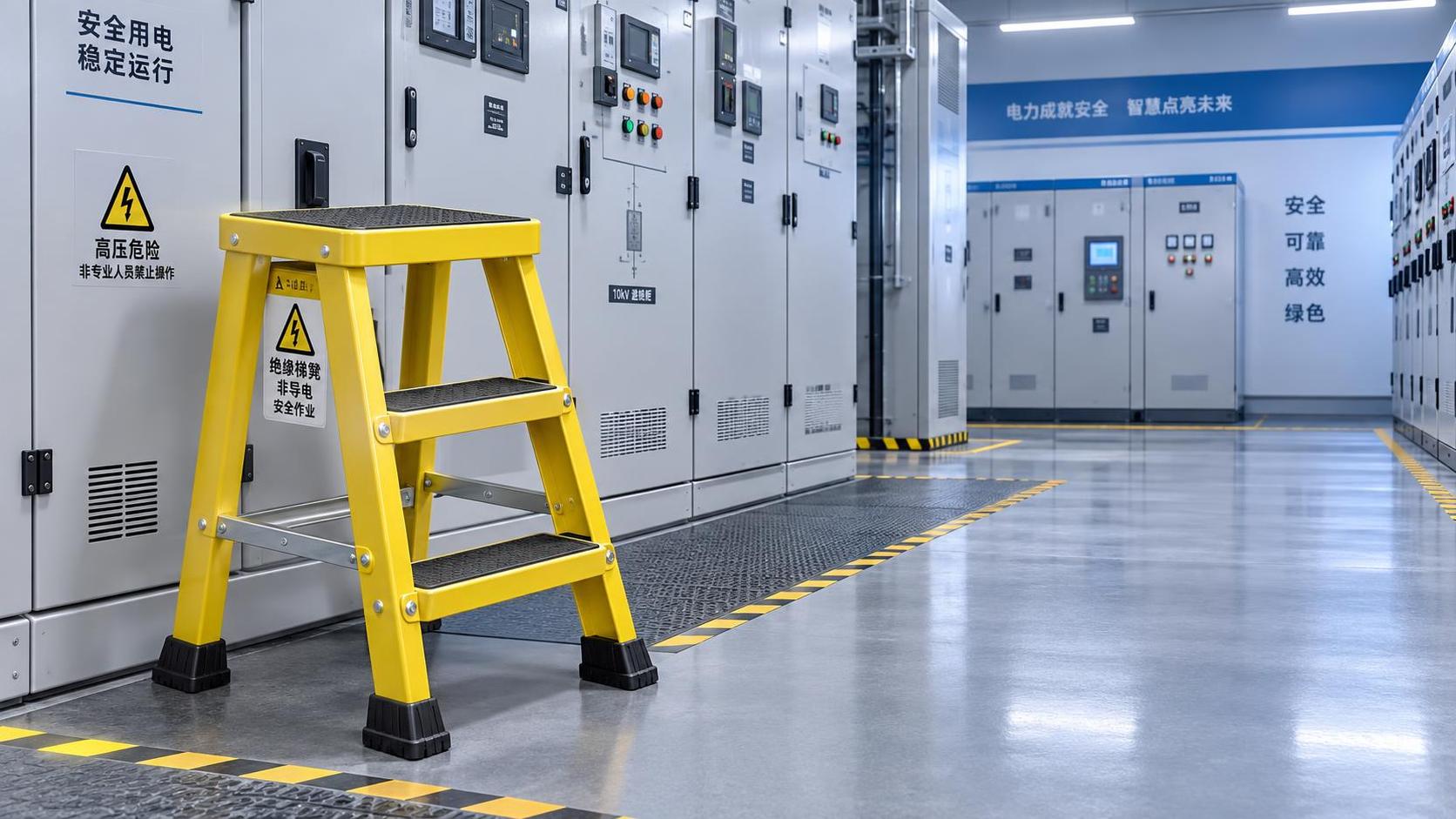
Emergency response tools are equally important. Rescue hooks, insulated ladders, warning signs, and lockout accessories should be available on-site, not stored remotely. In a real incident, response time measured in 30 to 60 seconds can matter far more than written procedure alone.
The table below shows a practical checklist for the most common categories of utility safety equipment used in routine maintenance and what each item helps control in the field.
The key takeaway is that essential utility safety equipment is not limited to PPE alone. A complete daily maintenance setup usually combines at least 5 to 8 item categories, because worker safety depends on protection, verification, insulation, and emergency preparedness working together.
How to Match Equipment to Maintenance Tasks and Voltage Levels
One of the most common purchasing mistakes is buying a general safety package without mapping it to real maintenance scenarios. If you are still asking, “What utility safety equipment do I actually need for routine maintenance?”, the answer changes according to voltage level, work position, and operating frequency.
Low-Voltage Routine Work
For low-voltage panels, control rooms, and commercial or industrial distribution boards, crews often need insulated gloves, 1,000 V insulated tools, helmets, safety footwear, protective eyewear, and a suitable voltage tester. Arc-rated clothing may still be required where switching or fault energy justifies it.
Typical tasks include terminal tightening, breaker replacement, thermal inspection preparation, cable identification, and lockout verification. Even at lower voltage, routine exposure frequency can be high, sometimes 3 to 5 maintenance cycles per week, so durability and inspection control matter as much as nominal rating.
Medium-Voltage Utility Work
For 10 kV, 15 kV, 24 kV, or 35 kV utility systems, requirements usually expand to include higher-class insulating gloves, insulated operating rods, dedicated voltage detectors, temporary grounding equipment, arc-rated layers, and more robust site isolation accessories. Work may also involve insulated platforms or ladders depending on access conditions.
At this level, crews should not improvise kits from low-voltage stock. The right maintenance equipment must support formal operating sequences and repeatability in substations, overhead distribution work, renewable collection systems, or switching stations.
Outdoor and Harsh Environment Conditions
Routine maintenance in rain, dust, coastal humidity, or high UV exposure places additional stress on electrical protective equipment. Gloves, hot sticks, mats, and covers should be selected with storage, cleaning, and replacement cycles in mind. In some field teams, visual checks occur before every use, while full condition reviews are scheduled every 30, 90, or 180 days depending on the item.
This is one reason experienced buyers prefer suppliers that understand utility operating conditions rather than generic industrial PPE distribution. Product longevity in demanding field environments can influence both safety performance and annual replacement cost.
A simple 4-step matching method
- Define the system voltage and whether equipment is de-energized, isolated, or adjacent to live parts.
- List the routine tasks performed per shift, week, or maintenance cycle.
- Assign the required PPE, insulated tools, testing devices, and grounding accessories to each task.
- Set inspection, retesting, storage, and replacement intervals before purchase volume is finalized.
This method helps utilities avoid both under-protection and overbuying. It also improves quotation clarity because product selection is based on application detail rather than broad assumptions.
What Buyers Should Evaluate Before Purchasing Utility Safety Equipment
For procurement teams and distributors, selecting utility safety equipment is not only about unit price. Daily maintenance products are used repeatedly, exposed to mechanical wear, and relied on during high-risk tasks. A lower initial price can become more expensive if replacement frequency, training burden, or field rejection rates increase within 6 to 12 months.
Key Evaluation Factors
- Voltage rating and task suitability
- Compliance with relevant international or utility standards
- Material durability under field conditions
- Inspection, testing, and replacement requirements
- Batch consistency for multi-site deployment
- Supplier responsiveness for technical support and repeat orders
The comparison below can help buyers organize practical selection criteria when reviewing suppliers or building a maintenance safety package for utility operations.
A strong supplier should help buyers define the right safety package, not simply offer a catalog. That is especially important when a project covers multiple sites, 2 or 3 voltage classes, and recurring maintenance schedules throughout the year.
Common Purchasing Mistakes
Buying by price alone
Low-cost products may look acceptable on arrival but fail under repetitive field use. In utility maintenance, weak durability often appears in glove wear, tool insulation damage, or poor resistance to storage and transport conditions.
Ignoring inspection and replacement planning
Safety equipment should not be purchased as a one-time event. Buyers need a program for pre-use inspection, periodic retesting where applicable, and replacement triggers. Without that program, even a good product line loses practical safety value over time.
Using the same kit for every site
A contractor maintaining solar substations, urban switch rooms, and industrial feeders may need 3 different configurations instead of one universal package. Standardization is useful, but only when it reflects actual task requirements.
Building a Reliable Long-Term Safety Supply Strategy
Routine maintenance is continuous, so safety equipment purchasing should also be continuous and structured. Utilities, EPC contractors, and distributors benefit from a supply strategy that balances daily consumption, critical backup stock, and project-based demand peaks.
Create Standard Kits by Work Type
Many organizations improve control by building standard kits for 3 common categories: low-voltage maintenance, medium-voltage switching and testing, and emergency response. This reduces confusion in the field and simplifies training, issue tracking, and replenishment.
A standard kit can include 8 to 15 items depending on scope. More importantly, every item should be listed with inspection points, storage conditions, and replacement responsibility. That turns safety purchasing from product buying into operational planning.
Work with Specialized Manufacturers
Suppliers focused on electrical protective equipment usually understand the details that general industrial vendors may miss, such as matching glove classes to utility tasks, coordinating live-line accessories, or recommending maintenance-friendly combinations for substations and renewable energy sites.
Founded in 2009, Hebei Jinneng Power Technology Co., Ltd. has focused on the research, development, and production of electrical protective tools for more than 17 years. With integrated R&D, manufacturing, quality control, and customer service, JINPOWER supports utilities, contractors, and distributors seeking dependable electrical safety equipment for demanding field conditions.
Think Beyond the First Order
Long-term value depends on repeatability. Buyers should ask whether the supplier can support future batch orders, application guidance, and consistent performance across expanding projects. This is especially relevant when deployment covers 10 sites, 50 technicians, or multiple countries with different operating environments.
When electrical safety gear is selected well, routine maintenance becomes more predictable. Crews spend less time improvising, supervisors face fewer equipment-related interruptions, and procurement teams gain better control over replacement cycles and annual budgets.
If you are evaluating what utility safety equipment you actually need for routine maintenance, focus on the essentials first: insulated gloves, voltage detectors, insulated tools, arc-rated protection, insulating barriers, grounding equipment, and rescue accessories matched to your voltage level and daily tasks. The right combination improves field safety, supports compliance, and helps reduce avoidable downtime.
For utilities, contractors, and distributors that need dependable electrical protective tools, JINPOWER offers specialized experience, practical product support, and solutions designed for substations, power networks, renewable energy projects, and industrial maintenance. Contact us today to discuss your application, request a customized safety equipment list, or learn more about the right protection solution for your team.
Recommend
 Sep 20, 2026
Best Tool Cabinet with Dehumidifier for Coastal High-Salt Environments: Why JINPOWER Leads
Explore JINPOWER’s intelligent tool cabinet with dehumidifier for coastal high-salt environments. Semiconductor dehumidification, anti-corrosion construction, and BanNiu control help protect electrical safety tools.
- Sep 17, 2026
Clear Plastic Snow Shovels: Visibility Benefits and Limits in Commercial Use
Clear plastic snow shovel guide for commercial sites: explore visibility benefits, cold-weather durability, edge options, and electrical safety limits.
- Sep 18, 2026
Plastic Snow Shovels for Facility Crews: When Polymer Blades Outperform Metal
Plastic shovel snow solutions for facility crews: compare polymer vs. metal blades, protect sensitive surfaces, and improve winter access safety.