English
 Español
 Português
 Français
 Deutsch
 русский
 한국어
한국어 にほんご
にほんご हिन्दी, हिंदी
 বাংলা
বাংলা Bahasa Indonesia
 Türkçe
 Việt
Việt dansk
dansk čeština
 עִבְרִית Ivrit
 Filipino/Pilipino
 български език (Bǎlgarski jazik)
 suomi
suomi norsk
norsk język polski
 ไทย
ไทย ກະຣຸນາ
 Bahasa Melayu
 ភាសាខ្មែរ
 ဗာရမ်
ဗာရမ် اردو
اردو فارسی
فارسی Italiano
 Nederlands
 svenska
 Монгол хэл
 नेपाली
 සිංහල
සිංහල Ўзбек тили
 پښتوتۆرکجه
 Ελληνικά
 српски / srpski
 magyar
 українська
 Kiswahili
 Қазақ тілі
 Română
 Hrvatski
 Bosanski
 Kreyòl ayisyen
 አማርኛ
አማርኛ Hausa
Hausa Yorùbá
 Igbo
IgboAre Basic Gloves and Helmets Enough for Utility Maintenance?
For many field teams, basic gloves and helmets seem like the minimum standard—but are they really enough? If you are asking, “What utility safety equipment do I actually need for routine maintenance?”, the answer goes far beyond the basics. From electrical protective tools to task-specific gear, choosing the right equipment is essential for reducing risk, improving efficiency, and ensuring safe, compliant utility operations.
Why basic gloves and helmets are not enough for routine utility maintenance
In electrical maintenance, the hazard profile changes from task to task. A worker checking a switch cabinet, replacing insulators, handling energized environments, or performing substation inspections does not face the same risk level.
That is why the question, “What utility safety equipment do I actually need for routine maintenance?” cannot be answered with only helmets and ordinary gloves. Utilities need layered protection matched to voltage exposure, work distance, weather, access difficulty, and tool handling.
Routine maintenance often includes electrical contact risk, arc-related hazards, slips, falling objects, accidental grounding, poor visibility, and confined work areas. If the equipment list is too basic, teams may remain compliant on paper while still underprotected in practice.
- A standard hard hat protects against impact, but not against every electrical exposure or face hazard created by switching and testing work.
- General-purpose gloves may resist abrasion, but they are not a substitute for properly rated insulating gloves used in electrical environments.
- Without insulated tools, detection devices, and protective accessories, workers may still be exposed during otherwise simple maintenance operations.
The real issue is task-based protection
The right approach is to build a maintenance safety system around actual job steps. Inspection, isolation, testing, replacement, cleaning, and restoration each require different tools and protective measures. This is where many procurement teams lose clarity.
What utility safety equipment do I actually need for routine maintenance?
To answer “What utility safety equipment do I actually need for routine maintenance?” more clearly, it helps to divide products into core protection categories instead of buying isolated items one by one.
The table below shows a practical selection framework for common utility and electrical maintenance tasks. It is especially useful for substations, distribution systems, renewable energy facilities, and industrial power maintenance teams.
This framework shows that basic PPE is only one layer. Effective routine maintenance usually requires personal protection, insulated handling tools, testing devices, and site isolation accessories working together.
Core equipment most utility teams should evaluate
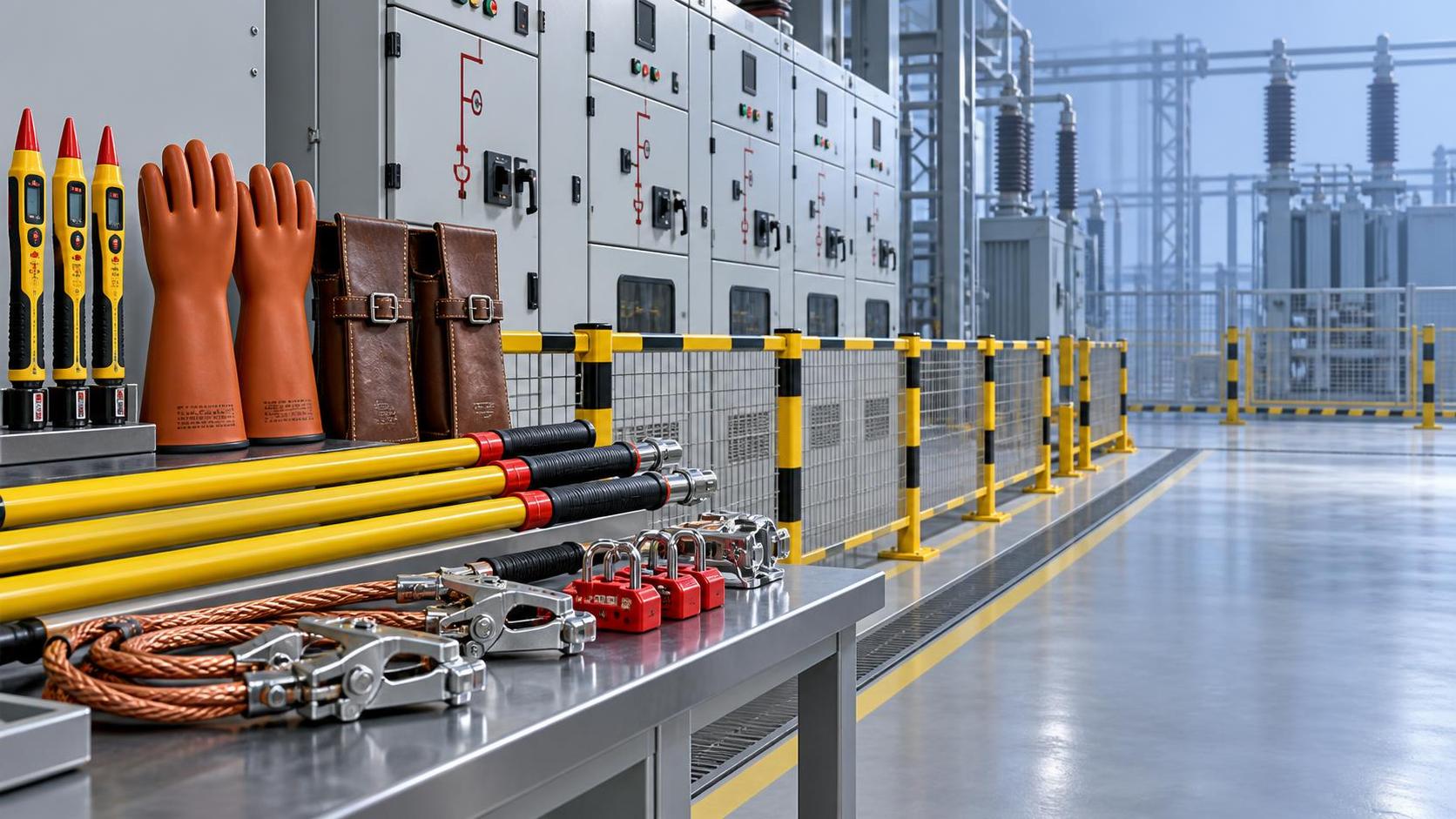
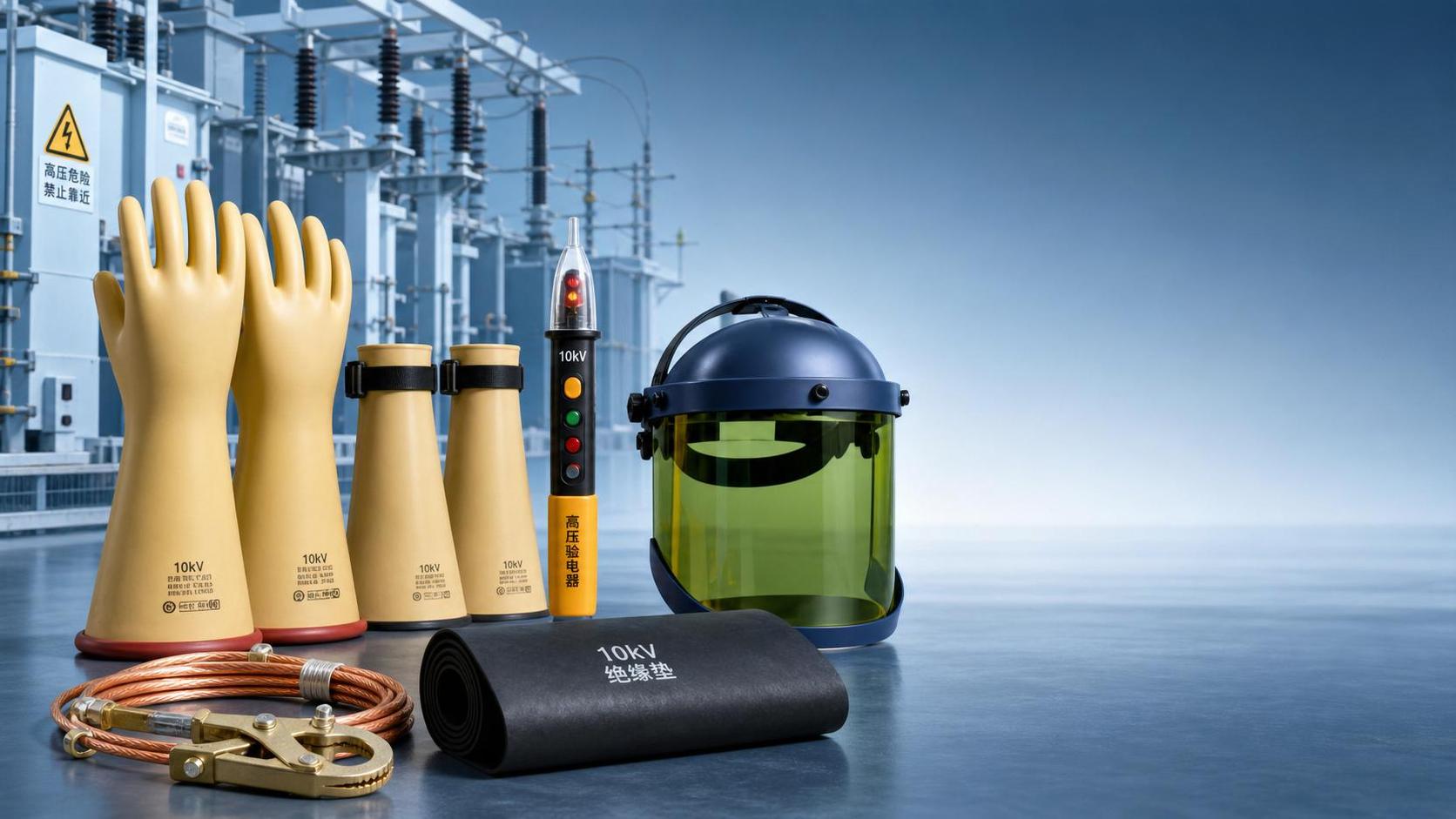
- Insulating gloves selected by the relevant voltage class and supported by correct inspection and storage practices.
- Electrical safety helmets, face protection, and eye protection suited to switching, inspection, and maintenance conditions.
- Insulated hand tools for repetitive service work where ordinary metal tools increase accidental contact risk.
- Voltage detection equipment to confirm de-energized status before touch, dismantling, or replacement tasks.
- Insulating mats, covers, operating rods, grounding-related accessories, and warning devices for safer site control.
Which equipment is needed in different maintenance scenarios?
A practical purchasing decision starts with work scenarios, not just a catalog. The same team may maintain substations one day and renewable energy distribution systems the next. Their utility safety equipment needs will differ.
Substation routine inspection
Workers typically need insulating gloves, suitable head protection, voltage detection devices, insulated operating tools, and floor insulation or barriers where contact risk exists. Visibility and weather exposure may also require additional gear.
Switchgear and panel maintenance
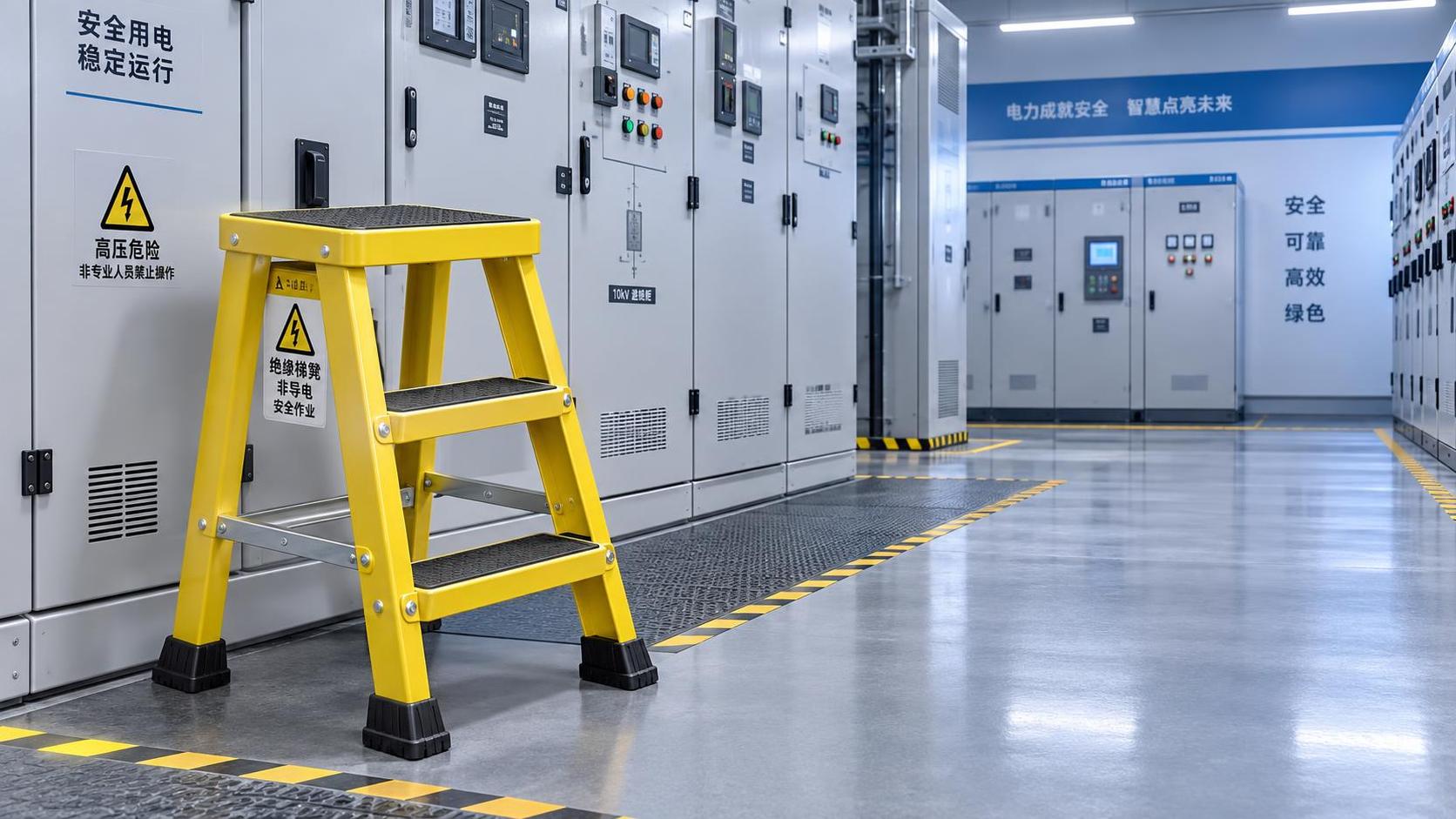
This environment often demands more than simple hand protection. Teams should assess insulating mats, insulated screwdrivers and pliers, electrical face protection, lockout accessories, and verification tools before removing covers or replacing parts.
Renewable energy and distributed power systems
Solar and wind projects create mixed conditions: outdoor weather, elevated structures, cable handling, inverter work, and decentralized maintenance points. Equipment must balance electrical protection, durability, and field portability.
Industrial utility maintenance
Industrial plants often combine electrical risk with dust, moisture, heat, and mechanical congestion. Here, the right utility safety equipment list may include insulating protective tools plus jobsite control items that keep the work zone organized.
The scenario comparison below helps answer “What utility safety equipment do I actually need for routine maintenance?” in a more operational way.
The key lesson is simple: routine maintenance is not one scenario. Equipment should be selected according to location, voltage environment, work method, and task frequency.
How should buyers evaluate quality, compliance, and field suitability?
Procurement teams often face a difficult trade-off. They need cost control, but they also need products that can perform reliably in demanding field conditions. Cheap, generic products may reduce the purchase price while increasing replacement rate, inconsistency, and worksite risk.
When comparing suppliers for utility safety equipment, focus on these decision points rather than price alone.
- Check whether the product is intended for electrical protective use rather than general industrial use.
- Review the applicable standards, routine testing practices, and material consistency for the product category.
- Assess durability under real field conditions such as humidity, dust, UV exposure, transport wear, and repetitive handling.
- Confirm whether the supplier can support matching products as a complete solution instead of isolated single items.
- Ask about lead time, packaging, inspection support, and customization if your maintenance teams have different operating environments.
Standards and compliance matter
For electrical safety equipment, international and regional standards are an important reference point. Depending on the product, buyers may review common frameworks related to insulating gloves, helmets, insulated tools, or other electrical protective devices.
Compliance, however, should not be treated as a checkbox only. Buyers should also verify product fit for actual utility maintenance tasks, because a compliant product that is uncomfortable, fragile, or mismatched to the job may still fail in practice.
Common purchasing mistakes that increase risk and long-term cost
Many teams asking “What utility safety equipment do I actually need for routine maintenance?” are trying to avoid overspending. That is reasonable. But the biggest hidden cost often comes from under-specifying the equipment list.
- Buying only basic PPE and ignoring insulated tools, mats, covers, or testing devices needed for routine electrical work.
- Using one standard product list for every site, even when substations, renewable assets, and industrial facilities present different hazards.
- Choosing products by unit price without considering service life, replacement frequency, or storage performance.
- Failing to coordinate purchasing with field supervisors who understand the real sequence of maintenance operations.
- Ignoring supplier responsiveness when urgent projects require fast delivery, mixed product sets, or technical confirmation.
A better strategy is to define a core maintenance kit, then add scenario-specific protection modules. This method keeps budgets under control while improving site readiness.
Why many utilities prefer specialized electrical safety equipment partners
Electrical maintenance buyers do not just need products. They need clarity: which glove type fits the task, whether insulated tools are suitable for the environment, how to combine protective accessories, and how quickly products can be delivered for scheduled maintenance windows.
Founded in 2009, Hebei Jinneng Power Technology Co., Ltd. focuses specifically on electrical safety equipment for the power industry. That specialization matters because utility maintenance requires more than generic industrial supply capability.
With long-term attention to research, development, and production of electrical protective tools, JINPOWER supports substations, utilities, renewable energy projects, and industrial maintenance applications with products designed for demanding field use.
An integrated system covering R&D, manufacturing, quality control, and customer service also helps buyers reduce coordination risk. Instead of sourcing from disconnected vendors, customers can evaluate more complete and consistent protection solutions.
What this means for buyers
- More practical support when selecting electrical protective tools for routine maintenance.
- Better consistency between product performance, field durability, and application requirements.
- Stronger coordination when customers need a combination of protection products rather than a single item.
- Useful responsiveness for distributors, contractors, and utility companies managing different project cycles.
FAQ: practical answers for maintenance buyers
How do I know if my current maintenance PPE is incomplete?
If your checklist covers only helmets, gloves, and workwear, it is probably incomplete for electrical utility maintenance. Review whether your teams also use insulating tools, voltage detectors, insulating mats or barriers, and task-specific electrical protective accessories.
Are ordinary industrial gloves acceptable for electrical routine maintenance?
Not as a substitute for properly selected insulating gloves where electrical exposure may exist. Ordinary gloves may help with grip or abrasion, but they do not replace equipment designed for electrical protective use.
What utility safety equipment do I actually need for routine maintenance if I manage multiple sites?
Start with a standard core kit for all teams, then build site-specific additions. For example, every team may need helmets, insulating gloves, and basic insulated tools, while substations or switchgear rooms may require more extensive barriers, detectors, mats, and operating tools.
What should I ask a supplier before requesting a quotation?
Ask about application suitability, relevant standards, routine inspection recommendations, packaging, customization options, sample support, and lead time. These details are often more important than the first unit price shown on a quote.
Why choose us for electrical utility safety equipment
If your team is still asking, “What utility safety equipment do I actually need for routine maintenance?”, a product list alone is not enough. You need a supplier that understands the operating reality of utilities, substations, renewable energy sites, and industrial electrical maintenance.
Hebei Jinneng Power Technology Co., Ltd. can support you with practical discussions around product selection, technical parameter confirmation, solution matching, delivery timing, and application-focused recommendations for electrical protective tools.
You can contact us to discuss insulating gloves, helmets, insulated tools, protective accessories, sample evaluation, certification-related questions, custom requirement matching, and quotation planning for routine maintenance projects or distributor sourcing needs.
If you want a clearer maintenance safety equipment plan, send your application scenario, voltage environment, target products, and expected delivery schedule. We can help you review the right protection combination for safer and more efficient field operations.
Recommend
 Sep 16, 2026
What Utility Safety Equipment Is Needed for Routine Maintenance?
What utility safety equipment do I actually need for routine maintenance? Explore essential testers, PPE, grounding, lockout/tagout, and rescue gear for safer utility work.
- Sep 12, 2026
When is an insulating ladder stool required for electrical work?
Insulating Ladder Stool guidance for electrical work: discover when elevated tasks near energized equipment require safer, stable insulated access.
- Jun 30, 2026
For Routine Electrical Utility Work, What Safety Gear Matters Most?
What utility safety equipment do I actually need for routine maintenance? Discover the essential gear for utility crews, from insulating gloves to grounding tools, and choose safer, compliant solutions.