English
 Español
 Português
 Français
 Deutsch
 русский
 한국어
한국어 にほんご
にほんご हिन्दी, हिंदी
 বাংলা
বাংলা Bahasa Indonesia
 Türkçe
 Việt
Việt dansk
dansk čeština
 עִבְרִית Ivrit
 Filipino/Pilipino
 български език (Bǎlgarski jazik)
 suomi
suomi norsk
norsk język polski
 ไทย
ไทย ກະຣຸນາ
 Bahasa Melayu
 ភាសាខ្មែរ
 ဗာရမ်
ဗာရမ် اردو
اردو فارسی
فارسی Italiano
 Nederlands
 svenska
 Монгол хэл
 नेपाली
 සිංහල
සිංහල Ўзбек тили
 پښتوتۆرکجه
 Ελληνικά
 српски / srpski
 magyar
 українська
 Kiswahili
 Қазақ тілі
 Română
 Hrvatski
 Bosanski
 Kreyòl ayisyen
 አማርኛ
አማርኛ Hausa
Hausa Yorùbá
 Igbo
IgboFor Routine Electrical Utility Work, What Safety Gear Matters Most?
For utility crews handling inspections, switching, and routine field repairs, one question always comes first: What utility safety equipment do I actually need for routine maintenance? From insulating gloves and arc-rated clothing to voltage detectors and grounding tools, choosing the right gear is essential for reducing risk, meeting safety standards, and keeping daily electrical work efficient, compliant, and protected.
What utility safety equipment do I actually need for routine maintenance?
For most electrical utility maintenance tasks, the answer is not one product but a layered protection system. Routine work often includes visual inspection, switching support, temporary isolation, voltage verification, connection checks, and small corrective repairs. Each activity brings different exposure to shock, arc flash, induced voltage, and accidental energization.
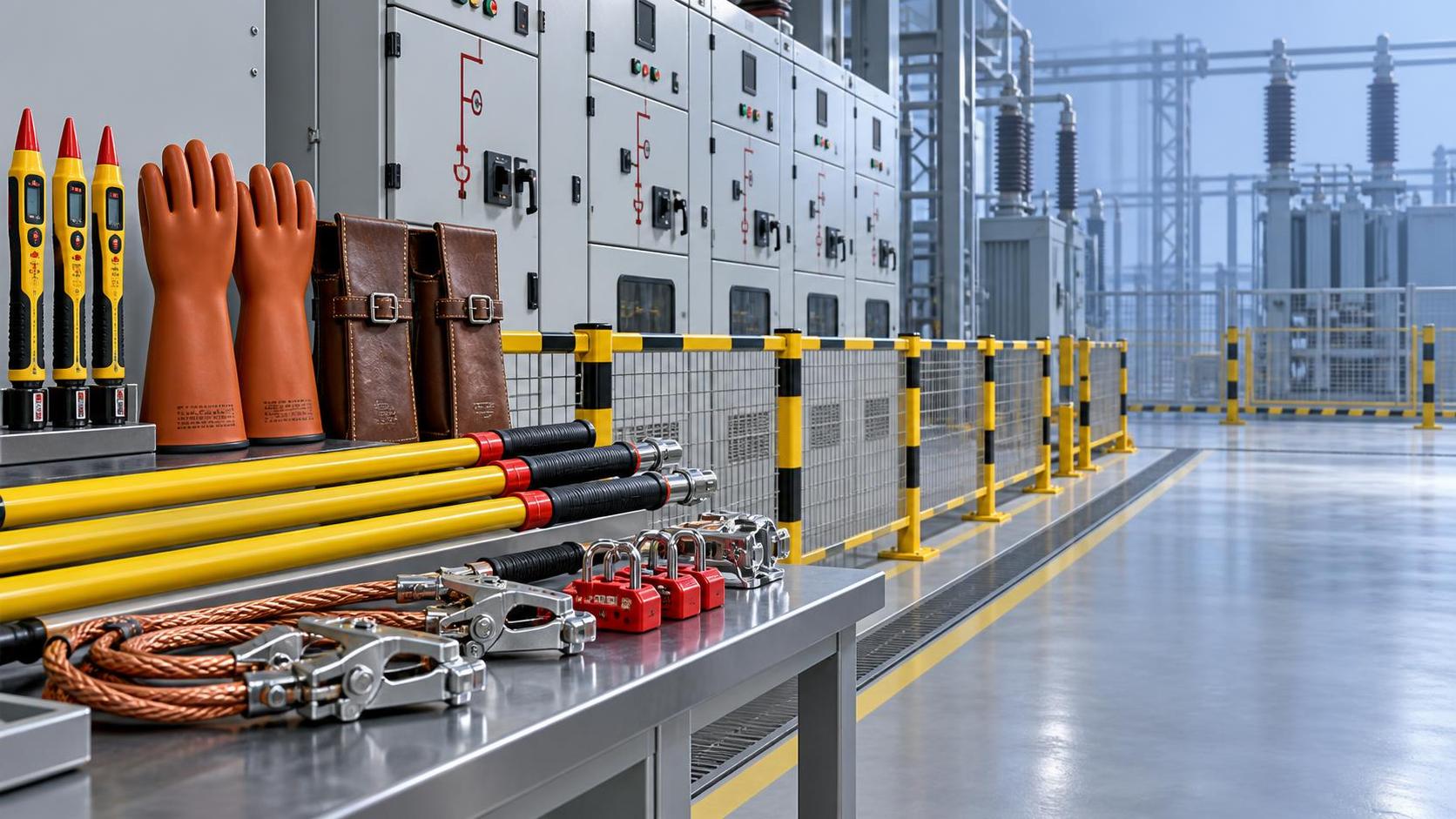
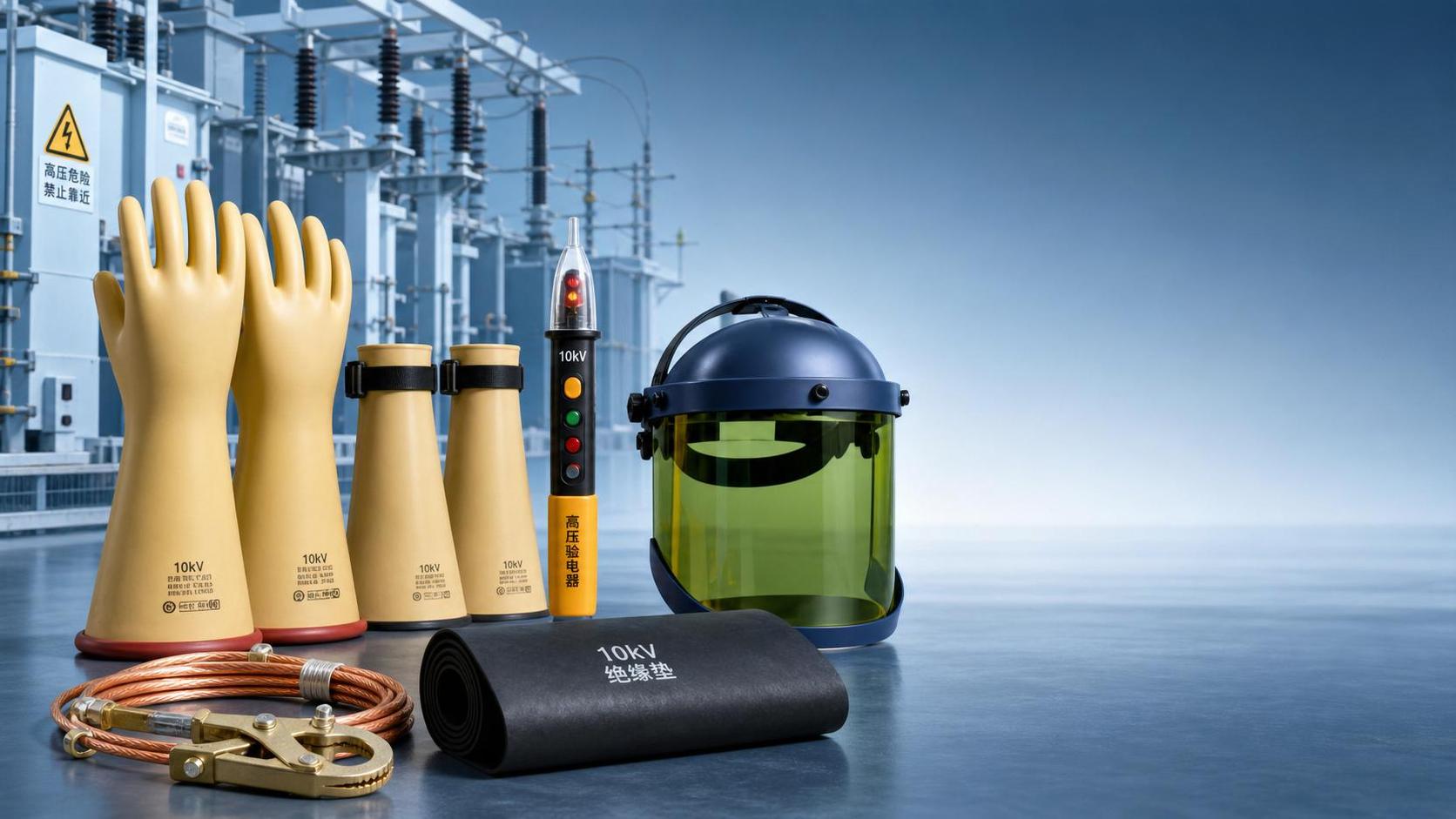
That is why the right utility safety equipment usually combines personal protective equipment, live-line testing tools, insulating accessories, grounding devices, and site control items. Buying only the most visible items, such as gloves or helmets, leaves critical gaps in actual field protection.
In electrical equipment and supplies procurement, many buyers struggle with three issues: unclear selection criteria, mixed work scenarios, and pressure to control cost without weakening compliance. A practical gear list should therefore be based on task frequency, voltage class, operating environment, and inspection discipline.
- Shock protection for contact or near-contact exposure
- Arc flash protection for switching, fault investigation, and energized confirmation
- Voltage detection and verification before touching conductors or equipment
- Temporary grounding and discharge control during isolation work
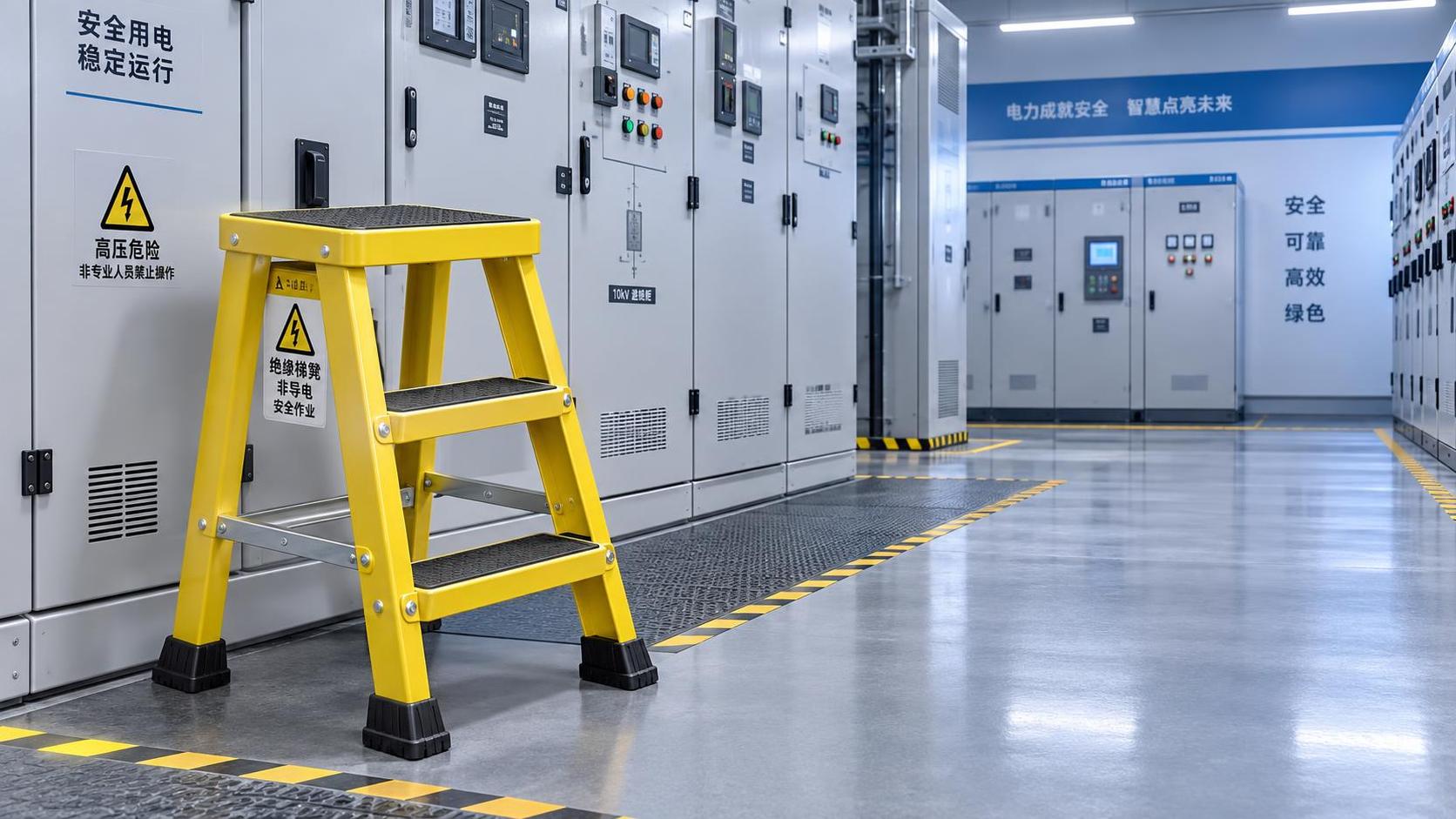
- Worksite control through barriers, warning signs, and procedural lockout support
When teams ask, “What utility safety equipment do I actually need for routine maintenance?” they are really asking how to build a reliable daily-use kit that supports safe execution, easy inspection, and repeatable compliance.
Which gear matters most for daily utility field work?
The most important gear depends on whether the task is de-energized maintenance, switching support, line-side inspection, or substation access. Still, several categories appear again and again in routine utility operations and should be treated as core equipment rather than optional extras.
The table below helps answer the recurring question, “What utility safety equipment do I actually need for routine maintenance?” by linking typical gear to daily use cases and primary protection purpose.
This table shows that the most critical gear is not defined only by product type. It is defined by the risk chain. In routine maintenance, insulating gloves, arc-rated apparel, voltage detectors, and grounding tools usually form the core package because they cover the highest-frequency hazards in utilities and substations.
Why insulating gloves are often the first priority
Among all answers to “What utility safety equipment do I actually need for routine maintenance?” insulating gloves remain one of the first line items. They are used frequently, directly affect dexterity, and can quickly become noncompliant if storage, testing, or replacement is neglected.
A glove program should include compatible leather protectors, regular visual inspection, proper sizing, and documented dielectric retesting according to the applicable standard and internal procedure.
Why testing and grounding tools should never be separated
Field teams sometimes buy voltage detectors first and delay grounding tools to a later budget cycle. That creates a dangerous gap. Verifying voltage absence is one step. Maintaining a protected condition during the job is another. Both steps are necessary in routine utility work.
How do maintenance scenarios change the equipment list?
A line inspection crew, a substation maintenance team, and a renewable energy field service group do not use exactly the same daily kit. The right answer to “What utility safety equipment do I actually need for routine maintenance?” becomes clearer when procurement is tied to specific operating scenarios.
The comparison below outlines how equipment priorities shift by application environment.
Scenario-based selection prevents overspending on low-use items while avoiding underprotection in high-risk tasks. It also makes inventory planning easier, especially for contractors and utilities managing multiple crews across different voltage environments.
What should buyers check before ordering utility safety equipment?
Procurement teams often know the hazard categories but still struggle with brand comparison, standard interpretation, and field usability. A practical selection process should balance compliance, durability, lead time, and worker acceptance. If the gear is too bulky, difficult to inspect, or unsuited to climate conditions, users may avoid it or misuse it.
- Define the voltage environment and task frequency. Daily switching support requires different priorities from occasional shutdown work.
- Match products to the hazard, not just the department name. “Maintenance” may include shock, arc, induced voltage, and contact risks in one shift.
- Check inspection and replacement practicality. Consumable or test-sensitive items need clear lifecycle management.
- Review storage and transport requirements. Gloves, blankets, and detectors can lose reliability if crews lack proper cases and handling routines.
- Confirm the supplier can support documentation, packaging consistency, and ongoing replenishment.
This is where an experienced manufacturer adds value beyond supply alone. Hebei Jinneng Power Technology Co., Ltd., founded in 2009, focuses on electrical safety equipment for the power industry and supports customers with integrated capabilities across R&D, manufacturing, quality control, and service. For buyers, that matters because safety products must perform consistently from batch to batch and hold up in demanding field conditions.
Selection mistakes that increase cost later
- Buying by unit price only and ignoring inspection frequency, replacement intervals, and storage damage risk
- Mixing products from multiple sources without checking system compatibility in actual field use
- Ordering generic gear for specialized environments such as substations, renewable energy installations, or industrial maintenance rooms
- Underestimating training needs for voltage detectors, grounding clamps, and temporary protective setups
Which standards and compliance points matter most?
When asking, “What utility safety equipment do I actually need for routine maintenance?” serious buyers also ask whether the gear aligns with recognized standards and internal safety procedures. Exact requirements depend on region, utility specification, and application type, but compliance review should always be part of the buying process.
Common reference points in the industry may include standards related to insulating gloves, live working tools, arc-rated garments, and protective equipment testing. Procurement teams should verify which standards apply to the destination market and how products are marked, tested, and documented.
A reliable supplier should help clarify application range, maintenance expectations, and document consistency rather than leaving the buyer to interpret every requirement alone. This support is especially useful for distributors, EPC contractors, and utilities serving multiple project types.
How can teams balance budget, durability, and replacement cycles?
Cost control is a real concern, but low initial cost does not always mean low operating cost. In routine maintenance, the more often a product is used, checked, transported, and stored, the more its lifecycle matters. Buyers should compare not just purchase price but expected service conditions, retesting needs, field wear, and replacement planning.
For example, a lower-cost glove or blanket may appear attractive in tender comparison, yet poor durability, inconsistent sizing, or weak packaging can lead to early removal from service. That raises replacement frequency and complicates compliance tracking.
- Use core-plus-reserve purchasing for high-frequency items such as gloves, sleeves, and detectors
- Standardize by crew type to reduce training burden and simplify inspection records
- Ask suppliers about packaging, storage recommendations, and replacement support before placing repeat orders
- Group related items into practical field kits rather than buying disconnected components
Because JINPOWER has focused for many years on electrical protective tools for substations, utilities, renewable energy projects, and industrial maintenance, the company understands that product durability is not only a manufacturing issue. It is also a field-use issue. Material choice, consistency, quality control, and user-oriented design all affect how well safety equipment performs over time.
Common misconceptions about routine electrical safety gear
“Routine work means lower protection is acceptable.”
Routine work often creates complacency, not lower risk. Many incidents happen during familiar tasks such as verification, switching support, or minor repair because crews move quickly and assume conditions are unchanged.
“If the circuit is isolated, testing gear matters less.”
Isolation must be confirmed. Backfeed, induced voltage, and wrong identification remain real hazards. Voltage detection and grounding tools remain central to the answer for what utility safety equipment you actually need for routine maintenance.
“Any industrial PPE is enough for utility tasks.”
General industrial protective gear may not meet the electrical, dielectric, or arc-related demands of utility and substation work. Application-specific selection is essential.
FAQ: practical buying questions from utilities and contractors
How do I choose the right routine maintenance kit for mixed crews?
Start by separating workers into task groups such as substation switching, line inspection, renewable energy service, and industrial electrical maintenance. Then define a standard kit for each group, plus optional add-ons for special tasks. This reduces overbuying and improves training consistency.
What utility safety equipment do I actually need for routine maintenance if my budget is limited?
Prioritize the items that directly control the highest-probability hazards: insulating gloves, voltage detection tools, arc-rated essentials for switching exposure, and grounding equipment where isolation work is performed. After that, expand into insulating covers, mats, and site-control accessories based on environment.
What should I ask a supplier before placing an order?
Ask about applicable standards, product range by voltage or scenario, inspection and storage guidance, packaging method, replenishment support, and lead time. Also confirm whether the supplier can help align products to your crew structure and usage frequency.
Why is supplier experience important for electrical protective tools?
Experienced manufacturers understand how products are really used in substations, utility operations, renewable sites, and industrial maintenance. That translates into better design judgment, more consistent production, and more practical support for selection and field application.
Why choose us for electrical safety equipment planning and supply?
If your team is still asking, “What utility safety equipment do I actually need for routine maintenance?” a one-size-fits-all answer will not be enough. You need a supplier that understands daily field conditions, application differences, and the operational pressure behind every purchase decision.
Hebei Jinneng Power Technology Co., Ltd. has specialized in electrical safety equipment for the power industry since 2009. With long-term focus on research, development, and production of electrical protective tools, JINPOWER supports customers in substations, utilities, renewable energy projects, and industrial maintenance with solutions designed for demanding use environments.
When you contact us, you can discuss specific and practical topics, including voltage application confirmation, routine maintenance kit selection, product matching by work scenario, delivery schedule, packaging requirements, sample support, certification-related questions, and quotation planning for distributors, contractors, or end-user projects.
For buyers who need dependable utility safety equipment rather than generic catalog recommendations, that kind of technical and supply coordination can reduce procurement risk and improve frontline protection from the start.
Recommend
 Sep 16, 2026
What Utility Safety Equipment Is Needed for Routine Maintenance?
What utility safety equipment do I actually need for routine maintenance? Explore essential testers, PPE, grounding, lockout/tagout, and rescue gear for safer utility work.
- Sep 12, 2026
When is an insulating ladder stool required for electrical work?
Insulating Ladder Stool guidance for electrical work: discover when elevated tasks near energized equipment require safer, stable insulated access.
- Jun 30, 2026
For Routine Electrical Utility Work, What Safety Gear Matters Most?
What utility safety equipment do I actually need for routine maintenance? Discover the essential gear for utility crews, from insulating gloves to grounding tools, and choose safer, compliant solutions.