English
 Español
 Português
 Français
 Deutsch
 русский
 한국어
 にほんご
 हिन्दी, हिंदी
 বাংলা
 Bahasa Indonesia
 Türkçe
 Việt
 dansk
 čeština
 עִבְרִית Ivrit
 Filipino/Pilipino
 български език (Bǎlgarski jazik)
 suomi
 norsk
 język polski
 ไทย
 ກະຣຸນາ
 Bahasa Melayu
 ភាសាខ្មែរ
 ဗာရမ်
 اردو
 فارسی
 Italiano
 Nederlands
 svenska
 Монгол хэл
 नेपाली
 සිංහල
 Ўзбек тили
 پښتوتۆرکجه
 Ελληνικά
 српски / srpski
 magyar
 українська
 Kiswahili
 Қазақ тілі
 Română
 Hrvatski
 Bosanski
 Kreyòl ayisyen
 አማርኛ
 Hausa
 Yorùbá
 Igbo

What Electrical Safety Equipment Includes
Electrical safety equipment is the collective term for products that reduce exposure to electrical energy and related workplace hazards. It includes personal protective equipment, insulating devices, insulated hand tools, voltage detection instruments, grounding equipment, barriers, warning devices, and protected storage systems. Its purpose is not to make energized work routine; it supports a controlled safety process in which hazards are identified, circuits are isolated where possible, absence of voltage is verified, and workers use suitable protective layers for the remaining risk.
The physical properties of electrical safety equipment matter because electrical incidents can involve current flow through the body, arc energy, thermal exposure, conductive contamination, and incorrect system status. Insulating rubber mats, gloves, boots, tool handles, and protective covers are selected for dielectric performance, material integrity, dimensions, and intended voltage class. Test devices must provide clear, repeatable indication in the applicable operating environment. Grounding equipment must establish a reliable temporary protective path according to the site procedure and network conditions.
A complete electrical safety equipment program also includes identification, inspection, cleaning, segregation, and storage. Equipment can lose suitability through cuts, moisture, ultraviolet exposure, chemical contamination, missing labels, unauthorized modification, or poor recordkeeping. Procurement teams should therefore assess a product as part of a system: the item itself, its inspection requirements, its storage environment, the competence of users, and the documented work method that governs how it is deployed.
Why Layered Electrical Protection Matters
Electricians face different hazards at switchboards, distribution rooms, substations, cable systems, industrial machinery, renewable-energy installations, and temporary work sites. A single product rarely addresses all conditions. Lockout and isolation reduce the chance of unexpected energization; voltage detectors help confirm status; grounding equipment manages certain induced or accidental voltage risks; and PPE provides a final protective layer when residual exposure remains. Electrical safety equipment is effective when these controls are coordinated rather than purchased and used independently.
Traditional storage methods such as open shelves, mixed tool boxes, or damp storerooms can undermine otherwise suitable equipment. Gloves may be crushed, insulating surfaces may collect dust, inspection labels may be lost, and staff may waste time locating the correct kit. Jinneng Power addresses this operational gap with JINPOWER safety tool cabinets and intelligent safety tool cabinets designed around organized storage, moisture protection, dehumidification, temperature and humidity control, intelligent monitoring, optional RFID management, and configurable internal layouts.
For electrical equipment and supplies buyers, this approach links safety readiness to asset availability. Heavy-duty steel cabinet construction can support centralized storage in workshops and electrical rooms, while segmented configurations can separate gloves, boots, voltage detectors, grounding sets, insulating mats, and maintenance records. The commercial value is practical: fewer missing items, clearer accountability, more orderly inspections, and faster preparation for planned maintenance or fault-response work. The cabinet does not replace safety procedures, but it can make compliance easier to sustain.
Main Categories For Electricians
Personal protective equipment forms the first major category. Insulated gloves protect hands from electrical contact when correctly selected, inspected, worn with appropriate protectors where required, and kept clean and dry. Insulated boots and insulating rubber mats help reduce conductive pathways between a worker and ground. Depending on the task assessment, additional PPE may address arc-flash heat, eye injury, face exposure, noise, or mechanical hazards. Compatibility between PPE items is as important as the rating of any individual component.
The second category is insulated tools and access equipment. These products commonly include insulated screwdrivers, pliers, cutters, socket tools, operating poles, insulating ladders, and protective covers. Their selection should reflect voltage exposure, tool geometry, torque demand, confined-space access, and the chance of accidental contact with adjacent live parts. Insulated tools provide an additional barrier; they do not justify bypassing isolation requirements or using damaged tools. Clear identification and routine visual checks are essential before issue.
The third category covers electrical test and protection devices. Voltage detectors, meters appropriate to the task, phase-identification tools, grounding equipment, short-circuiting assemblies, warning signs, and barriers support safe verification and work-zone control. A voltage detector should be selected for the expected voltage range, installation type, indication method, and inspection regime. Grounding equipment needs suitable clamps, conductors, connection points, and sequence control. Buyers should specify complete usable sets instead of evaluating individual parts in isolation.
Who Uses It And Where It Is Applied
Core users include utility maintenance crews, electrical contractors, plant electricians, facility-management teams, panel builders, railway and transport maintenance teams, renewable-energy service providers, and emergency repair personnel. Each group works under different constraints. Utility teams may require portable kits for outdoor exposure and switching operations. Factory electricians may need rapid access near production equipment. Contractors often need traceable, transportable sets that can be checked before moving between projects. Electrical safety equipment should match both the network environment and the actual work sequence.
Typical applications include substation maintenance, switchgear inspection, transformer work, cable termination, motor-control troubleshooting, battery-system service, generator maintenance, and temporary power distribution. In these settings, equipment storage location matters. Cabinets placed near controlled work areas can reduce retrieval time, while access control can support responsibility assignment. Jinneng Power cabinet configurations can be customized to separate products by type, voltage application, inspection status, or work team, helping site managers make the correct equipment easier to identify.
Global projects should translate local legal obligations and customer specifications into a documented procurement matrix. Commonly referenced frameworks may include applicable IEC, ASTM, EN, ANSI, OSHA, or local utility requirements, depending on product type and project location. These references should be verified against the current contract and regulations rather than treated as interchangeable. Buyers should request product documentation, intended-use information, inspection guidance, marking details, and applicable test evidence from suppliers before approving electrical safety equipment for a specific site.
How To Select And Maintain Equipment
Selection begins with a task-based hazard assessment. Define nominal voltage, possible fault energy, equipment condition, indoor or outdoor exposure, access restrictions, frequency of use, and whether work can be fully de-energized. Then identify the protective category, required performance level, size range, and compatibility requirements. For example, glove selection should consider electrical class, fit, protector requirements, storage conditions, and periodic testing needs. Do not select solely by price, appearance, or a generic statement that a product is insulated.
A practical incoming-quality process checks order completeness, markings, product condition, dimensions, documentation, and serial or batch traceability where provided. Before field use, workers should follow site procedures for visual inspection, functional checks, and removal from service of questionable items. Insulating rubber products should be protected from sharp edges, oils, excessive heat, direct sunlight, and improper folding. Voltage detectors should be checked according to manufacturer instructions and work rules, including confirming correct operation before and after a voltage-absence test when required.
Storage is a quality-control step, not simply housekeeping. JINPOWER electrical safety equipment cabinets can help preserve order through heavy-duty steel construction, controlled compartments, and options for dehumidification and temperature-humidity monitoring. RFID management, where selected, can support inventory visibility and issue-return records. Procurement specifications should define cabinet capacity, interior divisions, environmental-control expectations, access permissions, labeling, inspection-document storage, and future expansion space. This converts equipment storage into a repeatable operational control rather than a personal habit.
Ownership Cost And Procurement Decisions
The purchase price of electrical safety equipment is only one part of total cost of ownership. Buyers should include initial specification work, product price, shipping, commissioning, training, inspection, periodic testing, cleaning, repair or replacement, storage infrastructure, inventory administration, and downtime caused by unavailable equipment. A low-cost item may create higher lifecycle expense if it has poor traceability, needs frequent replacement, is difficult to inspect, or is stored in conditions that shorten its usable life. Budgeting should reflect the full operating program.
For cabinets and managed storage, cost drivers include steel gauge and construction, door and locking design, compartment configuration, monitoring functions, dehumidification capability, RFID options, installation requirements, and service access. The appropriate configuration depends on the quantity and sensitivity of stored assets, the humidity profile of the room, the number of users, and the organization’s recordkeeping process. A scalable cabinet layout may reduce later reconfiguration costs when a facility adds crews, changes voltage classes, or expands maintenance responsibilities.
Return on investment should be assessed through measurable operational outcomes: reduced time spent searching for equipment, fewer misplaced items, improved readiness for scheduled outages, clearer inspection ownership, less avoidable damage, and more consistent issue-return control. Buyers should request a quotation structured by product category and cabinet option, then compare it against their current replacement rate, storage limitations, and labor time. A pilot installation in a high-use electrical room can help validate workflow assumptions before broader deployment.
Future Trends In Electrical Safety Equipment
Electrical systems are becoming more distributed, data-driven, and operationally complex. Growth in renewable generation, battery storage, automated manufacturing, data infrastructure, and electrified transport increases the need for disciplined work practices across varied voltage environments. This is driving demand for electrical safety equipment that is easier to identify, inspect, transport, and manage. Buyers increasingly evaluate not only protective performance but also whether products fit digital maintenance workflows, changing skill profiles, and faster turnaround expectations during planned outages.
Smart storage is one practical direction. Temperature and humidity monitoring can provide visibility into environmental conditions that affect sensitive insulating products, while optional RFID management can support equipment identification and inventory control. These capabilities are most valuable when linked to a clear site process for inspections, exceptions, and replacement decisions. Technology should reduce manual uncertainty, not create data that nobody owns. Jinneng Power can be considered where organizations need configurable storage together with environmental protection for electrical safety products.
The strongest future-ready procurement strategy remains fundamentals-led: specify products against real hazards, verify suitability against project requirements, train users, inspect equipment consistently, maintain controlled storage, and replace items when their condition or documented status requires it. Build a category plan that covers insulated gloves, boots, mats, voltage detectors, grounding equipment, insulated tools, and cabinets as connected parts of one safety system. This approach supports safer field execution while giving purchasing teams a defensible basis for lifecycle planning and supplier evaluation.
![]() Customer Story: An Emergency ShipmentIn Nanjing, a customer placed an order for a batch of customized printed warning tape in boxed packaging. Both parties had originally agreed on the delivery schedule, and Jinneng Electric had already completed production in advance and prepared to ship the goods that morning.
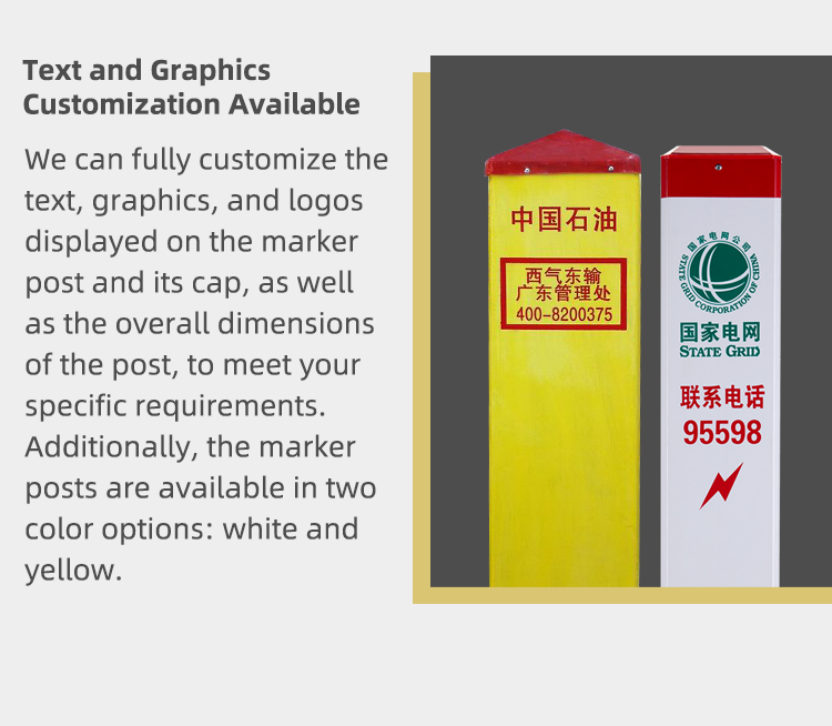
However, just before dispatch, the customer suddenly called in with an urgent request: due to a change in circumstances, the warning tape had to be put into use on the same day. The tone on the phone was filled with anxiety and helplessness. Upon hearing this, the employees at Jinneng Electric also became extremely concerned. Customer Story: The Story Behind the Faded Marker PostsA phone call suddenly broke the calm in JINPOWER’s office. On the other end of the line, an anxious voice reported a serious issue: the lettering on the pipeline marker posts they had purchased was fading significantly.
 From First Encounter to Lasting Trust: The Enduring Partnership Between JINPOWER and Yumin Pumping StationIn Mudanjiang, as the seasons changed, flood prevention work became a critical part of urban safety.
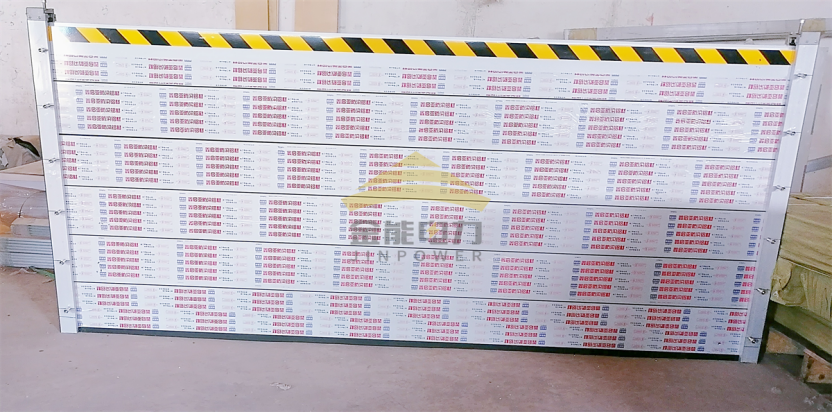
Mr. Song, the construction supervisor of Yumin Pump Station, was facing an urgent and unfamiliar challenge—selecting suitable flood protection barriers. After searching online, JINPOWER entered his attention thanks to its extensive industry experience and strong market reputation. Safety Acceptance First — Responding Swiftly to Urgent Customer Needs!
 Heavy-Duty Electrical Safety Equipment Cabinet for Insulated Tools & PPEJINPOWER supplies Heavy-Duty Electrical Safety Equipment Cabinets for centralized storage of insulated tools, grounding equipment, electrical PPE and maintenance equipment in substations, utility workshops, power maintenance centers and industrial electrical facilities.
Compared with a general electrical safety tool cabinet, the Heavy-Duty configuration is intended for larger tool sets, heavier equipment and projects that need stronger storage organization and higher load-bearing requirements.
For professional buyers, cabinet selection should be based on overall dimensions, cabinet construction, shelf and drawer load requirements, internal layout, locking method, storage environment and the actual electrical safety equipment that needs to be stored. Electrical Safety Equipment Cabinet for Insulated Tools & PPEJINPOWER supplies Electrical Safety Equipment Cabinets for centralized storage of electrical PPE, voltage detectors, grounding equipment and insulated tools in substations, electrical rooms, utility maintenance facilities and industrial electrical sites.
A dedicated cabinet keeps safety equipment organized, visible and easier to inspect instead of mixing insulating gloves, detectors, PPE and electrical tools with general workshop equipment.
For professional buyers, cabinet selection should be based on the actual equipment list, cabinet dimensions, shelf layout, storage capacity, locking requirement, working environment and any optional ventilation or environmental-control functions. Magnetic Retractable Safety Barrier for Temporary Work ZonesJINPOWER Magnetic Retractable Safety Barrier, also known as Magnetic Warning Tape or Magnetic Retractable Barrier Tape, is a reusable safety barrier for temporary access control and work-area marking.
The housing attaches directly to a suitable steel or iron surface with a magnetic back mount. A 5m retractable nylon belt can then be pulled across the required area without drilling holes or installing a separate floor-mounted barrier post.
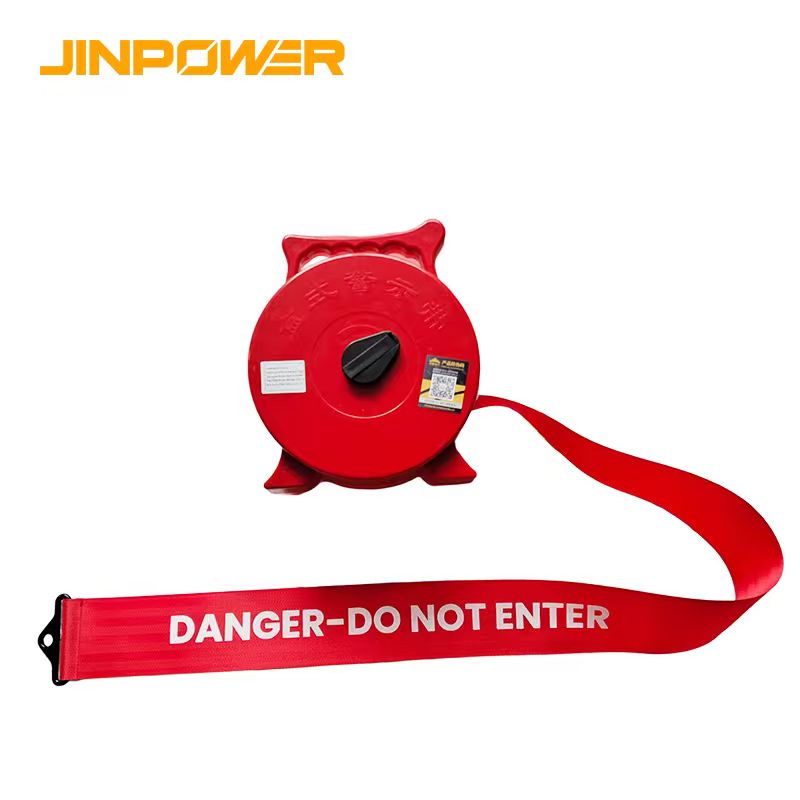
For buyers, the main things to check are the mounting surface, required barrier span, belt width, magnetic holding stability, retraction function, quick-connect interface, warning message and indoor or outdoor working conditions. Portable Boxed Warning Tape Reel for Temporary Safety BarriersNeed to mark off a large work area without dealing with loose, tangled warning tape? JINPOWER Boxed Warning Tape keeps a long length of safety tape neatly stored inside a portable ABS reel, so your team can pull it out when needed and wind it back after the job.
The tape is available in 4cm and 5cm widths, with Polyester and Reflective Polyester options. Depending on the configuration, tape length can range from approximately 48m to 150m, making it a practical choice for substations, utility work, cable installation, construction sites and other temporary restricted areas.