
 English
 Español
 Português
 Français
 Deutsch
 русский
 한국어
 にほんご
 हिन्दी, हिंदी
 বাংলা
 Bahasa Indonesia
 Türkçe
 Việt
 dansk
 čeština
 עִבְרִית Ivrit
 Filipino/Pilipino
 български език (Bǎlgarski jazik)
 suomi
 norsk
 język polski
 ไทย
 ກະຣຸນາ
 Bahasa Melayu
 ភាសាខ្មែរ
 ဗာရမ်
 اردو
 فارسی
 Italiano
 Nederlands
 svenska
 Монгол хэл
 नेपाली
 සිංහල
 Ўзбек тили
 پښتوتۆرکجه
 Ελληνικά
 српски / srpski
 magyar
 українська
 Kiswahili
 Қазақ тілі
 Română
 Hrvatski
 Bosanski
 Kreyòl ayisyen
 አማርኛ
 Hausa
 Yorùbá
 Igbo
‹
›
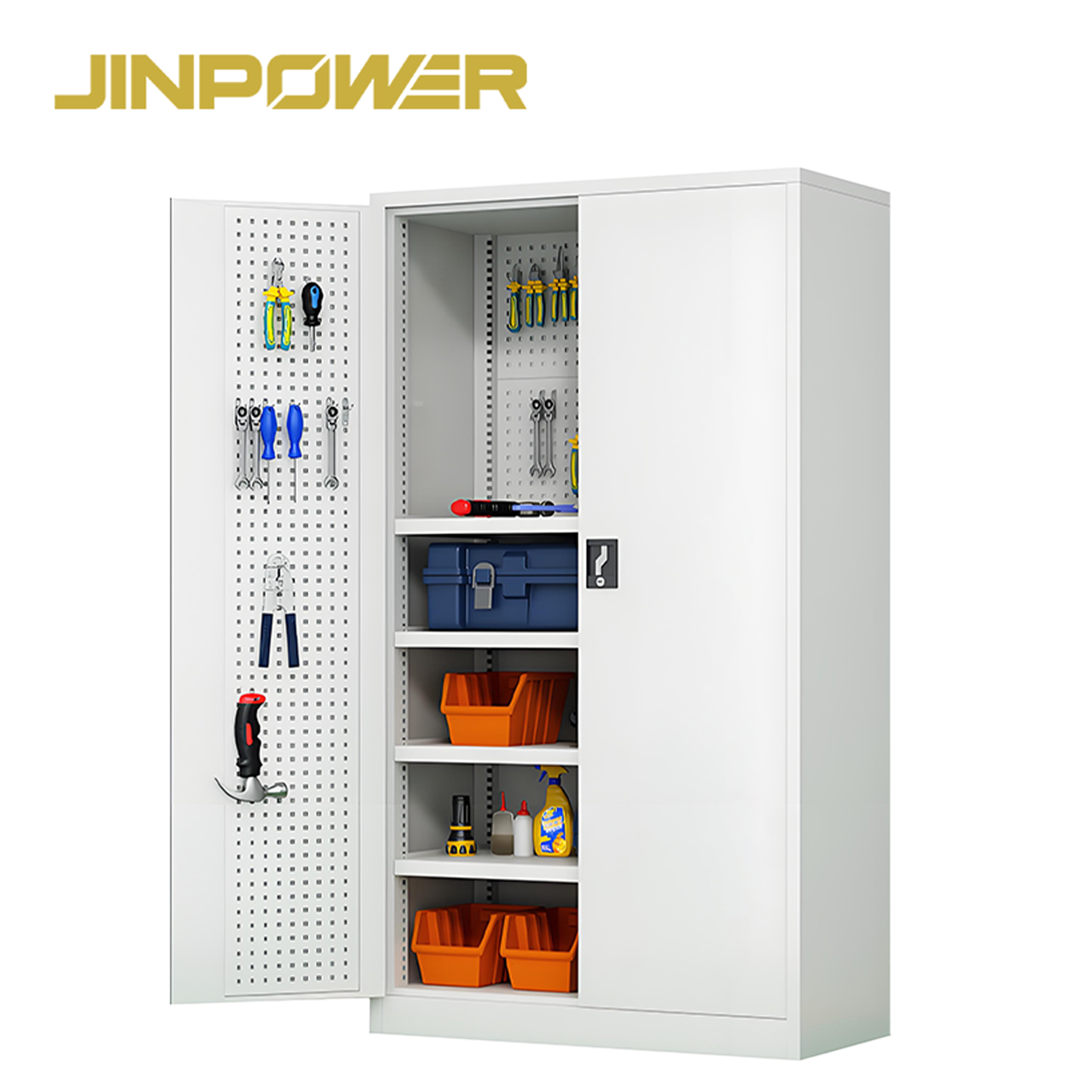
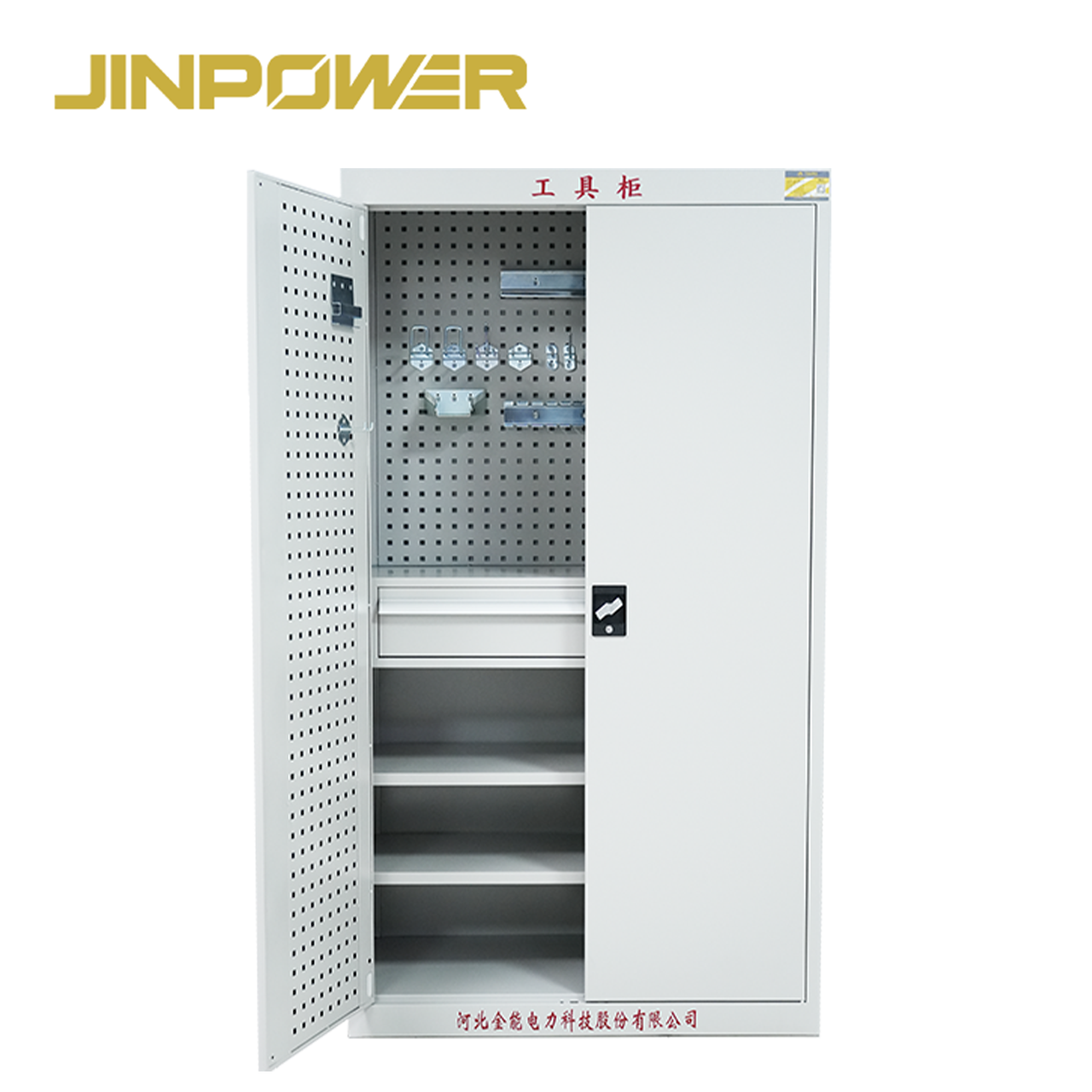
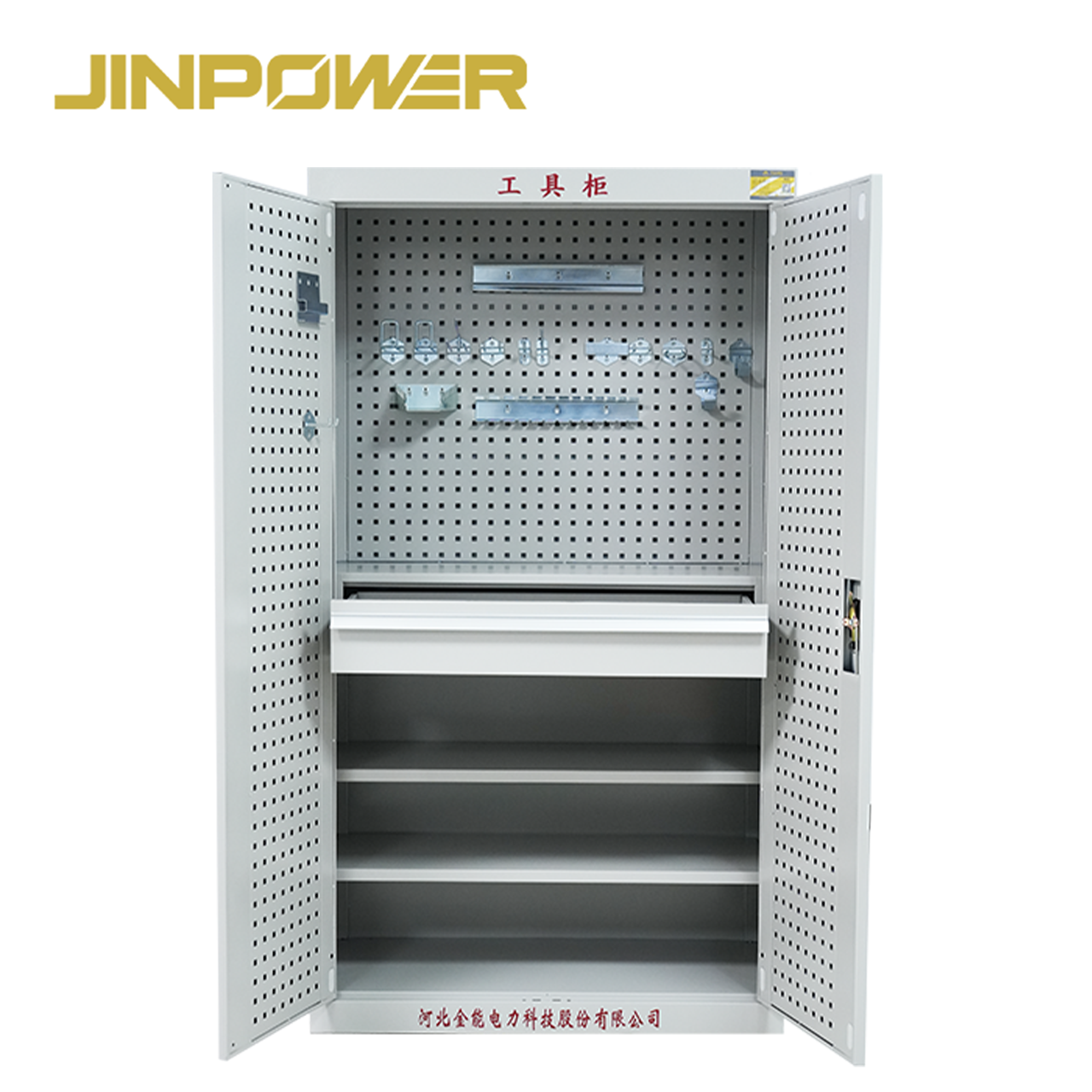
Heavy-Duty Electrical Safety Equipment Cabinet for Insulated Tools & PPE
JINPOWER supplies Heavy-Duty Electrical Safety Equipment Cabinets for centralized storage of insulated tools, grounding equipment, electrical PPE and maintenance equipment in substations, utility workshops, power maintenance centers and industrial electrical facilities.
Compared with a general electrical safety tool cabinet, the Heavy-Duty configuration is intended for larger tool sets, heavier equipment and projects that need stronger storage organization and higher load-bearing requirements.
For professional buyers, cabinet selection should be based on overall dimensions, cabinet construction, shelf and drawer load requirements, internal layout, locking method, storage environment and the actual electrical safety equipment that needs to be stored.
All Products
Stay Connected
If you have any questions, please contact us and we will contact you as soon as possible.
Prduct Introdution
Product Highlights
- Heavy-duty cabinet structure for larger and heavier electrical safety equipment
- Centralized storage for insulated tools, grounding equipment, PPE and maintenance gear
- Configurable internal storage zones according to tool type and project requirement
- Suitable for shelves, drawers, tool panels, hooks and storage bins according to selected configuration
- Lockable cabinet design for controlled tool storage
- Ventilation configuration according to selected cabinet
- Optional heating or dehumidification function according to project requirements
- Designed for categorized storage, quicker tool retrieval and easier inspection management
- Suitable for substations, power maintenance centers, distribution facilities and industrial electrical workshops
- Cabinet size, internal layout, labeling, logo and project configuration can be discussed before production
Quick Technical Specification
Exact cabinet dimensions, sheet thickness, individual shelf load, drawer load and total load capacity should be confirmed from the Technical Datasheet and Approved Drawing for the selected model. These values should not be assumed only from the product name “Heavy-Duty.”
Typical Cabinet Configuration
The internal arrangement should be selected around the actual tool list rather than using the same cabinet layout for every project.
The exact combination of shelves, drawers, pegboards, hooks and bins depends on the selected cabinet. Confirm the final internal layout on the approved drawing before production.
Quick Selection Guide
What Is a Heavy-Duty Electrical Safety Equipment Cabinet
A Heavy-Duty Electrical Safety Equipment Cabinet is a centralized storage system for electrical safety tools and maintenance equipment that require more storage capacity, stronger internal organization or higher load-bearing capability than a general-purpose safety cabinet.
The goal is not simply to put tools behind a cabinet door.
A properly planned cabinet should help the maintenance team:
- Separate different categories of electrical safety equipment
- Keep frequently used tools easy to identify and retrieve
- Reduce uncontrolled stacking and floor storage
- Protect equipment from unnecessary physical damage and contamination
- Support routine inspection and inventory management
- Identify missing tools more easily
- Prepare complete work kits before maintenance begins
For utilities and EPC projects, the cabinet can therefore become part of the electrical safety equipment management process rather than functioning as an ordinary workshop cupboard.
What Makes the Cabinet “Heavy-Duty”?
“Heavy-Duty” should describe the actual cabinet structure and load requirement, not just be used as a marketing label.
When evaluating a Heavy-Duty cabinet, buyers should check:
- Cabinet material and construction
- Steel sheet thickness where applicable
- Shelf structure
- Shelf load capacity
- Drawer load capacity
- Total cabinet load capacity
- Door and hinge construction
- Internal reinforcement
- Base structure
- Tool weight distribution
A cabinet intended for heavy portable grounding sets, clamps and maintenance equipment may need a very different shelf structure from one used mainly for gloves, helmets and lightweight test instruments.
For this reason, JINPOWER recommends confirming the equipment list and estimated storage weight before the final cabinet configuration is approved.
Heavy-Duty vs Standard Electrical Safety Equipment Cabinet
Neither cabinet type is automatically better. The correct choice depends on the actual tools, equipment weight, available space and maintenance workflow.
For general electrical safety equipment storage, see ourStandard Electrical Safety Equipment Cabinet.
What Can Be Stored in the Cabinet?
The actual storage list depends on cabinet dimensions, internal layout and load capacity.
Typical electrical safety and maintenance equipment may include:
- Electrical insulating gloves
- Electrical insulating boots
- Safety helmets and electrical PPE
- Voltage detectors
- Insulated hand tools
- Portable earthing / grounding sets
- Grounding clamps
- Grounding cable assemblies
- Electrical test instruments
- Tool sets and maintenance accessories
- Fall-protection equipment where the storage method is suitable
- Spare safety equipment
Large or long equipment such as Hot Sticks should only be stored in the cabinet when the cabinet dimensions and support method are specifically designed for that purpose. Do not bend, compress or improperly support long insulated operating tools simply to make them fit inside a cabinet.
Internal Zoning Makes Tool Management Easier
A large cabinet becomes difficult to manage if all tools are simply placed on the nearest available shelf.
A better approach is to divide the cabinet into functional storage zones.
The final zoning plan should be based on the actual project tool list and approved cabinet layout.
Why Storage Conditions Matter for Electrical Safety Equipment
Electrical safety equipment should not be treated like ordinary hardware.
Rubber insulating products and other safety equipment can be affected by inappropriate storage conditions, physical damage, contamination, excessive humidity, heat and long-term environmental exposure.
A dedicated cabinet helps create a more controlled and organized storage location, but the cabinet itself does not replace the storage, inspection or testing requirements applicable to each individual item.
For example, electrical insulating gloves should still be stored, inspected and periodically tested according to the applicable regulation, standard and manufacturer instructions even when they are kept inside a dedicated safety equipment cabinet.
Ventilation, Heating and Dehumidification
Different electrical facilities have different storage environments. A dry indoor control room may need a very different cabinet configuration from a humid substation or maintenance center.
Ventilation
Ventilation can support air circulation inside the cabinet and reduce stagnant storage conditions.
The exact ventilation design depends on the selected cabinet and should be confirmed in the project specification.
Optional Dehumidification
Where the storage environment has higher humidity, an optional dehumidification configuration can be discussed according to the selected cabinet and project requirement.
If the project requires a specific humidity setpoint, control range, sensor, alarm or display, those parameters should be provided during the RFQ stage.
Optional Heating
Heating may also be configured for particular storage environments where the project requires temperature or condensation management.
Heating should not be assumed to be standard on every cabinet. Power supply, rated power, controller type and operating range need to be confirmed for the selected configuration.
Environmental Control Does Not Replace Equipment Requirements
A cabinet with ventilation, heating or dehumidification can support better storage management, but it does not automatically make every stored tool compliant with its applicable storage requirements.
Always follow the storage, inspection and testing requirements for the individual electrical safety product.
How to Select Cabinet Size
1. Prepare a Complete Tool List
Do not start by asking for a cabinet that is simply “large.”
List the tools and safety equipment that need to be stored, including quantity, approximate dimensions and weight.
2. Identify the Largest Equipment
The largest or longest item often determines whether a standard shelf layout will work.
Examples may include grounding cable assemblies, larger clamps, tool cases or selected insulated tools.
3. Separate Heavy and Lightweight Equipment
Heavy grounding equipment should not simply be placed on any available shelf.
Its weight should be considered when deciding shelf position, shelf structure and overall load distribution.
4. Consider Access Frequency
Frequently used tools should normally be easier to reach than rarely used spare equipment.
Good cabinet organization can reduce unnecessary searching during maintenance preparation.
5. Allow Reasonable Future Capacity
A cabinet designed exactly around today's tool list may become overcrowded when additional PPE or maintenance equipment is added later.
For long-term projects, consider reasonable future expansion without making the cabinet unnecessarily large.
How to Select Load Capacity
Load capacity should be one of the first technical questions when purchasing a Heavy-Duty cabinet.
Ask separately for:
- Individual shelf load capacity
- Drawer load capacity where applicable
- Base or lower-compartment load capacity
- Total cabinet load capacity
These are different parameters.
A cabinet may have adequate total load capacity but still have an individual shelf that is unsuitable for a very heavy grounding set.
For professional procurement, provide estimated equipment weights so that the internal structure can be reviewed before final approval.
Locking and Access Management
A lockable cabinet can help prevent uncontrolled access and keep electrical safety equipment in a designated storage location.
Depending on the project, buyers may need to confirm:
- Mechanical key lock
- Lock quantity
- Key management
- Door access arrangement
- Project labeling
- Equipment identification
- Authorized-user procedures
A locked cabinet can support access management, but it should not be described as a Lockout / Tagout system unless it has been specifically designed and approved for that purpose.
Main Applications
Substations
Substations may need centralized storage for grounding equipment, voltage detectors, electrical PPE and operating tools used during switching, inspection and maintenance.
A Heavy-Duty cabinet is particularly useful where several equipment categories need to be managed from one designated safety-equipment area.
Utility Maintenance Centers
Utility maintenance centers may hold complete grounding kits, clamps, electrical test equipment, insulated tools and replacement PPE for several crews.
In these applications, load capacity and internal zoning become more important than simply maximizing the number of shelves.
Power Distribution Rooms
Distribution facilities can use dedicated cabinets to keep electrical safety equipment separated from general maintenance supplies and easier to inspect before work.
Transmission Maintenance Units
Transmission maintenance teams may need centralized storage for grounding equipment, insulated tools, PPE and field-maintenance accessories before equipment is issued to crews.
Industrial Electrical Workshops
Factories, mines, energy facilities and large industrial plants can use the cabinet for dedicated management of electrical maintenance and safety equipment.
Renewable Energy Facilities
Solar, wind and BESS facilities may also require centralized storage for electrical PPE, grounding equipment, voltage detectors and maintenance tools.
The cabinet configuration should be based on the actual equipment list and environmental conditions at the site.
What This Cabinet Is Not
Clear product boundaries are important when specifying electrical safety storage equipment.
The cabinet stores electrical insulating and safety equipment. That does not mean the metal cabinet itself should be described as an “electrically insulating cabinet.”
IP Rating, Moisture Protection and Environmental Claims
Terms such as “moisture-proof,” “dustproof” and “IP54” should only be used when the exact cabinet configuration has supporting design or test documentation.
If an EPC tender or utility specification requires an IP rating, provide the required rating before quotation.
The selected cabinet can then be reviewed against the actual enclosure structure and available supporting documents rather than assuming that every electrical safety cabinet has the same environmental protection level.
What Should Be Checked Before Putting the Cabinet Into Service?
Cabinet Structure
- Cabinet body is not visibly deformed
- Doors open and close correctly
- Hinges are secure
- Base is stable
- Internal panels and shelves are properly installed
Shelves and Drawers
- Shelf positions match the approved layout
- Shelf connections are secure
- Drawers operate normally where included
- No storage zone is loaded above its approved rating
Locks and Doors
- Lock operates normally
- Keys match the cabinet
- Door alignment is correct
- No abnormal interference occurs during closing
Environmental-Control Components
Where heating, ventilation or dehumidification equipment is installed, verify that the supplied components, electrical supply and control settings match the approved specification.
Labels and Storage Zones
Check that equipment labels, storage-zone identification and any project-specific warning or management labels are correctly positioned.
Routine Cabinet Inspection and Maintenance
- Keep shelves and internal storage areas clean
- Remove oil, dust and other contamination
- Check doors, hinges and locks regularly
- Inspect shelves and mounting points for deformation
- Do not overload individual shelves or drawers
- Check storage hooks and tool holders for looseness
- Keep ventilation openings clear where fitted
- Check dehumidification or heating components according to their instructions where installed
- Keep equipment labels readable
- Review cabinet organization when the stored tool inventory changes
Heavy-Duty Cabinet Buyer Acceptance Checklist
JINPOWER Pre-Shipment Checks
For utility, EPC, industrial and distributor orders, pre-shipment inspection should focus on making sure the actual cabinet matches the approved project configuration.
- Overall dimensions
- Cabinet structure
- Door alignment
- Hinges
- Lock function
- Internal shelf layout
- Drawers where included
- Tool panels and hooks where included
- Storage bins and accessories where ordered
- Surface finish
- Ventilation configuration
- Heating / dehumidification components where ordered
- Product and project labels
- Quantity
- Packaging
- Required technical documentation
If the project requires specific load testing, enclosure testing, third-party inspection or environmental-control verification, include those requirements before production begins.
OEM and Project Configuration
JINPOWER supports project-based and bulk supply for utilities, substations, EPC contractors, industrial facilities and electrical safety equipment distributors.
Depending on the confirmed cabinet design, project discussions can include:
- Overall cabinet size
- Internal layout
- Shelf configuration
- Drawer configuration
- Tool panel / pegboard arrangement
- Hooks and tool holders
- Storage bins
- Lock configuration
- Ventilation
- Optional heating
- Optional dehumidification
- Cabinet color
- Safety labels
- Project identification
- Logo / branding
- Packaging
- Technical documentation
Changing the cabinet color, logo or label does not change its load capacity or environmental performance. Any mechanical, IP, heating or dehumidification requirement must be confirmed through the actual cabinet design and supporting specification.
How Does the Cabinet Fit Into an Electrical Safety Equipment System?
A dedicated cabinet supports the storage and management of electrical safety equipment. It does not replace the equipment itself or the inspection and testing required for each item.
Related JINPOWER product categories includeElectrical Safety Tool Cabinets,Grounding Equipment,Electrical Safety PPEandVoltage Detectors.
Why Choose JINPOWER Heavy-Duty Electrical Safety Equipment Cabinets?
Designed Around Electrical Safety Equipment
JINPOWER supplies grounding equipment, voltage detectors, insulated operating tools, electrical PPE and other utility safety products, allowing the cabinet layout to be considered around the actual equipment being stored.
Heavy-Duty Selection Based on Actual Load
We recommend selecting cabinet construction around tool dimensions, shelf load, drawer load, total equipment weight and storage workflow rather than using “Heavy-Duty” only as a product label.
Configurable Internal Layout
Shelves, drawers, tool panels, hooks and storage zones can be discussed according to the confirmed cabinet configuration and project tool list.
Project Storage Environment
For facilities requiring more controlled storage conditions, ventilation and optional heating or dehumidification requirements can be reviewed before production.
B2B Project Documentation
For utility tenders, EPC projects and distributor orders, cabinet drawings, dimensions, load requirements, internal layout, inspection requirements and project identification can be confirmed before order approval.
What Should You Include in Your RFQ?
Frequently Asked Questions
What makes this electrical safety cabinet “Heavy-Duty”?
Heavy-Duty refers to a cabinet configuration intended for larger or heavier electrical safety equipment and higher storage-load requirements. Exact shelf load, drawer load, total cabinet load, material thickness and reinforcement should be confirmed for the selected model rather than assumed from the product name.
What electrical safety equipment can be stored inside?
Depending on cabinet dimensions and load capacity, the cabinet can be configured for grounding equipment, insulated tools, electrical PPE, voltage detectors, test instruments and other maintenance equipment.
Can it store portable earthing and grounding sets?
Yes, where the selected shelf or lower storage area has sufficient dimensions and approved load capacity. Provide the dimensions and weight of the grounding sets before finalizing the cabinet layout.
Can the shelf positions and internal layout be customized?
Internal layout can be discussed according to the selected cabinet design and project requirements. Shelves, drawers, tool panels, hooks and storage zones should be confirmed on the Approved Drawing before production.
Does every cabinet include heating and dehumidification?
No. Heating and dehumidification are optional functions according to the selected configuration and project requirement. If environmental control is required, provide the required temperature, humidity, power supply and control requirements during the RFQ stage.
Is the cabinet moisture-proof or IP rated?
Do not assume a specific IP rating for every cabinet. If moisture protection, dust protection or a specific IP rating is required, confirm that requirement before ordering and verify it against the supporting documentation of the selected configuration.
Is this an electrically insulating cabinet?
No blanket claim should be made. This product is a storage cabinet for electrical insulating and safety equipment. The fact that insulating tools are stored inside does not make the cabinet itself an electrical insulating enclosure.
Can the cabinet be used as a fire-rated or explosion-proof cabinet?
Not unless the exact cabinet has been specifically designed, tested and documented for that purpose. Fire resistance and explosion protection are separate technical requirements from electrical safety equipment storage.
How should I choose the cabinet size?
Prepare a complete equipment list including quantity, dimensions, weight and access frequency. The largest and heaviest items should be reviewed first, followed by required shelf space, drawers, tool panels and future storage capacity.
What is the difference between the Heavy-Duty Cabinet and the Standard Electrical Safety Equipment Cabinet?
The Standard Cabinet focuses mainly on centralized storage of general electrical PPE and safety tools. The Heavy-Duty version is positioned for larger equipment sets, heavier tools and projects where load capacity and configurable internal organization are more important.
Can JINPOWER customize the cabinet?
Cabinet size, internal layout, shelves, drawers, tool panels, locking, labels, logo, ventilation and optional environmental-control functions can be discussed according to the selected design and project requirements.
Request Heavy-Duty Electrical Safety Equipment Cabinet Details and Pricing
If you are sourcing Heavy-Duty Electrical Safety Equipment Cabinets for a substation, utility maintenance center, distribution facility, transmission maintenance unit, industrial electrical workshop or EPC project, send JINPOWER the actual equipment list rather than only asking for a “large tool cabinet.”
Please provide the equipment types, dimensions, estimated weights, required cabinet size, shelf and drawer load requirements, preferred internal layout, locking requirement, environmental conditions, ventilation or dehumidification needs, quantity and required technical documents.
JINPOWER can then review the cabinet size, Heavy-Duty structure, internal storage zones and optional functions before quotation and project approval.
Inquiry