English
 Español
 Português
 Français
 Deutsch
 русский
 한국어
한국어 にほんご
にほんご हिन्दी, हिंदी
 বাংলা
বাংলা Bahasa Indonesia
 Türkçe
 Việt
Việt dansk
dansk čeština
 עִבְרִית Ivrit
 Filipino/Pilipino
 български език (Bǎlgarski jazik)
 suomi
suomi norsk
norsk język polski
 ไทย
ไทย ກະຣຸນາ
 Bahasa Melayu
 ភាសាខ្មែរ
 ဗာရမ်
ဗာရမ် اردو
اردو فارسی
فارسی Italiano
 Nederlands
 svenska
 Монгол хэл
 नेपाली
 සිංහල
සිංහල Ўзбек тили
 پښتوتۆرکجه
 Ελληνικά
 српски / srpski
 magyar
 українська
 Kiswahili
 Қазақ тілі
 Română
 Hrvatski
 Bosanski
 Kreyòl ayisyen
 አማርኛ
አማርኛ Hausa
Hausa Yorùbá
 Igbo
IgboSafety Acceptance First — Responding Swiftly to Urgent Customer Needs!
For sectors such as catering, elderly care, and schools—where food safety is critical—rodent barriers (door guards) are essential safety tools. They often determine whether a business can successfully pass hygiene inspections by food safety authorities. However, many companies feel confused when selecting rodent barriers. With so many materials and varying specifications available, what kind of rodent barrier can effectively prevent rodents? And how should they choose the right one to ensure they pass safety inspections smoothly?
Recently, Mr. Zhang from Anhui encountered a similar issue. In mid-last month, the senior care facility he manages was required by the food safety authority to make rectifications. During a safety inspection, it was found that the entrances and exits of the dining area and kitchen were not equipped with rodent barriers as required. As a result, the facility was instructed to complete the rectification within three days.
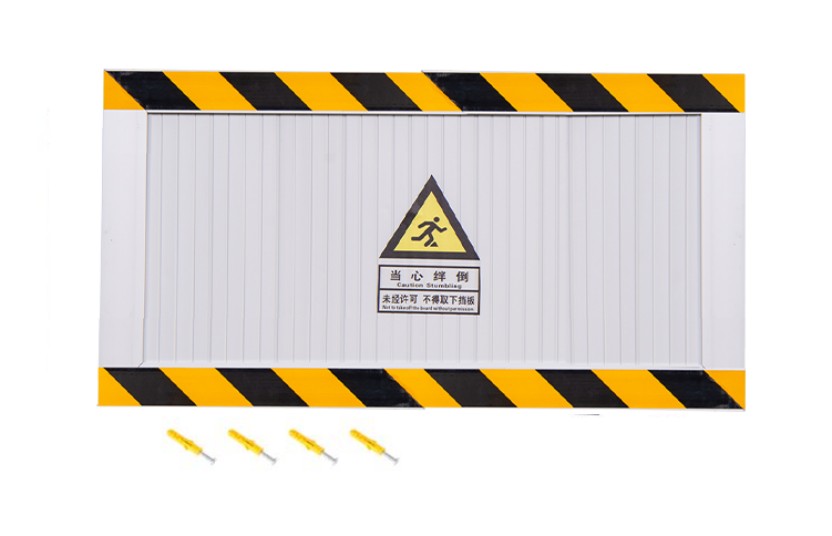
However, Mr. Zhang had no prior knowledge of rodent barriers. He was unsure about what material to choose, what size he needed, and even how to measure correctly. Yet, for him, installing rodent barriers was a mandatory requirement to pass the inspection. With little time left, he searched online and found JINPOWER.
After learning about Mr. Zhang’s situation, JINPOWER’s staff provided a detailed explanation of the function, materials, and standard height requirements of rodent barriers. Soon, Mr. Zhang gained a basic understanding. The staff then conducted a video call to view the actual conditions of the kitchen and dining area. During the call, they observed that both sides of the restaurant entrance were tiled and the walls had irregular shapes. Based on these conditions, the staff guided Mr. Zhang step by step on how to take measurements and proposed an external wall installation solution.
Mr. Zhang placed the order the same day. However, the food safety authority was scheduled to conduct another inspection the following day. Even if the factory worked overtime to complete the product and arranged immediate shipment via express delivery, it could not guarantee arrival and installation by the next day. As expected, on the third day, inspectors arrived on schedule for the acceptance check.
At that moment, the rodent barriers were still in transit.
Understanding the urgency of the situation, JINPOWER’s staff acted quickly to support the customer. Through Mr. Zhang’s phone, they communicated directly with the food safety officials, explaining that the barriers had already been ordered in compliance with requirements but had not yet arrived due to time constraints. With this coordination, the authorities granted an additional two days for completion.
Thanks to the earlier video consultation, JINPOWER’s team had anticipated potential installation challenges and prepared the necessary accessories in advance, minimizing delays caused by replacements or additional shipments. Once the rodent barriers arrived, Mr. Zhang successfully completed the installation under the guidance of JINPOWER’s staff and passed the inspection on the first attempt.
Once again, JINPOWER demonstrated its service philosophy through action—serving every customer with dedication and care.
Recommend
 Sep 19, 2026
Can Non-Standard Field Conditions Void Equipment Warranties?
Can non-standard field conditions void the warranty on utility safety equipment? Learn how storage, contamination, misuse, and documentation affect coverage.
 May 13, 2026
Hidden Safety Risks Are Like Tigers — Equipment Quality Must Be Taken Seriously
Sun, a distributor in Dongying, Shandong, works with a local power plant. Recently, he has been troubled by a serious issue: the power plant reported that the operating rods he supplied were of poor quality and lacked proper inspection certificates, making them impossible to pass acceptance and be put into use.
 May 13, 2026
Jinneng Electric Insulating Rubber Mat: Making Frequent Replacement a Thing of the Past!
In the world of the power industry, safety is undoubtedly the most valuable benchmark for every practitioner. As a leading enterprise in electrical safety tools and equipment, JINPOWER has become a trusted choice for countless customers, thanks to its outstanding product quality and reliable performance.
Recently, we received enthusiastic feedback from a customer who has been using Jinneng insulating rubber mats since 2019. After more than four years of continuous service and countless real-world tests, the mats have consistently maintained excellent performance and have passed every annual inspection with ease.